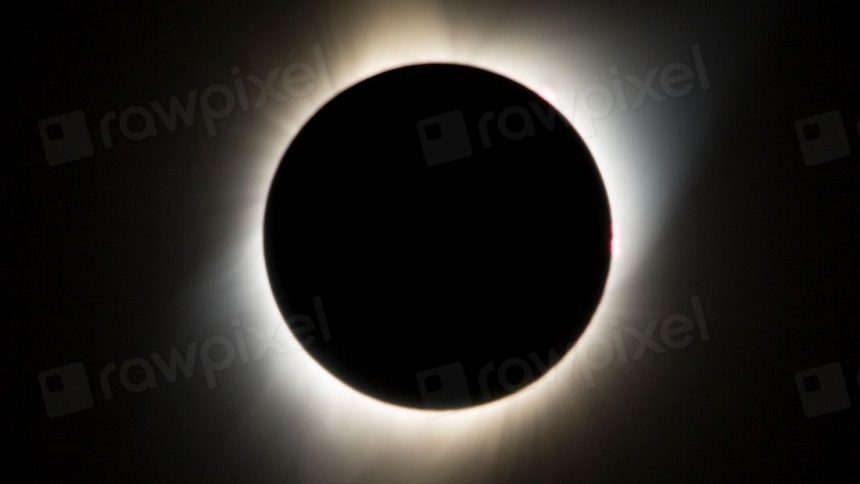
Imagine standing beneath an afternoon sky when suddenly the world around you darkens in the middle of summer. Birds fall silent. Temperatures drop. The glowing halo of the Sun’s outer atmosphere appears above you, something rarely visible from Earth. This isn’t science fiction. This is what awaits millions of people on August 12, 2026.
After years dominated by partial eclipses and inconvenient viewing locations, we’re about to witness something truly rare. The 2026 total solar eclipse stands apart not just for its accessibility but for the sheer spectacle it promises to deliver.
A Path That Sweeps Across Two Continents

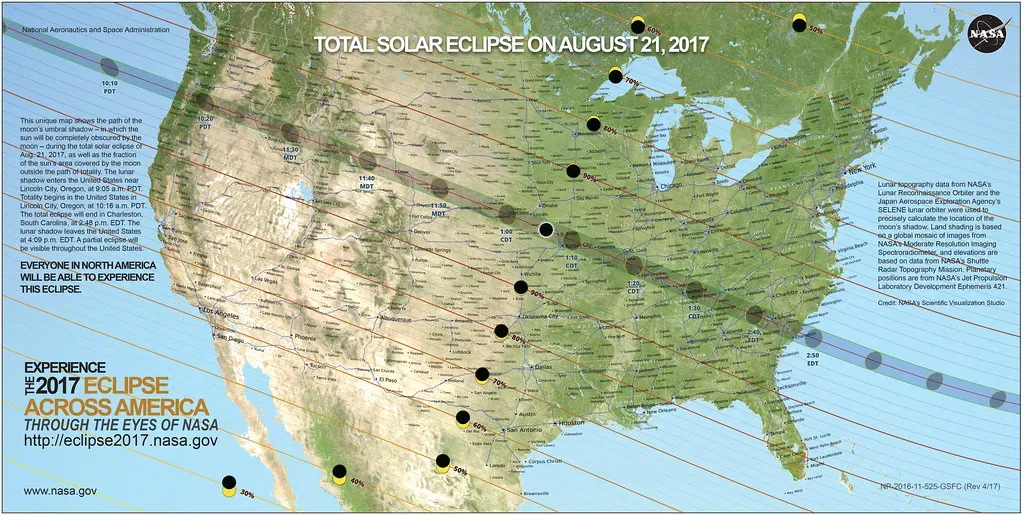
The eclipse shadow will trace a narrow path over the Arctic Ocean, Greenland, western Iceland, northern Spain, and a tiny section of Portugal. It’s an unusual route that combines some of the planet’s most remote polar regions with easily accessible European locations.
Think about it. This will be the first total solar eclipse for mainland Europe since 1999. That’s nearly three decades of waiting for people in Spain, Iceland, and Portugal. The path might be narrow, but it cuts directly through regions where tens of millions can witness totality without needing a passport or lengthy expedition.
Over Two Minutes of Totality in Prime Locations

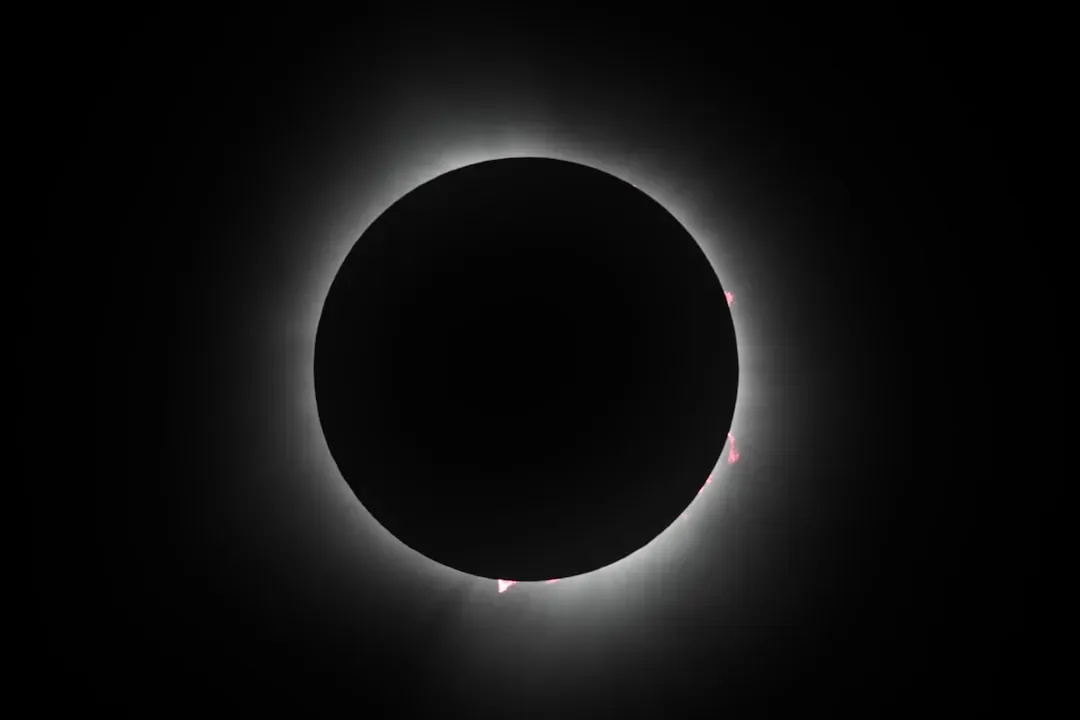
The maximum duration of totality for this eclipse will be 2 minutes and 18 seconds, occurring just off the western coast of Iceland. To put that into perspective, many eclipses offer only seconds of totality. Two full minutes gives observers time to truly absorb the experience rather than frantically snapping photos.
Cities like León and Burgos in Spain will experience totality durations of about 1 minute and 45 seconds and 1 minute and 43 seconds, respectively. Even locations farther from the centerline will still get well over a minute of darkness. That’s generous by eclipse standards.
Once in a Lifetime Rarity for Iceland

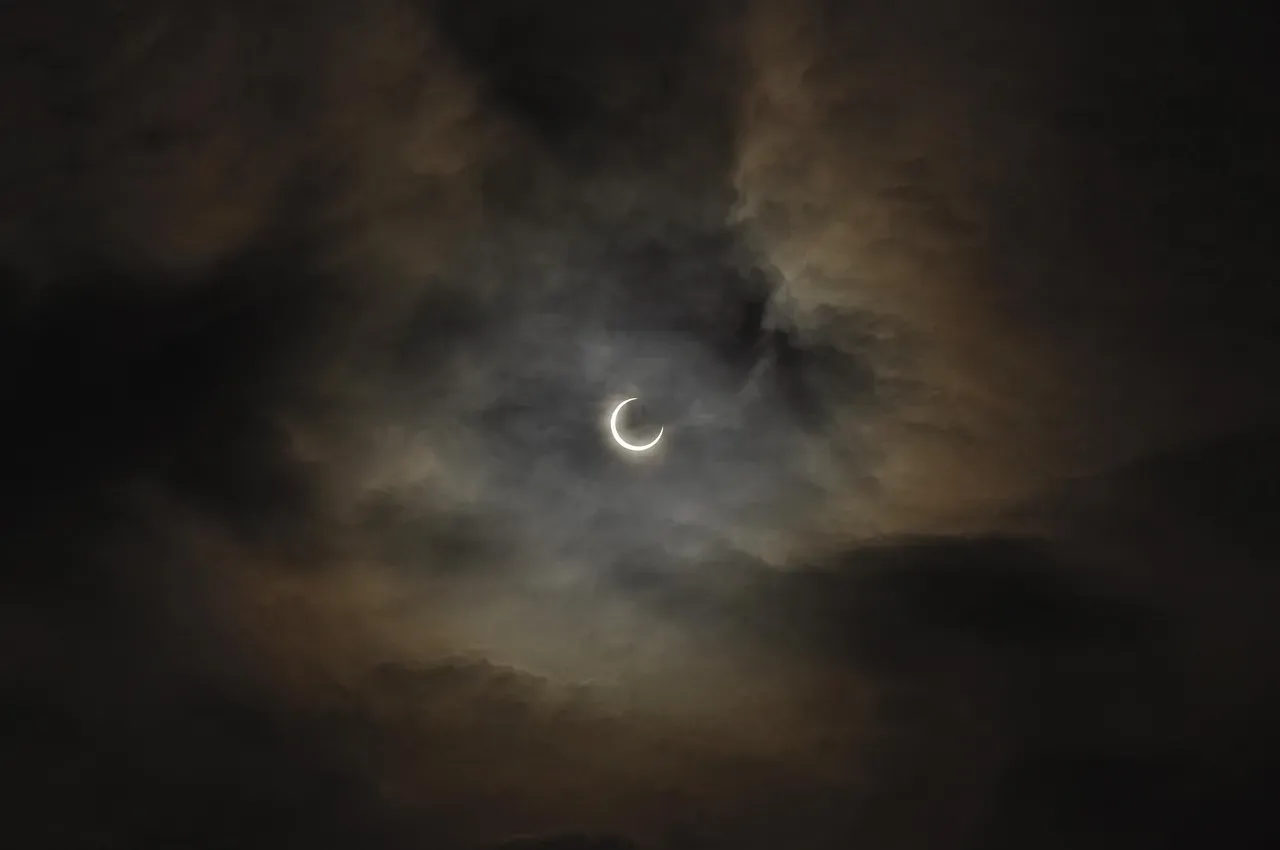
Here’s something that gives me chills when I think about it. This will be the first total solar eclipse visible in Iceland since June 30, 1954, and the only one to occur in the 21st century as the next one visible over Iceland will be in 2196.
Read that again. The next total eclipse over Iceland won’t happen for another 170 years. Reykjavík won’t see another total eclipse until May 26, 2245. If you miss this one, your great-great-great-grandchildren might have a chance. For Icelanders and visitors to the island, this is a generational event beyond comparison.
An Eclipse at Sunset Adds Dramatic Flair

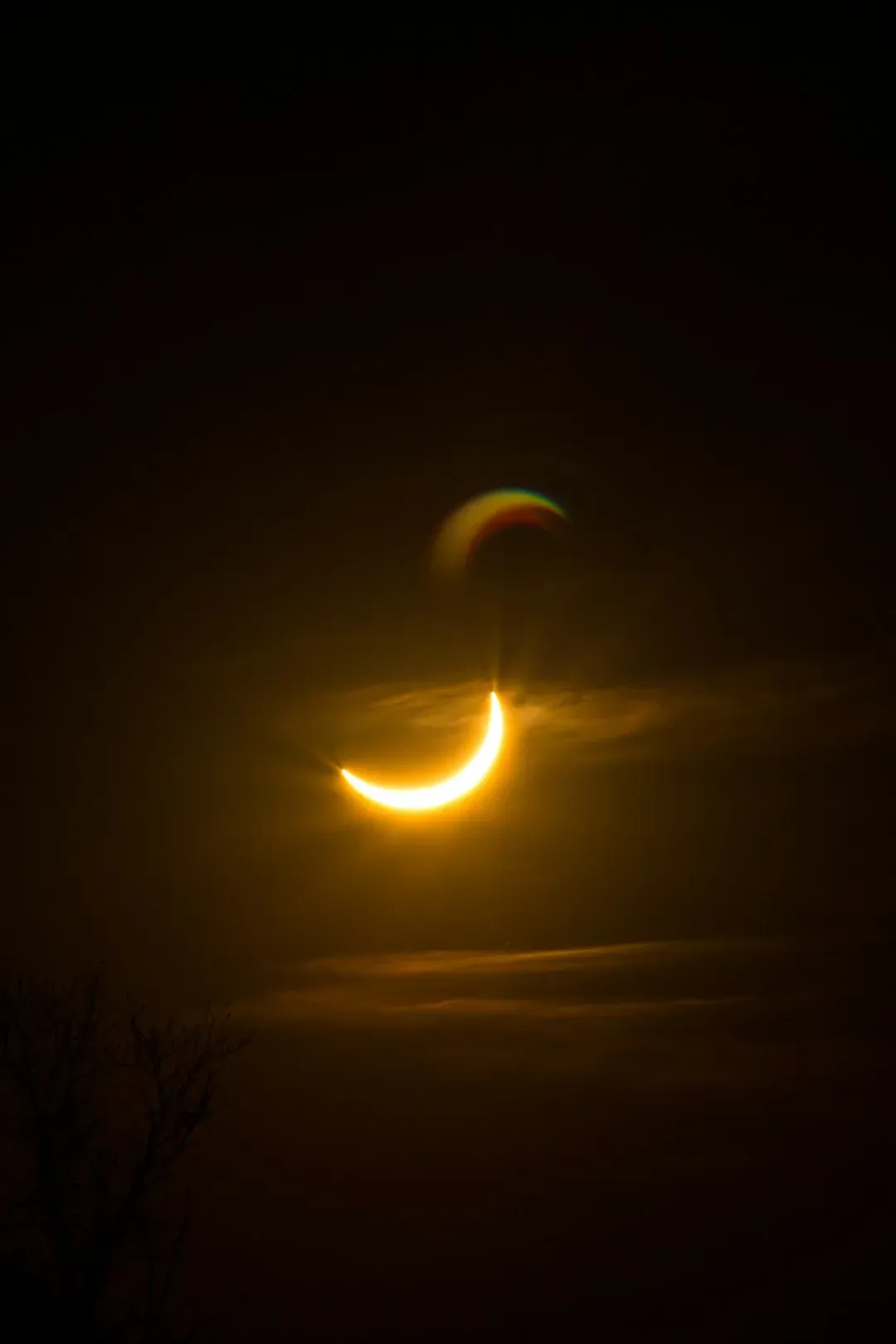
In Spain, the eclipse will occur about 1 hour before sunset. This isn’t your typical midday eclipse. The low angle of the Sun creates longer shadows and more vivid colors across the sky.
In parts of Spain, this eclipse will happen near sunset, adding an extra layer of beauty with warm colors on the horizon as totality unfolds. Imagine the already surreal sight of the solar corona combined with the oranges and reds of an evening sky. Photographers are going to have a field day. The rest of us will just stand there with our jaws on the ground.
Part of an Extraordinary Three Eclipse Sequence

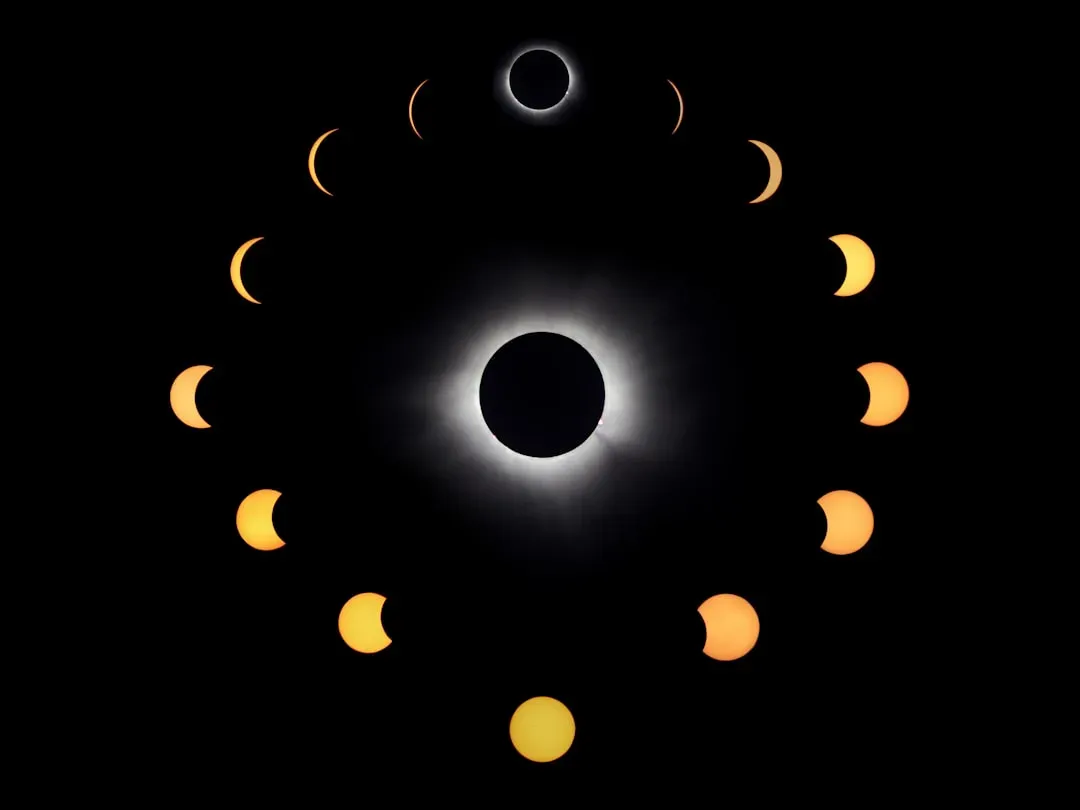
From August 2026 through July 2028, three total solar eclipses will occur within 710 days, along with three annular solar eclipses. This kind of clustering is unusual. The eclipse trio we’re about to encounter is the most travel-friendly and geographically spectacular in decades. This is generational.
Similar trios occurred from 1990 to 1992 and 2008 to 2010, but most of those took place in remote or cloud-prone areas. The 2026 eclipse kicks off a sequence that’s actually accessible to ordinary travelers. Spain in summer? Iceland in August? These aren’t research stations in Antarctica. These are vacation destinations.
Partner offer

Unmatched Research Opportunities for Scientists

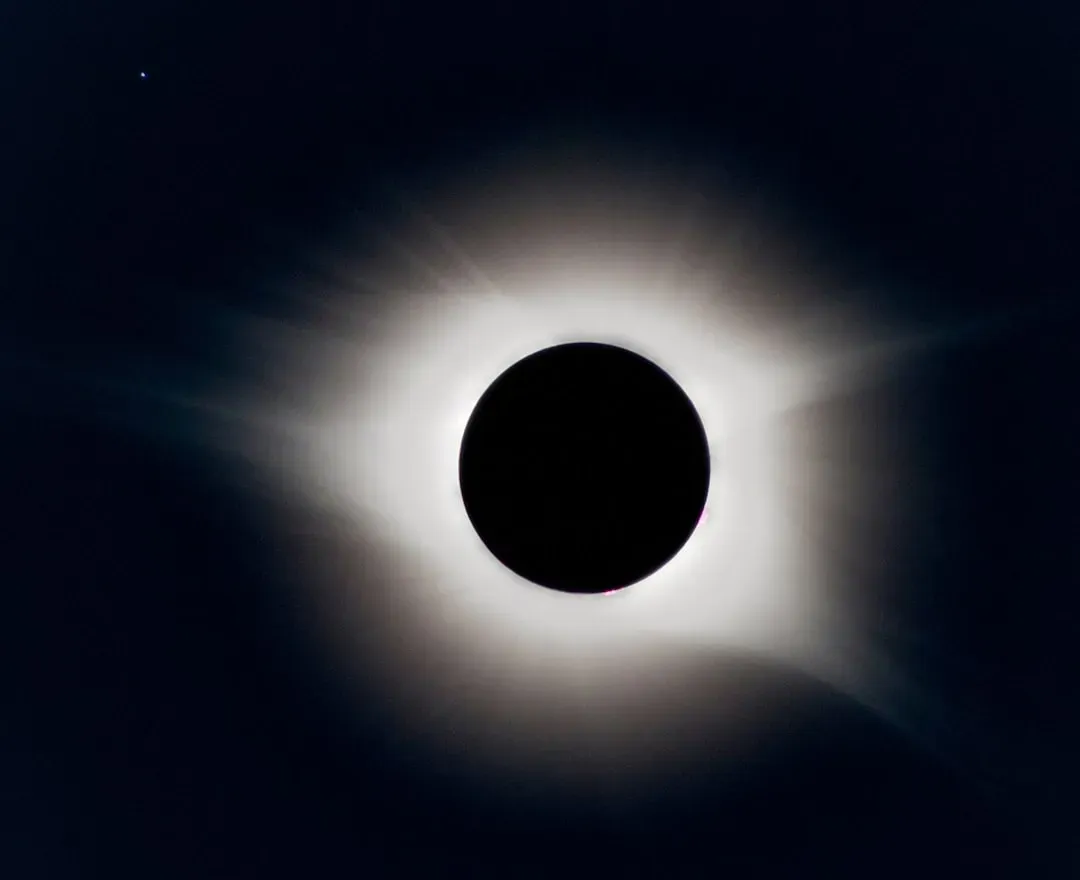
During a total solar eclipse, scientists see a part of the Sun’s outer atmosphere, called the corona, that is too faint to see unless the glaring light of the Sun is blocked. NSO scientists study total solar eclipses to make new discoveries and refine their understanding of the Sun’s corona and its interaction with the Earth.
Even with advanced coronagraphs on spacecraft, nothing beats a total eclipse for observing the innermost corona. Total solar eclipses allow scientists to see a part of the Sun’s atmosphere that’s too faint to see except when the bright light of the Sun is blocked, and instruments still struggle to reveal the region of the corona closest to the Sun. The 2026 eclipse provides a rare window into solar processes that affect space weather and could impact satellites and power grids back on Earth.
Tourism and Public Interest Are Already Surging

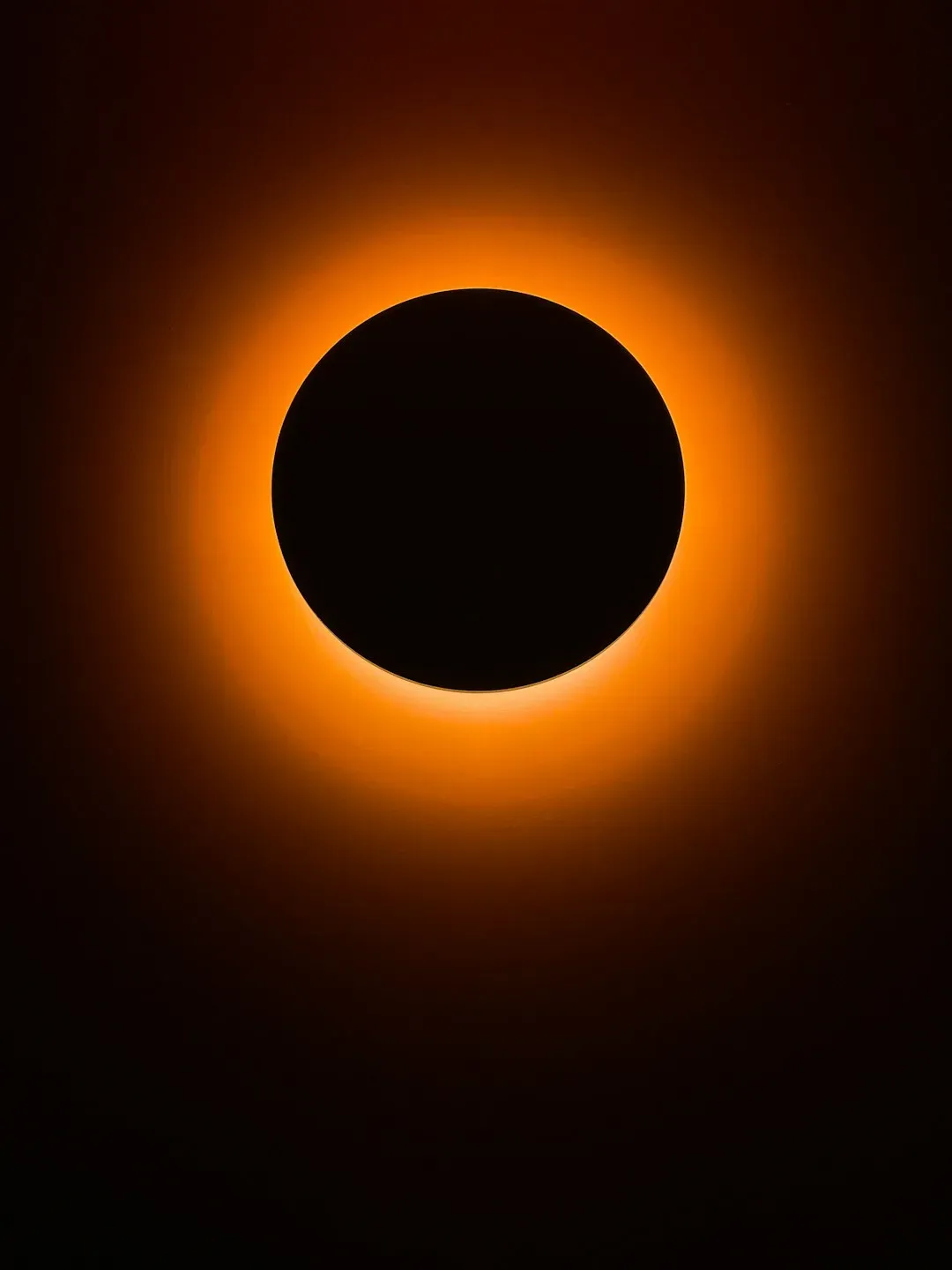
Let’s be real. The hype around this eclipse is massive. Local authorities and tourism organisations in regions along the eclipse path are already preparing for increased visitor numbers. Hotels in Iceland and northern Spain have been booking up for months, some more than a year in advance.
The eclipse, set to occur on August 12, 2026, will be visible across a narrow path of totality, which spans parts of Iceland, Russia, and Greenland. As these regions will experience the eclipse in its full glory, they are poised to become popular new destinations for astro tourism. Tour companies are offering everything from luxury cruises positioned in the path of totality to guided expeditions to remote Greenland fjords. This isn’t just an astronomical event. It’s becoming a cultural moment.
Weather Prospects Favor Spain Over Other Locations


Spain’s summer climate is one where sunshine dominates, with August’s percent of possible sunshine generally lying in the 70s percent range along most of the eclipse track. That’s significantly better than the cloudier conditions expected over the North Atlantic and Greenland.
According to predictions, your best bets for clear skies are Portugal and Spain. Iceland’s weather in August can be unpredictable, but Spain offers statistically favorable odds. Lower elevation areas promise even better chances. For eclipse chasers who’ve been clouded out before, Spain might be the safer bet.
Major Cities Fall Directly in the Path


The total eclipse will be visible from the cities of A Coruña, Valencia, Zaragoza, Palma and Bilbao. These aren’t tiny villages. These are substantial urban centers with airports, hotels, restaurants, and infrastructure to handle large crowds.
Madrid and Barcelona just barely miss the path of totality, but they’re close enough that visitors can easily day-trip into the zone. The eclipse path excludes Barcelona from the totality party. However, the city is located only a relatively short distance from the edge of the path. Visitors can take advantage of what Barcelona has to offer while easily accessing the path on eclipse day. You can enjoy world-class cities and still catch one of nature’s greatest shows.
How It Stacks Up Against Recent and Future Eclipses

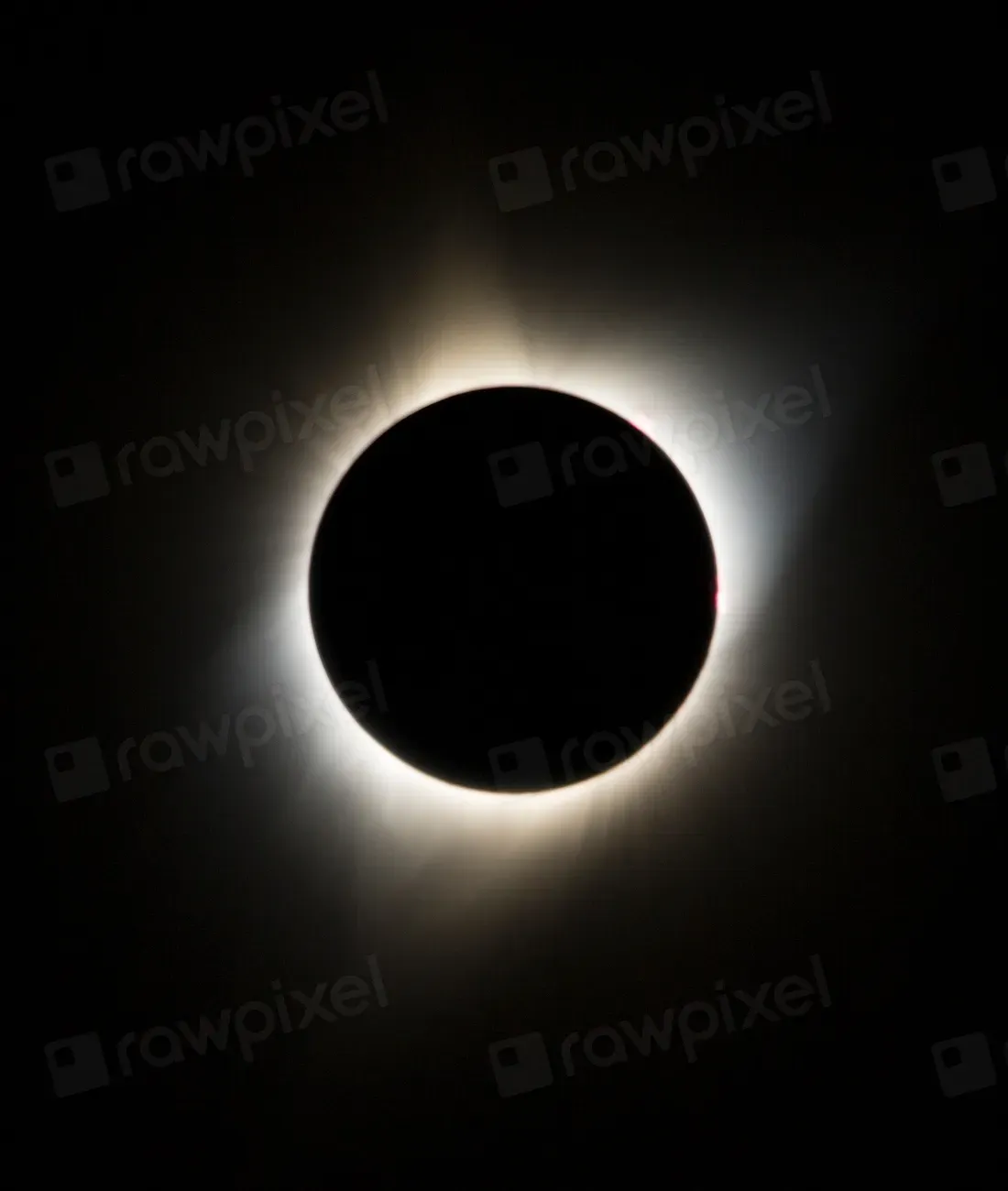
Compared to the widely celebrated April 2024 eclipse over North America, the 2026 event offers similar or even longer totality in some locations. Totality will peak at two minutes 18 seconds close to Iceland. That matches or exceeds many recent eclipses.
Looking forward, the longest solar eclipse in 100 years is set to happen on Aug. 2, 2027. For this eclipse, the total phase will last six minutes and 23 seconds. The 2027 eclipse will be longer, but it crosses North Africa and the Middle East. The 2026 eclipse beats it on accessibility for European and North American travelers. It’s not the longest eclipse ever, but it might be the most convenient spectacular eclipse many of us will ever see.
There’s something humbling about standing in the shadow of the Moon. You realize just how small you are, how vast the cosmos is, and how incredibly fortunate you are to be alive at exactly the right moment to witness it. The 2026 eclipse offers that rare gift to millions. Whether you’re drawn by the science, the beauty, or simply the adventure, this is one of those moments you won’t want to miss. Are you ready to be there when the sky goes dark?
Partner offer
Planning a trip to Vegas?
Compare hotel rates and show tickets on VEGAS.com.