There’s something quietly seismic happening in the Nevada desert. Las Vegas, a city the world has always associated with neon lights, poker tables, and weekend getaways, is undergoing a deeper transformation than most people realize. It’s not just about tourism anymore. An enormous wave of people leaving California has been reshaping the valley’s workforce, its wage structure, its housing, and its entire economic identity.
This isn’t a flash-in-the-pan trend. The numbers go back years, the data keeps rolling in, and the effects are compounding. Whether you’re a job seeker, an employer, a homeowner, or just someone curious about where America’s workforce is heading, this story is worth your full attention. Let’s dive in.
Why They’re Leaving: The Real Drivers Behind the Exodus

Let’s be real. People don’t uproot their lives over one bad day in Sacramento. Housing affordability and overall cost of living are the most commonly cited reasons for leaving California, while taxes, commute times, and changing workplace norms around hybrid and remote work also play important roles. It’s a perfect storm of financial frustration.
In 2025, the story of who is leaving California isn’t about a mass exodus of the rich, but a calculated move by the state’s economic core: its middle-class families, trading world-class amenities and high salaries for the more achievable dream of homeownership and financial breathing room. Think of it like a pressure valve. California builds pressure, Nevada releases it.
A study by the Public Policy Institute found that in 2024, Nevada ranked highest for gaining residents from California per 1,000 residents, at 13 per every 1,000, a higher rate than Florida and Texas. Nevada isn’t just competing for California migrants. It’s winning.
The Labor Force Expands, But So Does Complexity
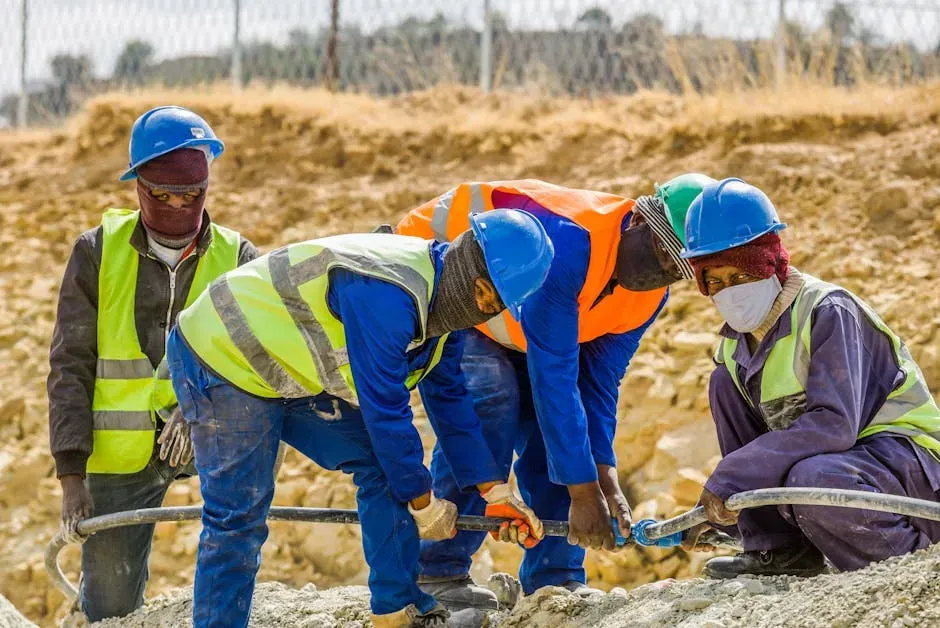
More people moving in means more workers entering the labor pool. That sounds simple, but the ripple effects are anything but. The labor force in Nevada currently sits at 1,700,180, representing an increase of 42,231 individuals compared to December 2024. A growing labor force is generally a good sign, yet it also creates new competition and new pressure on employers to adapt.
While the area has experienced growth, the rise in the unemployment rate is somewhat impacted by an expanding labor pool as more people see economic opportunity. At the same time, some excess capacity could provide opportunities for companies relocating to or growing within the area to access a skilled and available talent pool. In other words, it’s a double-edged sword. More workers, more opportunity, but also more competition.
The rising population in Southern Nevada is expected to play a pivotal role in shaping the region’s economic landscape. As more residents continue to move to the area, the demand for jobs and services will continue to rise, driving further employment opportunities across various sectors.
Construction Boom: A Skyline That Keeps Growing
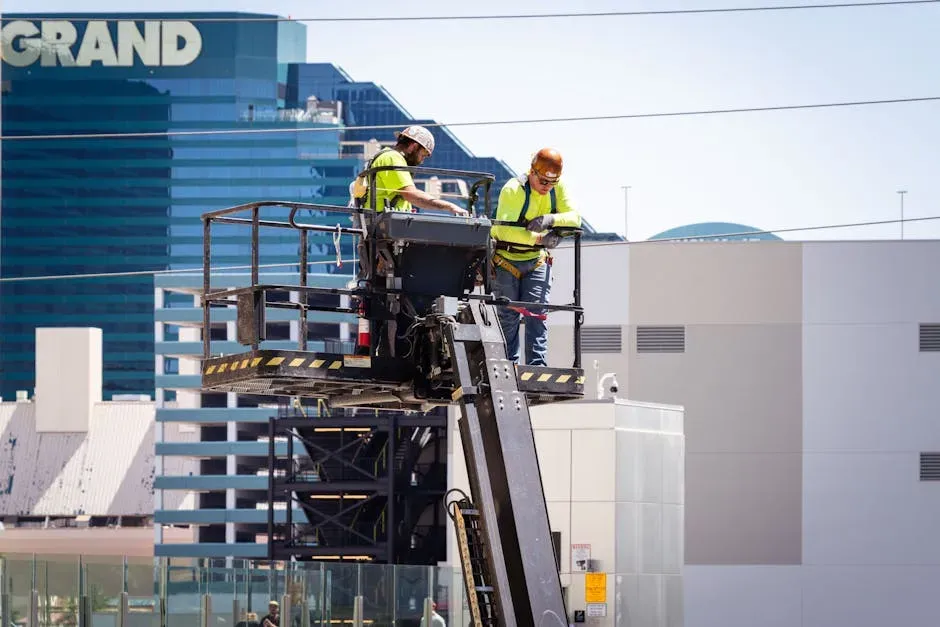
If you haven’t been to Las Vegas recently, prepare yourself. The cranes haven’t stopped turning. The construction sector spearheads growth in the valley, adding 6,300 jobs in October 2024, driven by high levels of development with notable under-construction and planned projects totaling over $32 billion. That’s an extraordinary pipeline of work for a city that never really slowed down post-pandemic.
Employment growth in the construction sector has been fueled by high demand for projects in the Las Vegas Valley, with over $30 billion in developments either underway or in the planning stages. The arrival of tens of thousands of new residents from California directly feeds this boom. More people need homes, roads, hospitals, and schools. Someone has to build them.
The fastest-growing industry in the state is construction, growing by 4.2 percent between July 2023 and July 2024. Construction has quietly become one of the most reliable employment engines in the entire state, and migrant-driven population growth is a core reason why.
Healthcare and Education: The Sectors Nobody Talks About

Here’s something that rarely makes headlines: healthcare is exploding in Las Vegas. It’s not glamorous, it doesn’t involve slot machines, but it’s creating thousands of stable jobs. Education and health services added 4,200 jobs compared to the same time last year and more than 12,000 jobs since early 2023, with growth largely driven by ongoing investment in healthcare and biotech industries.
Think about it this way. When 40,000 new residents arrive per year, they need doctors, nurses, dentists, therapists, and teachers. It’s simple arithmetic that translates directly into job creation. Economic engines behind the population surge remain robust employment in hospitality, healthcare, technology, and renewable energy. Healthcare is no longer an afterthought in Las Vegas. It’s a pillar.
Wages on the Rise, Though the Gap Remains

Wages in Las Vegas have been climbing. Wages in Southern Nevada continue to rise, with the average weekly wage in April 2025 reaching $1,072, a 7.6 percent increase compared to one year ago. Although below the national average of $1,236, the wage gap is narrowing. Last year, the local wage was 16.2 percent lower than the national average, and this year it is 13.3 percent lower.
That narrowing gap matters enormously. It signals that Las Vegas is becoming a more competitive labor market, not just a cheap alternative. Part of this wage pressure comes from incoming Californians who carry higher income expectations with them, like a kind of invisible benchmark effect on local salaries.
Migration from California is affecting Nevada’s labor dynamics, with individuals moving there who have a higher ability and income to pay than the local population, creating some haves and have-nots within the local economy. It’s a pressure that employers can no longer ignore.
Remote Work Changes Everything: The New Las Vegas Worker

The remote work revolution didn’t just change where people sit during Zoom calls. It fundamentally rewired where people choose to live and which cities benefit. The remote work wave kicked off by the pandemic unlocked a lot of California workers from their desks and allowed them to relocate, thus driving up prices and reshaping the labor market in Las Vegas.
The pandemic-era remote work revolution accelerated a trend that was already simmering. Now, a software engineer in Henderson, Nevada, might still collect a San Francisco salary while paying a fraction of the housing costs. That’s a life-changing arbitrage, and thousands of people are taking full advantage of it.
The result is a new breed of Las Vegas worker who exists outside the traditional casino-tourism employment model. They bring California-level income to a Nevada-cost city, and their spending power ripples outward across local restaurants, retail, and services in ways that subtly raise the economic floor for everyone.
Tech and Logistics: The New Industry Frontier

Las Vegas is no longer just a hospitality town. Tech and logistics investments have been reshaping Southern Nevada’s employment landscape in significant ways. Amazon opened a Las Vegas robotics fulfillment center, the first of its kind in the state. That’s a meaningful statement about where the company sees strategic value.
Amazon is not done expanding, spreading into the rural parts of Nevada with a distribution center opening in Fallon in early 2025 designed to become a delivery hub, and land in Wells was also purchased with the intention of growing Amazon’s logistics capabilities. The growth footprint extends well beyond the Strip now.
The economy of Las Vegas is driven by major industries such as tourism, gaming, entertainment, health, medicine, business information technology, and clean technologies. That’s a much broader profile than it was even a decade ago. The California exodus has provided both the skilled workforce and the consumer demand that makes this diversification viable.
The Tax Advantage: Why Businesses Follow the People

It would be wrong to talk about the California exodus without discussing the single most powerful economic magnet Nevada has. No state income tax. Full stop. Las Vegas and Reno are popular for their lack of state income tax and more affordable real estate, especially for those cashing out of California. For high earners, this is an enormous financial incentive that compounds over time.
Higher income people, when they move, are more likely to move to states without an income tax, and Nevada is among those states along with Alaska, Florida, New Hampshire, South Dakota, Tennessee, Texas, and Wyoming. This isn’t just lifestyle preference. For business owners and executives, relocating to Nevada can represent savings of hundreds of thousands of dollars annually.
Businesses tend to follow their talent. When executives, entrepreneurs, and high-income earners relocate to Las Vegas, they often bring their companies, their remote teams, and their investment decisions with them. The tax policy doesn’t just attract individuals. It pulls entire economic ecosystems westward across the state border.
Housing Market Pressure: The Shadow Side of the Boom

There is, honestly, a cost to all of this growth. The housing market in Las Vegas has felt the strain directly. Median home prices hover around $375,000 as of 2024, acting as a powerful magnet for families and young professionals, though the market has tightened considerably. That number may sound affordable compared to Los Angeles, but it represents a serious jump for longtime Nevada residents.
Nevada has seen considerably faster economic growth since the pandemic, and strong job growth, real estate affordability, and lower cost of living are all playing into the story. Californians are coming to Nevada with more cash for down payments and in some cases paying all cash for homes, generating premium pricing. Local buyers who don’t have California equity to lean on are feeling squeezed out of the market they grew up in.
On top of a lack of land to build on, migration from California is affecting Nevada’s housing, with individuals moving there who have a higher ability and income to pay than the local population, creating some haves and have-nots within the housing market. This divide is one of the sharpest unintended consequences of the migration surge, and it’s a conversation Las Vegas will need to keep having.
Conclusion: Las Vegas Is Not the Same City It Was Five Years Ago

The California exodus has done something remarkable to Las Vegas. It has pushed the city beyond its identity as a tourism machine and into something genuinely multidimensional. Construction, healthcare, logistics, tech, remote work, all of these are now real and growing parts of the Las Vegas economy, partly because hundreds of thousands of Californians decided to make the move.
The job market is more diverse, wages are rising, and the labor force keeps expanding. Despite moderate job growth and higher unemployment, Southern Nevada’s economy remains flexible and relatively stable, and continued wage increases and growth in smaller sectors demonstrate the region is adapting to economic changes. That adaptability is the city’s most underrated quality.
There are real tensions here too. Housing affordability for local residents, wage competition, and infrastructure pressure are not going away. Growth always has a shadow side. Still, the transformation underway in Las Vegas is unlike anything the city has seen in decades, and it’s being driven as much by a neighbor state’s problems as by Nevada’s own ambitions.
The real question isn’t whether the California exodus is changing Las Vegas. It clearly, undeniably is. The question is whether Las Vegas can manage that change wisely enough to benefit everyone who calls the desert home. What do you think, is Las Vegas becoming the next great American city? Tell us in the comments.