Grocery store owners in Las Vegas are facing an unprecedented shift in federal food assistance rules that could reshape their businesses in ways they never anticipated. For decades, stores across Nevada accepted SNAP benefits without worrying much about which specific products customers picked off shelves. Those days are ending fast.
The story begins not in Nevada, though. Beginning in 2026, states with approved waivers will prohibit SNAP recipients from using electronic benefit transfer cards to buy specific categories of foods deemed unhealthy, with the restrictions impacting roughly 14 million people. What started as a policy debate in distant state capitals is now landing at checkout counters in Vegas neighborhoods. Local retailers are scrambling to figure out what comes next.
The Federal Waiver System Reshaping State Policy
USDA is empowering states with greater flexibility to manage their programs by approving SNAP Food Restriction Waivers that restrict the purchase of non-nutritious items like soda and candy, waivers that are a key step in ensuring that taxpayer dollars provide nutritious options that improve health outcomes within SNAP. The change represents a dramatic departure from how the program operated since its inception.
States including Arkansas, Colorado, Florida, Idaho, Indiana, Iowa, Louisiana, Nebraska, Oklahoma, Texas, Utah, and West Virginia are changing rules about what you can buy with SNAP starting in 2026, and as of December 2025, the USDA has approved waivers issued by 18 states. Each state writes its own rules, creating a patchwork of restrictions that retailers must navigate.
Nevada Prepares Its Own Restrictions for 2028
Nevada hasn’t implemented restrictions yet. That’s the good news for local grocers. The challenging news? Nevada is working on waivers to SNAP benefit rules to dump sugary drinks, energy drinks and candy that’s 100 percent sugar, all part of an effort to get people to eat healthier, but it could take two years to put changes into place.
All of these waivers are set to take effect in 2026, but Nevada is asking for its waiver to wait until 2028. State officials say they need extra time to work with retailers, especially the mom and pop shops dotting Las Vegas neighborhoods. Still, the clock is ticking. Retailers who thought they had breathing room are now realizing they need to start planning.
The Real Cost of Compliance for Las Vegas Stores
Here’s the thing that really keeps store owners up at night. Industry research reveals staggering numbers. Up-front costs total $1.6 billion across all food retailers, including $305.1 million for supermarkets and $1.0 billion for convenience stores, with ongoing annual costs reaching $759.1 million including $281.4 million for supermarkets and $378.6 million for convenience stores.
Workers at convenience stores will need about 120 hours to update their point-of-sale systems with SNAP changes. For a single Las Vegas shop, that means paying employees for days of technical work just to identify and flag restricted products. Technology updates, software upgrades, employee training, new signage to inform customers about restrictions – it all adds up fast.
What Products Actually Face Restrictions
The devil lives in the details, and those details remain frustratingly murky. If submitted and approved by the USDA, Nevada SNAP recipients could not purchase sugary drinks such as soda, energy drinks and 100% sugary candy such as gummy candy and jelly beans. Candy bars would still be allowed because they contain more than pure sugar.
In Oklahoma, granola bars with chocolate chips are in, but granola bars with a chocolate drizzle are out, which is confusing for store owners and for customers. Multiply that confusion across thousands of products, and you get a sense of why retailers are nervous. Every single item needs individual assessment.
How Local Vegas Stores Depend on SNAP Revenue
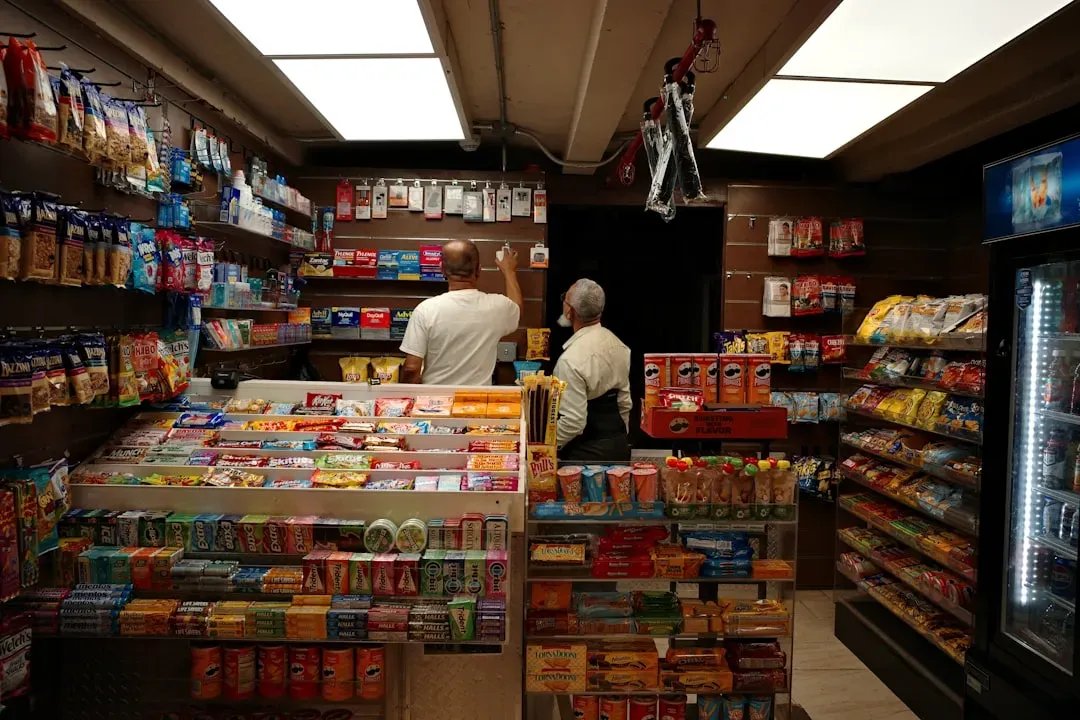
The stakes couldn’t be higher for neighborhood grocers. Up to 80 percent of Mario’s regulars rely on SNAP, with the store being busiest during the first half of each month. Mario’s Westside Market, a popular independent grocer, exemplifies how deeply SNAP is woven into Las Vegas retail operations.
Half of the store’s income is typically from SNAP purchases at some local markets. When federal shutdowns threatened SNAP funding in late 2025, store owners had to cut back on labor to try to get through the crisis. Restrictions on high margin items like soda could hit revenues even harder.
Point of Sale Technology Creates Massive Headaches
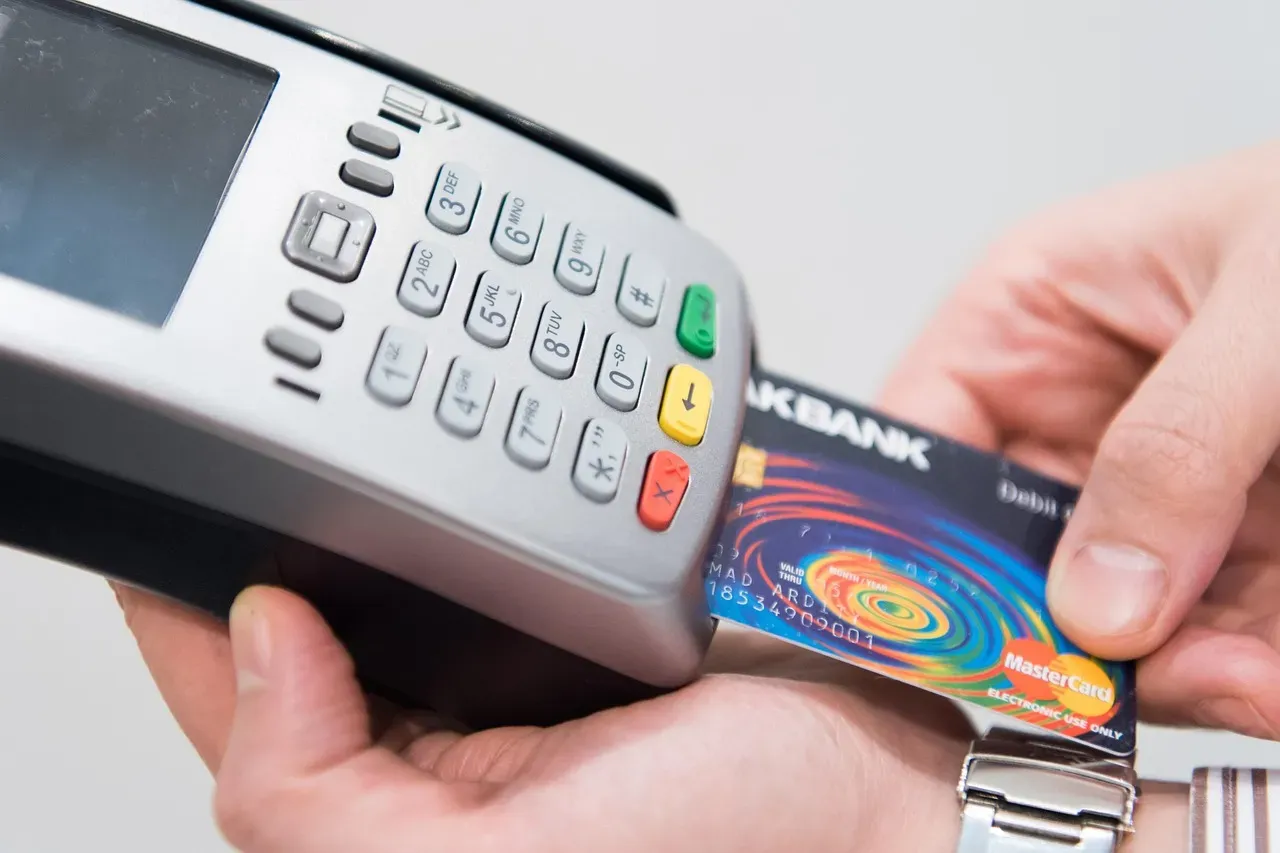
Large chains like Walmart can afford sophisticated system overhauls. Small Vegas stores? Not so much. Between 10,000 and 20,000 items could be restricted per state at a minimum, and retailers will need to sift through their products, figure out which ones apply, and then flag those in their point-of-sale systems to ensure they can’t be purchased using SNAP dollars.
Key cost drivers include technology updates, software and point-of-sale system upgrades, as well as the labor required to comply with new stocking, replenishment, and labeling requirements, with effects especially severe for smaller stores. Each time Nevada updates its definitions or adds new restricted items, stores must repeat the whole expensive process.
The Enforcement Problem Stores Must Navigate
Getting it wrong carries serious consequences. On your first strike, you get 30 days to correct violations, but on your second strike, you lose your SNAP license, which would be a big hit both to stores which often rely on SNAP revenue and to people in their communities who use benefits to buy groceries.
Existing SNAP authorized retailers that are required to comply will have a 90-day grace period, recognizing the significant challenges associated with implementation and allowing a reasonable period to identify and address issues before being subject to investigation. Ninety days isn’t much time when you’re juggling thousands of products and vague definitions.
How SNAP Spending Actually Breaks Down

Understanding the data helps explain why policymakers targeted these specific items. Agency data shows that 20% of all SNAP spending goes toward sweetened beverages, desserts, salty snacks, and candy. That works out to billions of dollars annually nationwide.
Soda is the most popular item purchased with SNAP benefits according to the USDA’s own data, and in total, sugary drinks, candies, packaged desserts, and salty snacks make up about 23% of the items purchased on SNAP every month. Retailers understand why restrictions target these categories, even if implementation proves nightmarish.
What Happens When Customers Hit Restrictions at Checkout
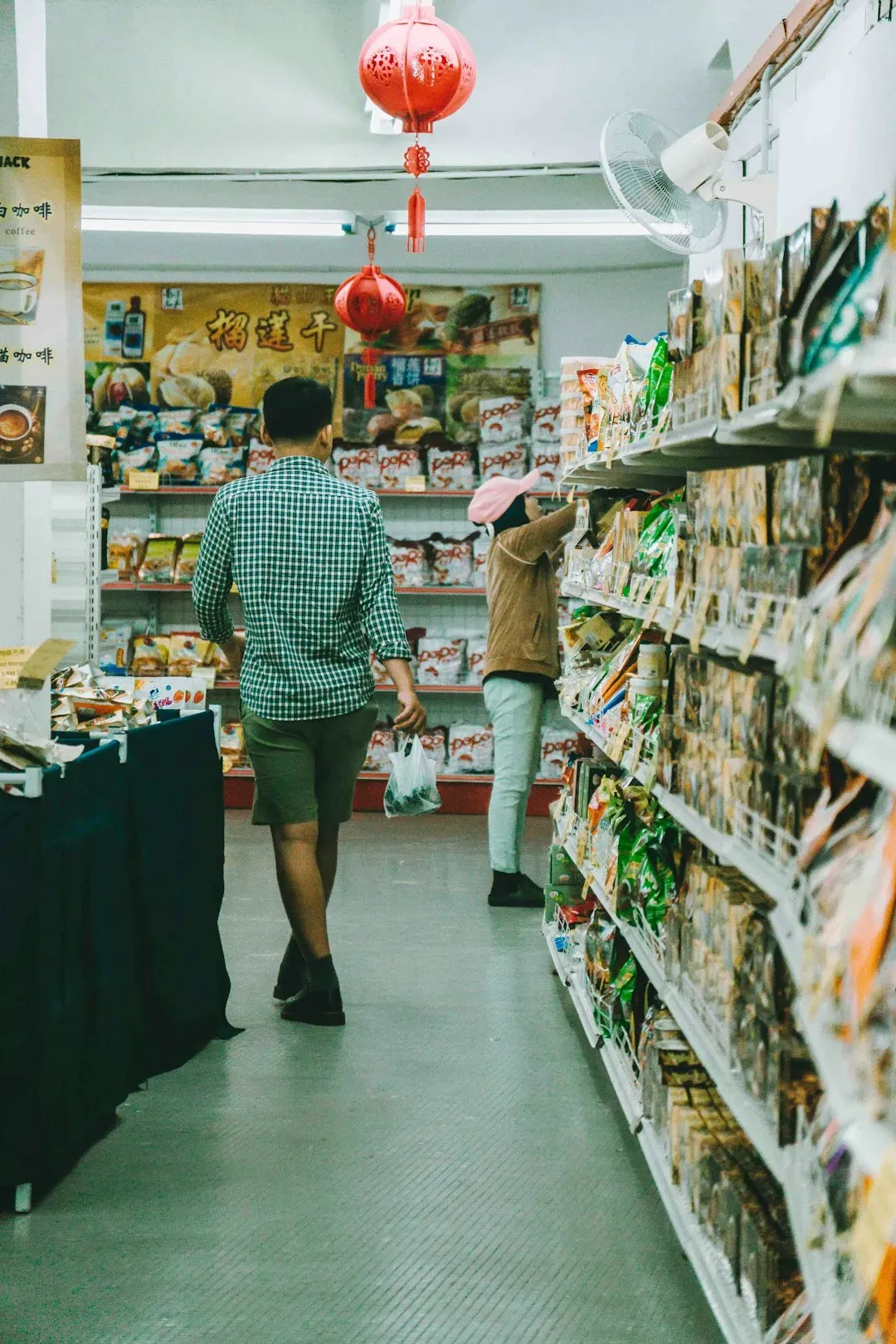
Picture this scenario playing out at Vegas registers starting in 2028. After the deadline, stores will need to flag restricted items at checkout, and if you try to buy something banned, you’ll see an item not allowed message and need to pay with cash or a different card. Lines slow down. Frustration builds.
The National Retail Federation predicted longer checkout lines and more customer complaints as SNAP recipients learn which foods are affected by the new waivers. For stores already struggling with tight profit margins and labor shortages, operational disruptions could prove devastating. Every delayed transaction costs money and tests customer patience in ways that could drive shoppers to competitors.
Retailers across Las Vegas are watching developments closely as 2028 approaches. They’re talking with state officials, attending industry meetings, and trying to prepare for a future where food assistance comes with far more strings attached. Whether those preparations prove adequate remains to be seen. The only certainty is that checkout counters in Vegas will never quite look the same again.