Picture this: you’re rushing through McCarran International Airport, juggling a carry-on and phone, when hunger strikes. What do you grab? Probably a sandwich. Later, you’re at a fancy steakhouse on the Strip, and what does the waiter bring for the table? An artisanal sandwich appetizer. The sandwich has infiltrated every corner of our lives, from gas stations to Michelin-starred restaurants, and honestly, we barely even notice it anymore.
It’s wild to think about how one simple concept became humanity’s default meal. The sandwich doesn’t demand utensils, doesn’t require a table, and somehow manages to feel appropriate at both a picnic and a business lunch. But how did two pieces of bread with stuff in the middle become the most democratic food on Earth? Let’s dive in.
The Gambler Who Changed Everything

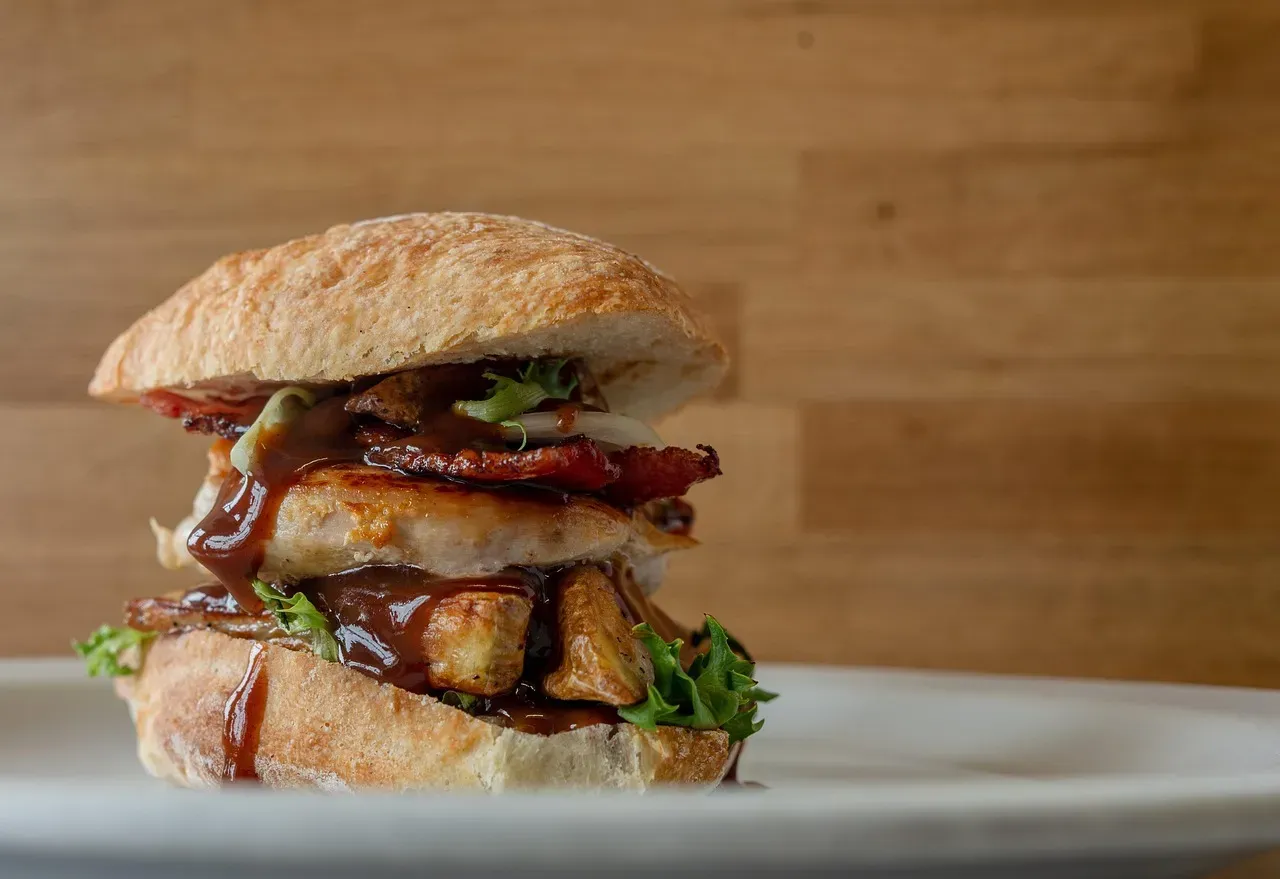
The origin story is almost too perfect. John Montagu, the Fourth Earl of Sandwich, was reportedly so absorbed in a gambling session back in 1762 that he refused to leave the table for a proper meal. Instead, he ordered his servants to bring him meat tucked between two slices of bread. He could eat without getting grease on his cards, and boom – culinary history was made.
Of course, people had been eating bread with stuff on it for centuries before this British aristocrat made it trendy. Ancient Jews ate matzo with herbs during Passover. Medieval Europeans snacked on bread trenchers topped with meat. The earl didn’t invent the concept; he just gave it a name that stuck.
What’s fascinating is how quickly the idea spread. Within decades, sandwiches appeared in cookbooks across Europe. The name itself became shorthand for convenience, portability, and practicality. It’s hard to say for sure, but the gambling story probably helped – people love a good tale about aristocratic laziness accidentally creating something brilliant.
America’s Love Affair With Layers

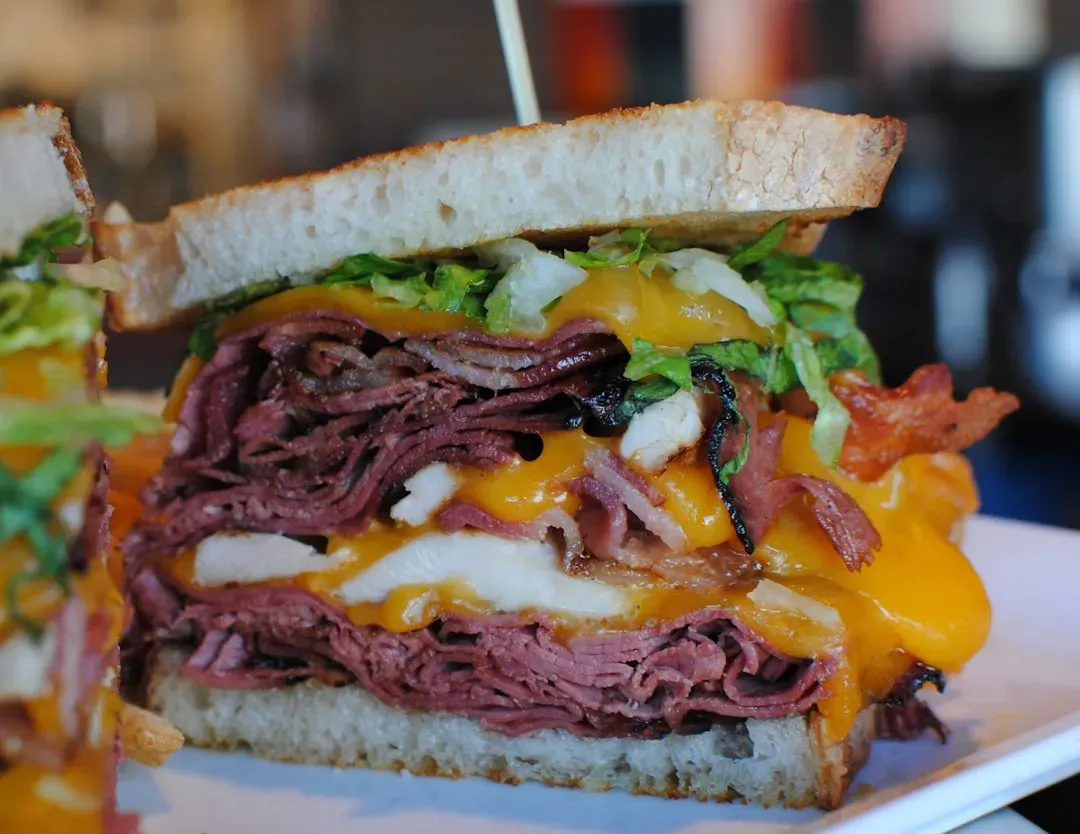
The United States took the sandwich concept and ran with it like nowhere else. By the late 1800s, American cookbooks featured dozens of sandwich varieties. The country’s emphasis on speed, efficiency, and on-the-go eating made sandwiches the perfect match for the American lifestyle.
Diners and delis became sandwich laboratories. The Reuben emerged from Omaha or New York, depending on who you ask. The club sandwich appeared in gambling houses and country clubs. The BLT became a diner staple. Each region developed its own signature style, from New Orleans’ po’ boys to Philadelphia’s cheesesteaks.
Here’s the thing: sandwiches allowed for endless customization. You could make them fancy or simple, hot or cold, meat-based or vegetarian. They adapted to whatever ingredients were available and whatever tastes people preferred. That flexibility turned them into the ultimate democratic meal.
The Lunch Box Revolution

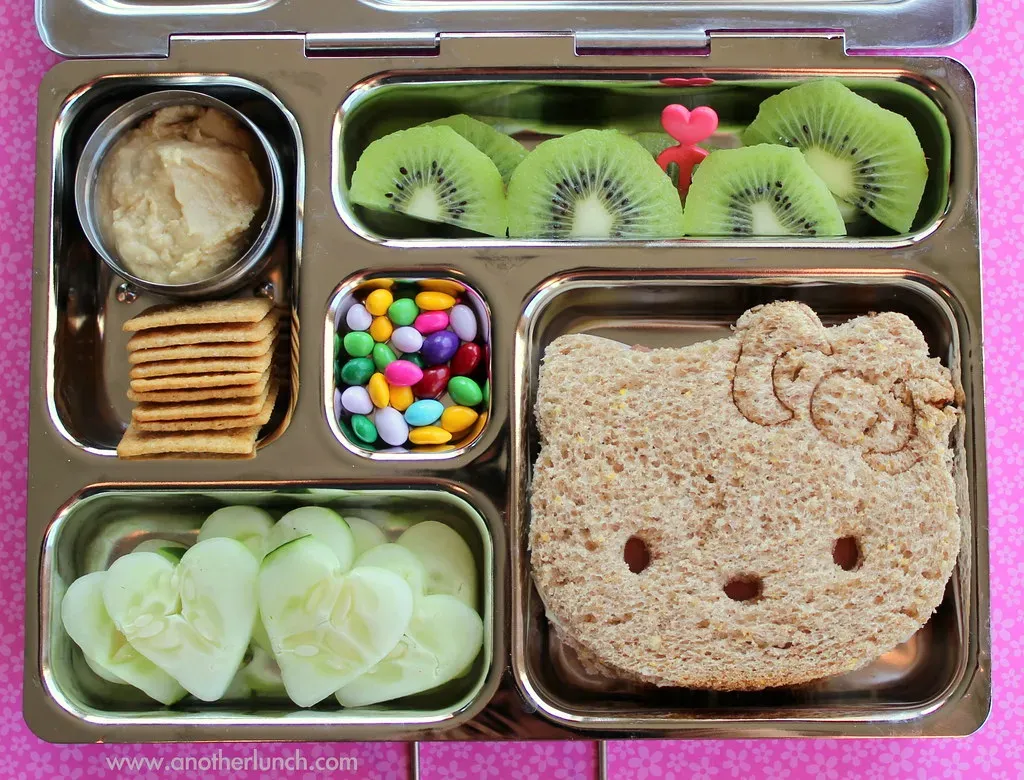
When industrialization pulled workers into factories and kids into schools, the sandwich became essential survival gear. Packed lunches needed to be portable, cheap, and able to sit in a tin box for hours without spoiling. The sandwich checked every box.
Peanut butter and jelly became the default childhood currency. Ham and cheese sustained office workers. Tuna salad filled millions of brown paper bags. The sandwich didn’t just feed people – it shaped daily routines and social structures around work and education.
By the mid-1900s, roughly about half of American lunches featured sandwiches in some form. They were so ubiquitous that people stopped thinking of them as a specific food choice and more as just “lunch.” The sandwich had achieved something remarkable: it became invisible through sheer familiarity.
Fast Food’s Secret Weapon

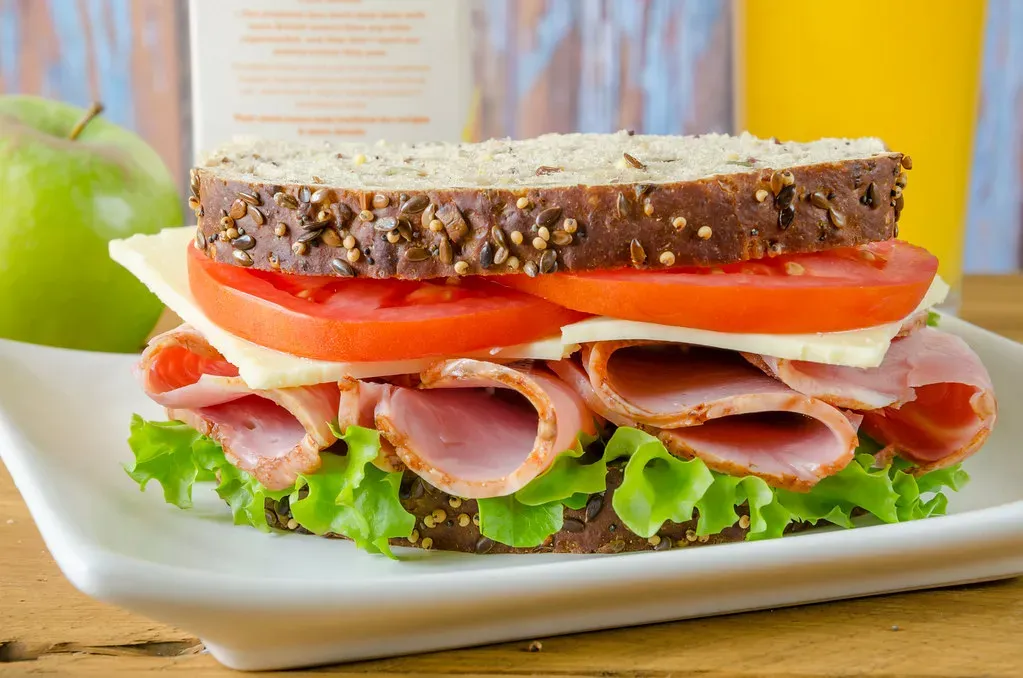
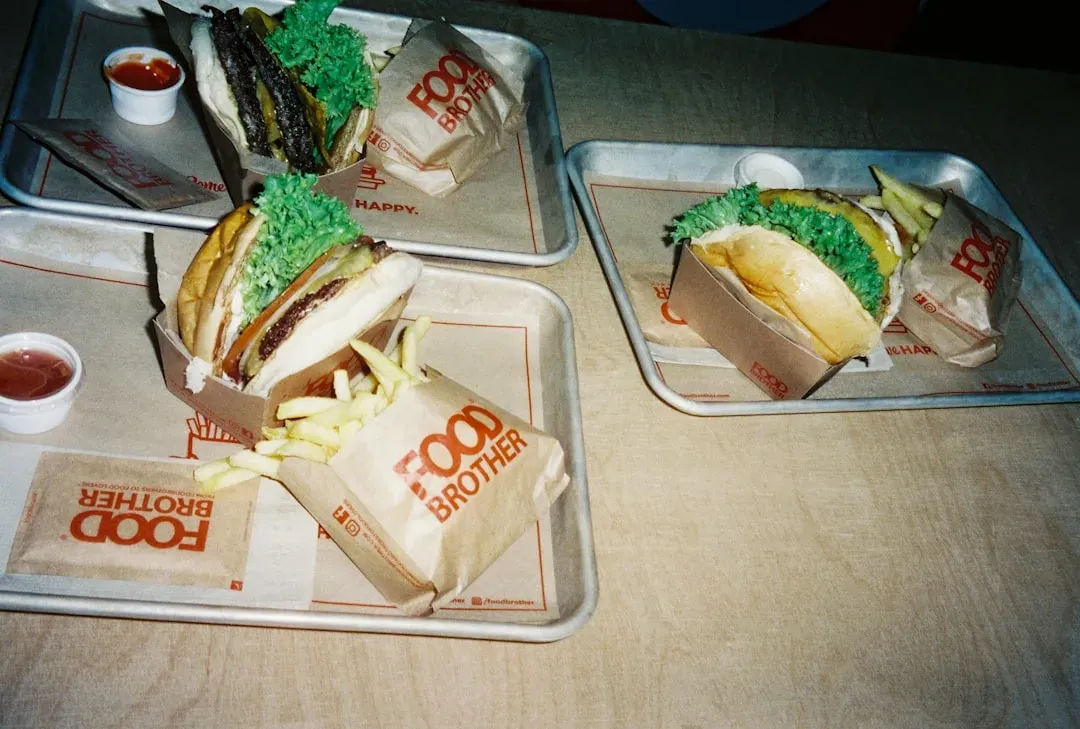
McDonald’s didn’t build an empire on burgers by accident. The hamburger is just a sandwich in disguise, and that format proved perfect for mass production and standardization. You could assemble it quickly, wrap it efficiently, and hand it through a car window without mess.
Fast food chains recognized something crucial about sandwiches: they’re infinitely scalable. Whether you’re making one or one million, the process stays basically the same. Stack ingredients, wrap, serve. This simplicity enabled the rapid expansion of chains like Subway, which literally made “sandwich artist” a job title.
The format also made quality control easier. Each component could be prepped separately, stored safely, and assembled on demand. The sandwich became the vehicle for industrializing home cooking, for better or worse. Love it or hate it, fast food changed how billions of people eat daily.
Cultural Passport to Every Cuisine

Vietnamese banh mi. Mexican tortas. Middle Eastern shawarma wraps. Turkish döner kebabs. Japanese katsu sandos. The sandwich framework proved so versatile that virtually every food culture on Earth adapted it to showcase their own flavors and ingredients.
This is where the sandwich reveals its true genius. It’s not actually about the bread – it’s about creating a handheld delivery system for whatever tastes and textures matter to you. The bread is just architecture, supporting whatever cultural story you want to tell.
In Las Vegas, you can grab a breakfast sandwich at a 24-hour casino café, a Cuban sandwich for lunch in a strip mall, and a lobster roll for dinner at a high-end buffet. Each one represents a different tradition, but they all use the same basic blueprint. The sandwich became humanity’s most effective vehicle for sharing food culture.
The Gourmet Makeover

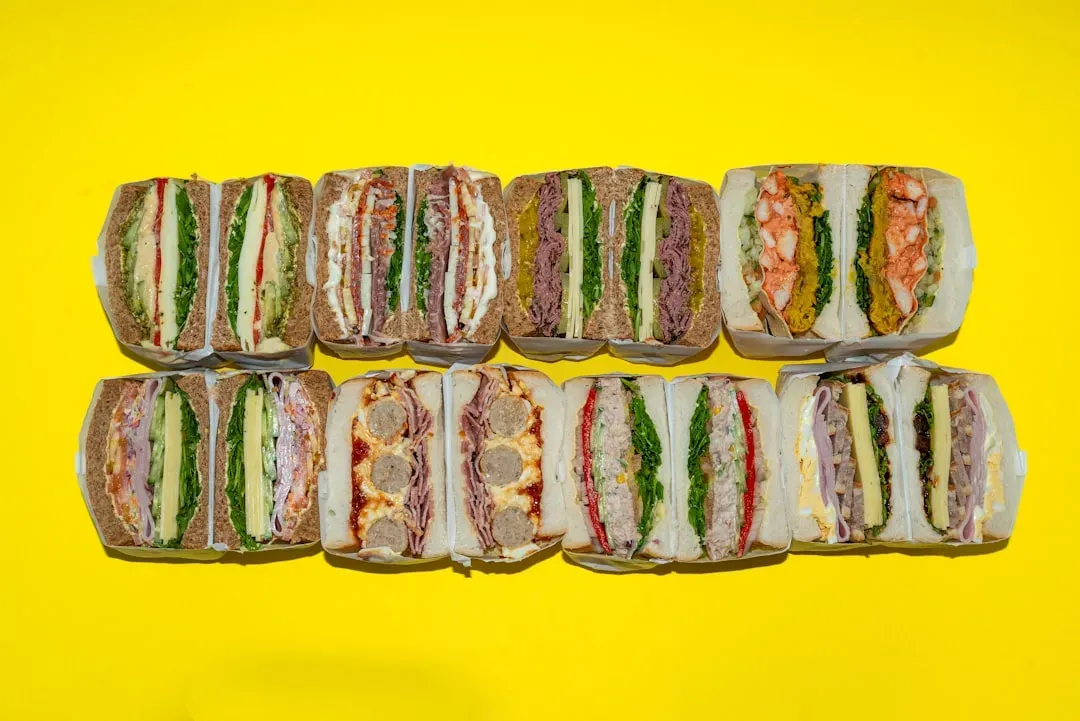
For decades, sandwiches occupied the cheap and casual end of the food spectrum. Then something shifted. High-end restaurants started featuring $30 sandwiches with house-cured meats, artisanal bread, and fancy condiments. Food critics began reviewing sandwich shops with the same seriousness previously reserved for fine dining.
This transformation happened because chefs realized sandwiches could showcase skill and creativity just as effectively as plated dishes. A perfectly balanced banh mi requires as much thought about flavor, texture, and composition as any composed entrée. The sandwich format doesn’t limit ambition – it just changes the presentation.
Now you’ll find sandwiches at every price point and prestige level. A gas station offering shrink-wrapped ham and cheese sits two blocks from a boutique shop charging fifteen bucks for a caprese on focaccia. Both are technically sandwiches, but they serve completely different purposes and audiences.
The Health Food Paradox

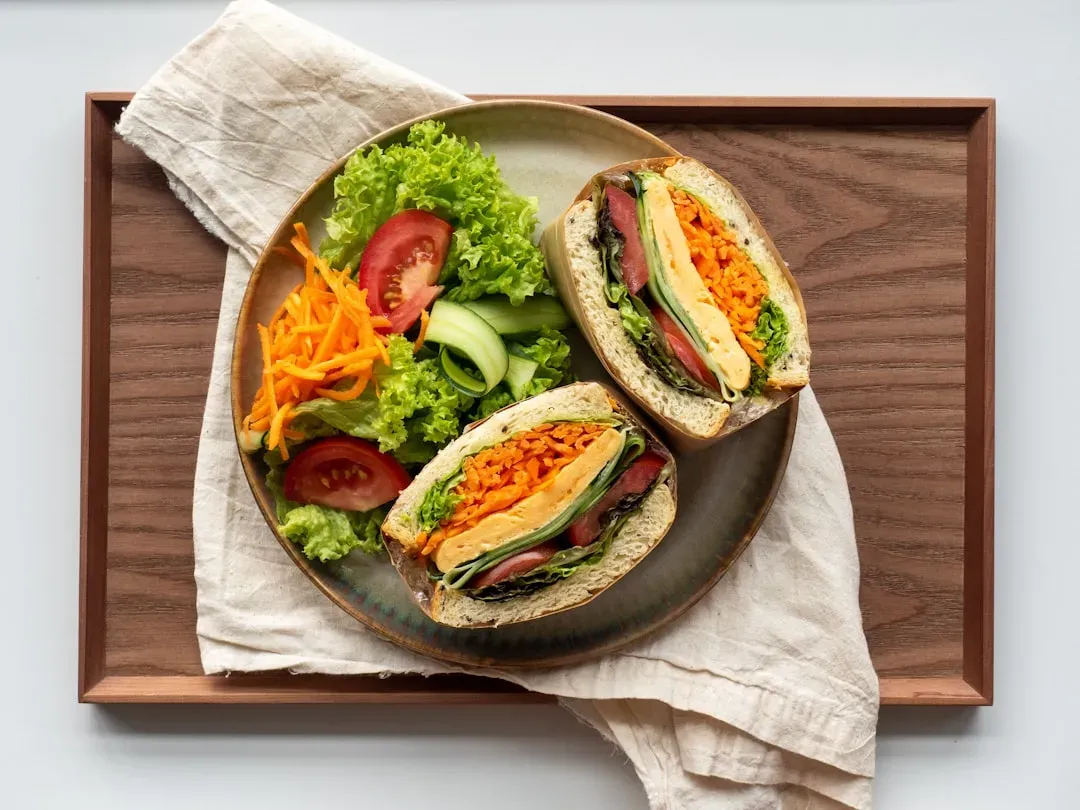
Sandwiches occupy a weird space in nutrition debates. They can be incredibly healthy – whole grain bread, lean protein, vegetables – or nutritional disasters packed with processed meats, cheese, and mayo. The format itself is neutral; it’s what you put inside that matters.
This flexibility cuts both ways. Sandwiches enabled the rise of healthy eating movements focused on whole foods and fresh ingredients. But they also facilitated the proliferation of highly processed, calorie-dense fast food. The same basic structure serves salads on bread and deep-fried chicken between white buns.
Let’s be real, most people’s relationship with sandwiches involves some mental gymnastics about health. We tell ourselves the turkey sandwich is virtuous while conveniently ignoring the mayo and chips. The sandwich makes it easy to lie to ourselves about what we’re actually eating.
Office Culture’s Edible Compromise


Business lunches, working meals, and office catering almost always feature sandwiches. They’re safe, predictable, and unlikely to offend anyone’s dietary restrictions or cultural preferences. The sandwich became the corporate world’s default food precisely because it’s so adaptable and inoffensive.
Think about it – when was the last office meeting that didn’t have sandwich platters? They’re easy to eat during presentations, don’t require plates and forks, and can accommodate vegetarians, meat-eaters, and everyone in between. The sandwich solved the logistical nightmare of feeding diverse groups in professional settings.
This ubiquity has a downside. The phrase “sad desk lunch” almost always conjures an image of someone eating a mediocre sandwich alone in a cubicle. The sandwich’s convenience made it complicit in the erosion of lunch breaks and the rise of eating while working.
The Meal That Never Gets Old

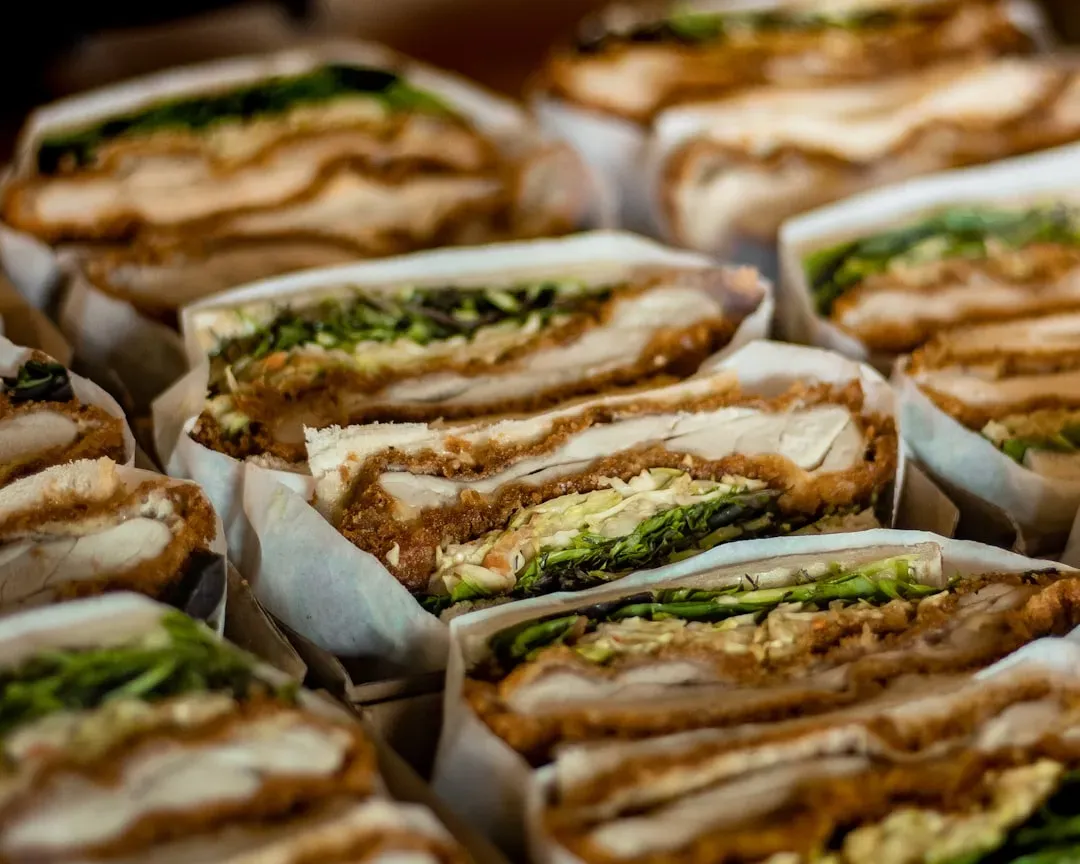
You could eat sandwiches every day for a year and never have the same one twice. That variety stems from the format’s openness to interpretation. Unlike pizza or tacos, which have certain expected elements, sandwiches can incorporate literally anything edible between bread.
This endless variety prevents boredom and keeps sandwiches relevant across changing tastes and trends. When people get tired of one style, they just invent a new one. The format itself never gets stale because it’s constantly reinvented.
The sandwich achieved something remarkable in food history: it became simultaneously traditional and innovative, comforting and exciting, everyday and special. That paradox explains its staying power better than any single feature or advantage.