Art isn’t just about pretty pictures hanging in museums. It’s about challenging what we think we know, pushing boundaries until they break, and making us see the world through a completely different lens. Throughout history, certain artists didn’t just create beautiful work. They fundamentally changed how we understand art itself, and in doing so, they shifted culture, politics, and society in ways that still echo today.
Some of these names you’ll recognize instantly. Others might surprise you. But each one took massive risks, faced ridicule, and persisted anyway. Their courage didn’t just earn them a place in art history books. It transformed what art could be and what it could do. Let’s dive into the stories of the artists who literally changed everything.
Pablo Picasso: The Man Who Shattered Reality
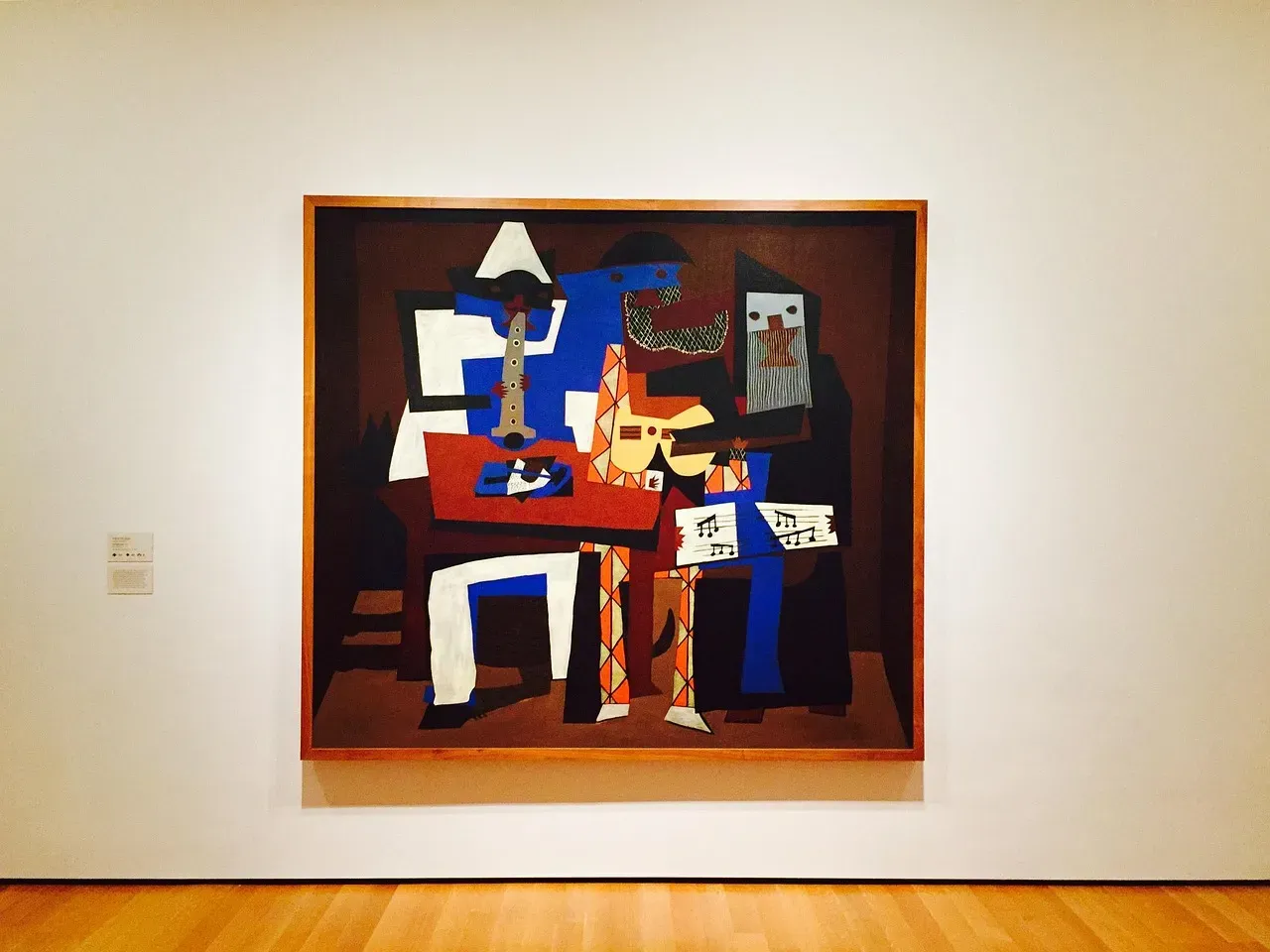
When Picasso unveiled “Les Demoiselles d’Avignon” in 1907, even his closest friends thought he’d lost his mind. The painting showed fragmented, angular faces that seemed to look at you from multiple angles at once. It was jarring, uncomfortable, and completely revolutionary. This marked the birth of Cubism, a movement that rejected the idea that paintings had to look realistic.
Picasso didn’t just paint differently. He fundamentally questioned what painting should be. Why should a face only be shown from one angle when we experience people from many perspectives? His radical approach influenced everything from graphic design to architecture. The way we think about visual representation today owes an enormous debt to his willingness to break every rule.
His prolific career spanned nearly eight decades, during which he produced an estimated fifty thousand artworks. That’s not just productivity. That’s obsession, dedication, and an endless hunger to push boundaries.
Frida Kahlo: Pain as Power
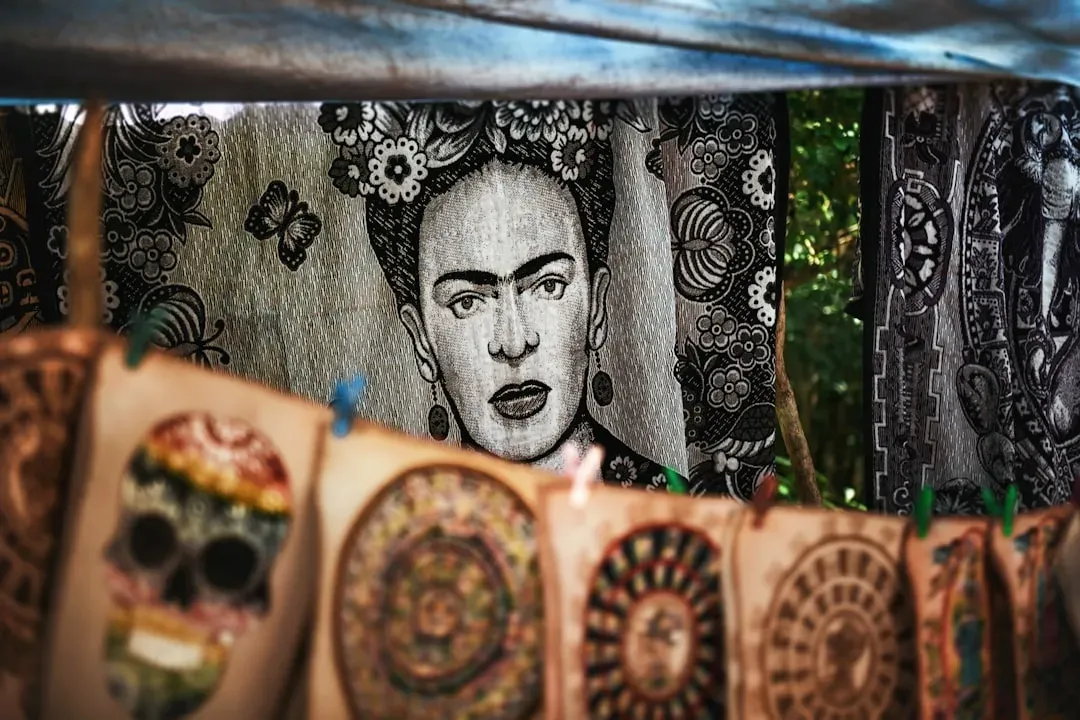
Frida Kahlo turned her immense personal suffering into art that spoke to millions. After a devastating bus accident at eighteen left her with lifelong pain and dozens of surgeries, she began painting self-portraits that were raw, honest, and unflinchingly personal. Her work explored identity, pain, disability, and Mexican culture with an intensity that was almost uncomfortable to witness.
What made Kahlo revolutionary wasn’t just her distinctive style blending surrealism with folk art. It was her courage to make herself the subject, flaws and all. She painted her unibrow, her facial hair, her suffering. At a time when women artists struggled for recognition, she made deeply personal, female-centered art that refused to apologize for existing.
Her impact extends far beyond the art world. She became an icon for feminism, disability rights, and LGBTQ communities. Kahlo showed that vulnerability could be strength, and that telling your own story mattered more than fitting into someone else’s expectations.
Jackson Pollock: Chaos on Canvas
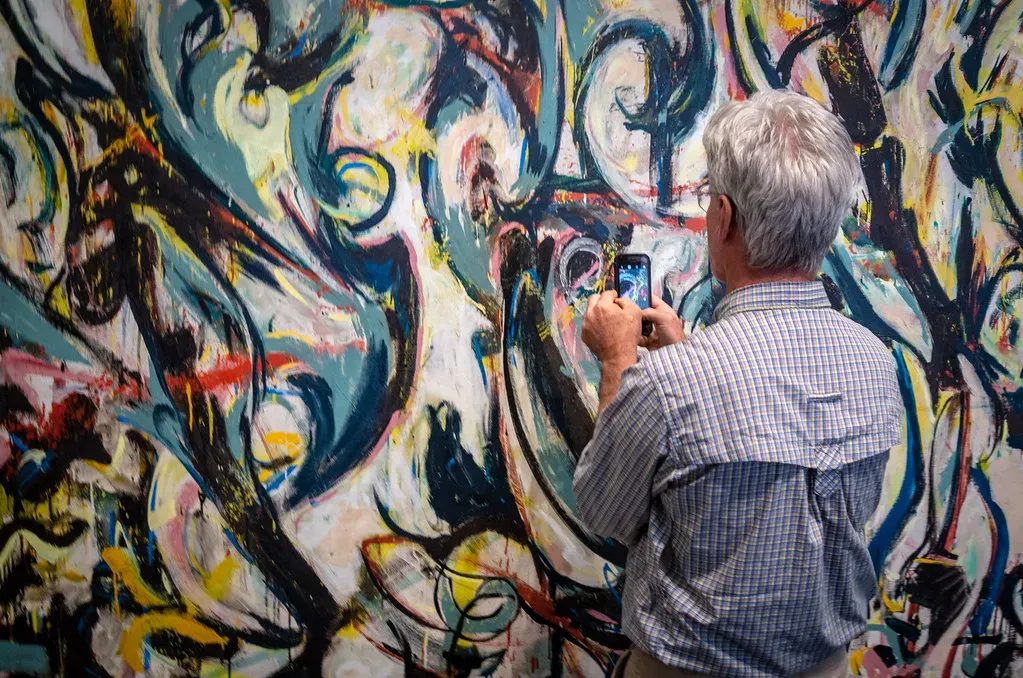
Imagine walking into a gallery in 1947 and seeing paint literally dripped and splattered across a massive canvas lying on the floor. No recognizable images. No traditional composition. Just pure, kinetic energy frozen in time. People thought it was a joke, that a child could do it, that it wasn’t real art.
Pollock’s drip paintings were revolutionary precisely because they abandoned representation entirely. He wasn’t trying to paint something. He was trying to capture action, movement, and emotion in their purest forms. His technique turned the act of painting itself into the subject.
Critics initially dismissed him as a fraud. But his work sparked Abstract Expressionism, a movement that put American art on the global map for the first time. Pollock proved that art didn’t need to depict anything to be meaningful. It just needed to make you feel something.
Andy Warhol: When Commerce Became Art
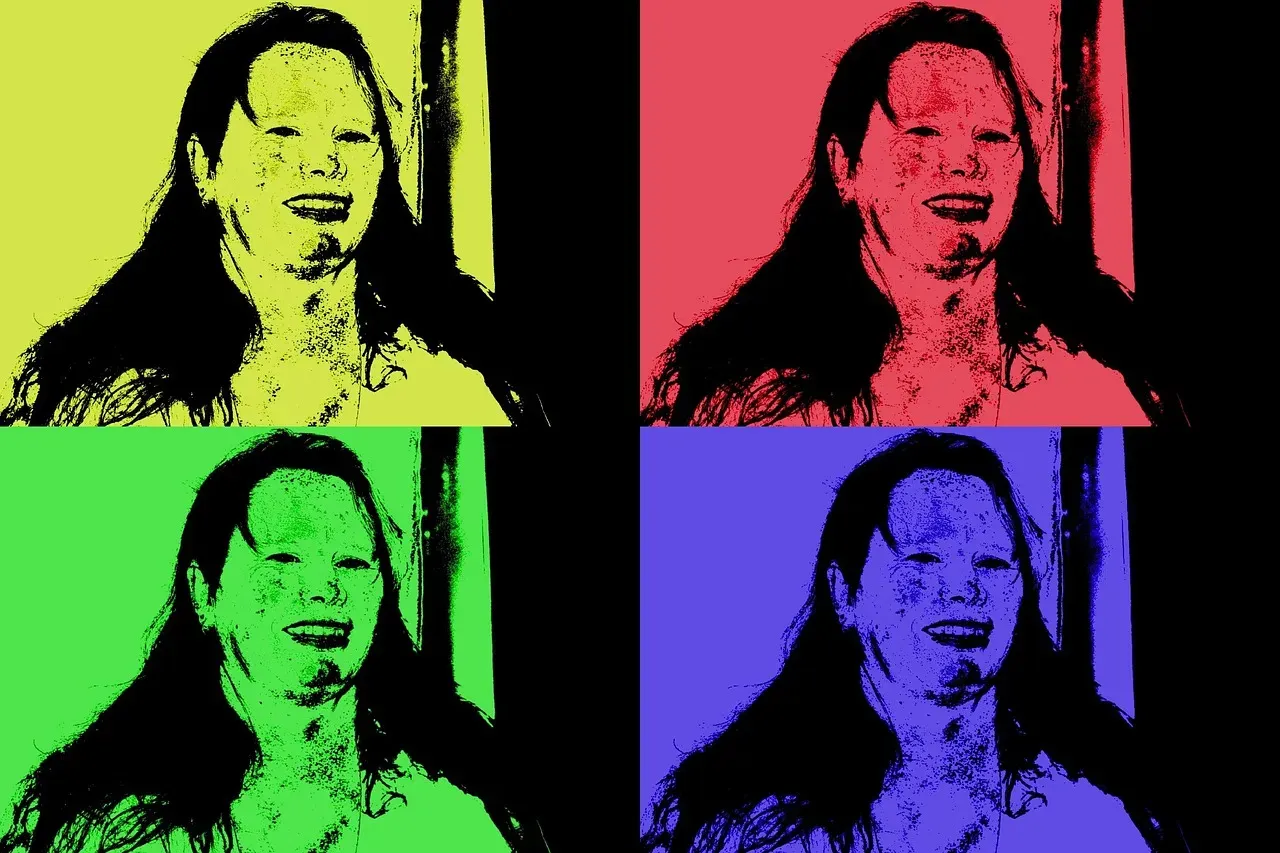
Warhol took soup cans and transformed them into high art. He silk-screened celebrity photographs and called it genius. He literally created a studio called “The Factory” and mass-produced artwork. The art establishment was horrified. This wasn’t supposed to be how art worked.
But that was exactly the point. Warhol blurred the lines between high and low culture, between art and advertising, between the unique and the reproduced. His Pop Art movement reflected the consumer culture emerging in postwar America. He argued that Campbell’s soup and Marilyn Monroe were as worthy of artistic treatment as religious icons or classical subjects.
His influence is everywhere now. From graphic design to social media, from branding to celebrity culture, Warhol’s ideas about image, repetition, and fame shape how we understand modern visual culture. He predicted that everyone would be famous for fifteen minutes. Looking at today’s internet culture, he wasn’t far off.
Yayoi Kusama: Infinity and Obsession
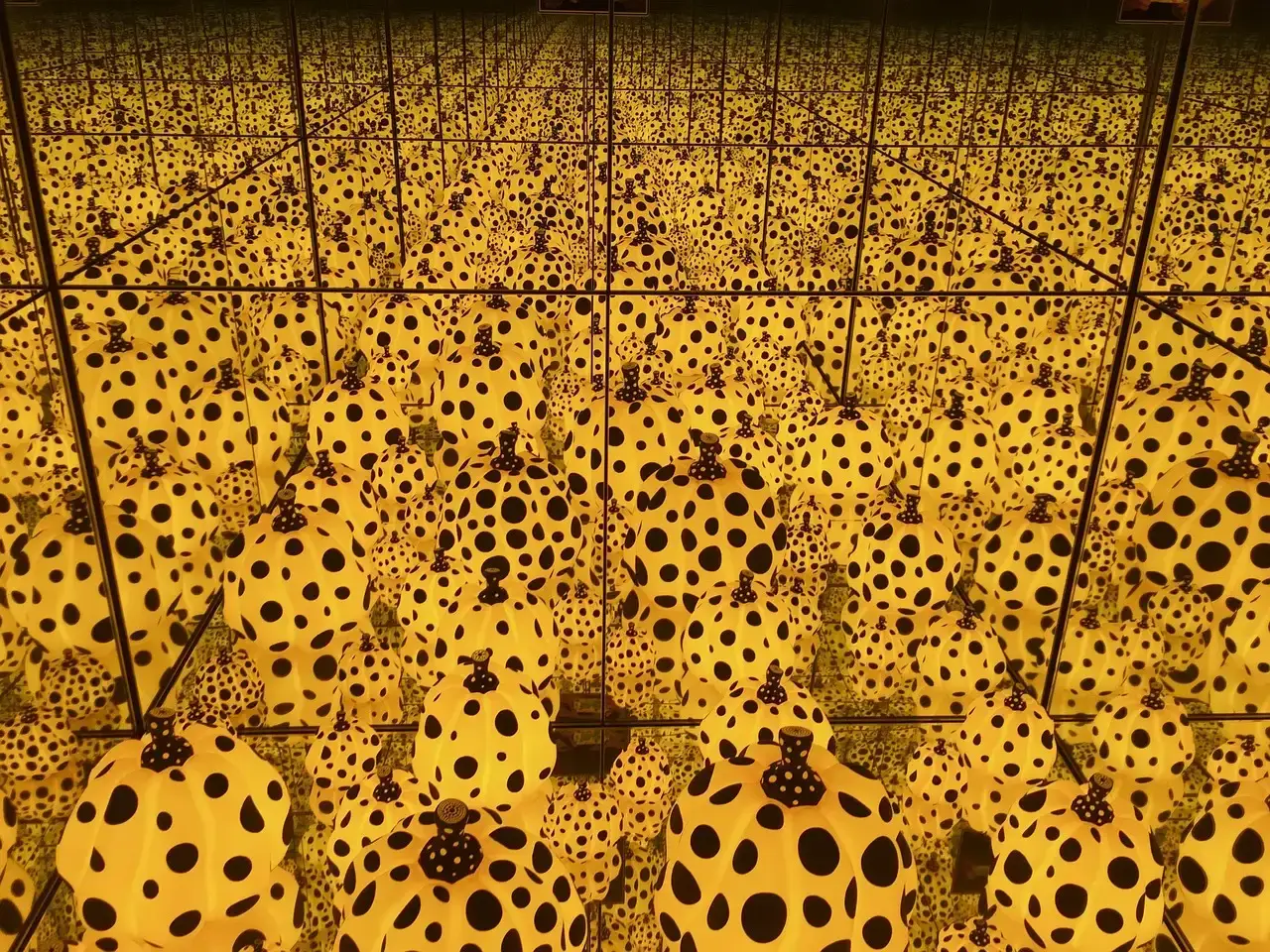
Kusama has been creating art about infinity, polka dots, and vast cosmic spaces since the 1950s. Her immersive installations, particularly her “Infinity Mirror Rooms,” create spaces where viewers lose themselves in endless reflections. These works have become social media sensations, with people waiting hours for a thirty-second experience inside these kaleidoscopic chambers.
What many don’t realize is that Kusama’s art stems from mental illness. She experiences visual and auditory hallucinations and has lived voluntarily in a psychiatric institution since the 1970s. Her art is how she processes and copes with these experiences. Those polka dots that seem whimsical? They represent the hallucinations that have haunted her since childhood.
Kusama redefined what art could be by making it experiential and immersive. Her work isn’t just something you look at. It’s something you enter, something that surrounds and transforms you. She turned personal trauma into universal wonder, and in doing so, created some of the most popular contemporary art experiences in the world.
Banksy: The Streets as Gallery
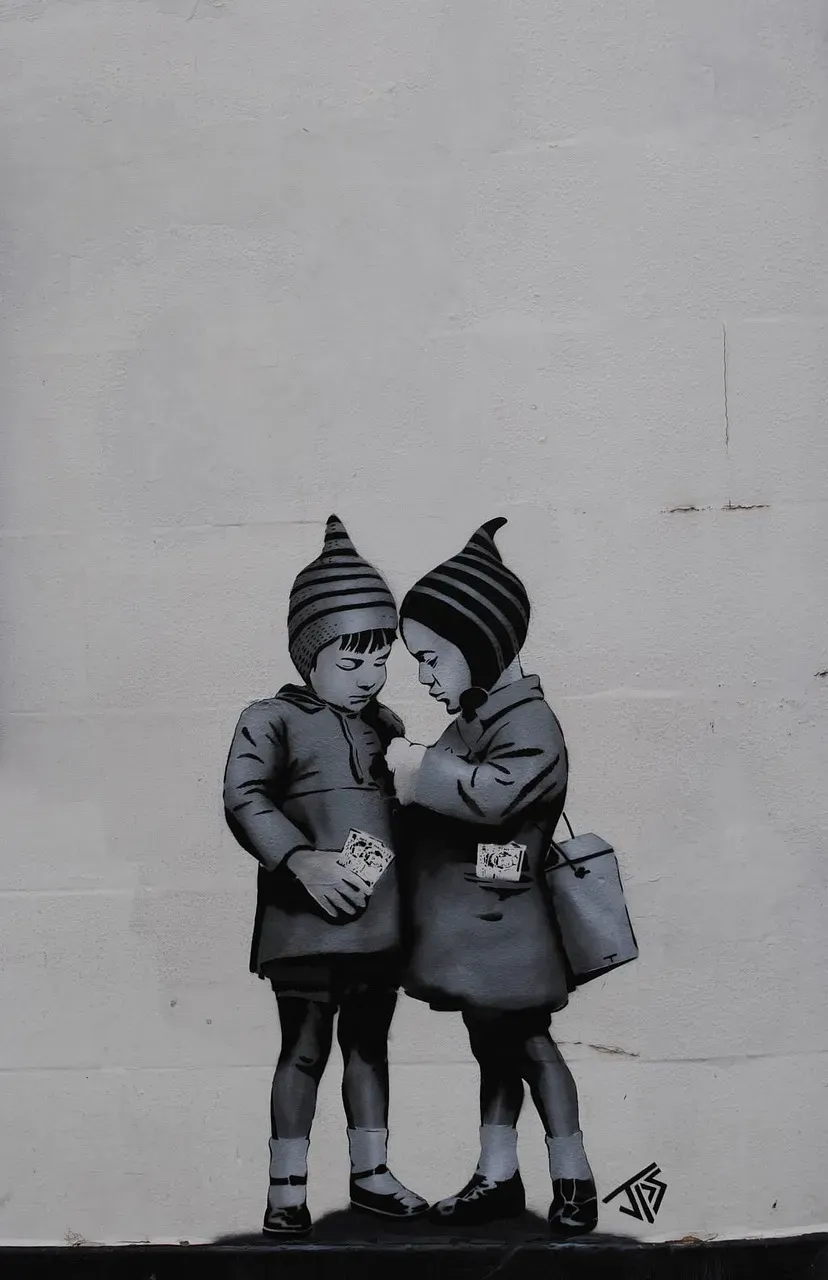
Nobody knows who Banksy really is, and that anonymity is part of what makes this artist so revolutionary. Starting as a graffiti artist in Bristol, England, Banksy brought politically charged street art to global prominence. Stenciled rats, kissing policemen, and girl with balloons appeared on walls worldwide, delivering sharp social commentary that anyone could see for free.
Banksy challenged fundamental assumptions about art. Who says art belongs in galleries? Who decides what counts as vandalism versus valuable artwork? When Banksy’s painting self-destructed after selling at auction for over a million dollars, it raised questions about art’s relationship with money and institutions.
The artist’s work addresses war, capitalism, surveillance, and social issues with wit and accessibility. By taking art out of elite spaces and putting it where anyone could encounter it, Banksy democratized art in ways that traditional institutions never could. Street art is now recognized as legitimate artistic expression, and Banksy’s influence in making that happen cannot be overstated.
Vincent van Gogh: Beauty in Madness
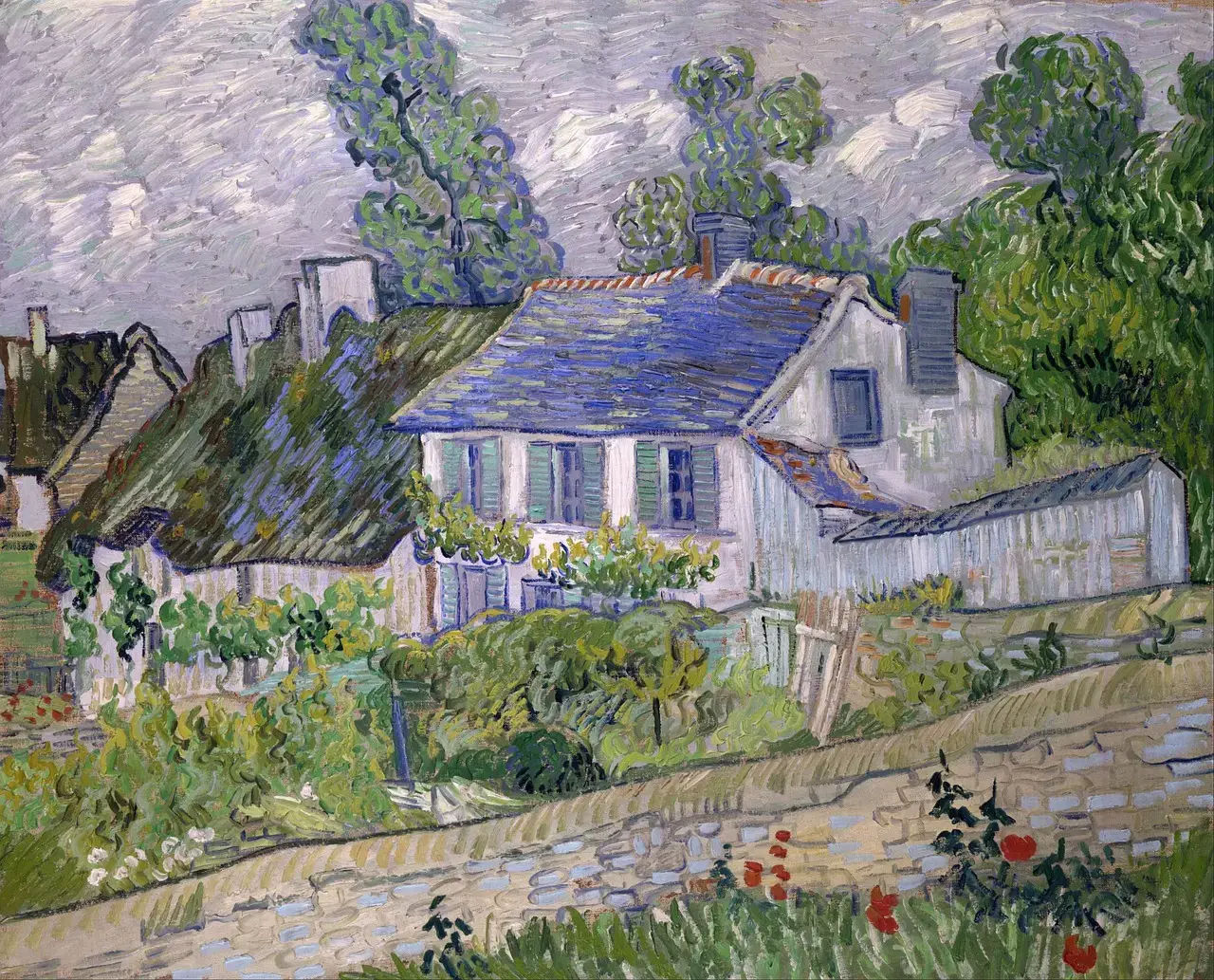
Van Gogh sold exactly one painting during his lifetime. He struggled with mental illness, poverty, and rejection. He cut off part of his own ear during a psychotic episode. Yet today, his “Starry Night” is one of the most recognized images in the world, and his paintings sell for over a hundred million dollars.
His thick, expressive brushstrokes and intense colors were considered crude and unskilled by his contemporaries. But van Gogh wasn’t trying to paint reality exactly as it appeared. He wanted to capture the emotional truth of a scene, the feeling of a starry night or a field of wheat. His work showed that emotional intensity could be as valuable as technical precision.
Van Gogh’s tragic life and posthumous recognition raise uncomfortable questions about how we value art and artists. His story reminds us that groundbreaking work often isn’t recognized in its own time. It challenges us to look beyond convention and popularity when evaluating what matters.
The Legacy That Keeps Evolving
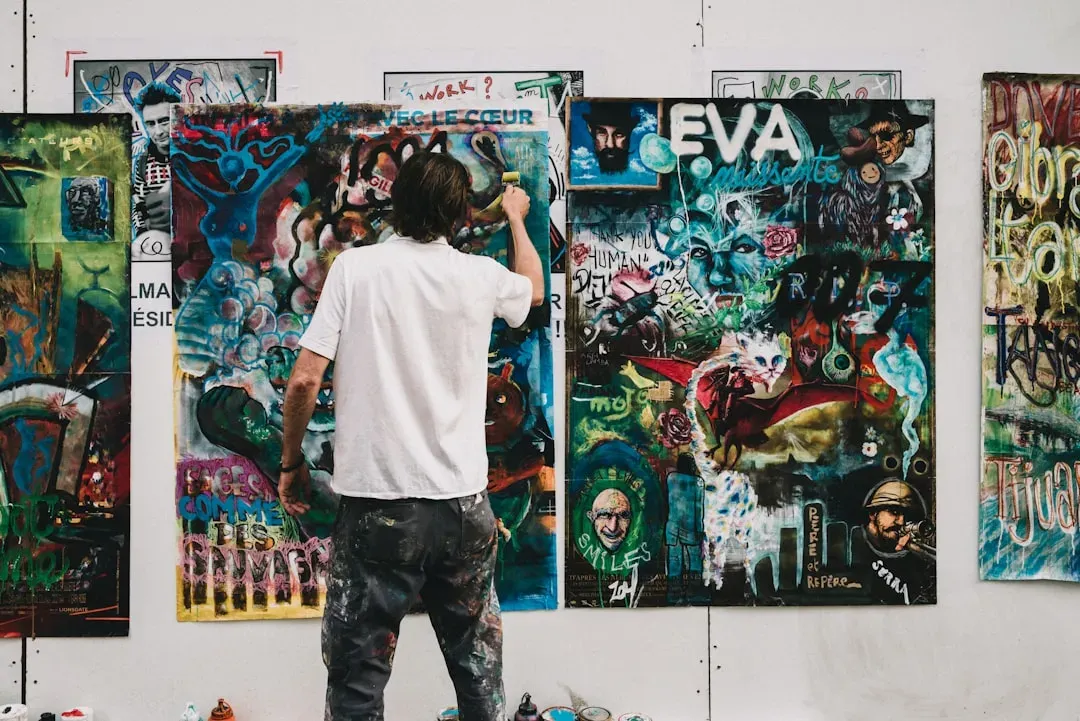
These artists didn’t just make beautiful or interesting work. They fundamentally altered how we think about art, creativity, and expression. They took risks that could have destroyed their careers. They faced ridicule, poverty, and rejection. But they persisted because they had something to say that couldn’t be said any other way.
What’s remarkable is how their influence extends far beyond art galleries and museums. Their ideas shape graphic design, advertising, fashion, architecture, and digital media. Every time you see a bold use of color, an unconventional composition, or art that makes you uncomfortable, you’re experiencing their legacy.
Art continues evolving, and new artists keep pushing boundaries in ways these pioneers might never have imagined. But the fundamental lesson remains the same. Real innovation requires courage, vision, and a willingness to be misunderstood. These artists changed the world not by following the rules, but by having the audacity to rewrite them entirely. What would they think of today’s art scene? It’s hard to say for sure, but they’d probably be thrilled that people are still arguing about what art can and should be.