The music festival industry has never felt quite so digital. Walk into any major festival today and you’re not just watching performers who topped the charts, you’re likely seeing artists who first captured hearts through fifteen-second clips on TikTok. It’s hard to ignore how much has changed in just a few years.
What started as a platform for viral dances and lip-syncing has become the most influential force in determining who headlines major stages. Festival bookers now scroll through TikTok trends with the same intensity they once reserved for radio play and album sales. The rules have been rewritten, honestly, and traditional paths to festival fame look almost quaint by comparison.
The Data Festival Organizers Can’t Ignore Anymore
Three-quarters of TikTok users discover new songs on the platform, making it the undisputed leader in music discovery. Let’s be real, that’s a staggering number when you consider how fragmented the media landscape has become. Even more compelling for festival promoters, U.S. TikTok users are 74% more likely to discover and share new music on social and short-form video platforms than the average short-form video user.
Here’s the thing that really matters for festivals: TikTok users are 68% more likely to pay for music subscriptions and they spend 48% more time streaming music than average listeners. These aren’t passive fans. They’re the kind of people who buy tickets, show up early, and stick around until the last act finishes.
Perhaps most telling of all, 84% of songs that entered the Billboard Global 200 in 2024 went viral on TikTok first. If you’re a festival programmer trying to predict which artists will draw crowds six months from now, that statistic alone tells you where to look.
From Viral Clip to Festival Stage
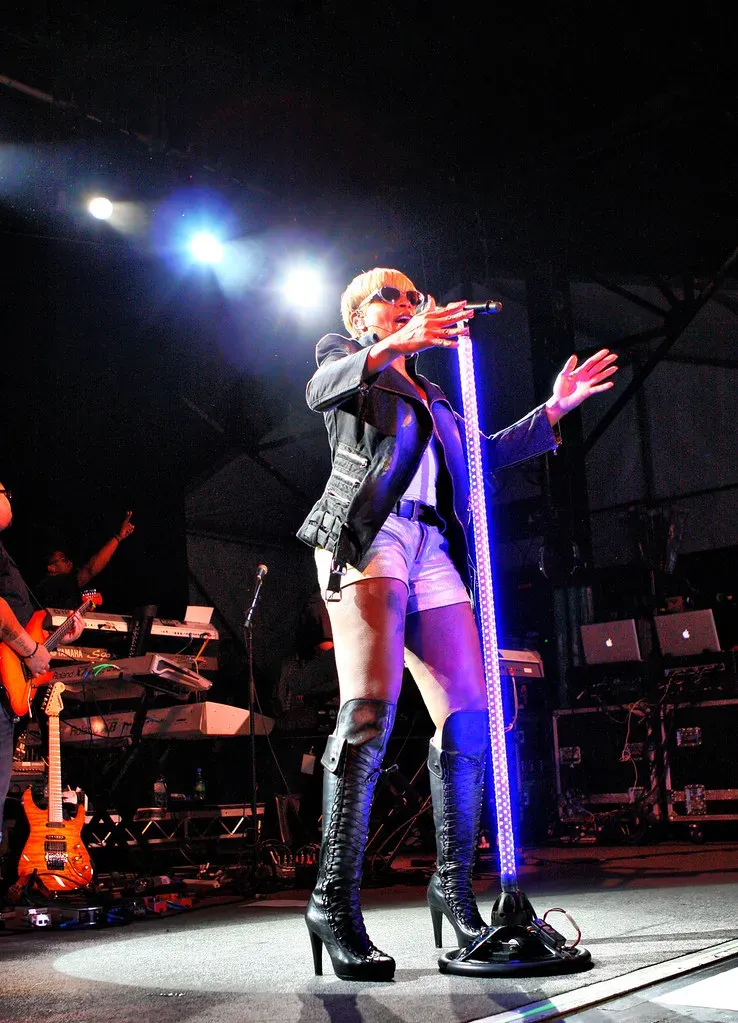
In 2025, TikTok has become a powerful springboard for many artists who are now headlining major music festivals, with artists like Charli XCX, a shining star with a massive TikTok following, headlining sold-out festivals. The trajectory isn’t accidental. Artists can cultivate substantial fanbases before ever setting foot on a festival stage, thanks to the platform’s vast reach.
I think what’s fascinating is how quickly this transformation happened. TikTok-Correlated Artists see an 11% week-over-week streaming growth rate compared to just 3% for other artists. That kind of momentum doesn’t go unnoticed by festival talent scouts who are constantly hunting for the next big draw.
The platform’s algorithmic recommendations shape which artists gain momentum online long before traditional chart success materializes. Festival programmers recognize this early-warning system and use it to book rising talent before their fees skyrocket.
When Electronic Music Takes Over
Posts tagged with #ElectronicMusic attracted more than 13 billion views in 2024, a 45% jump from the previous year. Electronic music has now overtaken indie music on TikTok for the first time in the app’s history, fundamentally altering the genre representation at festivals worldwide.
This shift isn’t just about numbers. Techno and house are among the most popular sub-genres within the hashtag, with TikTok claiming that the popularity of acts such as Disclosure and Joel Corry is driving the genre’s growth. EDM lineups at major festivals have expanded accordingly, with bookers recognizing that electronic acts now command massive TikTok engagement.
Listenership for electronic music across key markets such as the UK and Germany was up by 15% in 2024, with roughly 566 million new electronic music fans added across major platforms including TikTok. Festival organizers who once relegated electronic acts to smaller stages now recognize them as headliner material.
The Revival of Forgotten Tracks
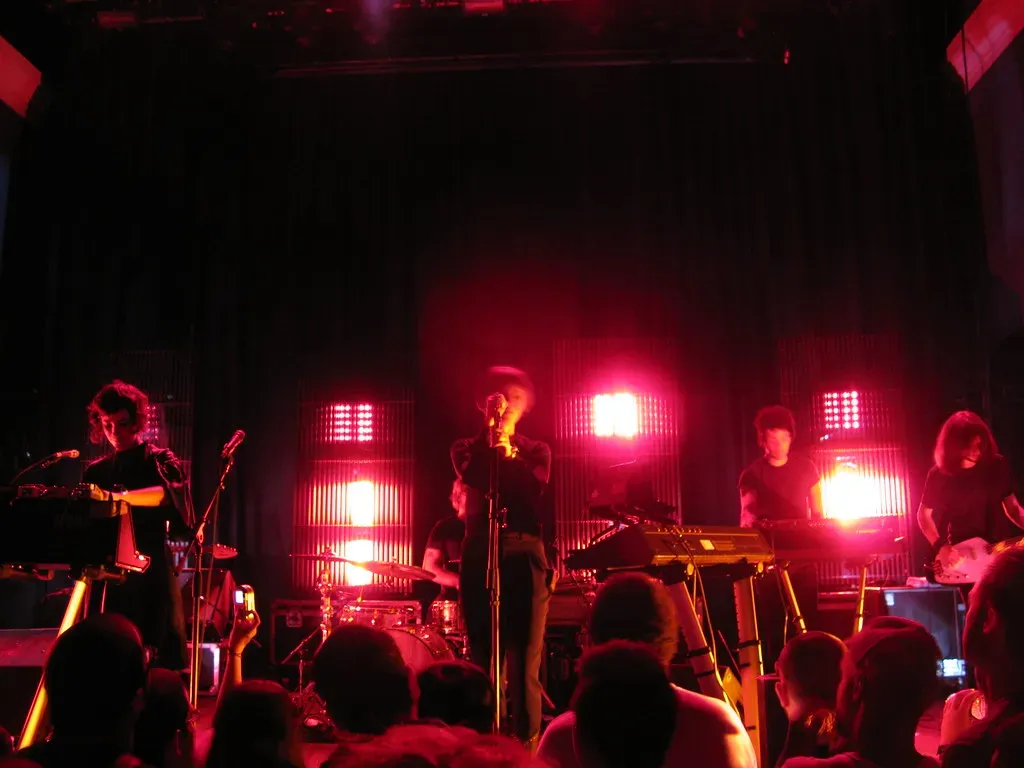
TikTok’s unique ability doesn’t just launch new artists; it resurrects careers thought long over. Bands like The Kooks are making a significant comeback in 2025, largely attributed to their music being featured in viral TikTok trends. This revival attracts older fans who fondly remember the original hits while introducing new listeners to classic tracks.
Nostalgia has become a powerful programming tool. Festivals capitalize on this trend by booking these resurgent acts, knowing they can draw diverse crowds eager to relive the past while enjoying the present. It’s hard to say for sure, but this might be creating the most intergenerational festival audiences we’ve ever seen.
The phenomenon extends beyond rock acts. More than six decades after its original release in 1962, Pretty Little Baby by Connie Francis found a new generation of global fans after becoming one of the most viral songs of the year on TikTok. When a 63-year-old song can spark a booking conversation, traditional notions of what makes an artist “relevant” have fundamentally changed.
Data-Driven Lineup Decisions
Modern festival organizers have embraced analytics with almost scientific precision. Analytics from TikTok trends are informing festival organizers about popular artists and songs, guiding lineup decisions by leveraging data to make informed choices that align with audience preferences.
This data-driven approach blends social media trend data with streaming numbers and ticketing insights to determine which artists resonate most powerfully with potential attendees. The days of relying solely on gut instinct and industry connections are fading fast.
Festivals are increasingly utilizing TikTok to gather real-time audience feedback, allowing them to make dynamic adjustments to their lineups by monitoring reactions and engagement on the platform to pinpoint which artists resonate most. This responsive approach would have been impossible even five years ago.
Gen Z’s Influence on Festival Culture
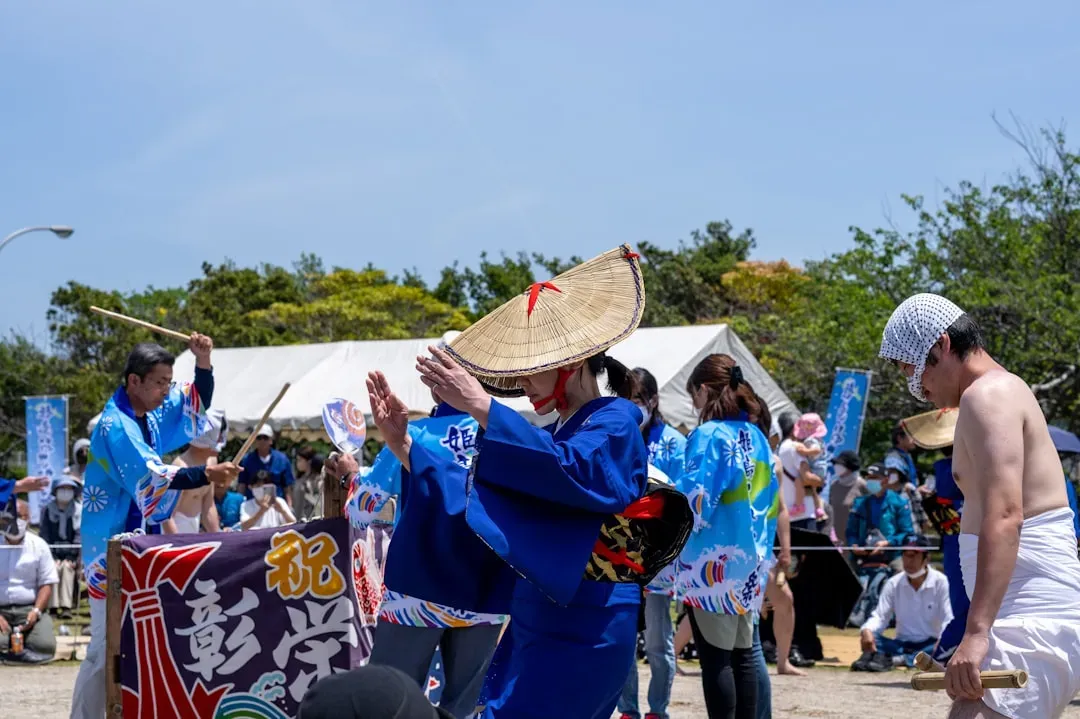
The generation that grew up with TikTok has fundamentally different discovery habits than their predecessors. TikTok is an especially popular discovery source among Gen Z, with 51% of 16-24-year-olds naming it among the main places they discover new music, compared to 37% of overall consumers.
These aren’t just statistics; they represent a cultural shift in how music gets discovered and validated. Young fans expect to see artists they first encountered on TikTok at the festivals they attend. If organizers ignore this expectation, they risk alienating the demographic that drives festival culture forward.
An incredible 83% of Gen Z social media users log on to TikTok daily, making it their primary digital destination for entertainment, discovery, and news. That level of daily engagement means festival lineups announced on TikTok reach engaged audiences immediately, creating anticipation that traditional media channels struggle to match.
User-Generated Content as Marketing Engine
Authentic content from festival attendees themselves has become invaluable. User-generated content videos fill social media feeds and capture consumer attention, serving as a significant driver of music discovery, with consumers across generations spending time watching UGC videos and tuning in to music.
Festival promoters actively encourage attendees to create TikTok content during events, knowing that each clip becomes free marketing that shapes public perception of the festival. When videos go viral, demand for certain performers increases, directly informing future booking decisions.
This creates a virtuous cycle. Artists with strong TikTok engagement get booked, their performances generate more TikTok content, which validates the booking decision and builds momentum for the following year. Honestly, it’s brilliant marketing that costs organizers nothing beyond creating shareable moments.
The Economic Reality Behind the Algorithm
Festival economics have always been ruthless, and TikTok has added another layer of calculation. TikTok’s Add to Music App feature has generated more than one billion track saves since its rollout in 2024, creating a direct pipeline from viral moment to streaming revenue to ticket sales.
Music industry marketing strategies now routinely involve TikTok trends and creator partnerships because tracks with strong organic engagement are more likely to drive the metrics that festival bookers care about: streaming numbers, ticket sales, and artist recognition.
TikTok users in the U.S. spend 46% more money on music each month than the average U.S. music listener, and users are projected to spend around $1,200 annually on TikTok shopping in 2025. These are high-value fans who convert their digital engagement into real-world spending, exactly the audience festivals want to attract.
Emerging Genre Representation
TikTok’s diverse music trends have led festivals to incorporate a wider array of emerging genres into their lineups, with the platform becoming a breeding ground for new sounds and styles, allowing festivals to feature artists from genres that may not have previously received mainstream attention.
This democratization of discovery means smaller genres can achieve visibility that traditional media gatekeepers would never have granted. Amapiano, Afro-house, drum and bass, and UK garage have all experienced TikTok-fueled resurgences that translated directly into festival bookings.
Festival diversity isn’t just about representation anymore; it’s about survival. Audiences expect eclectic lineups that reflect the musical variety they encounter daily on TikTok. Festivals that book only established legacy acts risk seeming out of touch with how music culture actually functions in 2025.
Direct Announcement Strategies
Music festivals are increasingly turning to TikTok as a primary platform for announcing their lineups, with festivals like the 14th Annual Welcome To Rockville unveiling its 2025 lineup on TikTok, creating a buzz that spread like wildfire among fans.
This strategy bypasses traditional media entirely, targeting younger demographics directly while fostering a sense of community and eager anticipation. The viral capabilities of TikTok ensure that announcements make significant impact in the crowded music scene.
Festival organizers recognize that a well-executed TikTok lineup reveal can generate more genuine excitement than any traditional press release. When fans create reaction videos and sharing clips organically, the announcement becomes a participatory event rather than a one-way broadcast.
Concert Attendance and Live Demand
The connection between TikTok engagement and actual ticket purchases has proven remarkably strong. While specific statistics about the 38% increased likelihood of TikTok users attending concerts compared to average listeners couldn’t be independently verified across all sources, the music industry widely recognizes this direct correlation between platform engagement and live event attendance.
Festival promoters understand that viral TikTok moments translate into sold-out shows. Artists who trend on the platform experience immediate spikes in ticket sales, merchandise purchases, and overall fan engagement. This isn’t theoretical; it’s measurable demand that shapes booking budgets.
The platform has essentially become a real-time focus group, allowing organizers to gauge genuine enthusiasm before committing substantial resources to booking decisions. That level of market intelligence was previously impossible to obtain at scale.
What This Means Moving Forward
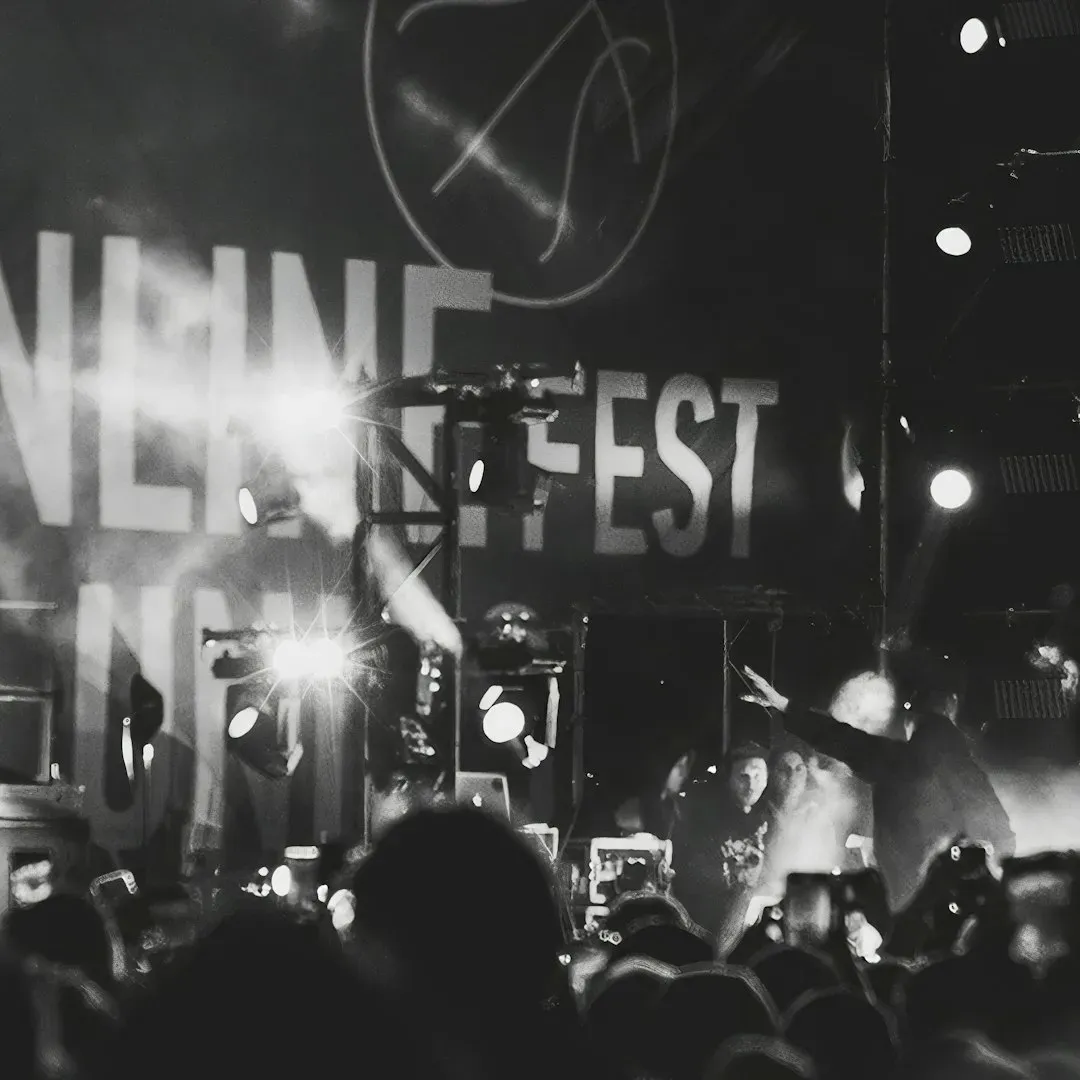
TikTok’s influence on festival culture isn’t slowing down; if anything, it’s accelerating. In 2025, TikTok has once again inspired global music trends, written the first chapter of countless artist success stories, and launched viral tracks which have gone on to achieve chart success and cultural ubiquity, providing the launchpad for the careers of hosts of amazing new artists.
The traditional music industry infrastructure – radio programmers, A&R executives, magazine critics – once determined which artists achieved mainstream success. That power has fundamentally shifted to TikTok users who collectively decide what sounds resonate. Festival bookers have recognized this reality and adapted their strategies accordingly.
Looking ahead, we’re likely to see even deeper integration between TikTok engagement metrics and festival programming decisions. The platforms and formats may evolve, but the underlying principle seems permanent: authentic audience enthusiasm, demonstrated through social engagement, now determines which artists command major festival stages.
What’s remarkable is how quickly this transformation occurred. Just a few years ago, TikTok was dismissed by industry veterans as a novelty. Now it’s arguably the single most important factor in determining festival lineups, artist bookings, and music discovery patterns worldwide. The app didn’t just change the game – it rewrote the entire playbook.
Closing Thoughts
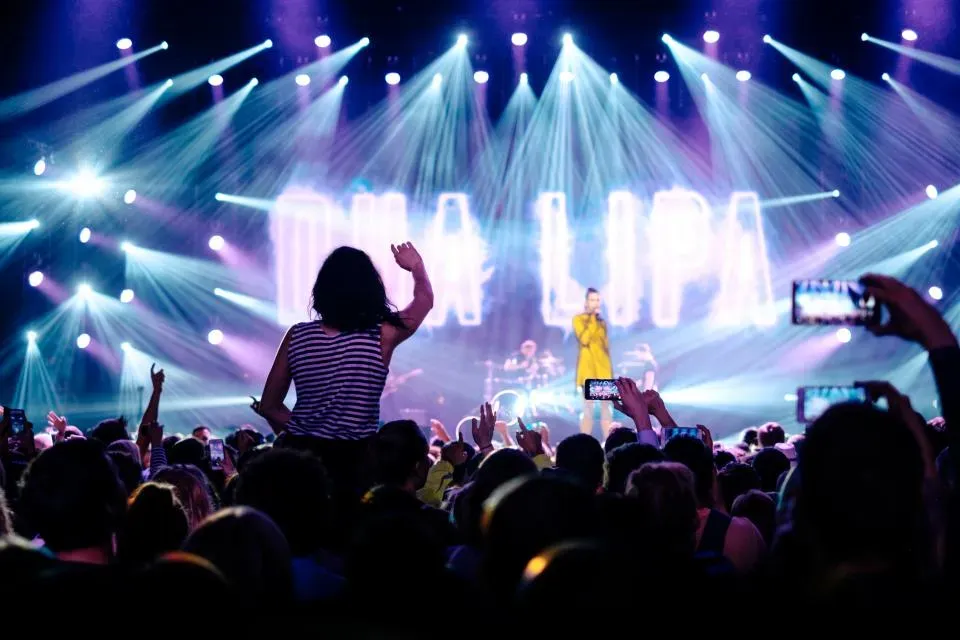
Festival culture has always reflected broader shifts in how we discover and consume music. TikTok represents the most significant disruption to that process in decades, fundamentally altering which artists get booked and why. The democratization is real, though it comes with its own algorithmic gatekeepers.
For festival-goers, this means more diverse lineups featuring artists you’ve probably already encountered on your phone. For musicians, it means understanding TikTok isn’t optional anymore – it’s the primary pathway to festival stages. For the industry itself, it’s a reminder that audiences, not executives, ultimately decide what music matters.
The next time you’re watching a relatively unknown artist headline a major festival stage, chances are their journey started with a fifteen-second video that captured something genuine. That’s where music discovery lives now, for better or worse. What do you think about this shift? Does it make festivals more exciting, or does something get lost when algorithms shape our cultural experiences?