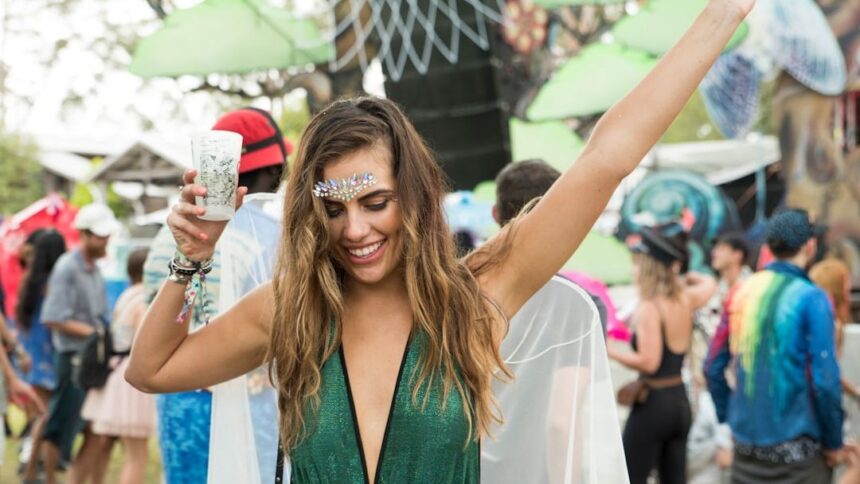
Picture this. You’re scrolling through endless festival lineups, your Spotify Wrapped still fresh in your mind, trying to figure out which event is actually worth your time and money. The festival landscape in 2025 is more massive than ever, and honestly, choosing the right one has become its own art form. With thousands of festivals happening worldwide and genre-specific events exploding in popularity, knowing where your music taste fits can save you from a weekend of regret.
Let’s be real, there’s nothing worse than dropping hundreds of dollars on a festival only to realize the headliners don’t match your vibe at all. The good news? The festival industry has evolved to cater to nearly every musical preference imaginable, from hyper-focused genre celebrations to sprawling multi-genre adventures. So how do you navigate this crowded space and find your perfect match?
Understand Your Genre Preferences First
According to Ticket Fairy’s 2024 analysis, genre-specific events centered on techno, hip hop, and Americana are gaining serious traction, and this shift tells us something important about modern festival culture. Think about your most-played artists and the playlists you keep coming back to. Are you constantly streaming bass-heavy electronic tracks, or do you find yourself gravitating toward lyrical rap and hip-hop? Maybe your soul belongs to indie rock or country-leaning Americana sounds.
Spotify’s 2024 Culture Next report confirmed that Gen Z loves using the platform to build personal connections, and this extends to festival choices too. Your streaming habits are more than just data – they’re a roadmap to the live experiences that’ll resonate with you. Seventy-seven percent of Gen Z respondents said that brands creating playlists for specific moments and moods feel more in tune with their life, which suggests that emotional connection matters just as much as genre labels.
Take an honest inventory of what makes you hit replay. Do you need high-energy drops and lasers, or would you rather vibe to soulful melodies in a more intimate setting? This self-awareness is your foundation.
Genre-Specific Festivals Offer Deeper Immersion
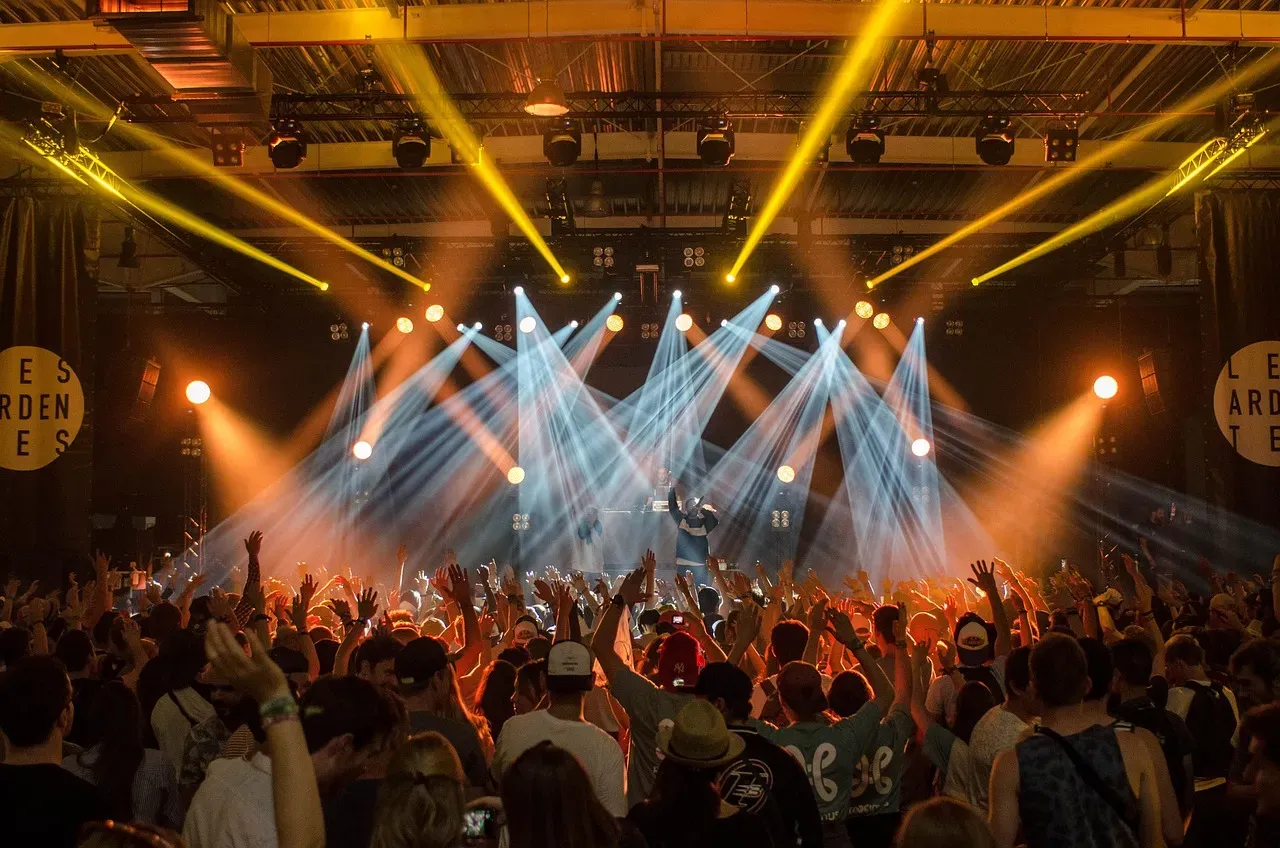
The demand for niche music festivals is growing rapidly in 2024, with attendees seeking more focused and immersive experiences. There’s something powerful about being surrounded by people who share your exact musical passion. Festivals centered on specific genres like techno, hip hop, and Americana attract dedicated fan bases and offer a more cohesive musical experience.
Rolling Loud is an international hip hop festival described by Complex as “one of the biggest festivals in the world” and by Billboard as “the be-all of hip-hop festivals”. If rap is your religion, this is your pilgrimage. In 2019, an estimated 210,000 people attended Rolling Loud in Miami, proving that single-genre festivals can rival multi-genre giants in scale and cultural impact.
Tomorrowland 2024 took place over two weekends in July with 400,000 people in attendance, cementing its status as the ultimate destination for electronic music devotees. With over 800 artists set to perform and daily attendance around 70,000 people, Tomorrowland was recently voted the No.1 festival in the world by DJ Mag readers. When everyone around you speaks the same musical language, the sense of community becomes almost spiritual.
Multi-Genre Festivals Work for Explorers
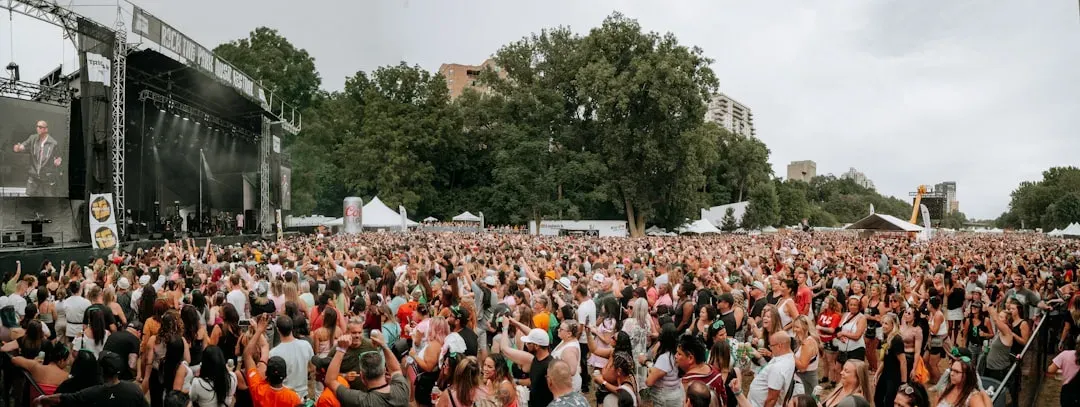
Not everyone fits neatly into one genre box. Some music lovers thrive on variety and discovery. At Coachella 2024, electronic, dance, EDM, and trance artists accounted for a majority of the acts performing, yet the festival also featured robust representation across hip-hop, Latin, rock, and indie categories. Global acts took over for one of the most diverse bills in Coachella history, filled with acts from Korea, Japan, Latin America, Africa, France and more.
While many events opt for specialization, Coachella offers diverse lineups catering to fans across genres, consistently providing solid representation for nearly every musical style. This approach has its advantages – you might stumble upon your new favorite artist in a genre you never explored before. I think there’s something magical about wandering between stages and letting curiosity guide you rather than sticking to a predetermined playlist.
Music festivals with multiple genres attract a more diverse audience, increasing overall attendance, which means you’re also exposed to different crowds and subcultures throughout the weekend. It’s less about pure immersion and more about cultural sampling.
Consider Age Demographics and Crowd Vibe
Here’s something most people don’t think about until they’re stuck in the wrong crowd. The most common age group at festivals in North America is 25-34 years old, but this varies wildly depending on the event and genre focus. Electronic and hip-hop festivals typically skew younger, while rock, folk, and jazz events often attract older, more seasoned festival-goers.
In 2022, approximately 60 percent of festival attendees were aged between 18-34 years old, confirming that the festival scene remains dominated by younger audiences overall. Yet certain festivals cultivate entirely different atmospheres. Jazz festivals, for instance, might offer a more relaxed, seated experience compared to the standing-room-only chaos of an EDM showcase.
Spotify’s latest Culture Next report found that 61 percent of Gen Z said they are lonelier today than 10 years ago, which explains why the communal aspect of festivals has become so crucial. The right crowd can make or break your experience. Do you want to be surrounded by first-time festival newbies or veterans who know every lyric by heart?
Look at Lineup Structure and Stage Setup
Tomorrowland 2024 drew over 400,000 attendees and showcased over 800 of the world’s premier EDM artists across 16 stages. That’s a staggering number of stages, which means you’ll spend significant time navigating the grounds. Some people love the adventure of discovery across massive festival sites. Others find it exhausting and prefer more compact layouts.
Check how many stages the festival operates simultaneously. More stages mean more options but also tougher choices when your favorite artists inevitably overlap. The U.K.’s massive Glastonbury leads with 712 artists on the lineup, followed closely by New Orleans Jazz & Heritage Festival with 654 artists. With numbers like that, you’re guaranteed to miss incredible sets no matter how well you plan.
Smaller, boutique festivals might only run two or three stages, which sounds limiting until you realize it means less FOMO and more time actually enjoying the music instead of sprinting between venues. Boutique and niche festivals are rising in popularity, with 58 percent of attendees preferring them over larger commercial events.
Location and Setting Shape the Experience
A desert festival hits differently than a forest gathering or an urban venue. An estimated 125,000 people flocked to the Empire Polo Fields in Indio, California for Coachella’s first weekend, experiencing the unique vibe of the Colorado Desert. That dusty, sun-baked aesthetic becomes part of the festival’s identity.
Over 50 percent of festival attendees in Australia prefer outdoor festivals over indoor events, suggesting that natural settings enhance the overall experience for many. Sixty-nine percent of respondents feel positively towards events that connect them with nature. There’s something primal about dancing under stars or in a forest clearing that indoor venues simply can’t replicate.
Geography also affects crowd composition. California historically dominates U.S. festival counts with 111 festivals so far in 2024, meaning West Coast festivals often draw heavily from that region’s music culture. Think about whether you want a destination festival that requires travel planning or something local you can easily access.
Check Artist Discovery Opportunities
The most common reason for festival attendance is to discover new music, cited by 72 percent of attendees worldwide. This is huge. If you’re the type who loves digging through Spotify’s discovery playlists, you’ll want festivals known for booking emerging talent alongside established acts.
EDM artists historically dominate festival bookings year-to-year, with artists like Vini Vici playing 143 festivals and Charlotte de Witte appearing at 143 festivals over the last five years. This constant touring means electronic fans have abundant opportunities to catch their favorites, but it also raises questions about lineup repetition.
Rolling Loud has evolved into a major force in hip-hop, giving early exposure to future superstars including Travis Scott, Juice WRLD, and Ice Spice. Genre-specific festivals often excel at talent curation because the organizers are deeply embedded in those scenes. They know who’s bubbling under the surface before mainstream festivals catch on.
Factor in Festival Culture and Values
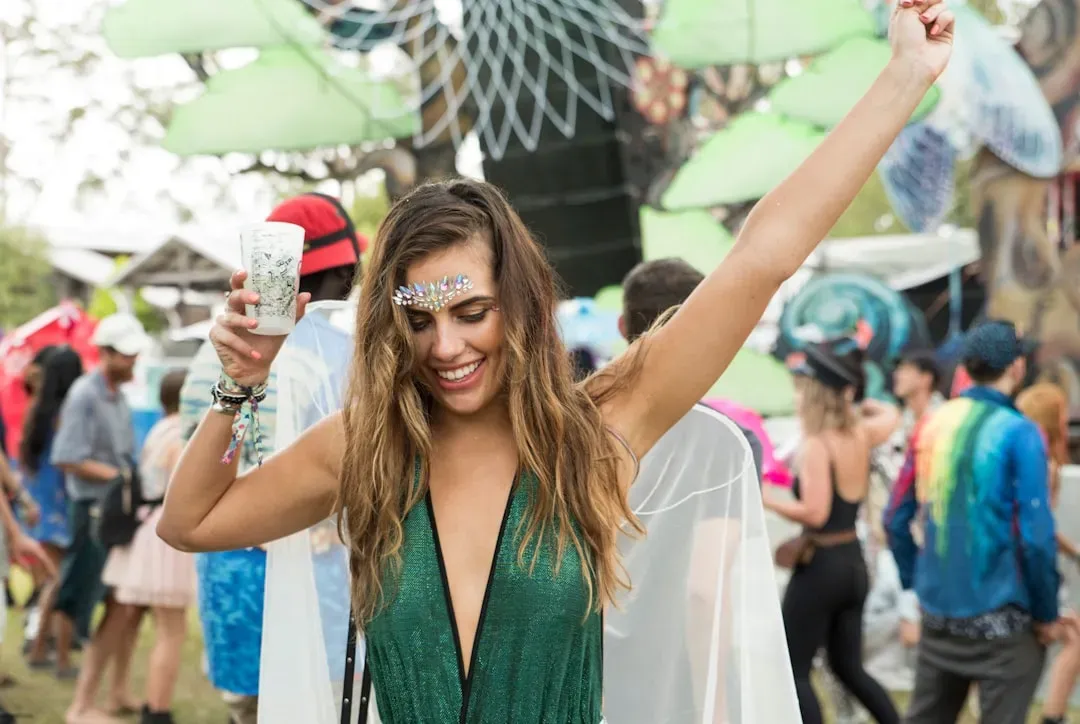
Sustainability initiatives and eco-friendly practices are increasingly important, with 69 percent of attendees favouring nature-connected events. Festival culture extends beyond music into how events treat their environmental impact, local communities, and social issues. Some festivals champion sustainability, while others honestly don’t prioritize it much.
Last year, sustainability non-profit A Greener Future reported that 40 festivals in 14 countries had achieved the organization’s certification for sustainability in 2024. If environmental consciousness matters to you, research which festivals are actually walking the walk. Tomorrowland 2024 received a fine of 727,000 euros for being the only major festival still using disposable cups during summer 2024, showing that not all major festivals prioritize sustainability equally.
Festival values also show up in lineup diversity, accessibility accommodations, and community initiatives. These factors might seem secondary to the music, but they shape the overall atmosphere and who feels welcome.
Evaluate Ticket Prices Against Your Budget
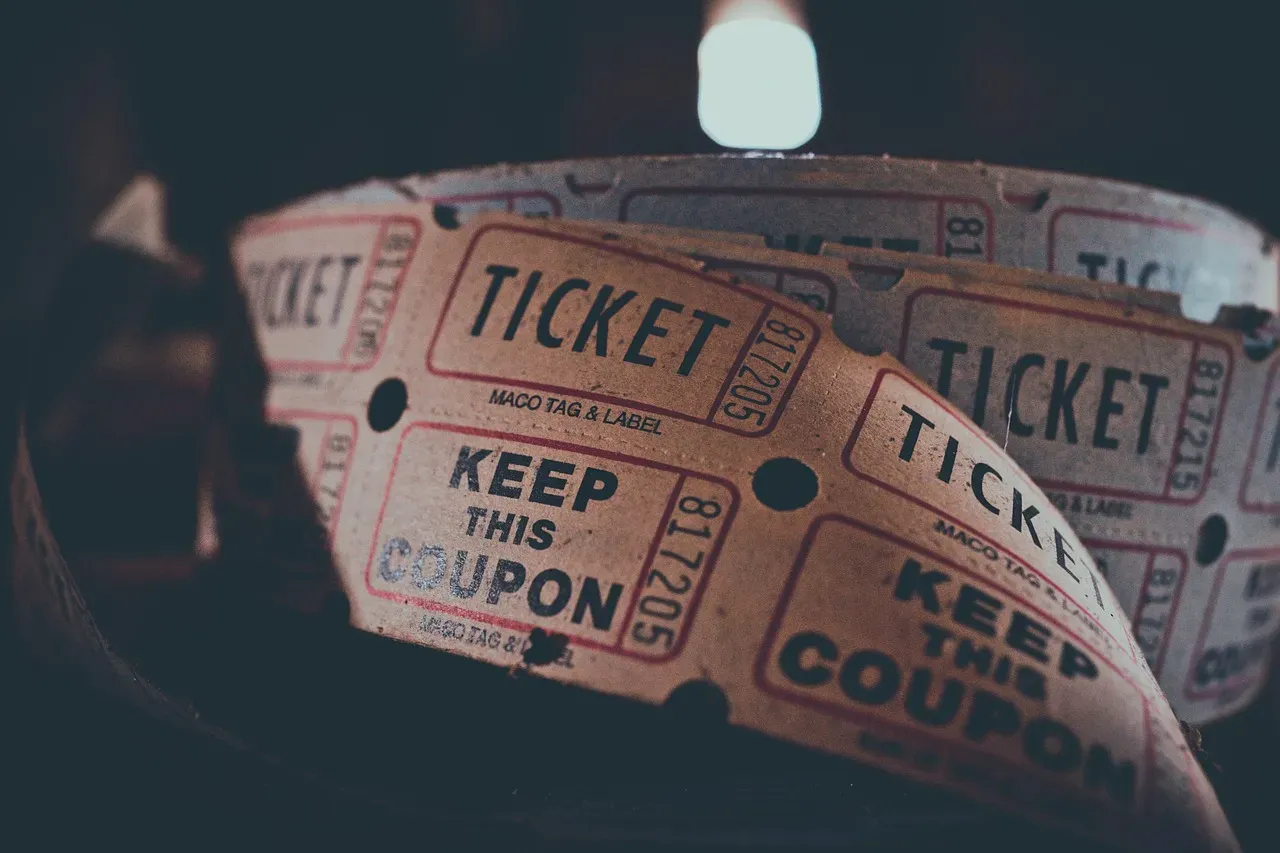
The average ticket price for major festivals in North America was around $350 in 2022, which is substantial before adding travel, lodging, and food costs. The average festival-goer spends $207 on tickets per festival when looking at global averages, suggesting significant price variation based on festival size and location.
Genre-specific festivals sometimes offer better value because you’re guaranteed that every act aligns with your taste. Electronic Dance Music festivals generate over $1 billion in economic output annually in the U.S. alone, reflecting both their popularity and their price points. Multi-day passes, camping options, and VIP upgrades can quickly double or triple your initial ticket investment.
It’s hard to say for sure, but smaller regional festivals often provide similar genre experiences at a fraction of major festival costs. Honestly, some of my best festival memories came from scrappier events where tickets cost under a hundred dollars and the crowd was smaller but more passionate.
Use Your Streaming Data as a Guide
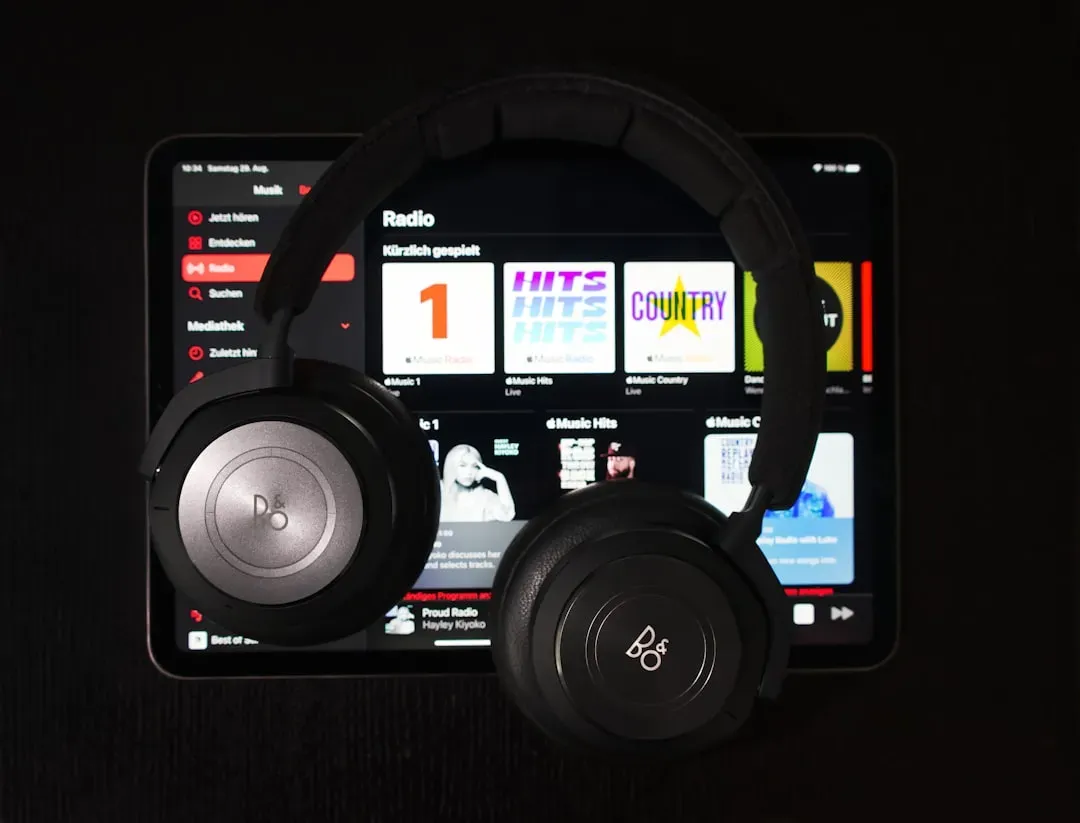
Spotify looked at streaming data to establish a broad snapshot of what – and how – Gen Z streams on the platform, and you can do the same personal analysis. Most streaming platforms now offer year-end summaries and ongoing stats about your listening habits. Pay attention to those patterns.
Forty-nine percent of respondents agreed that brand sponsorships within music and concert events would influence them to buy from that brand in the future, showing how festivals have become cultural touchpoints beyond just music. Your streaming preferences connect to broader cultural trends that festivals reflect and amplify.
Consumers’ rush to get coveted tickets to Beyoncé’s Renaissance World Tour or Taylor Swift’s Eras Tour in other countries has ushered in a “new paradigm for live music events where fans are willing to cross country lines”. If you’re constantly streaming a particular artist or genre, chasing that live experience across borders might be worth it. Check if your top-played artists are on any festival lineups before they sell out.
Research Past Editions and Reviews
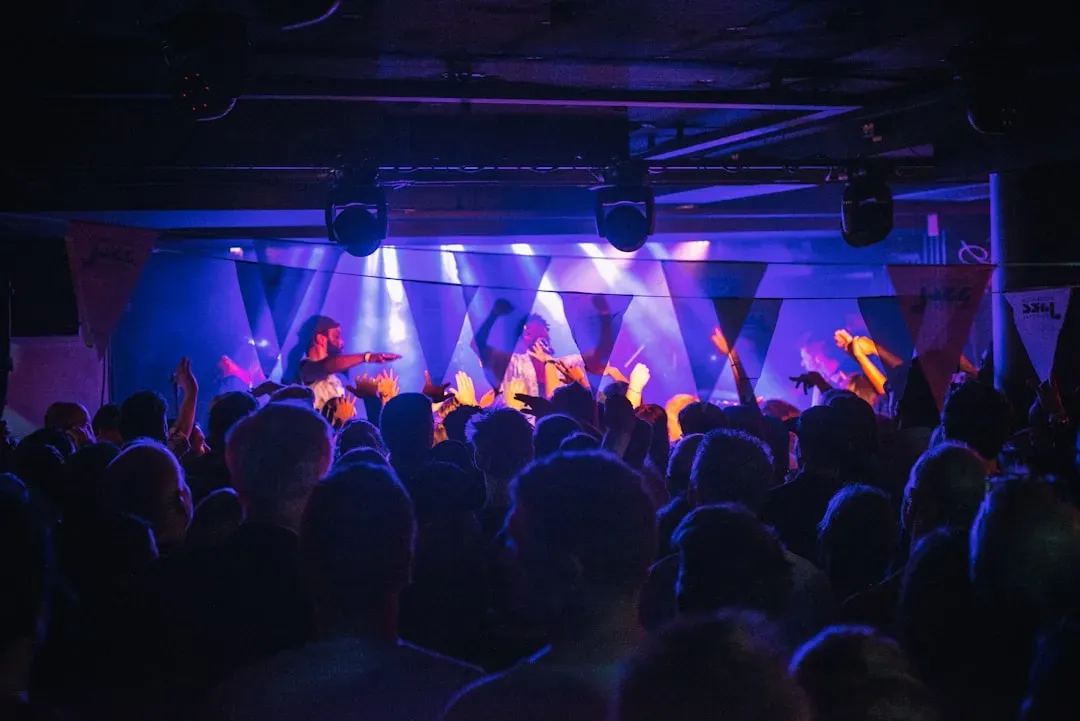
Before committing, dig into what previous attendees actually experienced. The 2024 edition of Coachella would have the slowest sales in well over a decade, suggesting that even major festivals can have off years when lineups don’t resonate. Outside Lands reported 225,000 total visitors at 75,000 capacity per day, grossing more than $40 million in 2023, demonstrating both the scale and financial investment these events represent.
Look beyond promotional materials to find honest reviews and firsthand accounts. Social media offers raw, unfiltered perspectives from people who actually attended. JamBase’s database records 2,184 music festivals in 2024, compared to 2,660 festivals in 2023 and 2,308 in 2019, showing how the landscape constantly evolves.
Festival culture varies dramatically between events. What worked for someone else might not work for you, but patterns emerge when you read enough experiences. Pay attention to complaints about logistics, sound quality, crowd management, and whether the vibe matched expectations. These practical details matter as much as the lineup when you’re spending an entire weekend somewhere.
The right festival isn’t just about seeing your favorite artists – it’s about finding where your music taste, personality, and lifestyle align with an event’s identity. Genre focus matters, but so do crowd dynamics, values, location, and practical considerations like budget and logistics. In 2024, 45,522 artists are gracing festival stages worldwide, which means there’s genuinely something for everyone if you know where to look. What festival vibe speaks to your soul?