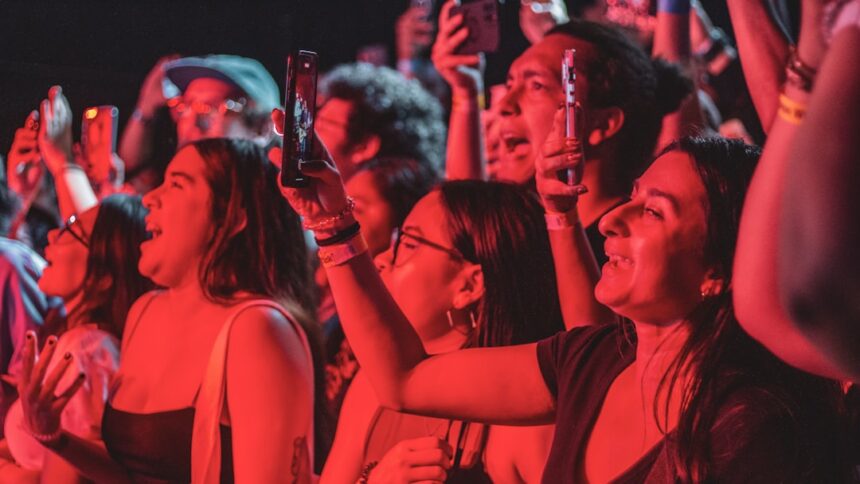
There’s something electric about a festival. The crowd, the anticipation, the way certain songs seem to drop at exactly the right moment. It’s hard to explain, really, but you’ve probably felt it. Music has this uncanny way of shaping not just what we hear, but what we feel, especially when everyone’s sharing the same space. Let’s be real, the right playlist can make or break your festival weekend. Whether you’re craving hype, connection, or a quiet moment in the chaos, your playlist is your lifeline. So let’s dive into how to build one that actually works, because honestly, there’s more science and strategy behind it than you’d think.
Understanding Why Mood-Based Playlists Matter at Festivals

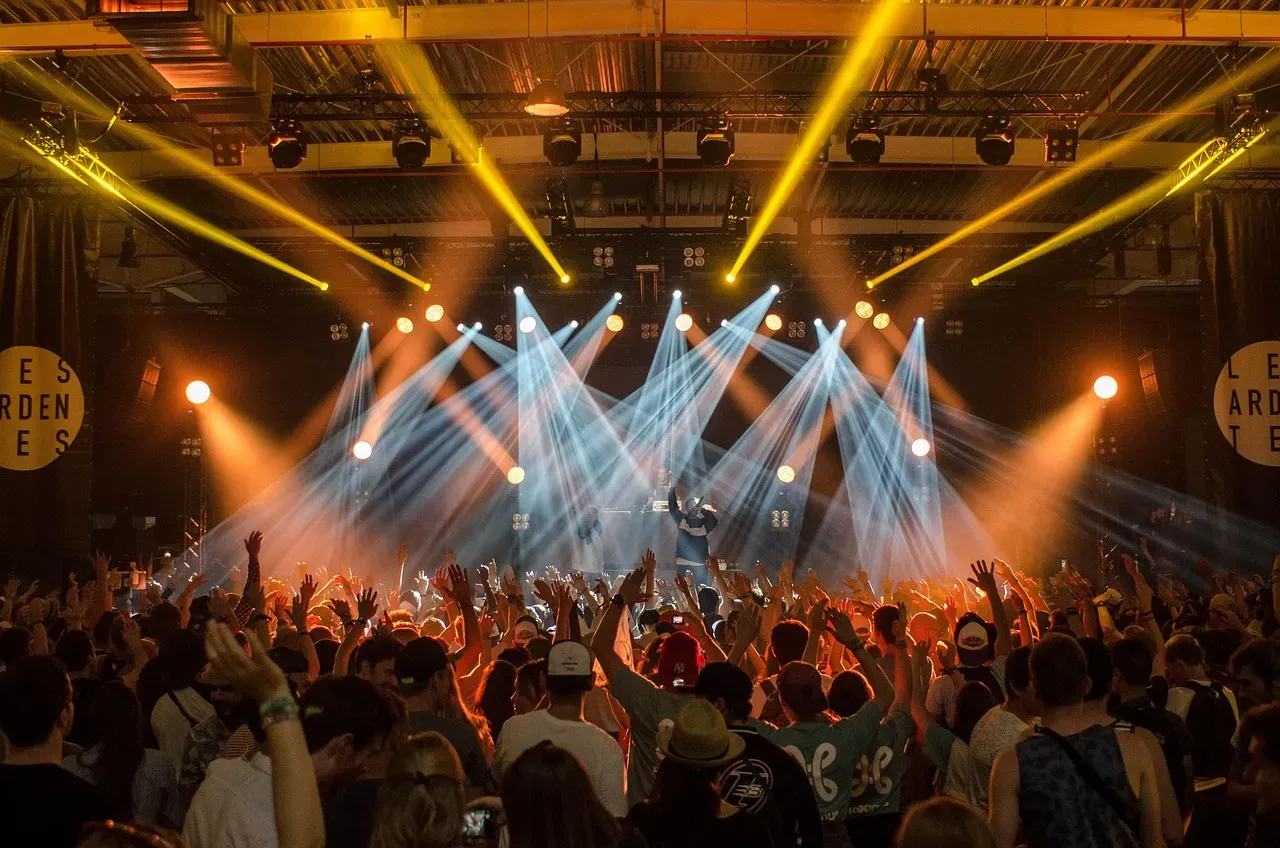
Here’s the thing: festivals aren’t just about the music. They’re emotional marathons. According to Spotify’s 2024 Culture Next report, 77% of Gen Z agreed that brands that create playlists for specific moments and moods feel more in tune with their life. This tells us something pretty clear – people are actively seeking music that reflects how they feel, especially during shared experiences.
At festivals, moods shift constantly. One minute you’re energized by a main stage headliner, the next you’re winding down in a chill-out zone. A well-curated playlist mirrors those shifts. It’s not just background noise, it’s a tool you can use to amplify joy, calm anxiety, or prepare yourself for the next set.
Interestingly, music emotion regulation refers to the intentional use of music by individuals themselves as a self-directed strategy to influence, modify, or manage their emotional states, according to research published in Frontiers in Psychology in 2025. Essentially, your playlist becomes a mood management device.
The Science Behind Tempo and Energy Levels

Tempo isn’t just some technical detail for producers – it directly affects your body and brain. Research published in Psychology of Music in 2023 found that songs between 120–140 BPM are most commonly associated with excitement and group dancing, making them perfect for those peak festival moments when the energy’s through the roof.
When you listen to faster tempos, your heart rate can actually sync up with the beat. That’s why pumping up the BPM makes you want to move. Conversely, slower tempos around 60 to 75 BPM can help you relax, almost like the music is encouraging your body to slow down. Think about that comedown hour after the sun sets – you don’t want bangers, you want something softer.
A study published in Psychology Today in 2025 noted that a BPM of 130 or greater has been shown to increase mental acuity and flow, while faster rhythms can also increase motivation, alertness, and mental flow. This is crucial when you’re trying to stay energized through back-to-back sets.
Creating Your High-Energy Pre-Festival Warm-Up Section

Start your playlist strong. You want to set the tone before you even arrive. This section should be all about anticipation and excitement. Load it with tracks in the 125–145 BPM range – songs that make you feel invincible.
Think upbeat pop, electronic anthems, or hip-hop with infectious hooks. The goal here is to trigger those feel-good neurochemicals. Music has the power to release dopamine, and the right tracks can genuinely boost your mood before the festival even begins.
Vary the intensity slightly. Not every song needs to be a banger, but they should all be on the higher end of the energy spectrum. You’re building momentum, not exhausting yourself. The key is creating that sense of “let’s go.”
Building the Peak Moment Section for Maximum Hype
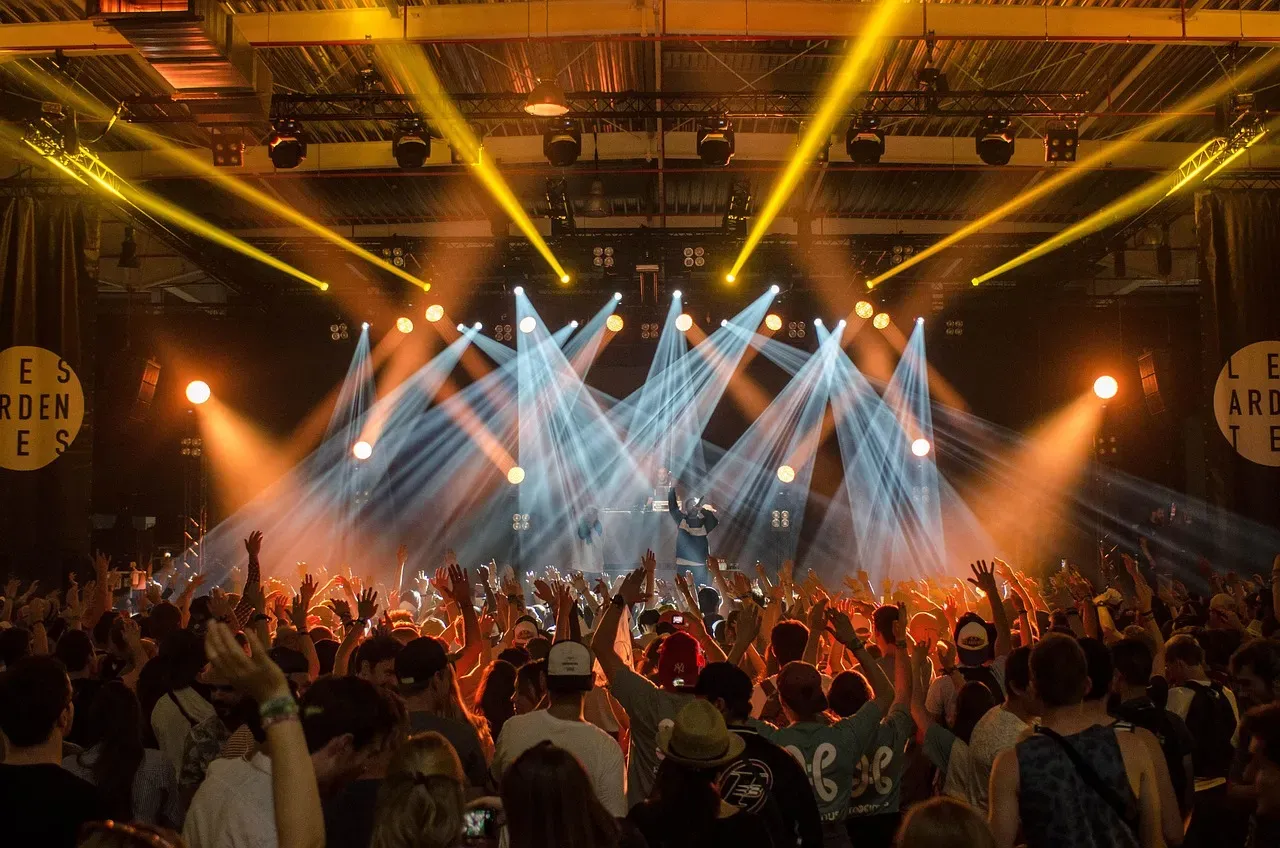
This is where your playlist gets real. These are the tracks you play when you’re right in front of the stage, surrounded by thousands of people, and the drop hits. You want songs between 128–140 BPM that are designed to make people lose it.
Select tracks with clear builds and powerful drops. The anticipation before the beat hits is just as important as the beat itself. Festival crowds thrive on that collective tension and release. You’ll know you’ve nailed it when everyone around you is jumping in sync.
Honestly, this section is where you can go wild. Include remixes, festival edits, anything that feels larger than life. These are the songs you’ll remember months later when you’re scrolling through your photos.
Curating a Social Connection and Singalong Section

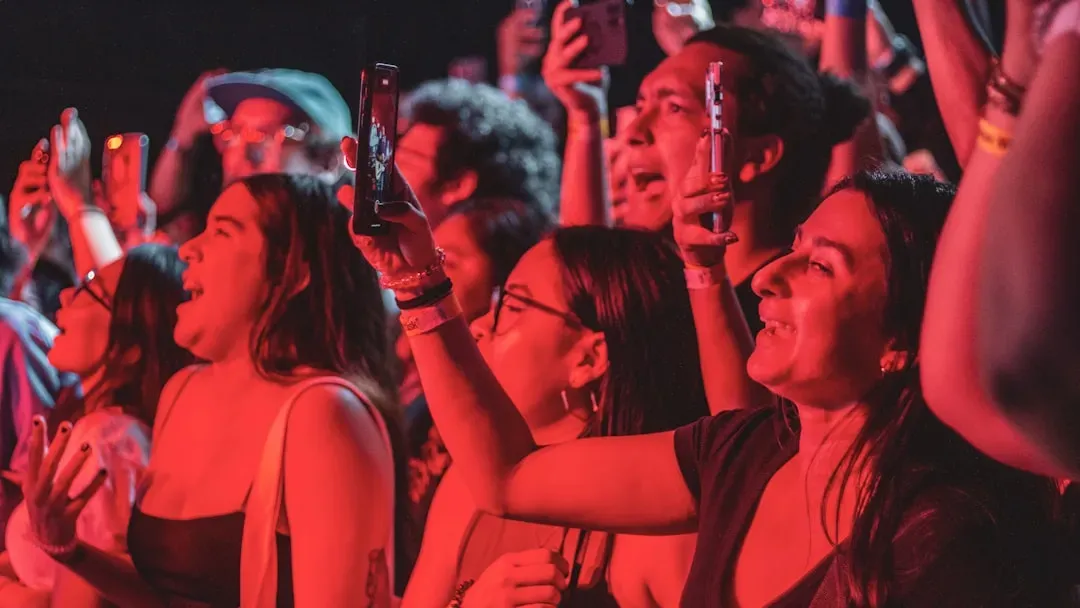
Festivals aren’t just about dancing – they’re about connection. YouTube Music’s collaborative playlists feature, introduced in 2024, allows users to build shared music experiences with friends and family, encouraging more social interaction around music content. This tells us something important: people want music to be a communal activity.
Include songs everyone knows. Think classic anthems, throwback hits, or current chart-toppers with catchy choruses. These are the tracks that turn strangers into friends, even if just for three minutes. There’s something powerful about singing along with hundreds of people.
Don’t overthink this section. Go with your gut. If a song makes you want to belt out the lyrics with your crew, it belongs here. These moments of shared joy are what festivals are all about.
Adding a Chill-Out and Recovery Zone Playlist


Let’s be honest, you can’t go full throttle for eight hours straight. You need breaks. This section should feature slower tempos around 70–100 BPM, with mellow vibes that let your nervous system decompress.
Think acoustic tracks, lo-fi beats, ambient electronica, or indie folk. The mood here is reflective, not sleepy. You’re giving yourself space to recharge without completely losing the festival energy. This is your breather before you head back into the crowd.
Studies show that medium-tempo music can align with your natural physiological rhythms, making it easier for your body to relax. Use this section strategically – maybe during a food break or when you’re lounging in the grass.
Crafting a Sunset and Golden Hour Section

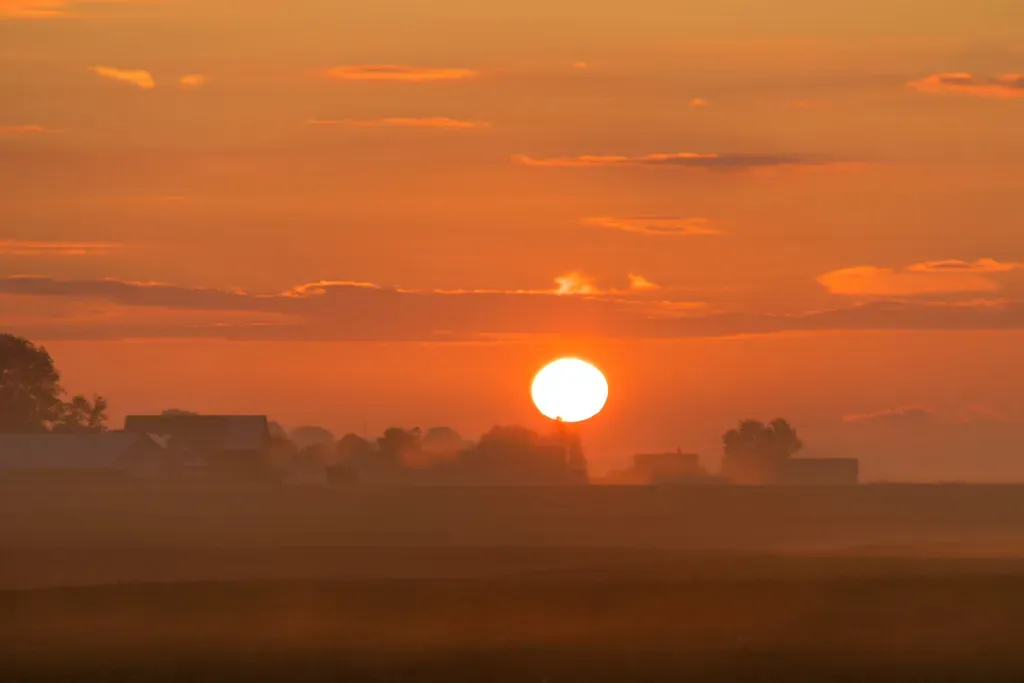
There’s a reason sunset sets are legendary. The lighting, the temperature drop, the collective sigh of satisfaction – it all creates this perfect emotional cocktail. Your playlist should match that vibe. Aim for tracks in the 100–120 BPM range that feel warm and nostalgic.
Choose songs with beautiful melodies and rich textures. This is the time for tracks that make you feel something deep. Maybe it’s euphoria, maybe it’s melancholy, but whatever it is, it should feel cinematic. Sunset is when festivals become magical.
Don’t be afraid to include deeper house, downtempo electronica, or even soul and R&B. The key is that the music should feel as golden as the light around you. This section is about savoring the moment.
Designing a Late-Night Underground Vibe Playlist

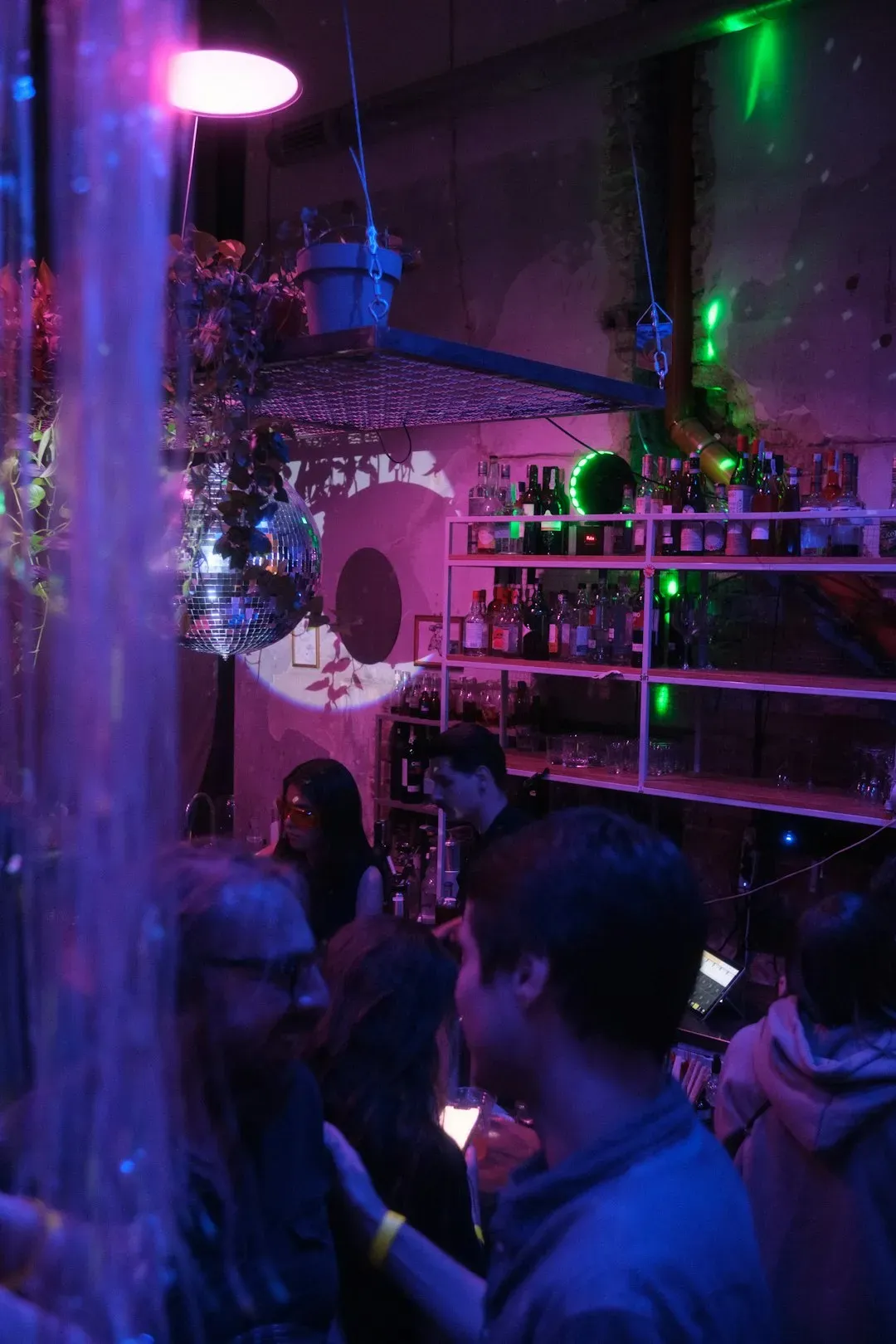
When the main stages wind down, the real magic sometimes happens in the smaller tents. Late-night sets have a different energy – darker, more hypnotic, more experimental. Your playlist should reflect that shift.
Go for tracks with heavier basslines, minimal vocals, and repetitive grooves. Think techno, deep house, or bass music. The BPM can stay around 120–128, but the mood should be moodier, more introspective. This is music for losing yourself in the rhythm.
Late-night is when you’re surrounded by the diehards, the people who came for the music, not just the Instagram moment. The vibe is intimate despite the crowd. Your playlist should honor that commitment.
Including a Morning After Recovery and Reflection Section

The festival’s over, your body aches, and you’re emotionally spent. But you’re also buzzing with memories. This final section should be gentle, contemplative, and maybe a little bittersweet. Stick to tempos under 90 BPM.
Choose tracks that help you process the experience. Maybe it’s acoustic versions of songs you heard live, or ambient pieces that give your brain space to rest. Research published in Frontiers in Psychology in 2025 found that music-based mood regulation tools can be effective for improving mood regulation and psychological wellbeing.
This isn’t about getting hyped again – it’s about closure. You’re coming down from an emotional high, and the right music can make that transition smoother. Think of it as a sonic cool-down after an intense workout.
Using Collaborative Playlist Features to Enhance Group Vibes

One of the smartest moves you can make is building your festival playlist with your crew. YouTube Music introduced collaborative playlists in November 2024, enabling multiple users to contribute to a single playlist simultaneously, with plans to expand the feature with voting capabilities for song preferences. This matters because festivals are shared experiences.
When everyone contributes, you get a more diverse playlist that reflects the whole group’s taste. Plus, it builds excitement before you even arrive. There’s something fun about debating which tracks make the cut and discovering songs your friends are obsessed with.
Collaborative playlists also ensure nobody feels left out. Everyone gets a say, and that sense of collective ownership makes the whole experience more meaningful. It’s democracy in action, playlist edition.
Sequencing Your Playlist for Maximum Emotional Flow

Here’s where many people mess up – they throw great songs together without thinking about order. Sequencing matters. A lot. The way songs transition can either create momentum or kill it dead. You want your playlist to tell a story.
Start by mapping out the emotional arc of your day. Morning energy, afternoon peak, evening wind-down, late-night intensity, recovery. Each section should flow naturally into the next. Avoid jarring transitions – going from a 140 BPM banger straight to a 70 BPM ballad will give people whiplash.
Some playlist creators suggest gradually increasing energy levels to maintain engagement. Others prefer to alternate between highs and lows to create dynamic contrast. Honestly, experiment and see what feels right. Your playlist should reflect your unique festival journey, not some template.
The beauty of a well-crafted festival playlist is that it becomes part of your memory. Months later, you’ll hear one of those songs and instantly be transported back to that field, those people, that perfect moment when everything aligned. That’s the real power of music – it doesn’t just soundtrack your experiences, it preserves them. So take your time building your ultimate festival playlist. Think about the moods you want to capture, the moments you want to amplify, and the memories you want to make. What tracks are going to define your next festival? Only you can decide that.