July in Nevada is something else entirely. When temperatures in Las Vegas routinely push past 100°F and sometimes creep toward dangerous triple-digit extremes, your air conditioner basically transforms into your home’s biggest, most expensive appliance overnight. For many residents, the summer electricity bill lands like a gut punch. It doesn’t have to be that way, though.
There are real, practical strategies backed by federal research and utility data that can help you stay cool without watching your budget evaporate. Some of these are surprisingly simple. Others take a bit of upfront commitment. All of them are worth knowing. Let’s get into it.
Understand What July Is Actually Costing You
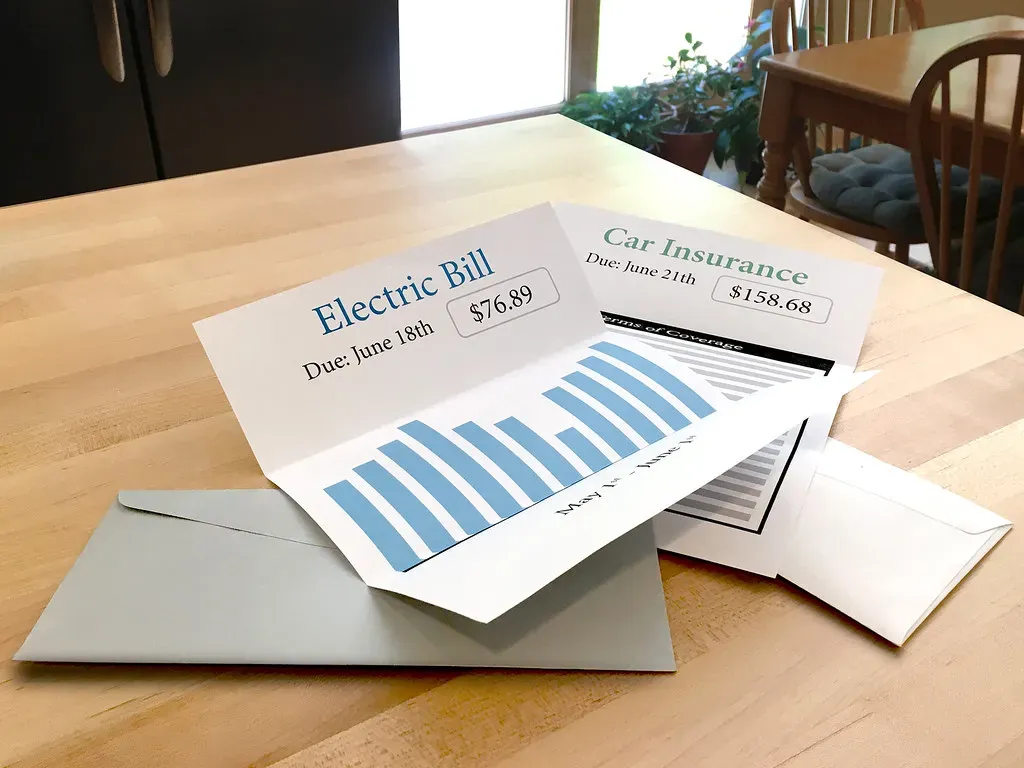
Before you can tackle a problem, you need to understand its true size. NV Energy expects the average July electric bill in Southern Nevada to be $304 for single-family residential customers and $180 for multi-family residential customers. That’s the baseline you’re working against, and honestly, for larger homes or properties with pools, it often climbs higher.
During peak summer months, residential energy use often exceeds 1,500 kWh per month, compared to the statewide average of 877 kWh. That puts real-world bills in the $140 to $170 range for typical single-family homes, and often $250 or more for large homes or properties with swimming pools. The math is blunt and unforgiving.
In summer, cooling alone can account for over 60% of a home’s power consumption, especially in older or less efficient buildings. Think of it this way: if your air conditioner were a person, it would be the one roommate eating most of the groceries. Knowing this shapes every decision that follows.
Set Your Thermostat at the Right Temperature
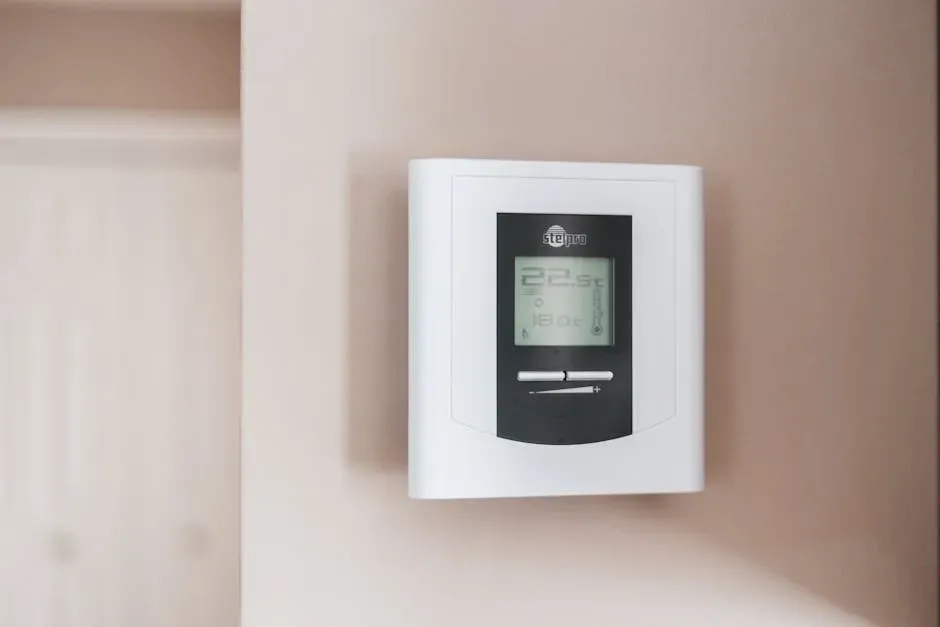
Here’s the thing most people resist but can’t really argue with: the thermostat setting matters enormously. The U.S. Department of Energy says in order to be energy-efficient while cooling your home appropriately, set the air conditioner to 78 degrees Fahrenheit. That number tends to annoy people. It sounds warm. It is a bit warm. But it’s where efficiency and comfort actually meet.
In the summer, the DOE recommends setting your thermostat to 78°F when you’re home and 85°F when you’re away. Every degree below 78°F increases your cooling costs by roughly 6 to 8%. That’s not a trivial difference. If you’re keeping it at 72°F because you love that crisp feeling, you’re paying a real premium for it.
According to the U.S. Department of Energy, you can save as much as 10% annually on your cooling bills by turning your thermostat up seven to ten degrees for eight hours a day. In Nevada’s summer context, those savings compound quickly over a billing cycle.
Invest in a Smart or Programmable Thermostat
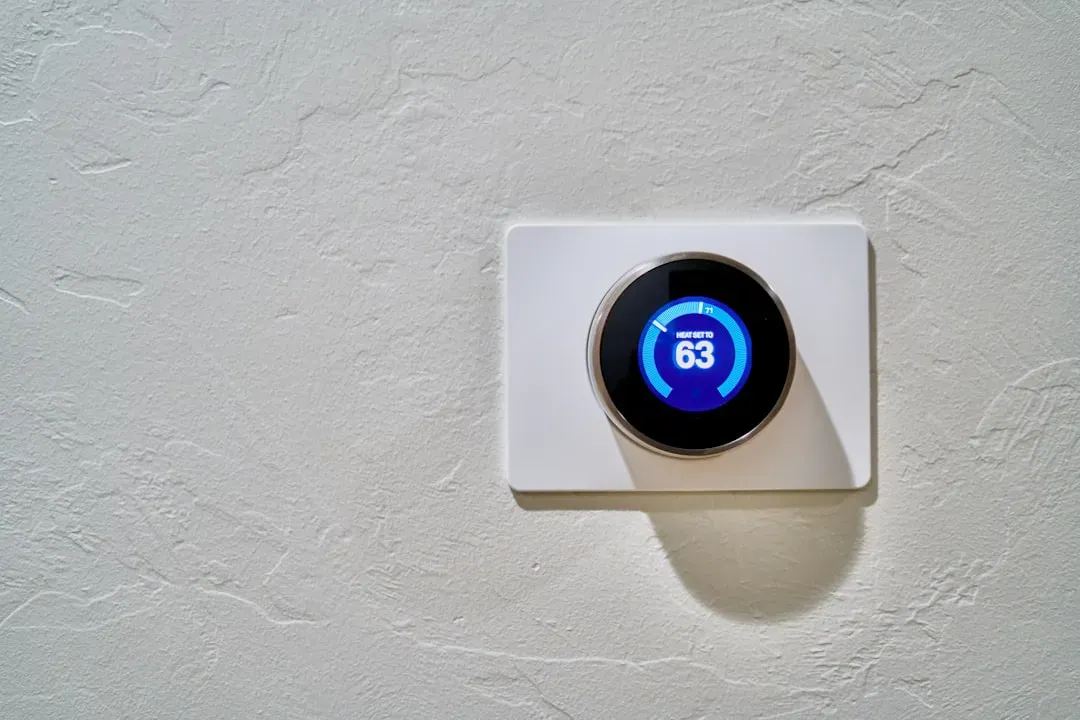
A programmable thermostat is probably the lowest-effort, highest-return upgrade you can make to your home before summer hits. You can save money on your heating and cooling bills by simply resetting your thermostat when you are asleep or away from home, and you can do this automatically without sacrificing comfort by installing an automatic setback or programmable thermostat. Using a programmable thermostat, you can adjust the times you turn on the heating or air-conditioning according to a pre-set schedule.
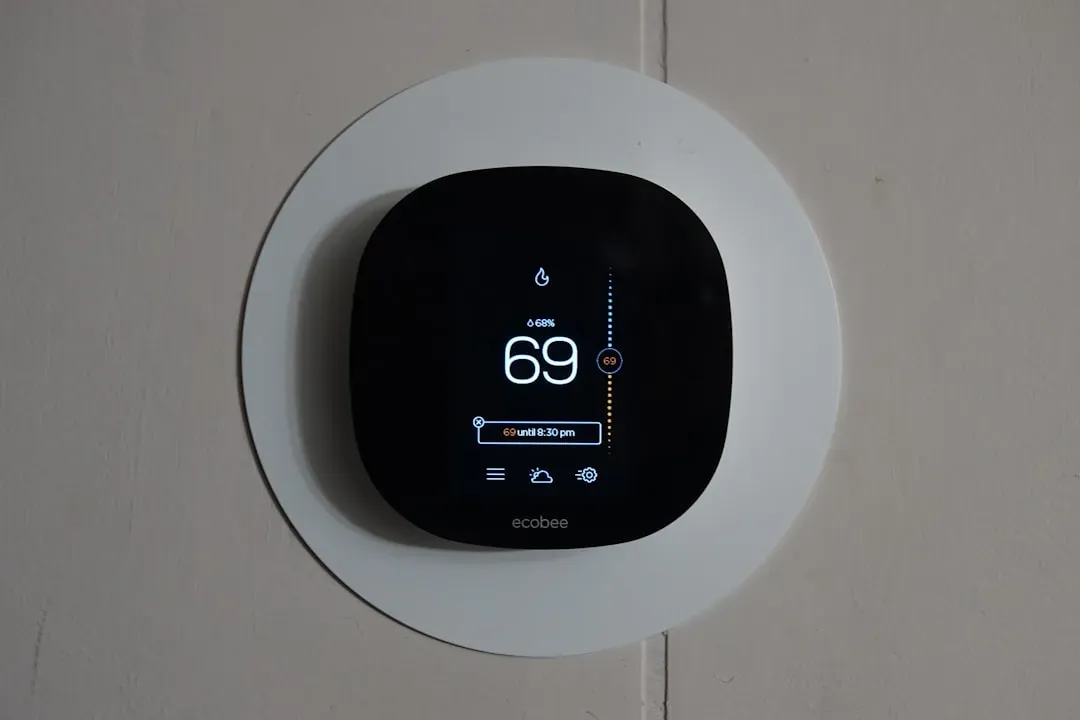
DOE studies show smart thermostats can reduce heating and cooling bills by 10 to 12% on average annually. For Nevada homeowners whose July bill routinely tops $300, that’s real money. Models like the Nest or ecobee go even further by learning your schedule and adjusting automatically, which removes the guesswork entirely.
NV Energy’s PowerShift program also offers rebates for purchasing and installing qualifying smart thermostats, meaning you might not even pay full price for the upgrade. That combination of rebate plus long-term savings makes this one of the smartest early moves you can make.
Seal the Air Leaks You’ve Been Ignoring
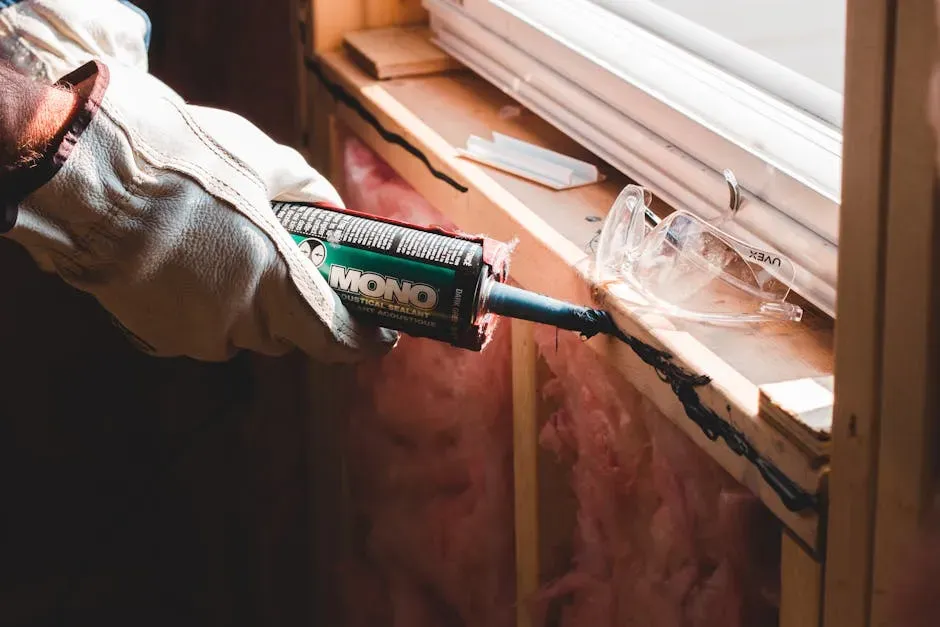
Honestly, air leaks are the silent bill killers in Nevada homes. You can have the most efficient AC in the world, but if your cool air is slipping out through gaps around doors, windows, and attic hatches, you’re essentially air-conditioning your neighborhood. Federal energy efficiency guidance from the U.S. Department of Energy notes that sealing air leaks and improving insulation can reduce cooling costs by roughly 10 to 20%.
The Weatherization Assistance Program in Nevada provides funding for energy efficiency measures such as insulation and air sealing, which reduces drafts and improves insulation to keep homes cooler in summer. Low-income households may qualify for this program at no out-of-pocket cost, administered through the Nevada Housing Division.
Homes with proper insulation and fewer air leaks lose heat slowly, so it doesn’t take as much energy to cool down to a comfortable temperature when you’re home. This is especially true in desert climates where the temperature differential between indoors and outdoors is absolutely massive on a July afternoon.
Use Ceiling Fans to Stretch Your AC Further
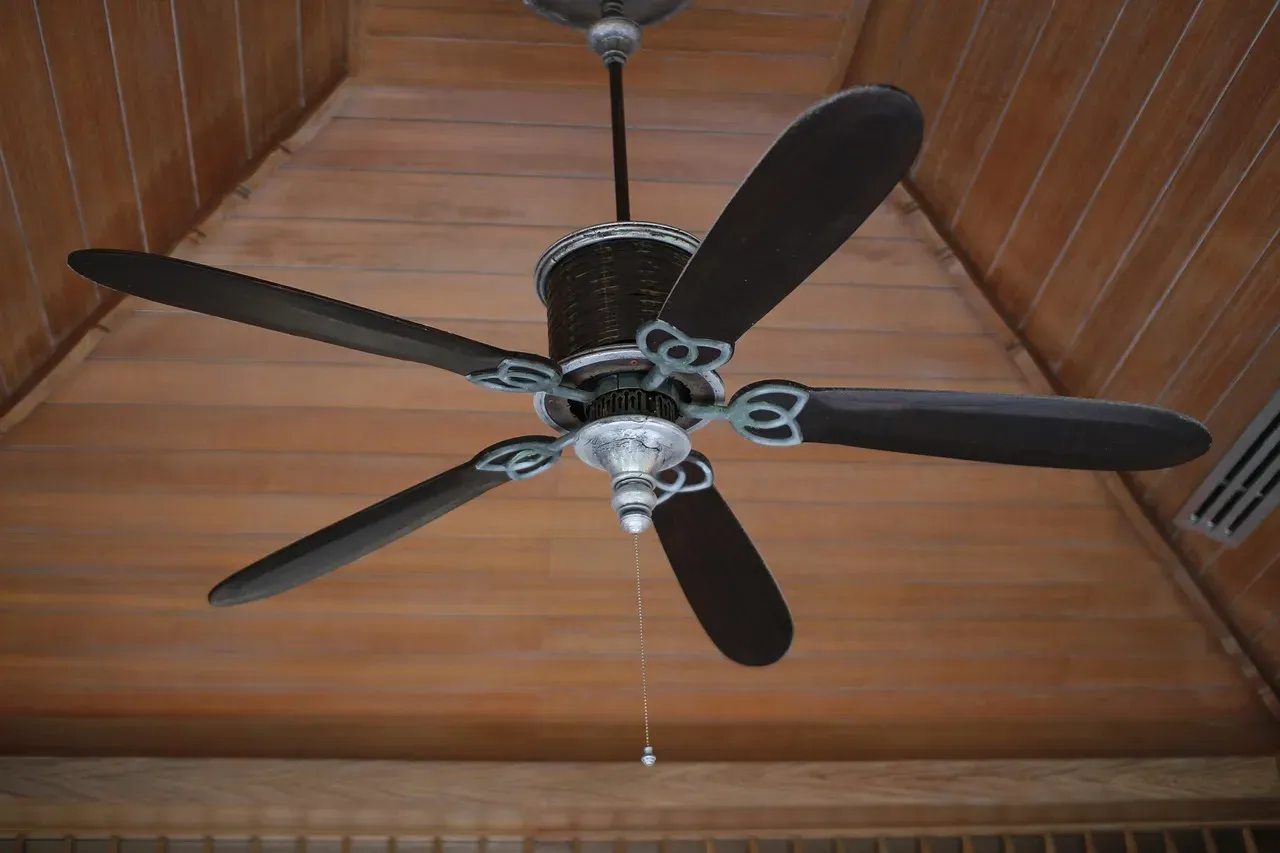
Ceiling fans don’t actually lower room temperature. They create a wind-chill effect that makes you feel cooler, which is a meaningful distinction, but the practical result is the same. The breeze from a ceiling fan won’t replace your home’s air conditioner, but it can decrease the “feels like” temperature in a room by up to four degrees. This means if you set the thermostat to 78°F but have a ceiling fan going, that room will feel like it’s 74°F.
Most fans have a switch that allows you to change the direction the blades circulate. Ceiling fan blades should spin counterclockwise during the summer months. This direction allows the fan to push air down and create a cool breeze. A lot of people don’t know about the direction switch, so this is one genuinely useful tip that costs nothing to implement.
The upside here is real: you can raise your thermostat by several degrees while maintaining the same perceived comfort level. That shift translates directly into a lower monthly bill, and ceiling fans use roughly the same electricity as a light bulb. It’s a lopsided trade-off in your favor.
Upgrade to an Energy-Efficient AC System With Rebates

If your air conditioner is more than ten years old, it’s almost certainly costing you more than it should. The NV Energy PowerShift Program is a joint initiative designed to promote energy efficiency in Las Vegas homes. It focuses on encouraging homeowners to replace their old air conditioners with high-efficiency equipment of 15 SEER or higher, so customers can receive instant rebates, saving money on both replacement costs and long-term energy expenditure.
The program offers different levels of rebates depending on the system installed: Central Air Conditioners carry rebates up to $1,360, with income-qualified individuals eligible for up to $3,060. Air Source Heat Pumps can qualify for standard incentives up to $2,040, with enhanced rebates of up to $3,400 for income-qualified customers.
NV Energy PowerShift operates on first-come, first-served funding. The program exhausted its $7.845 million budget in July 2024 and required emergency reallocation of $1.5 million to restart. For 2025, a proposed budget of $10 million is pending regulatory approval. Apply early. These funds go faster than you’d think when summer heat arrives.
Shift Your Energy Use to Off-Peak Hours
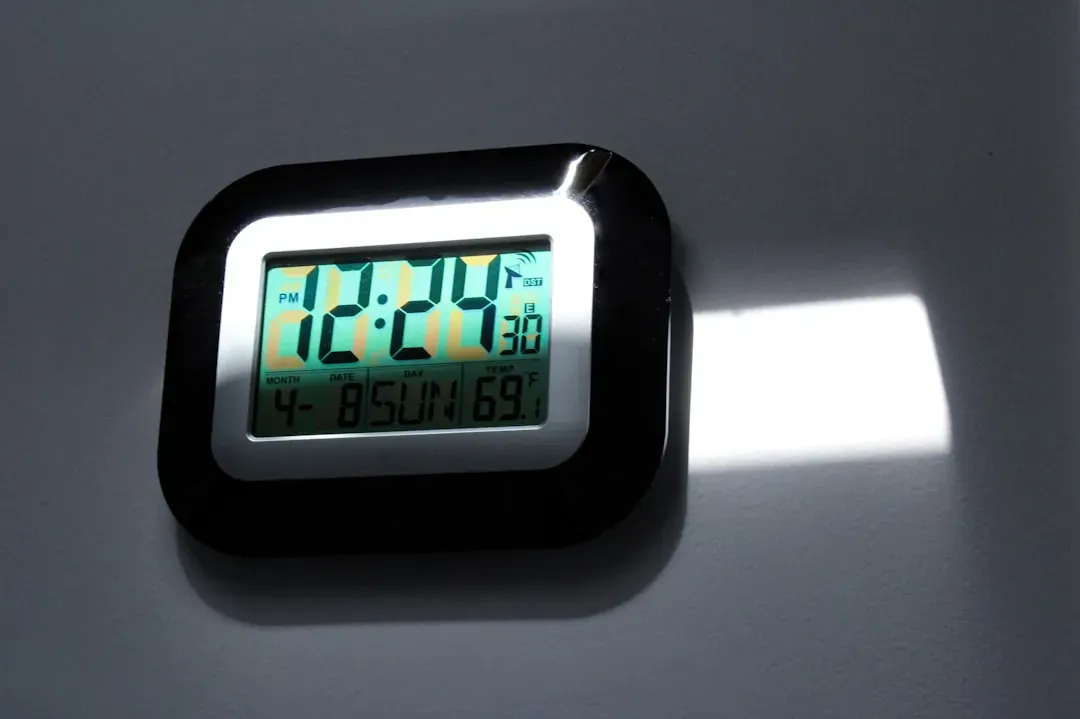
Nevada’s utility pricing structure offers a genuine opportunity if you’re willing to rethink your daily habits. NV Energy offers optional Time-of-Use plans, where electricity is cheaper during off-peak hours and more expensive, historically over 18 cents per kWh, during peak times typically running from 1 PM to 7 PM. That window during the afternoon is exactly when desert heat is at its worst and your AC is working hardest.
NV Energy offers TOU plans that charge based on when you use power, not just how much. Running the washer or dishwasher during peak hours may not seem like much, but if your AC is blasting at the same time, you could burn through 30 or more kWh in a single day. That’s nearly $6 in electricity in just 24 hours. Multiply that by 30 days and you see how summer bills climb past $200.
The fix is almost embarrassingly simple: run your dishwasher, laundry, and oven after 7 PM or before 1 PM. Pre-cool your home in the early morning before temperatures spike. Little shifts in timing add up to meaningful savings over a full summer month.
Switch to LED Lighting and Energy-Efficient Appliances
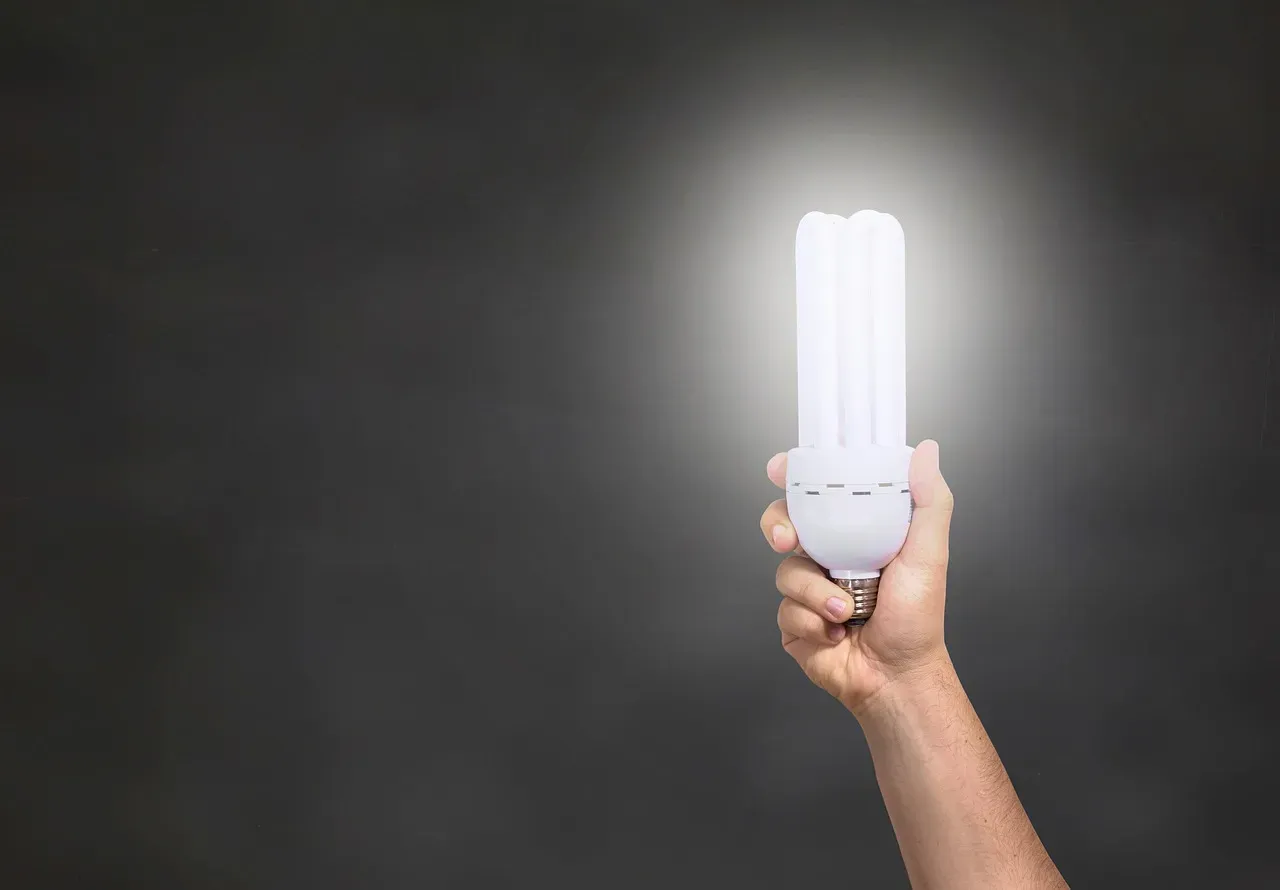
It’s easy to overlook lighting and appliances when you’re focused on your massive AC bill. But these secondary energy draws add up, and they also generate heat, which then makes your air conditioner work even harder. In a desert home, it’s a compounding problem. ENERGY STAR reports that switching to energy-efficient appliances and LED lighting can reduce total home energy use by up to roughly a quarter, which helps meaningfully offset peak summer costs.
Switching conventional incandescent light bulbs to LED bulbs reduces electricity consumption from lighting significantly. LEDs also generate far less heat than older bulb types, which keeps your indoor temperature down and reduces the burden on your cooling system during those brutal July afternoons.
Time your appliances such as ovens, dishwashers, and washer and dryers carefully. In summer they can generate extra, unneeded heat when you are trying to keep your home cool. Cooking outdoors on a grill during July isn’t just culturally appropriate for Nevada summers. It’s actually smart energy management.
Explore Rooftop Solar for Long-Term Relief
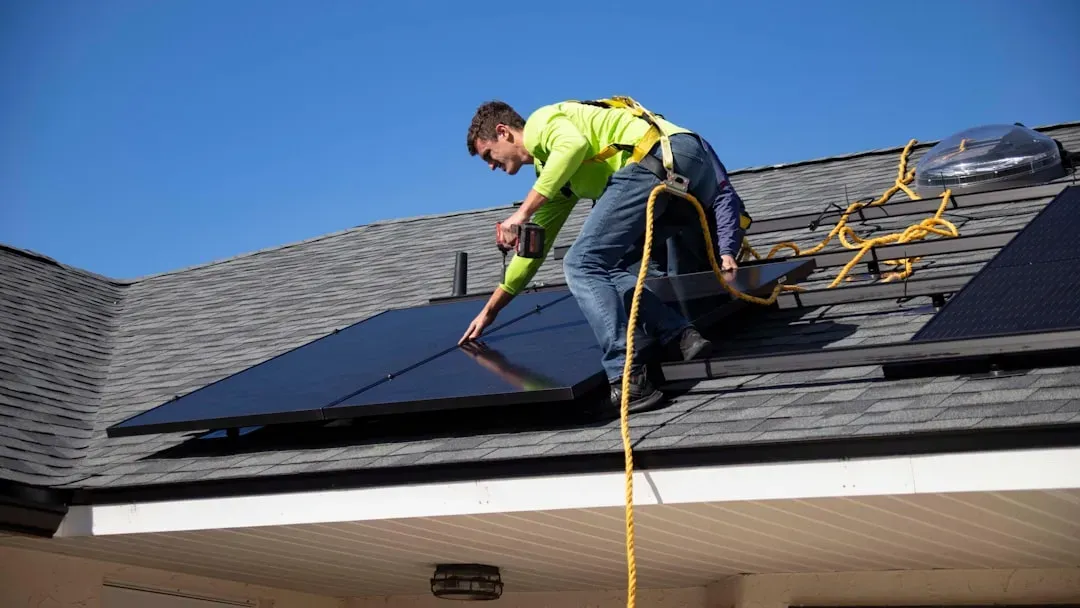
Nevada is one of the best places on the planet to put solar panels on your roof. That’s not hyperbole. Las Vegas is one of the best places in the U.S. for solar energy. The city receives over 290 sunny days per year, making it ideal for efficient solar panel performance. With high solar irradiance and long daylight hours, panels in Las Vegas generate more electricity per square foot than in most other cities.
Nevada is a pro-solar state in terms of both regulations and economics. NREL data confirms Nevada consistently ranks among the top states for solar capacity per capita when measured on a watts-per-resident basis, making it one of the more solar-saturated states in the country relative to its population size.
Federal tax credits are currently available to Nevadans to make energy-efficient and clean energy home upgrades. For the next ten years, residents can save money on things like solar panels, heat pumps, battery storage, electric appliances, and energy efficiency measures. Pairing rooftop solar with a battery storage system means you can generate power during peak daylight hours and use stored energy when grid prices spike in the afternoon.
Take Advantage of Nevada’s Energy Rebate Programs
A lot of Nevada residents leave money on the table simply because they don’t know what programs exist. NV Energy offers a range of incentives through its PowerShift program to help homeowners save energy and money, and these incentives include rebates for various energy-efficient upgrades and services. Beyond the AC rebates, these include rebates for replacing old HVAC systems with high-efficiency models, discounts on energy-efficient LED lighting, and free home energy assessments to identify opportunities for energy savings.
Nevada is eligible for $48.2 million through the federal Home Efficiency Rebates Program under the Inflation Reduction Act. Lower and moderate-income families can receive up to $14,000 in upfront savings on clean energy upgrades for a home or apartment. Those are serious numbers that could fund insulation, smart thermostats, and HVAC upgrades simultaneously.
Energy efficiency has the potential to cut the average Nevada household’s utility bill by more than half. That’s an ambitious figure, but it illustrates the ceiling of what’s possible when you stack multiple improvements together. A smarter thermostat, sealed air leaks, an upgraded AC unit, and some behavioral shifts could genuinely be the combination that gets your July bill under $200.
Conclusion
Keeping your Nevada energy bill under $200 in July isn’t a fantasy, but it does require intention. The heat isn’t going anywhere. Many frustrated local residents have no choice but to pay costly electric bills as record-breaking temperatures bake Las Vegas. The difference between those residents and the ones who manage their bills effectively usually comes down to preparation, not magic.
The tools are available: thermostat discipline, strategic fan use, off-peak shifting, efficiency upgrades, rebate programs, and solar. None of these individually will slash your bill in half. Together, applied consistently, they absolutely can. The data backs it up, and so does the lived experience of Nevadans who have made these changes.
The real question isn’t whether these strategies work. It’s whether you’ll act before the July bill arrives, or after. What changes are you planning to make this summer? Tell us in the comments.