Let me be real with you. Climate change is scary. The rising temperatures, extreme weather events, and uncertain future are enough to keep anyone up at night. Eco-anxiety refers to distress arising from climate and environmental changes, with children and young people particularly affected. This feeling is not just limited to activists or scientists anymore. It affects millions across the globe, showing up as persistent worry, helplessness, and overwhelming fear about our planet’s future.
Here’s where things get interesting. You probably already have unique strengths that can help you cope with this anxiety, and they might be tied to how you understand yourself. Whether you believe in astrology or not, thinking about your natural tendencies, like creativity or practicality, can become a powerful framework for turning fear into action. So let’s dive in.
Understanding What Eco-Anxiety Really Means

Recent research has documented significant and growing levels of climate anxiety in the 25-and-under group, with even preschoolers sometimes showing symptoms. It’s not something you’re imagining. Eco-anxiety refers to distress arising from environmental degradation, especially concerning climate change, and mental health experts worldwide are paying attention. The thing is, this anxiety is not a mental illness or disorder. It’s a natural response to a real threat.
Nearly 60% of young respondents described themselves as very or extremely worried about climate change, with more than 45% saying that those feelings adversely affected their daily functioning. That’s a huge number. The distress is real, and understanding it as a rational emotional response is the first step to managing it effectively.
Recognize Your Strengths to Build Resilience

Think about the traits you naturally lean toward. Are you someone who takes charge, shows empathy, or solves problems creatively? Research on resilience as a personality trait shows it is linked to constructs such as emotional stability, openness to experience, optimism, sense of coherence, control, and self-efficacy. These aren’t just buzzwords. They’re survival tools.
Students with higher scores on personality traits like optimism and emotional stability, and with better social support, reported higher resilience in the face of stress. If you’re naturally optimistic, channel that into imagining positive climate futures. If you’re practical and grounded, focus on concrete solutions you can implement. Knowing what you’re good at helps you respond to anxiety instead of being paralyzed by it.
Ground Yourself with Mindfulness and Nature Connection
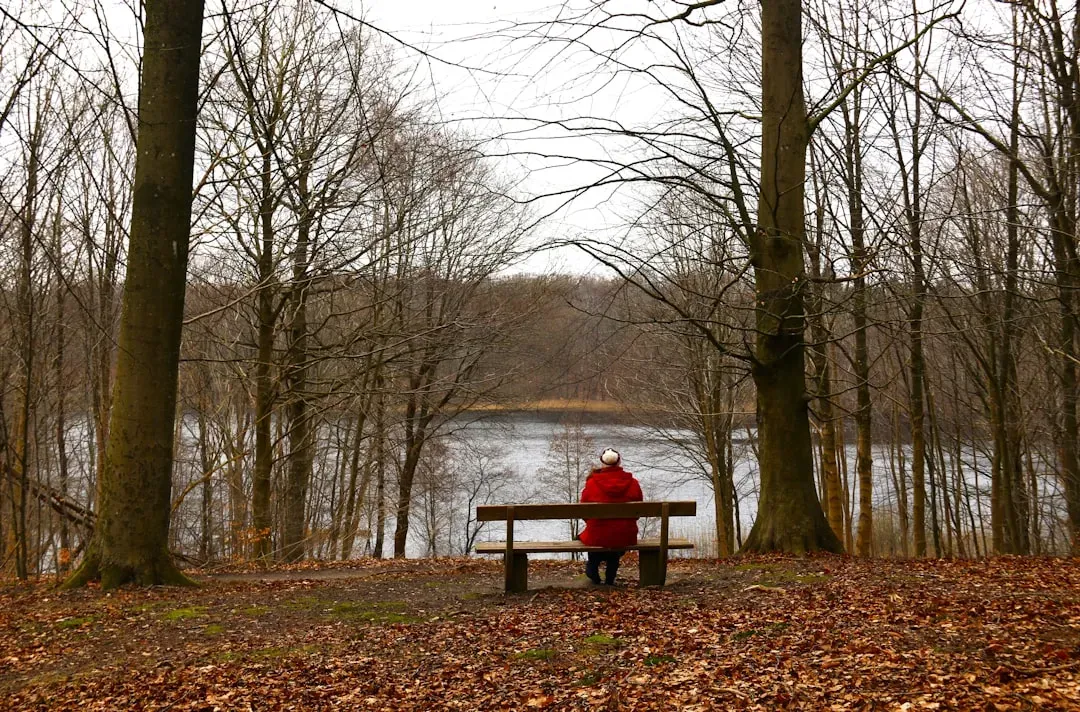
Feeling anxious often pulls you into your head, spiraling into worst-case scenarios. Studies show that grounding exercises produced statistically significant increases in parasympathetic activation and decreases in stress, indicating reduced anxiety. Mindfulness isn’t some new-age fluff. It’s scientifically backed.
Focused attention on the breath, grounding via mindfulness of the body, and resting in relative stillness all help ease the symptoms of anxiety. Try the simple 5-4-3-2-1 technique: name five things you see, four you can touch, three you hear, two you smell, and one you taste. Incorporating stress reduction techniques like yoga, mindful walking, deep breathing, and meditation into your daily routine can help manage overwhelming emotions from eco-anxiety. These practices remind you that you’re safe right now, in this moment.
Turn Anxiety into Purpose Through Small Actions

Honestly, one of the best antidotes to eco-anxiety is action. Feeling powerless is what drains you. Taking even tiny steps gives you back control. Research consistently shows that small, achievable climate actions reduce feelings of helplessness. Simple things like reducing waste, choosing sustainable products, or eating less meat can shift your mindset.
Adjusting small habits in your daily routine, such as eating less meat, cutting down on food waste, and choosing more sustainable products, can contribute to a larger collective effort and lead to significant change when replicated across communities. It’s about progress, not perfection. Even planting a small garden or fixing something instead of buying new demonstrates that you’re part of the solution, not the problem.
Connect with Community and Collective Action
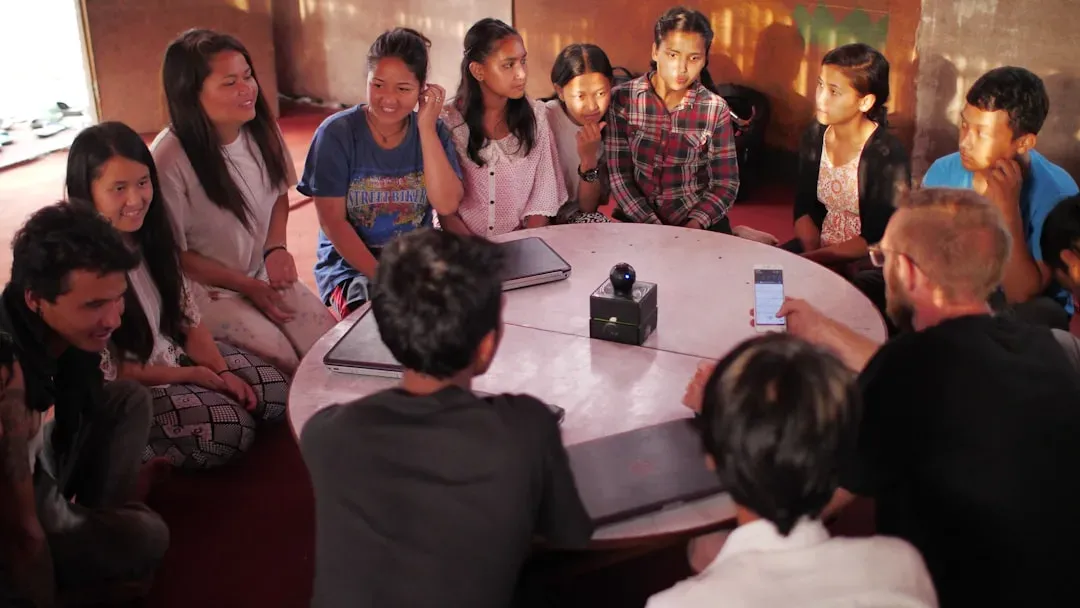
You don’t have to carry this burden alone. Collective action provides individuals with a platform to express their concerns and find comfort in a shared understanding of the issues, acting as a psychological buffer against feelings of despair or helplessness. Joining climate groups, attending local environmental meetings, or even participating in online forums can make a massive difference.
A study led by the Yale School of Public Health found that collective action can serve as a potential buffer against the impacts of eco-anxiety. Being around others who share your values creates solidarity. It reminds you that millions of people care just as much as you do. Plus, working together amplifies your impact far beyond what one person can do alone.
Seek Out Social Support and Open Conversations
Talking about your fears isn’t weakness. It’s wisdom. A 2024 survey found that nearly 62% of young people tried to talk to others about climate change, yet nearly 58% felt ignored or dismissed. That dismissal hurts, but finding the right people to talk to is critical. Whether it’s friends, family, support groups, or therapists, sharing your worries lightens the load.
When people listen and validate your feelings, it builds emotional resilience. You realize you’re not overreacting or being dramatic. Your concerns are justified, and processing them with others helps you cope more effectively.
Use Your Natural Creativity or Analytical Skills
If you’re creative, use art, writing, music, or storytelling to express your climate anxiety. Creativity offers an outlet for complex emotions and helps others understand what you’re feeling. If you’re more analytical, dive into the science. Learning accurate information about climate change from reliable sources reduces uncertainty and worry.
Some people thrive on data and facts; others need emotional expression. Both are valid and valuable. Knowing which approach suits you lets you harness your natural strengths to process anxiety in a healthy way.
Build a Balanced Routine for Mental Health
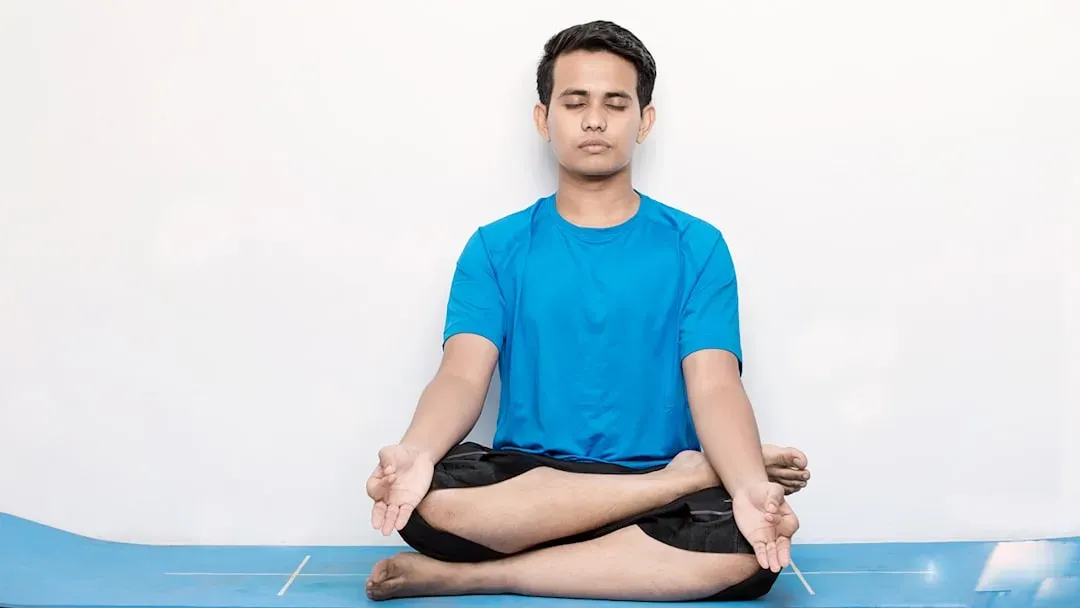
Research shows that positive personality traits such as hope, optimism, and self-compassion, along with supportive interpersonal connections, can promote positive affect following a stressor, and higher levels of positive affect may protect individuals from stress-related depression and trauma symptoms. Sleep, exercise, creativity, and values-focused living are all essential for managing stress, including eco-anxiety.
Burnout is real, especially for people deeply invested in environmental issues. Taking care of yourself isn’t selfish. It’s strategic. You can’t pour from an empty cup, as the saying goes. Rest, play, hobbies, and downtime recharge your emotional batteries so you can stay engaged for the long haul.
Reframe Your Strengths as Climate Tools
Let’s be honest, different people bring different gifts to the table. Maybe you’re naturally empathetic and connect well with others – that makes you excellent at building community networks. Perhaps you’re a natural leader who can organize events or campaigns. Or you might be highly detail-oriented, perfect for tracking sustainable practices or researching policy solutions.
Resilient individuals are described as warm, capable of forming close relationships, self-confident, productive, persistent, and consistent in pursuing goals, with traits like optimism, curiosity, and openness to new experiences. Whatever your natural strengths, they can be repurposed as tools for climate action. Recognizing this shifts your identity from anxious bystander to empowered participant.
Learn From Credible Sources and Avoid Doomscrolling

Social media can be a double-edged sword. On one hand, it raises awareness. On the other, endless streams of climate disasters can trigger overwhelming despair. Balancing accurate information with mental well-being is crucial. Seek out reputable environmental news sources that also highlight solutions and progress, not just catastrophes.
Reading positive stories about sustainability innovations and climate action can boost self-awareness, improve focus, and keep you connected to the present without feeling overwhelmed. Knowledge is power, but drowning in negativity drains that power. Curate your media diet carefully.
Transform Guilt into Constructive Energy

Guilt and shame are common with eco-anxiety, but they’re not helpful motivators long-term. Instead of beating yourself up for not doing enough, focus on what you can do. Coping starts with acceptance – once we allow ourselves to feel, we can begin to shift from anxiety to action. Self-compassion matters.
You’re one person in a massive, complex system. Yes, individual actions matter, but systemic change requires collective effort and policy shifts. Letting go of the idea that you alone must fix everything frees you to contribute meaningfully without the crushing weight of impossible expectations. Redirect that guilt into purposeful, sustained engagement rather than paralyzing self-blame.
Conclusion: Your Strengths Are Your Climate Superpower
Eco-anxiety is real, but it doesn’t have to control your life. By tapping into your natural strengths – whether that’s empathy, leadership, creativity, or practicality – you can transform fear into meaningful action. Grounding techniques, community connection, small sustainable habits, and balanced self-care all work together to build resilience.
The journey from eco-anxiety to eco-optimism represents a transformative process fueled by community, collaboration, and inspiration, with activists channeling anxiety into actionable change and embodying the spirit of resilience needed to solve the climate crisis. You already have what it takes. The question isn’t whether you’re strong enough. It’s how you’ll use your strengths to make a difference.
What small step will you take today to turn worry into action?