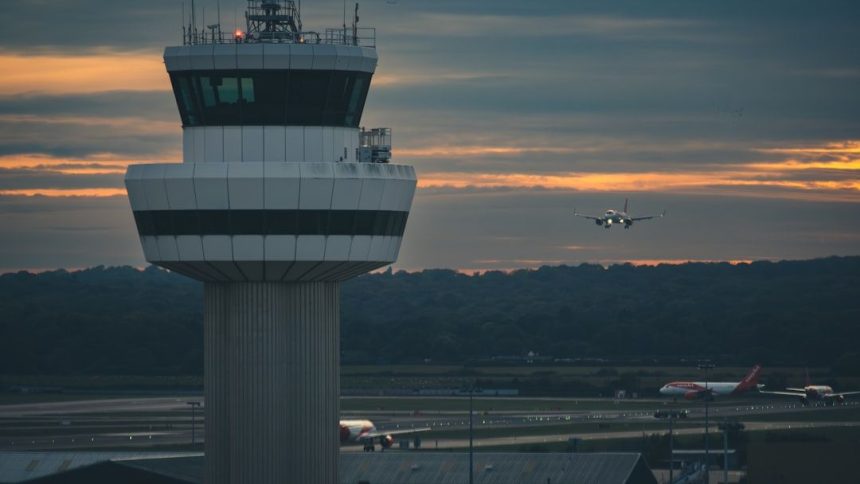
You glance out the terminal window at Harry Reid International Airport and see nothing but blue skies. Perfect flying weather, right? Yet the departure board flashes another delay. Your flight won’t leave for hours. Welcome to one of air travel’s most confusing realities.
Harry Reid International Airport handled nearly 58 million passengers in 2023, making it one of the nation’s busiest hubs. Those millions of travelers regularly experience something counterintuitive: flights grounded under sunny Nevada skies. The delays aren’t because of local thunderstorms or gusty desert winds. They stem from a complex web of nationwide air traffic issues that ripple across the country, affecting airports thousands of miles away from the actual problem.
Why Terminal Layout Matters When Delays Hit
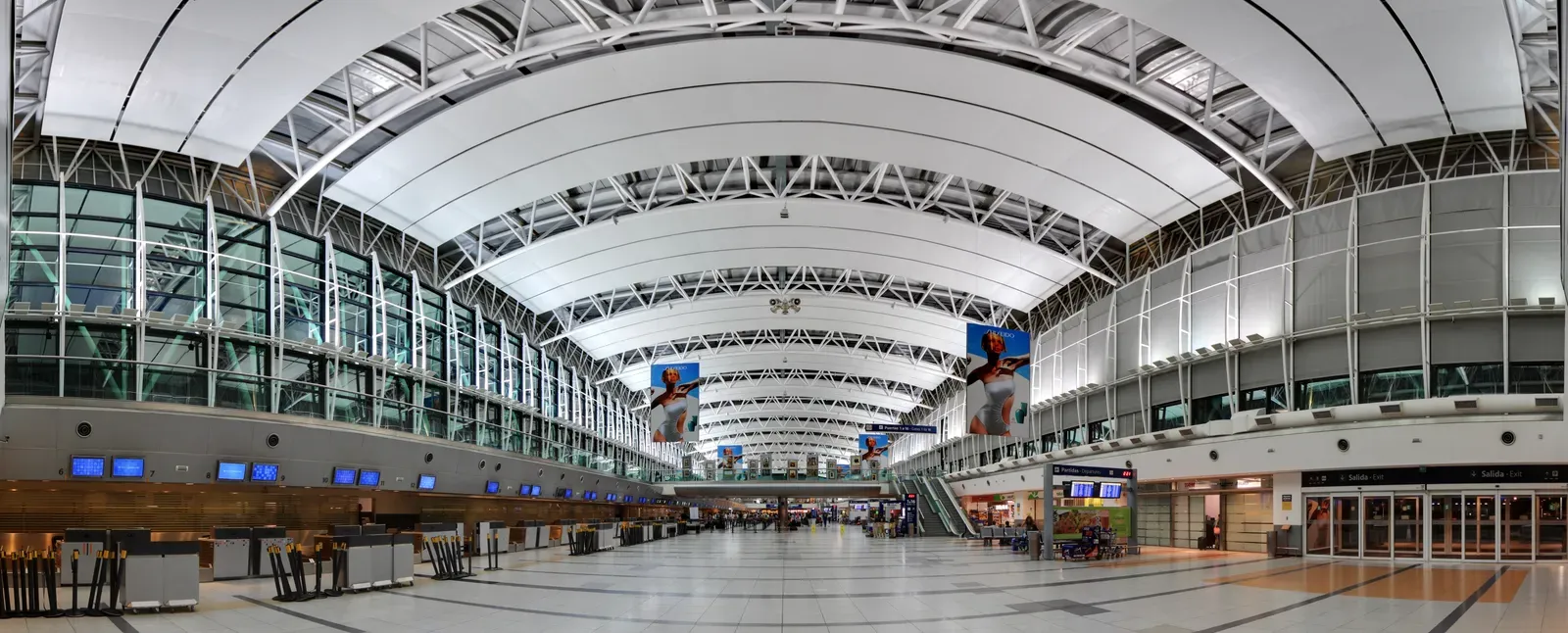
Harry Reid International Airport operates with two main terminals: Terminal 1 primarily handles domestic flights, while Terminal 3 manages international and some domestic operations. Knowing this matters when you’re stuck during a delay.
Passengers can use airport trams to connect between gates, and a shuttle bus runs every 20 to 30 minutes between terminals, but once you pass through security, airside trams allow travel between all gates. During weather holds or ground stops, this layout means you might be sitting at your gate for hours without easy access to better food or amenities in another terminal. The setup works beautifully when flights run smoothly. It’s less ideal when you’re stuck waiting.
The Weather Somewhere Else Problem
Here’s where things get interesting. Ground delay programs are instituted by the Federal Aviation Administration when events occur at an airport including inclement weather such as reduced visibility, thunderstorms, or snow, or when a large volume of aircraft head to an airport or travel en route to another airport in the same flight path.
Picture a massive line of thunderstorms parked over Chicago or a blizzard shutting down Newark. Aircraft scheduled to land there get held at their origin airports. Those planes were supposed to continue on to Las Vegas after their Chicago stop. Suddenly, LAS doesn’t have the aircraft it needs for outbound flights. Crews are stuck on the wrong side of the country.
Managing disruptions in airspace capacity caused by bad weather, traffic overloads, or emergencies requires consideration of who or what may be impacted by events, and without a coordinated response, local flight delays due to small disruptions can quickly ripple across the entire United States, causing large-scale rerouting, flight cancellations, and significant widespread delays. Your sunny Vegas afternoon becomes a casualty of storms you’ll never see.
Ground Stops vs Ground Delay Programs
Ground Delay Programs are implemented to control air traffic volume to airports where projected traffic demand exceeds the airport’s acceptance rate for a lengthy period, normally as a result of the airport’s acceptance rate being reduced for some reason, with the most common reason being adverse weather such as low ceilings and visibility. During a GDP, flights get assigned controlled departure times that meter arrivals.
Ground stops are more severe. Ground stops are implemented for a number of reasons, most commonly to control air traffic volume when projected demand is expected to exceed acceptance rate for a short period, or when the affected airport’s acceptance rate has been reduced to zero. Everything just stops. No departures. No arrivals. Wait it out.
In June 2025, FlightAware reported 469 flights were delayed out of Las Vegas and eight were cancelled during one such incident. Travelers sat in terminals under clear skies while distant weather dictated their fate.
Air Traffic Controller Staffing Creates Invisible Bottlenecks
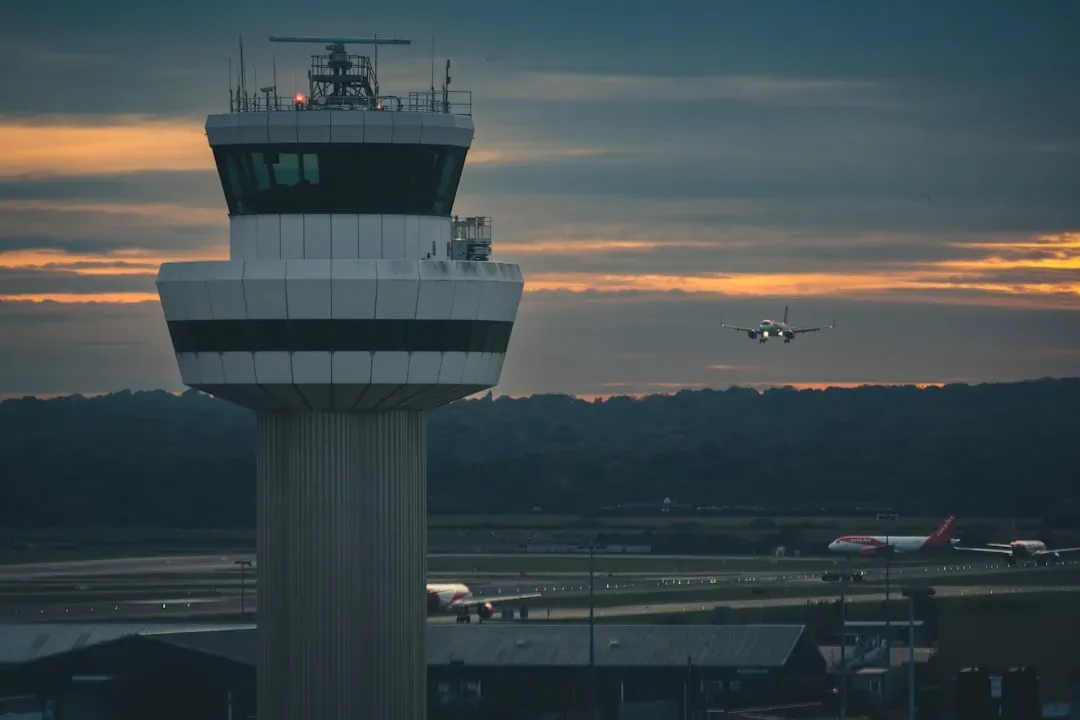
Let’s be real: staffing issues have become a massive factor in modern flight delays. There were 13,744 total air traffic controllers on board as of September 2024, including 3,044 in training roles, with total air traffic control staffing increasing during the last two fiscal years after declining each year since fiscal year 2018.
That sounds like progress until you dig deeper. As of September 2024, over 40 percent of FAA-controlled terminals were understaffed, with North Dakota’s Grand Forks Tower being the nation’s most understaffed facility at 53.3 percent of target air traffic controllers on staff. When towers and control centers lack personnel, they reduce the number of flights they can safely manage.
When there aren’t enough controllers, the FAA must reduce the number of takeoffs and landings to maintain safety, which causes flight delays and possible cancellations, as happened when the control tower at Hollywood Burbank Airport shut down for several hours, leading to average delays of two and a half hours. Las Vegas feels these impacts even when its own facility is fully staffed.
Seasonal Volume Surges Strain the System
July was the busiest month at Harry Reid International Airport in 2024 with approximately 5.15 million passengers, followed by December with 5.07 million and May with 5.05 million, while June attracted 4.97 million passengers and August drew 4.95 million. These summer and winter peaks overwhelm already-tight capacity.
Honestly, the math is brutal. More flights competing for the same amount of airspace and runway time means controllers must space aircraft farther apart. Arrival rates drop. Delays pile up. Harry Reid had 1,511 total delayed flights during the 2024 holiday season study period, second only to San Francisco International Airport which had 1,568, with Miami International Airport third at 1,073 delayed flights.
The airport infrastructure hasn’t expanded at the same pace as demand. You end up with a system running near its limits even on good days. Add one hiccup anywhere in the country and the whole thing starts to buckle.
How Traffic Management Programs Work
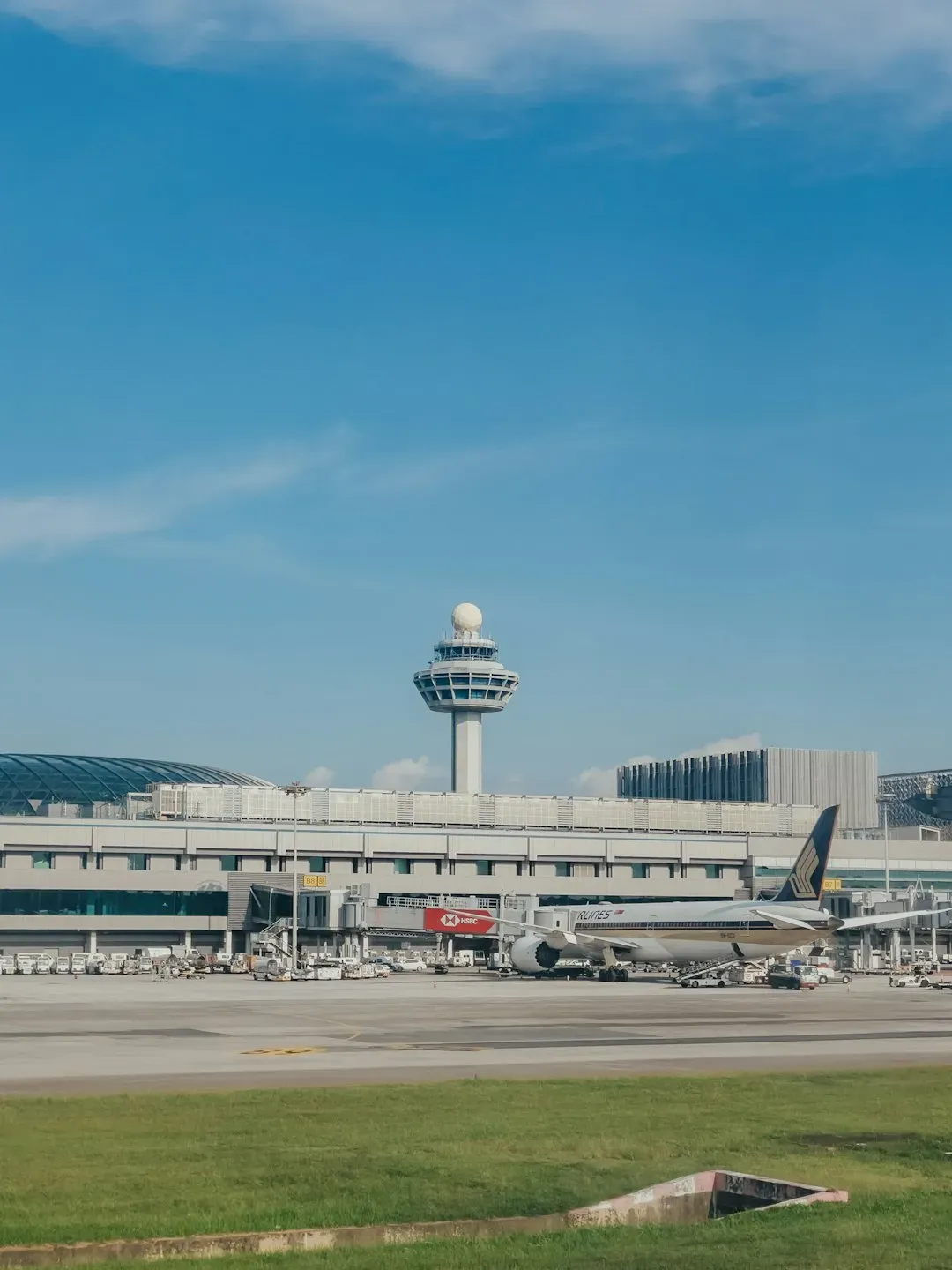
The first step for implementing a ground delay program is setting an Airport Acceptance Rate, which is the number of aircraft an airport can accept in a one-hour period, with the Aviation System Airport Performance Metrics taking into consideration the runways in use, weather conditions, and NAVAID limitations to set a baseline rate for all of the nation’s busiest airports.
Traffic managers at the Air Traffic Control System Command Center in Virginia monitor this constantly. They see demand building at an airport. They calculate how many aircraft can safely land per hour. When demand exceeds capacity, they implement flow control measures.
The planning team’s strategic placement of airspace flow programs with reduced hourly flow rates allows airlines to prioritize and plan which scheduled flights to route through restricted airspace, while ground delay programs are used to temporarily hold aircraft at their departure airports to reduce the number of flights going into an impacted area. It’s essentially a nationwide game of traffic management played in real time.
Why Two Hours Early Actually Matters
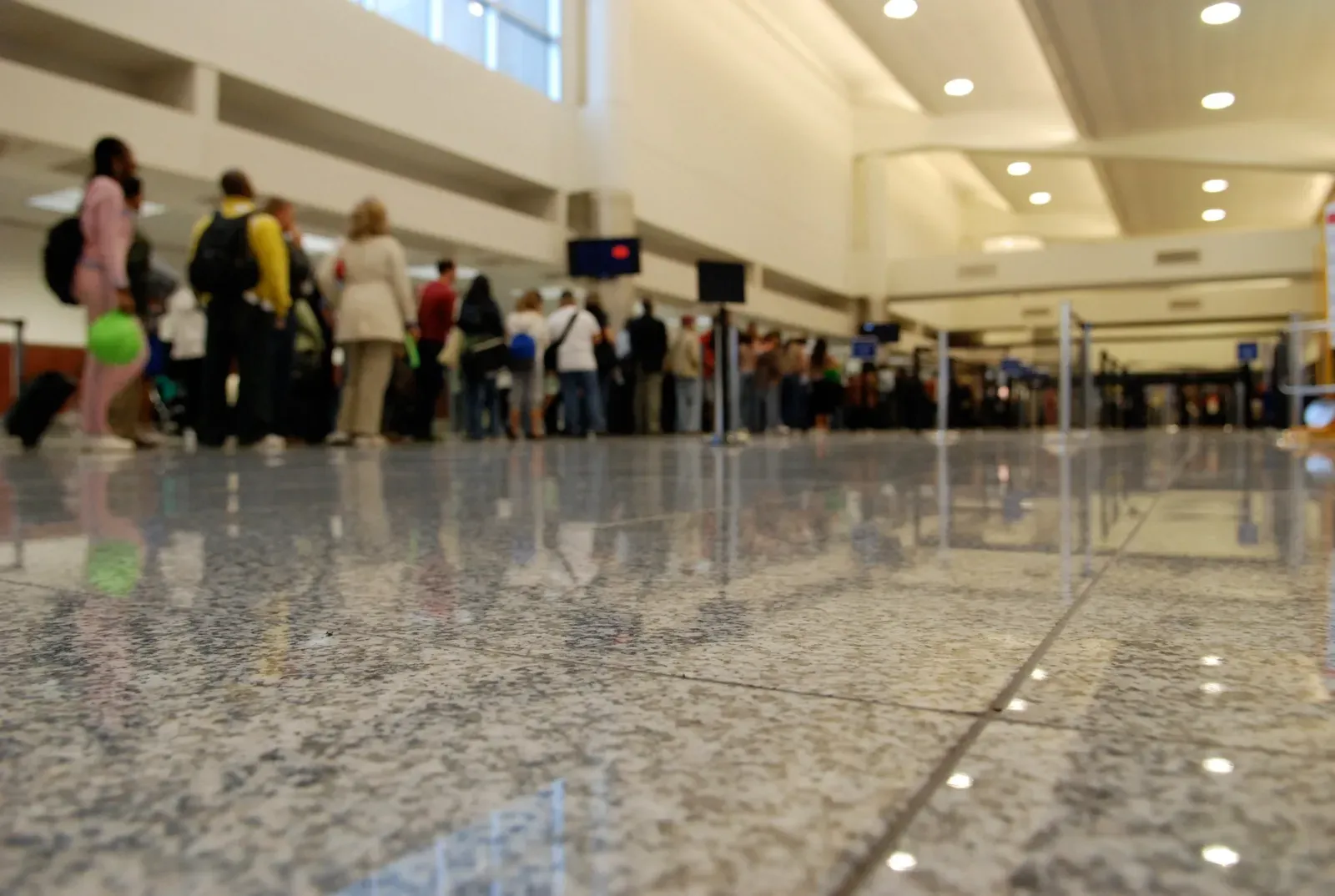
Airport officials constantly recommend arriving at least two hours before departure. It sounds excessive for a domestic flight. Here’s the thing: it isn’t.
LAS has three security checkpoints in Terminal 1 and one in Terminal 3, with the security checkpoint immediately above the central check-in area being best for A and B gates, the checkpoint south of check-in being best for C gates, and the checkpoint above baggage claim serving C or D gates. Security wait times fluctuate wildly depending on when you arrive.
During peak periods, roughly about one in four flights at LAS experiences some form of delay. You might check in smoothly, clear security fast, then find your flight suddenly pushed back three hours due to a ground stop at your destination. That two-hour buffer gives you time to rebook, grab food, or make alternate plans before panic sets in.
Technology Outages Create Nationwide Chaos
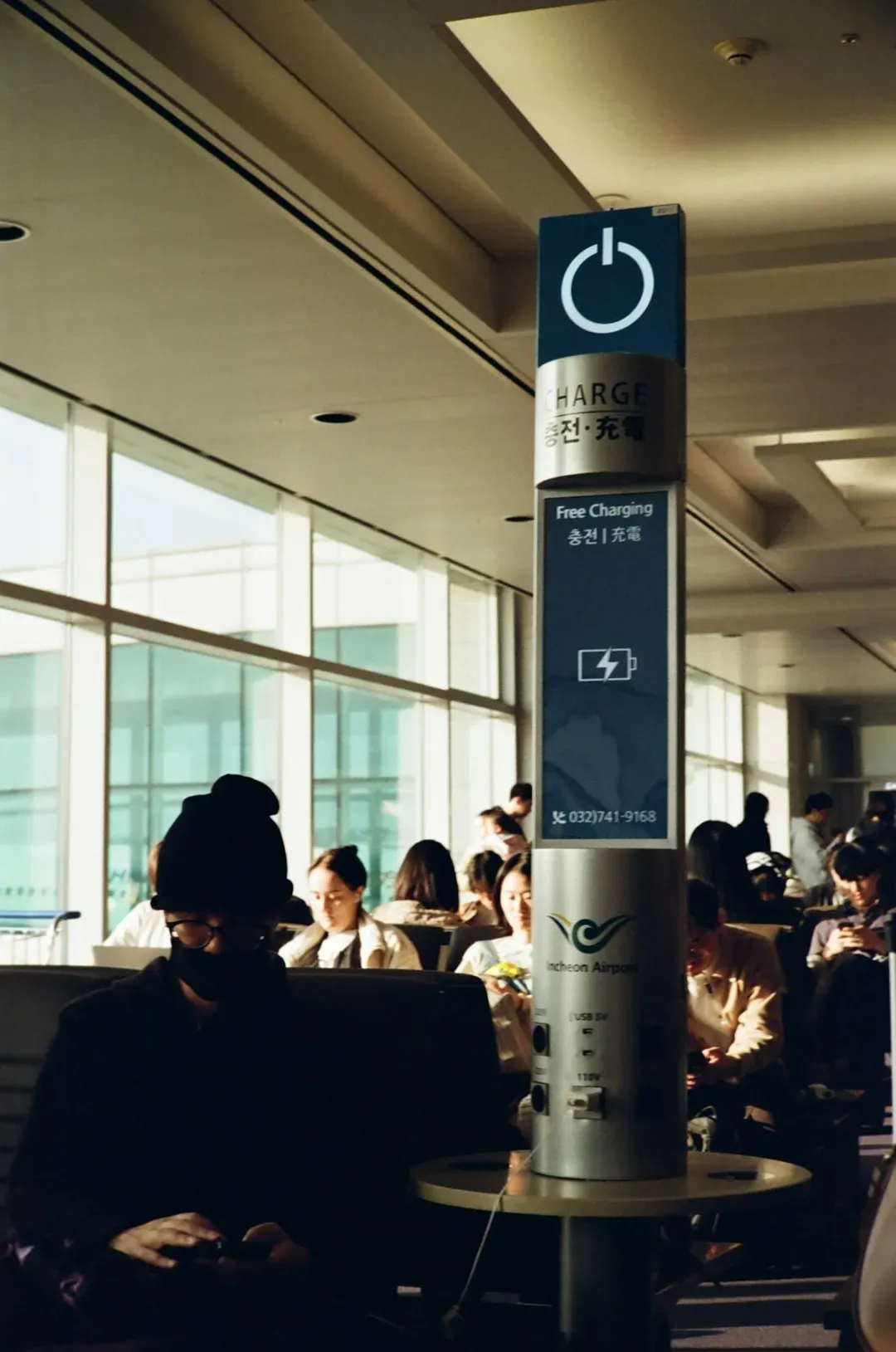
Arriving and departing flights at Harry Reid were affected by a global Microsoft outage in July 2024 that also disrupted banks and media outlets across the world, with the Federal Aviation Administration reporting United, American, Delta, and Allegiant airlines had all been grounded. Clear skies meant nothing.
The vulnerability of interconnected systems became painfully obvious. Airlines couldn’t access passenger manifests. Crew scheduling systems went dark. Flights sat grounded not because of weather or staffing but because computers stopped talking to each other.
These incidents highlight how modern air travel depends on layers of technology that passengers never see. When one layer fails, the entire system can freeze regardless of local conditions.
Understanding Cascading Schedule Disruptions
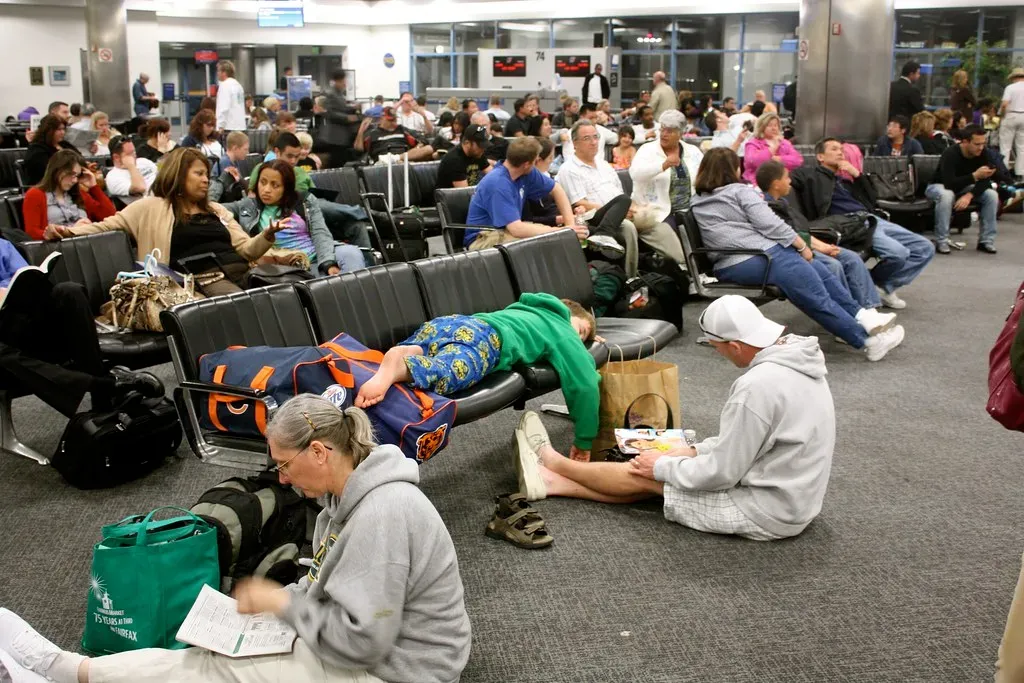
Aircraft don’t just fly one route per day. A single plane might operate six or seven flights between multiple cities. Crews have similar schedules, hopping from airport to airport.
Some flights through impacted airspace may originate at nearby airports with only short intervals from departure to arrival, while other flights may cross the country and be airborne for hours, and a severe long-lived weather impact will require managing short-haul and long-haul flights to effectively control the demand. That morning delay in Boston affects the afternoon departure in Las Vegas because the same aircraft needs to operate both flights.
Airlines try to build recovery time into schedules, but tight turnarounds are the industry standard these days. Lose thirty minutes on one leg and the problems multiply throughout the day. What starts as weather in one region becomes a nationwide scheduling nightmare.
Ground Transportation Options for Long Delays
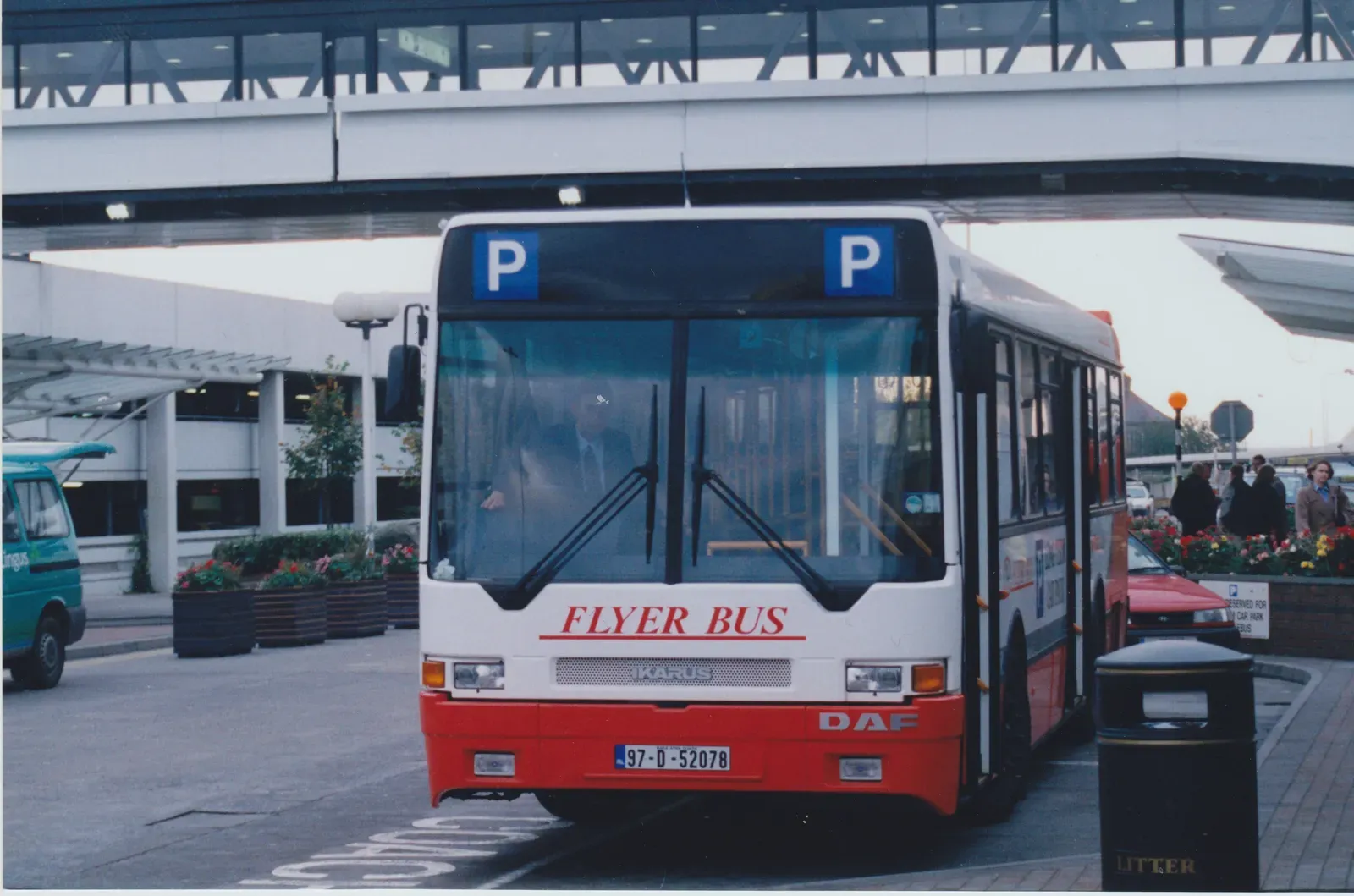
The rental car center is around three miles from the terminals at 7135 Gilespie St, with courtesy shuttle buses operating frequently from Terminal 1 at level 1 outside doors 7 and 10, and at Terminal 3 from level 0 outside door 51 for the west side and outside door 58 for the east side. Knowing these details matters when your delay stretches to five or six hours.
Taxis, rideshare services, and public transportation offer easy and quick ways to reach downtown Las Vegas, the Strip, and other key destinations, with the proximity to central Las Vegas allowing for a swift transition from plane to the heart of the action. Some passengers bail on heavily delayed flights and grab a rental car for a road trip instead. Others head to a Strip hotel to wait out the delay in comfort.
The airport’s location just miles from downtown makes it one of the few major airports where leaving the terminal during a delay is actually practical. You can grab a meal at an actual restaurant instead of paying airport prices.
What Passengers Can Actually Control
You can’t change the weather in Atlanta or fix air traffic control staffing in Newark. You can prepare better. Download your airline’s app before you leave home. Enable flight status notifications. Check the FAA’s National Airspace System Status website if you’re curious about systemic delays.
Harry Reid International Airport achieved a 76 percent on-time departure rate in 2024, with an average delay of 15 minutes and weather impact causing 54 percent of delay minutes. Those numbers tell you delays are common, not exceptional. Plan accordingly.
Consider travel insurance for expensive trips. Understand your airline’s rebooking policies. Know which credit cards offer trip delay reimbursement. Small preparations make big delays much more manageable. Check if your departure city or destination has weather issues before you even leave for the airport.
The reality is that clear skies at Harry Reid International Airport tell you almost nothing about whether your flight will leave on time. The National Airspace System operates as a single interconnected network where problems anywhere affect airports everywhere. That’s the price of efficiency in modern air travel. So what’s your strategy for handling unexpected delays?