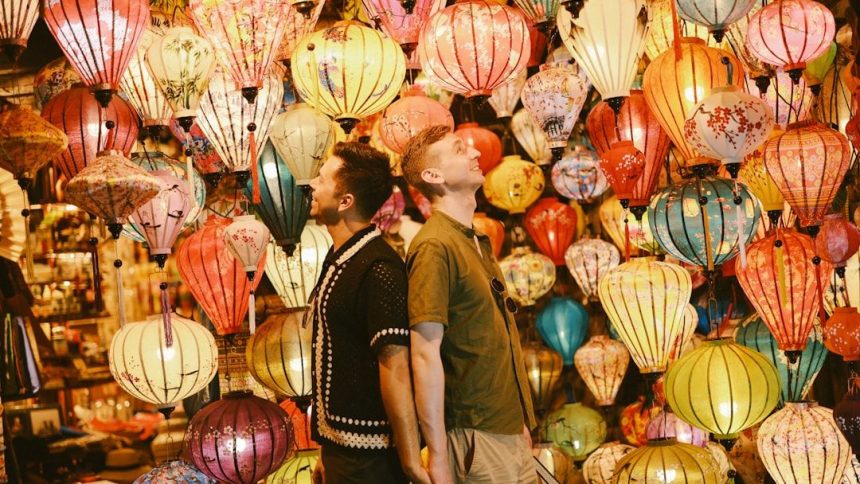
There are over one and a half billion international travelers moving around the planet right now. That is not a small number – that is basically everyone you know, their neighbors, and half the internet deciding to show up at the same city square on the same Tuesday afternoon. And while most of them mean well, a certain breed stands out from the crowd with unmistakable clarity: the first-time tourist.
You know exactly who I am talking about. The person who stops dead center in the middle of a busy sidewalk. The one staring up at a building like it personally owes them something. Honestly, there is something both endearing and chaotic about them. Let’s dive in – because spotting them is more of an art form than you might think.
The Sheer Scale of It All: Why There Are So Many of Them
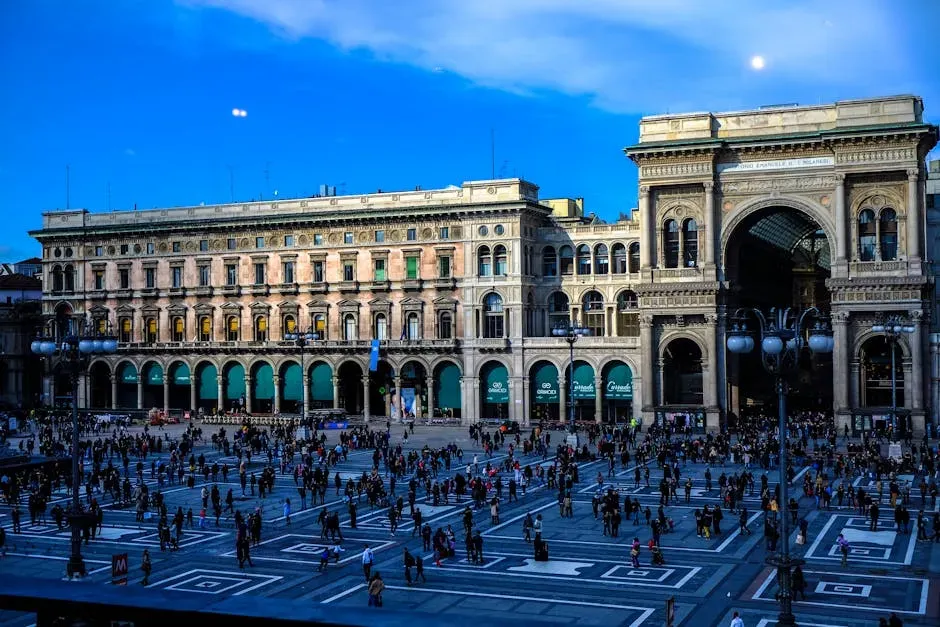
The numbers are genuinely staggering when you start looking at them. An estimated 1.52 billion international tourists were recorded around the world in 2025, almost 60 million more than in 2024. Think about that for a second. That is more people traveling than ever before in recorded human history.
France maintained its position as the world’s most visited country, receiving 102 million international arrivals in 2024, making it the first country ever to surpass 100 million annual tourists. So when you are standing near the Eiffel Tower and feeling surrounded, you are not imagining it.
Bangkok is the most famous city in the world for tourism, welcoming 32.4 million international visitors in 2024. Cities like these become pressure cookers for tourist behavior, which is exactly why locals in high-traffic destinations have developed an almost supernatural ability to spot newcomers from a hundred yards away.
The Permanent Upward Gaze
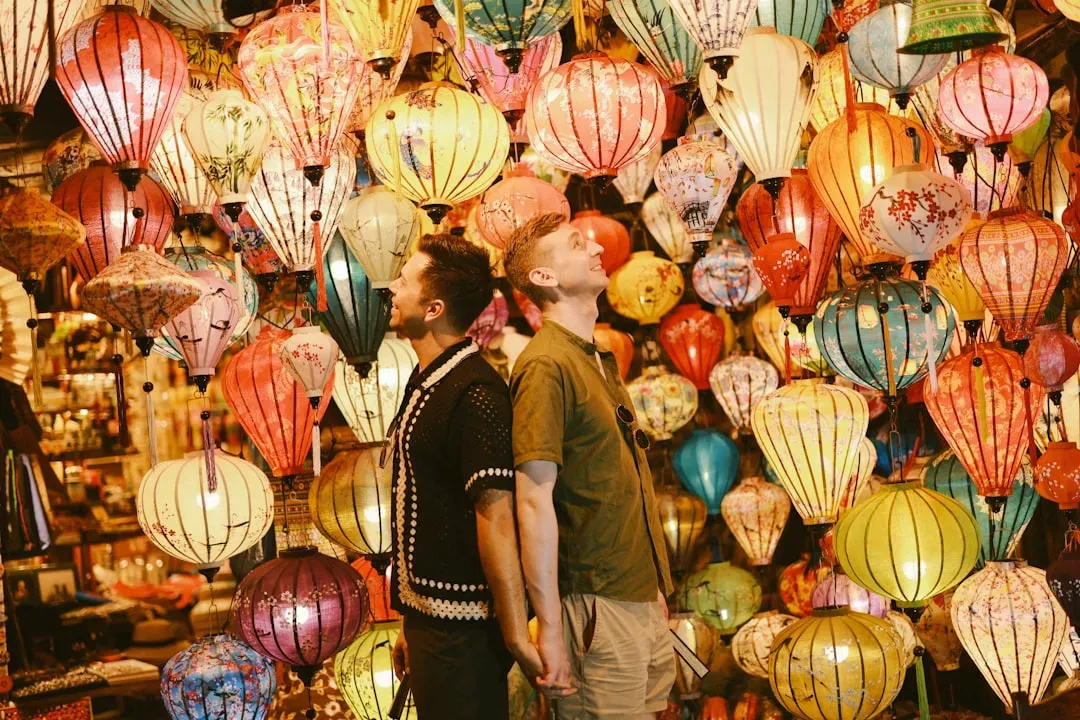
Here is the thing: first-time tourists almost never look straight ahead. Their eyes are always pointed somewhere above eye level. They are craning their necks at buildings, statues, signs, and rooftops. Locals, on the other hand, have long since stopped seeing these things and are mostly focused on not missing their bus.
This is actually backed by research. Studies on tourist and local behavior in urban settings show that tourist movement patterns are mostly clustered near concentrated landmark areas, often within just a few kilometers of city centers, while locals visit a wider area and spread across the city far more naturally. In other words, tourists compress themselves into the pretty zones and spend a lot of time staring at them.
The upward gaze is not just aesthetic curiosity either. It is that overwhelming feeling of “I cannot believe I am actually here” written physically on someone’s body. It is genuine and kind of beautiful, even when it causes a three-person pedestrian pileup.
The Smartphone as a Navigation Crutch
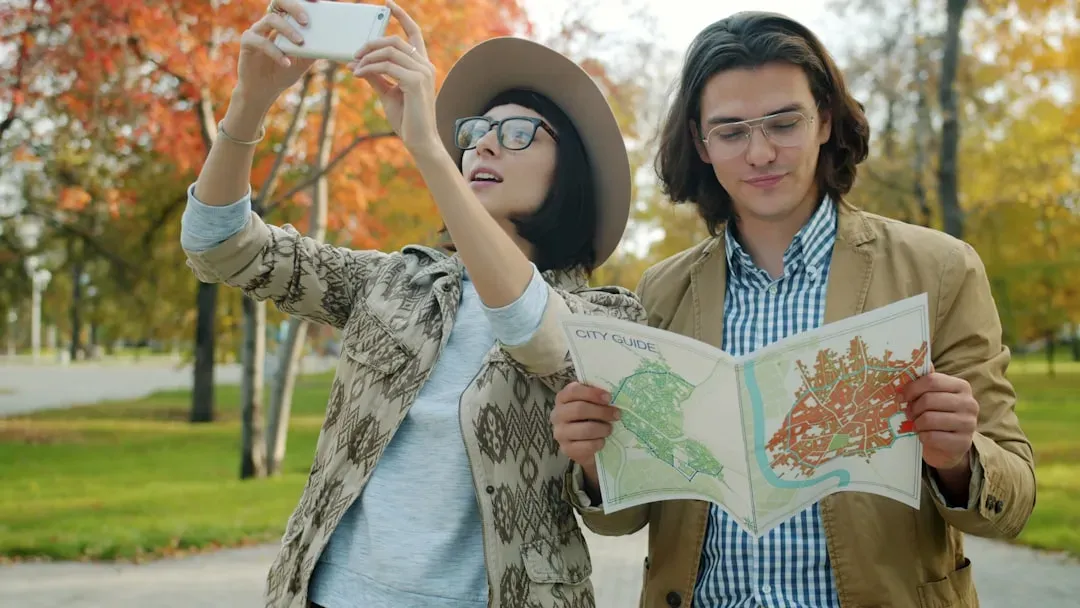
More than roughly seven out of ten travelers use at least one dedicated travel app when planning or managing a trip. A first-time tourist, specifically, will have that phone out constantly. Not just to check the map, but to double check the map, triple check it, and then look confused anyway.
The global tourism navigation apps market was valued at USD 4.5 billion in 2024 and is projected to expand at a compound annual growth rate of 13.5%, reaching a value of USD 14 billion by 2032. That growth is partly fueled by first-timers who would be completely lost without their device. Think of them like a ship using GPS in a harbor it has never entered before.
Google Maps holds a 67 to 70 percent global market share as of early 2026. When you see someone holding their phone flat out in front of them, slowly rotating their body to match the blue arrow on the screen, that person is almost certainly on their first visit. A local would rather ask a stranger than do the spinning phone dance in public.
The Desperate Stop-in-the-Middle-of-Everything

There is a particular kind of human chaos that first-time tourists generate without realizing it. They stop. Everywhere. Mid-crossing. Mid-escalator. Mid-doorway. It is like they suddenly forget the concept of flow and momentum when something catches their eye. And something always catches their eye.
Research studying tourist spatial patterns confirms that tourists show an uneven distribution of spatial-temporal behavior characteristics, which can be attributed to factors like herd mentality and visual permeability. Translation: they stop where things look impressive, and they stop because everyone else stopped too. It snowballs fast.
Locals have their own rhythm. They walk with purpose, even when they have nowhere important to be. It is almost territorial. A first-timer breaks that rhythm every single time, and the ripple effect on a busy street is genuinely impressive to witness.
The Photo Obsession (And the Selfie Science Behind It)
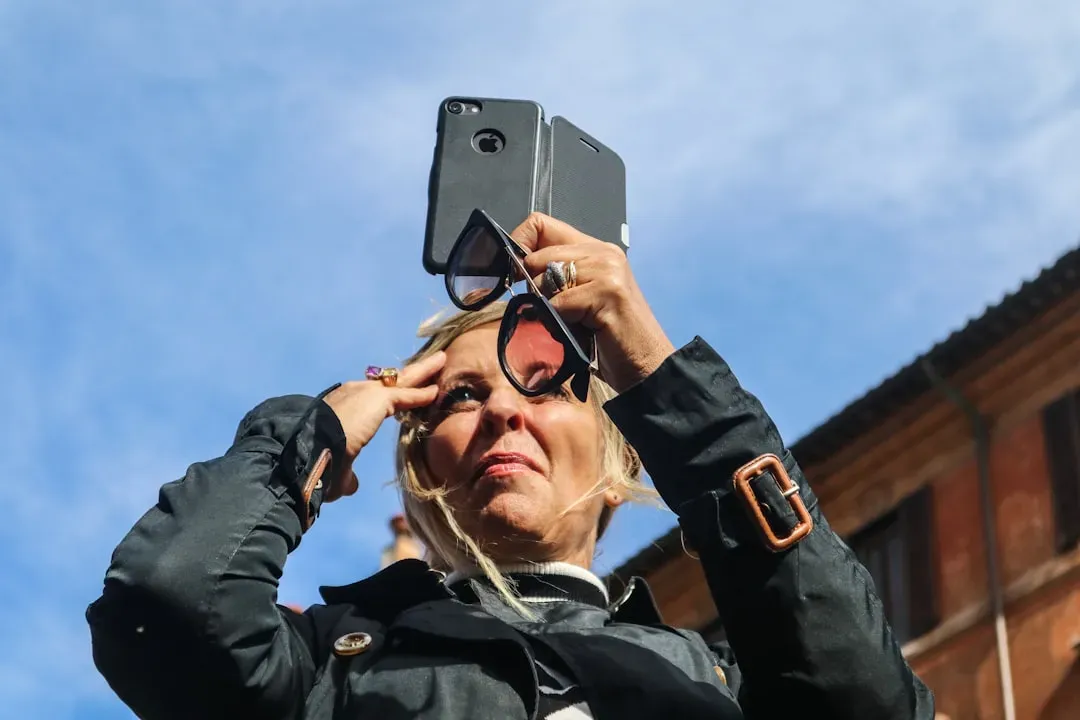
Let’s be real – taking photos is not exclusive to tourists. Everyone does it. The difference is the volume, the urgency, and the poses. A first-time tourist photographs everything: the hotel lobby, the taxi window view, the menu, the bread basket, the bread basket shadow. It is documentation at an almost forensic level.
The spatial practices of tourists have been reshaped by the rise of smartphones and social media, prompting new geographies of tourism that respond to the visual imperatives of the digital era. This is particularly true for first-timers, who want proof of every moment because they genuinely do not know if they will ever come back.
Studies have shown that, aside from scenic photos, the photos tourists share on social media are predominantly selfies. The selfie-at-the-landmark has become its own cultural ritual, so embedded in travel behavior that researchers have formally studied it. Having a photo of oneself in front of a landmark represents the act of “having been there.” For first-timers, this feels essential – almost urgent.
The Cluster Effect: Moving in Herds
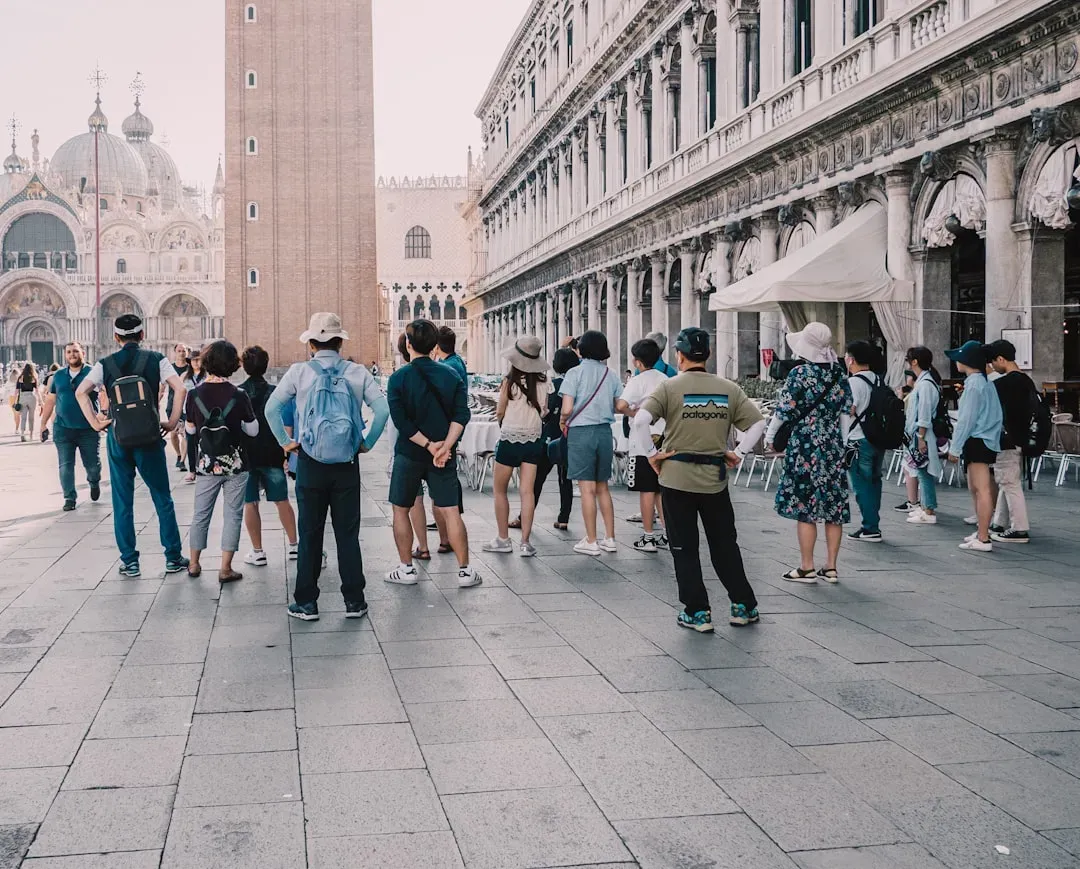
First-time tourists rarely go solo. Even when they travel alone, they tend to attach themselves to groups. They follow tour guides carrying colored umbrellas, they drift into clusters at crosswalks and then all attempt to cross at once. There is safety in numbers when you have no idea where you are going.
Partner offer
Cultural experiences dominated travel bookings, with museums, monuments and galleries leading the way at roughly 60 percent of choices, while city walking tours also saw a surge in popularity, reflecting the desire for deeper engagement with destinations. Walking tours are a first-timer’s best friend, and a local’s clearest signal – a line of humans slowly following someone with a microphone is a dead giveaway.
The research on tourist groups also found something interesting: users were more likely to generate positive emotions when they traveled in a group than when they traveled individually. So the clustering is not just logistical. It is emotional. Being in a new place is overwhelming, and your instinct is to stick close to other confused people.
The Menu Panic

Sit outside at any restaurant near a popular landmark and you will see it clearly. The first-time tourist opens the menu and immediately looks slightly panicked. They do not know what anything is. They have not developed the shorthand that repeat visitors or locals use to instantly read a menu and make fast decisions. They re-read the whole thing, twice, sometimes out loud to their companion.
Augmented reality travel apps can now translate foreign text in real time by simply pointing a camera at signs or menus, which is particularly handy for travelers going to non-English-speaking countries. The fact that this feature exists and is popular tells you everything – a huge number of travelers are arriving at restaurants with zero idea what they are looking at.
A local, by contrast, does not read the menu at their regular spots. They sometimes do not even look at it. They order by memory, by habit, by the nod they have built with the server over months of visits. That ease is invisible to the first-timer but completely obvious from the outside.
The Luggage Problem
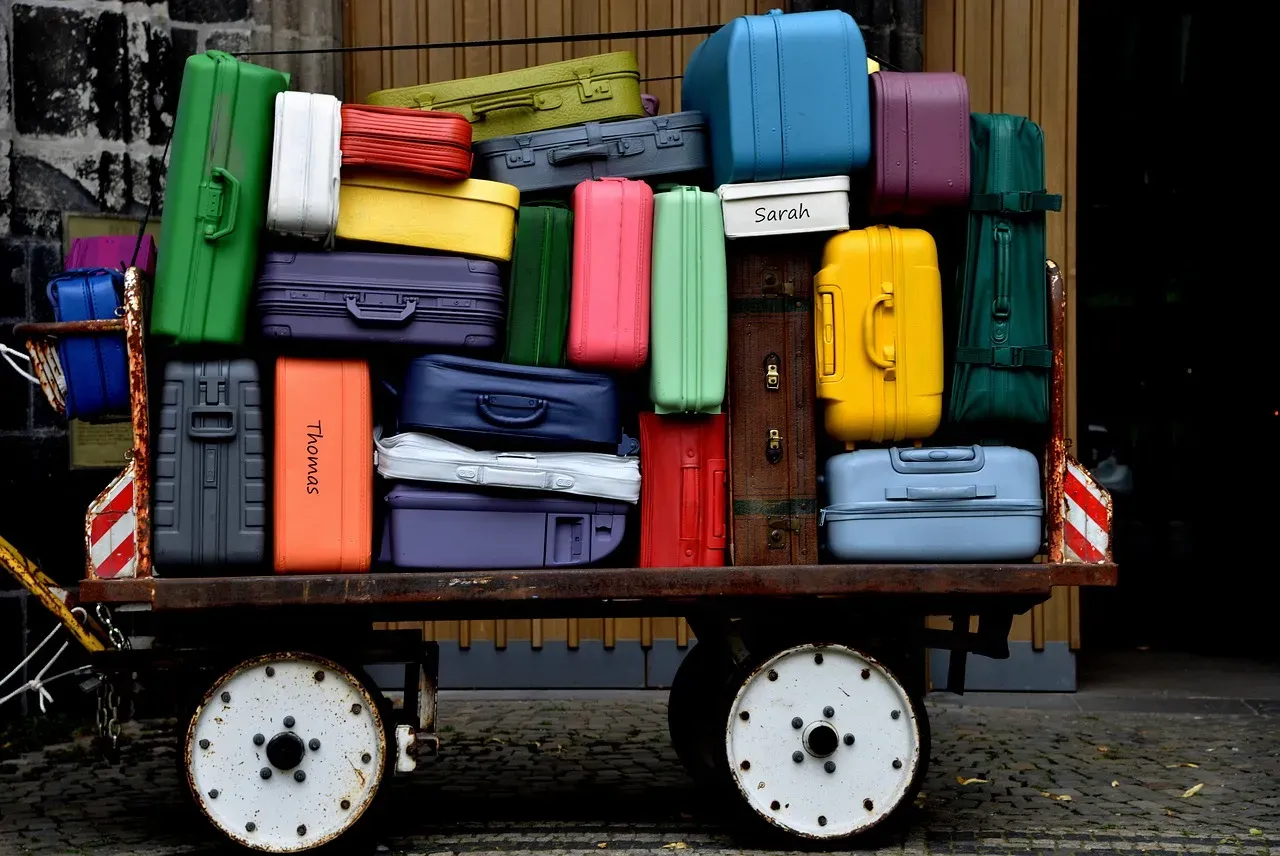
Nothing announces a first-time tourist quite like luggage in an inappropriate location. Rolling a massive suitcase across cobblestones at noon on a weekday. Dragging two oversized bags through a busy metro. Hauling a backpack the size of a small child while trying to read a transit map.
International travel trips average 14 days compared to 9 days for domestic trips, and cost significantly more on average – roughly 7,300 dollars compared to about 5,000 dollars for domestic travel. Longer trips mean more luggage. More luggage means more awkward situations. It is an unavoidable chain reaction.
I think the oversized luggage problem is also a symptom of something deeper – first-timers pack for every possible scenario because they are anxious about the unknown. They bring rain jackets, formal wear, four pairs of shoes, and a first-aid kit they will never open. Locals walk around with a tote bag. The contrast is stark.
The Online Review Dependency
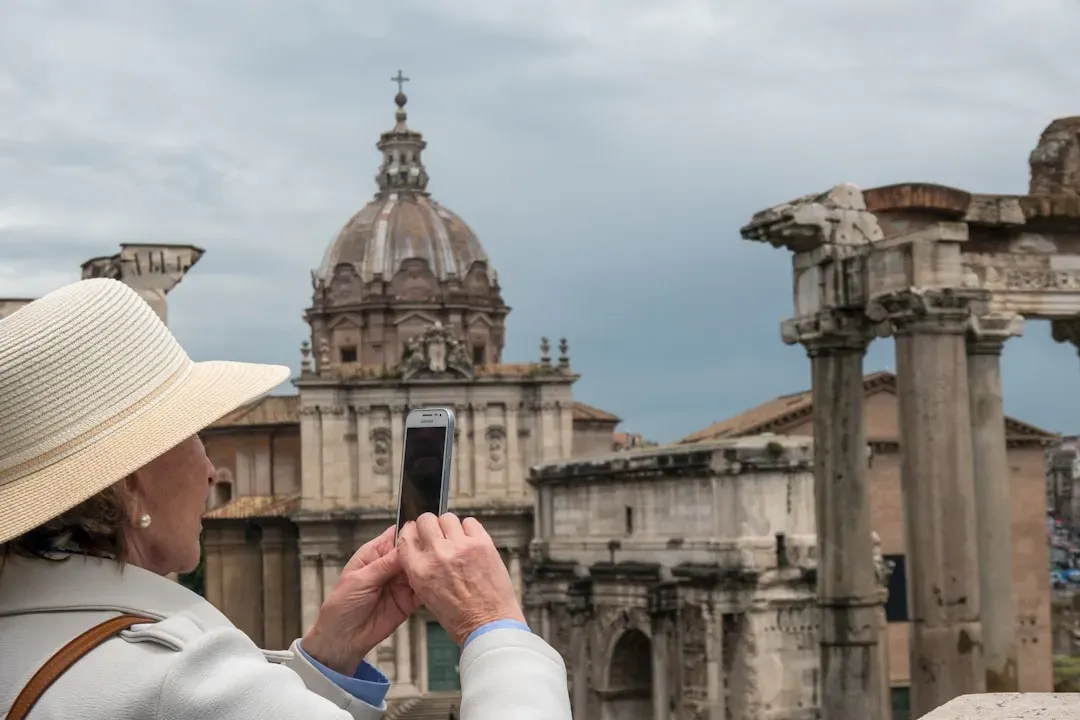
Before making any decision – restaurant, museum, tour, taxi company – the first-time tourist turns to their phone for validation. They will literally stand outside a cafe debating whether to go in based on a review written by someone they have never met from a city they have never visited.
A TripAdvisor survey found that roughly three out of four respondents consider online reviews “extremely or very important” when planning their next trip. For first-timers, this dependency is even higher. They have no baseline of local knowledge, so they replace it entirely with crowd-sourced opinions.
Consumers are significantly more likely to book after reading a long-form review compared to shorter summaries. It is hard to say for sure, but this is probably what makes first-timers spend so long researching even the smallest decisions. They need detailed reassurance. A local just walks in somewhere and figures it out. The confidence gap is enormous.
The First-Timer’s Emotional State: Wide-Open Wonder
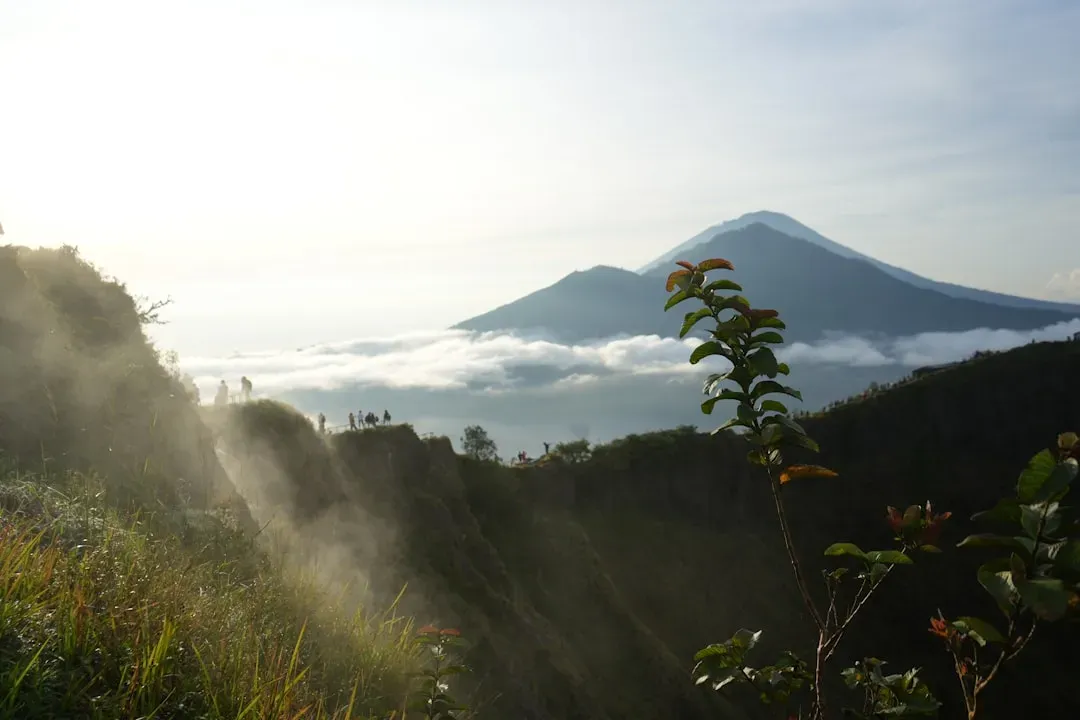
Here is what really separates the first-time tourist from everyone else, and honestly, it is kind of moving when you notice it. They are visibly affected by what they see. Their faces do not have the practiced neutrality of regular travelers or locals. They react. To the architecture, to the food, to the sounds of a new city. They are emotionally unguarded in public in a way that most adults rarely allow themselves to be.
Research confirms that the richer a tourist’s past travel experience, the greater the behavioral effect – with the hierarchy running from repeat visitors down to first-time visitors and then to potential tourists. First-timers simply have not developed the psychological armor that repeated travel builds. Everything is genuinely new. That is both their most obvious tell and their most charming quality.
In 2025, relaxing and unwinding remains the top travel motivation for people of all ages and genders. Yet for first-timers, there is a crackling, barely contained excitement underneath all the relaxation. They planned this trip. They saved for it. They are not just on vacation – they are on their first version of this particular adventure. That energy is unmistakable.
Conclusion: Spot Them, Then Help Them
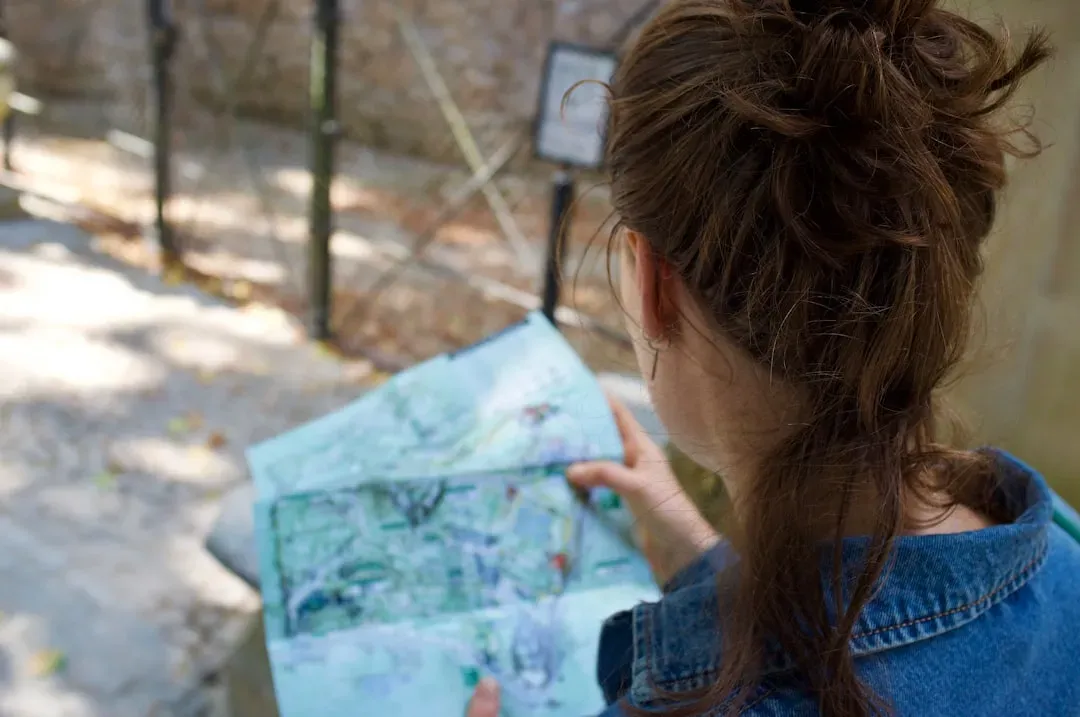
Spotting a first-time tourist in the wild is genuinely easy once you know the signs. The upward gaze, the spinning phone, the mid-sidewalk stops, the luggage in absurd places, the picture-of-everything approach to existence. These are the field marks of someone who has arrived somewhere new and has not yet learned how to be invisible in it.
Here’s the thing, though – every local was once a first-time tourist somewhere. The locals who are quickest to roll their eyes are often the ones who were most wide-eyed themselves not so long ago. First-timers are not an inconvenience. They are the engine of a global tourism industry worth trillions of dollars and growing steadily year after year.
Next time you spot one, maybe skip the internal eye-roll and give them directions before they ask. They are, after all, exactly where they always wanted to be. What would you have done differently on your own first trip somewhere new?
Partner offer
Planning a trip to Vegas?
Compare hotel rates and show tickets on VEGAS.com.