Acknowledge Your Struggle Without Letting It Define You

Let’s be real: life gets messy. When everything seems to crumble around you, maintaining a sunny disposition feels nearly impossible. Six years ago, 27% chose mental health as one of the biggest health problems, today that figure is 45% on average across 31 countries, showing that struggles are more prevalent than ever before.
The first step isn’t forcing yourself to smile through the pain. Instead, acknowledge what you’re experiencing. Denying your emotions only makes them grow stronger, like trying to hold a beach ball underwater. Research shows that accepting negative feelings actually helps you move through them faster than pretending they don’t exist.
Here’s the thing: recognizing your difficulties doesn’t mean surrendering to them. It means giving yourself permission to be human while simultaneously refusing to let one bad chapter write your entire story.
Build Your Resilience Through Small Daily Actions
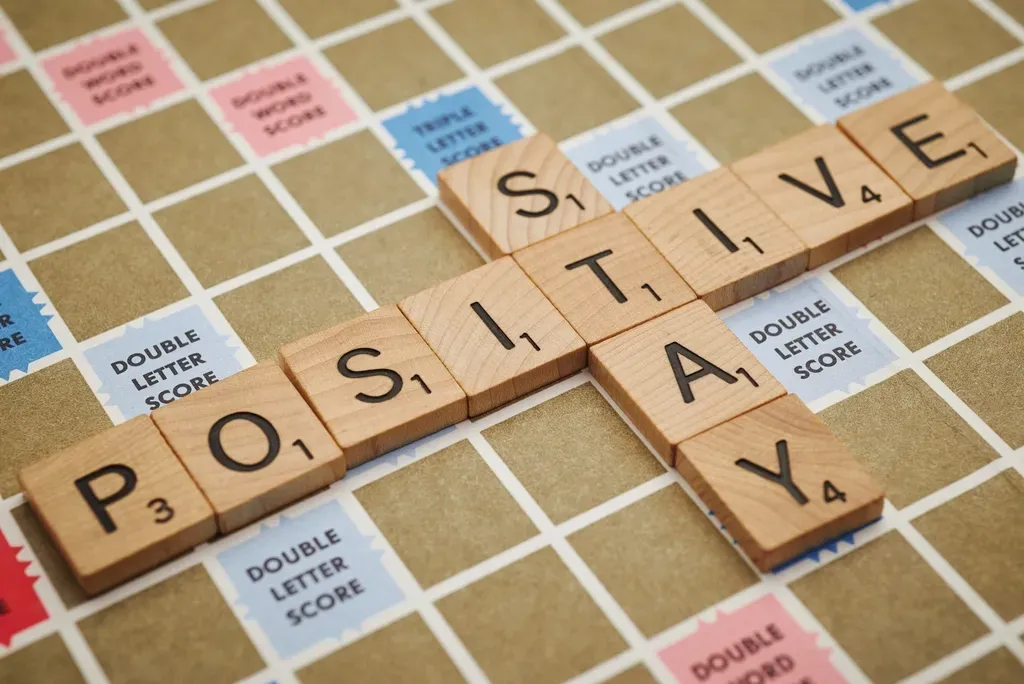
The pattern of individual thinking is important; individuals with positive thinking can overcome problems, while negative thoughts can lead to greater problems. People can overcome life difficulties and events by abandoning negative thoughts and replacing them with positive ones. This isn’t just motivational talk – it’s backed by actual science.
A randomized controlled trial published in Scientific Reports in 2023 examined the effect of positive thinking on resilience and life satisfaction of older adults, revealing measurable improvements in how people handled adversity. Think of resilience like a muscle. You wouldn’t expect to lift heavy weights on your first day at the gym, right?
Higher income, socioeconomic status and perceived social support, better emotion regulation and psychological flexibility were related to more resilient responses according to recent systematic reviews. The good news? Many of these factors are within your control to develop, even when external circumstances aren’t.
Practice Gratitude Even When It Feels Impossible
I know what you’re thinking. When life’s falling apart, being thankful sounds ridiculous. Still, this practice has extraordinary power backed by rigorous research.
Published July 2024 in JAMA Psychiatry, a study drew on data from 49,275 women showing that participants with gratitude scores in the highest third had a 9% lower risk of dying over the following four years. That’s not just feeling better – that’s living longer.
Compared with participants who wrote about negative experiences or only received counseling, those who wrote gratitude letters reported significantly better mental health four weeks and 12 weeks after their writing exercise ended. You don’t even need to send the letters. Simply writing them shifts your brain chemistry.
Start impossibly small: find one tiny thing each day that doesn’t completely suck. Maybe it’s your morning coffee. Perhaps it’s the fact that your internet connection didn’t fail during that important video call. These microscopic moments of non-awfulness add up.
Use Mindfulness to Break the Cycle of Negative Thinking

A 2024 study published in Nature Human Behaviour involving 2,239 participants across 37 sites found that self-administered mindfulness interventions significantly reduced stress. Mindfulness isn’t about emptying your mind or achieving some mystical zen state – it’s simpler than that.
Research findings indicate that mindfulness-based stress reduction significantly reduces perceived stress (up to 33%) and mental health issues (by 40%), particularly in academic settings. These aren’t marginal improvements; they’re game-changing differences.
When negative thoughts spiral, pause. Notice them without judgment, like watching clouds drift across the sky. You’re not those thoughts – you’re the person observing them. This distinction matters tremendously.
Mindfulness has been shown to induce neuroplasticity, increase cortical thickness, reduce amygdala reactivity, and improve brain connectivity and neurotransmitter levels, leading to improved emotional regulation, cognitive function, and stress resilience. Your brain literally rewires itself through consistent practice.
Connect With Others Instead of Isolating Yourself

When everything goes wrong, the instinct is often to withdraw. Hide away. Convince yourself nobody wants to hear about your problems. That impulse, however understandable, works against you.
Perceived social support and better emotion regulation were related to more resilient responses in studies examining how people cope with major stressors. Humans are pack animals. We’re designed to weather storms together.
You don’t need to broadcast your struggles to everyone. Find one or two trustworthy people who’ll listen without trying to immediately fix everything or dismiss your feelings. Sometimes just being heard makes the unbearable slightly more bearable.
Data from adolescents ages 12-17 indicate that 58% report they always or usually receive social and emotional support, and 79% report they have at least one adult in their life who makes a positive difference. That one person can make all the difference between barely surviving and actually moving forward.
Focus on What You Can Control and Release the Rest

Here’s a hard truth: roughly half of what happens to you is completely outside your control. The other half? That’s where your power lives.
Make a list if it helps. Draw a line down the middle of a page. On one side, write everything you can’t control about your situation. On the other side, list what you actually can influence, even if it’s just your response to circumstances.
That second column is your battlefield. Pour your energy there instead of exhausting yourself raging against unchangeable realities. It’s not resignation – it’s strategic resource allocation.
Maybe you can’t control whether you got that job, whether that relationship worked out, whether your health issue resolves immediately. Yet you can control whether you apply for three more positions this week, whether you learn from relationship patterns, whether you show up to medical appointments and follow treatment plans.
Take Care of Your Physical Health as Foundation

This advice might sound annoyingly basic, yet it’s fundamental. When you’re stressed, sleep often disappears first. Then eating habits deteriorate. Exercise? Forget about it.
Recent research has pointed to gratitude’s myriad positive health effects, including greater emotional and social well-being, better sleep quality, lower depression risks, and favorable markers of cardiovascular health. Notice how physical and mental health intertwine inseparably.
You don’t need to become a fitness guru or sleep exactly eight hours nightly. Small improvements matter enormously. Can you get thirty extra minutes of sleep tonight? Drink one more glass of water tomorrow? Take a ten-minute walk this week?
Your mind lives in your body. When your body’s running on fumes, asking your brain to maintain positivity is like expecting a car to run smoothly with contaminated fuel. It won’t work well, no matter how much you want it to.
Conclusion: The Path Forward Isn’t Linear

Staying positive when life kicks you repeatedly isn’t about maintaining constant cheerfulness or pretending everything’s fine. It’s about developing tools that help you navigate darkness without losing yourself completely in it.
Some days you’ll implement these strategies successfully. Other days you’ll barely manage to get out of bed. That’s normal, expected, and entirely human. Progress isn’t a straight line upward – it’s a messy scribble that generally trends in the right direction over time.
Interventions rooted in positive psychology, like self-compassion and relational repair, have been shown to increase resilience and improve mental health, even among individuals with severe psychological distress. You’re not broken because things are hard right now. You’re just human, facing human challenges.
What’s one small thing you could try this week? Not ten things, not a complete life overhaul – just one tiny step toward feeling slightly more grounded. That’s where change begins.