Picture this: a place so remote that fewer people have stood on its shores than have climbed Mount Everest. Yet, in 2026, Antarctica is no longer the exclusive domain of scientists and hardcore adventurers. It’s become the hottest ticket in luxury travel, where champagne flows on icebergs and private jets touch down on glacial runways. Here’s the thing – it’s hard to say for sure, but this might just be the most profound shift in adventure tourism we’ve seen in decades.
Nearly 123,000 tourists visited Antarctica in the 2023/2024 season, a staggering leap that signals something fundamental has changed. Travelers aren’t just seeking luxury anymore. They’re hunting for experiences that redefine what “once in a lifetime” really means.
The Numbers Behind Antarctica’s Tourism Boom
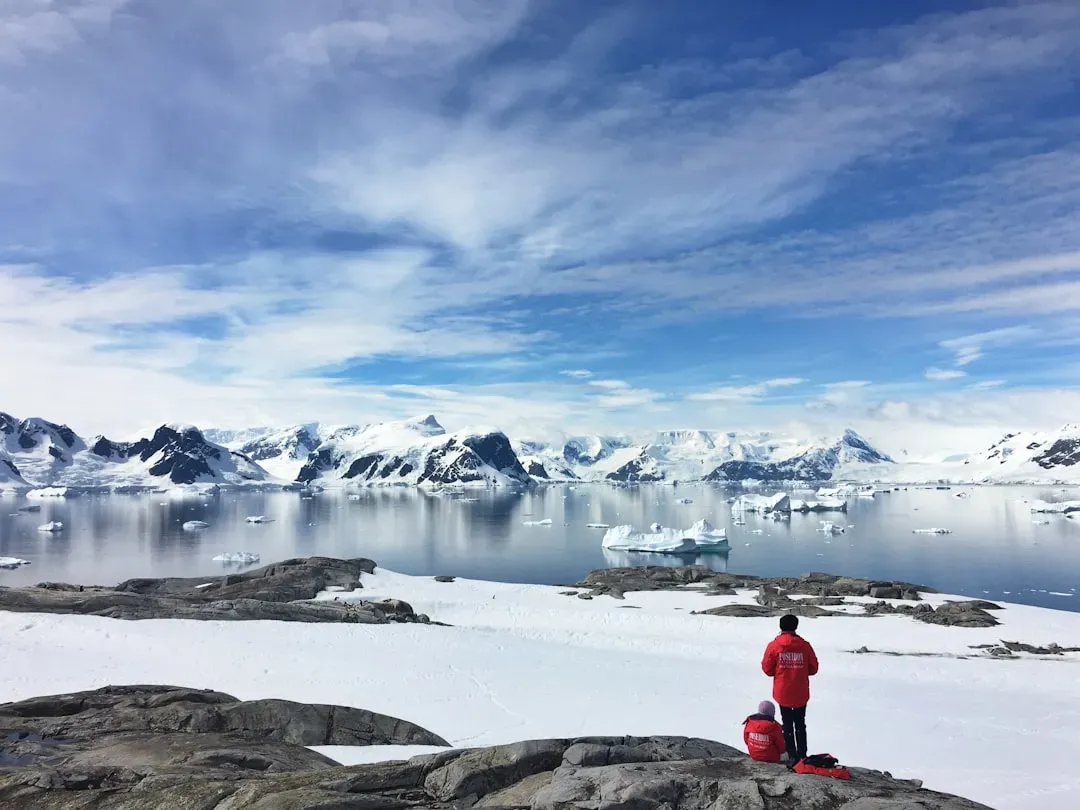
Visitor numbers rose rapidly from just under 8,000 in 1993–1994 to over 120,000 in 2023–2024, according to data from the International Association of Antarctica Tour Operators. Think about that for a second. We’re talking about a fifteenfold increase in just thirty years.
Luxury expedition segments demonstrated the highest growth rate at 9.3% annually, reflecting something deeper than simple wanderlust. The average expenditure per visitor increased from USD 9,200 in 2019 to USD 12,800 in 2024, proving that travelers are willing to invest significantly for premium Antarctic experiences. The market isn’t just growing – it’s evolving toward more exclusive, high-end offerings that cater to those seeking unparalleled comfort in Earth’s most inhospitable environment.
What It Really Costs to Set Foot on the White Continent
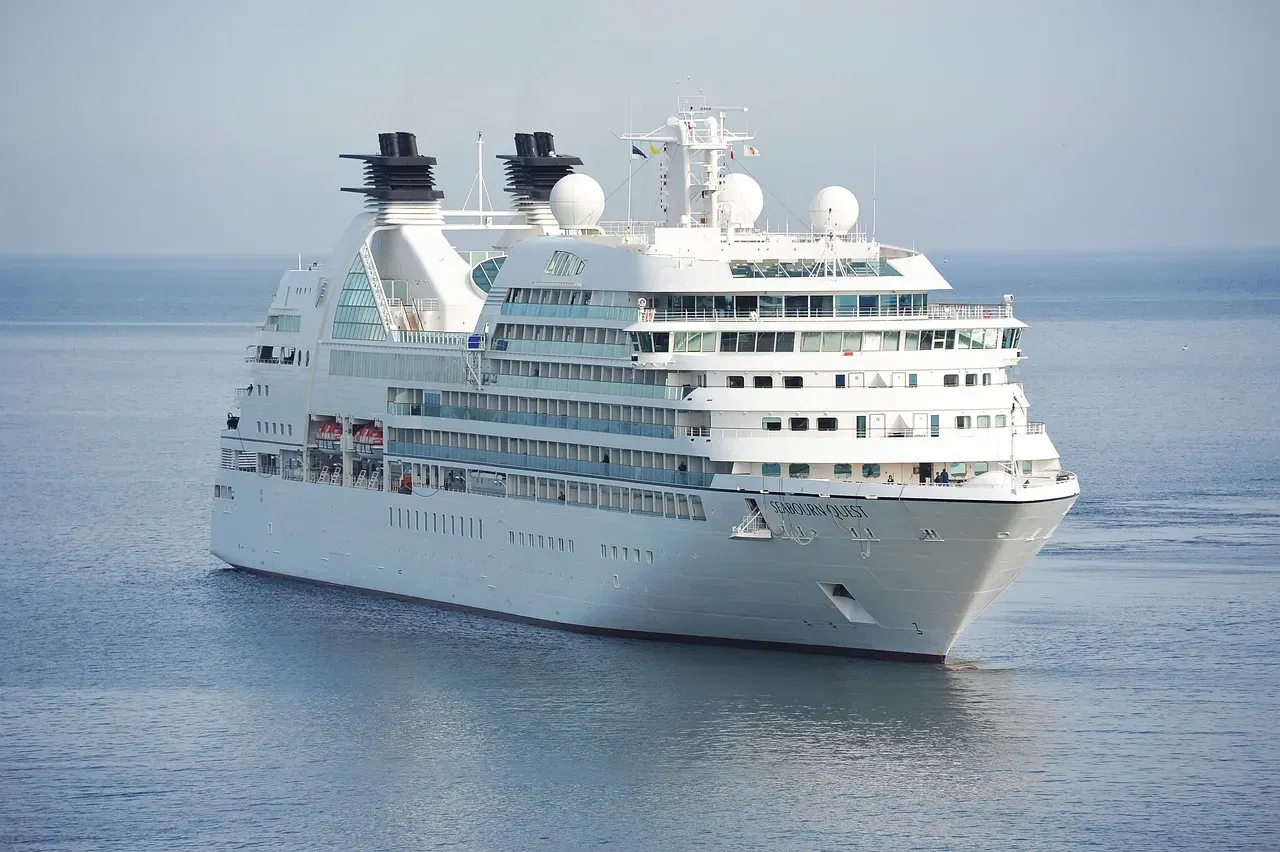
Let’s be real about the financial commitment. The average Antarctica cruise cost is about $10,000 per person, with the least expensive cruises starting at under $5,000 while luxury expedition cruises can exceed $30,000. Yet that barely scratches the surface of what extreme luxury looks like in Antarctica.
Rates for a week at White Desert start at $68k per person and go up to $105k per person if you add a visit to the South Pole. This isn’t your typical vacation splurge. Limited to just 12 guests each, White Desert camps create an experience that is both intimate and immersive, while a team of over 100 on the ground works around the clock to deliver unmatched exclusivity.
Heritage Expeditions offers a 28-day voyage tracing the routes of famous explorers Scott and Shackleton, from New Zealand to the Ross region of Antarctica, for £48,000 per person. The price reflects access to regions most travelers will never see.
Flying Private to the End of the Earth
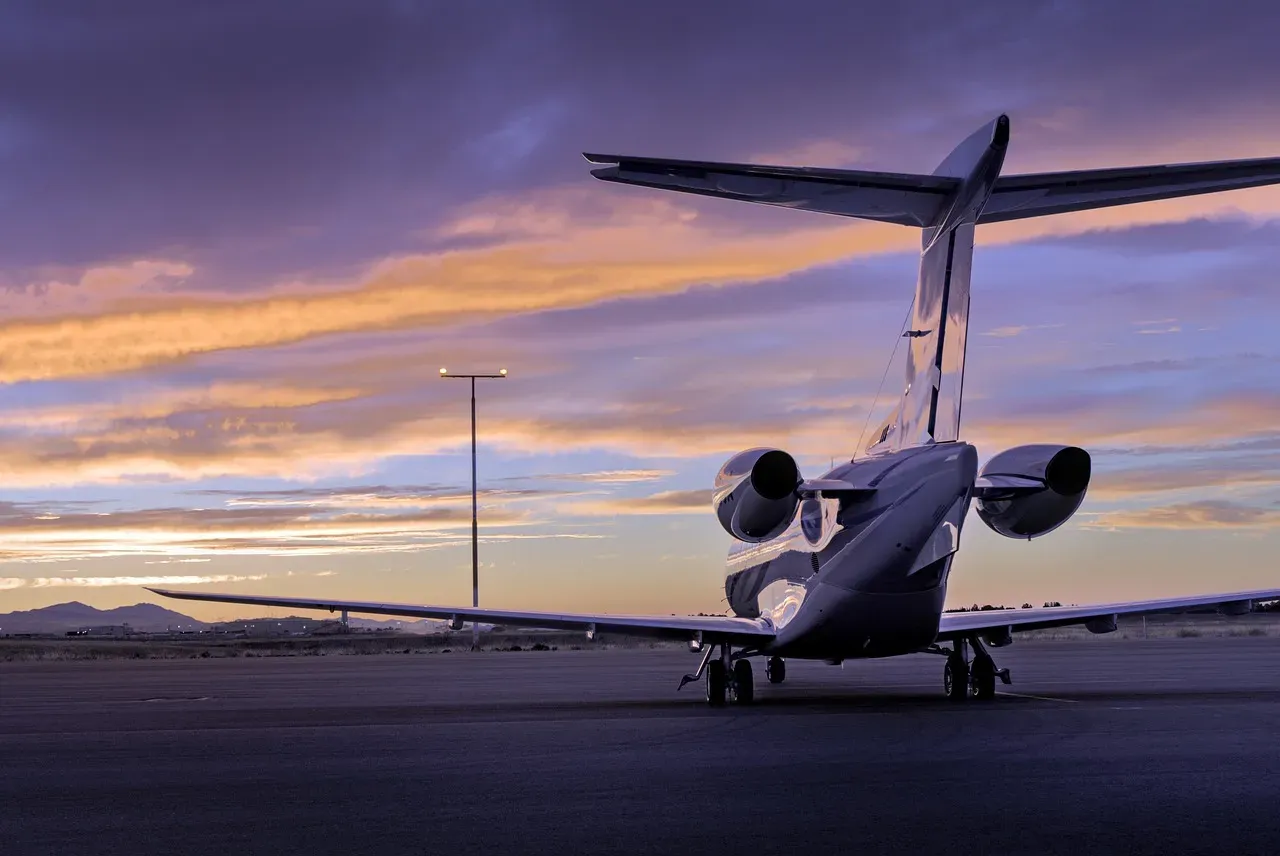
Traditional cruise ships crossing the Drake Passage are being challenged by a revolutionary alternative. White Desert flies clients on a 5.5-hour nonstop private chartered jet from Cape Town to the interior of Antarctica, completely bypassing the notorious two-day ocean crossing that can leave passengers seasick and exhausted.
A maximum of about 250 per season arrive by chartered jet via Cape Town at White Desert’s operations. The South Pole is visited by fewer than 500 people each year, making this one of the planet’s most exclusive destinations. Honestly, I think the fly-in option represents the future of ultra-luxury polar travel – maximum time on the continent, minimal time suffering through rough seas.
Luxury Expedition Cruises Redefining Antarctic Travel
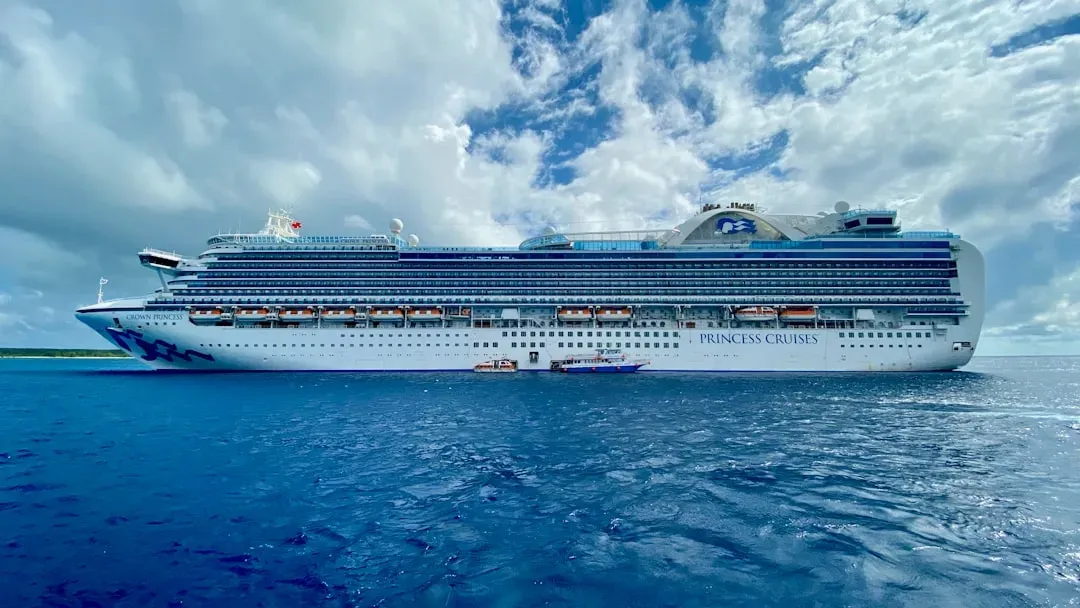
Scenic took expedition cruising to new heights with the addition of two helicopters and a submersible, with seats for up to six passengers, while vessels feature butler service, all-suite accommodations with verandas, 10 dining experiences, nine bars and lounges, plunge pools, gym and even a yoga and Pilates studio. These aren’t just boats – they’re floating ultra-luxury resorts engineered for polar conditions.
Le Commandant Charcot can voyage far deeper into thick ice in the most remote Antarctic regions where other luxury expedition vessels cannot go, thanks to its Polar Class 2 icebreaking rating. From 2023 to 2024, the number of passengers sailing on expedition cruises rose by 22 percent, confirming that demand for these high-end experiences continues accelerating.
The Permits, Paperwork, and Planning Required
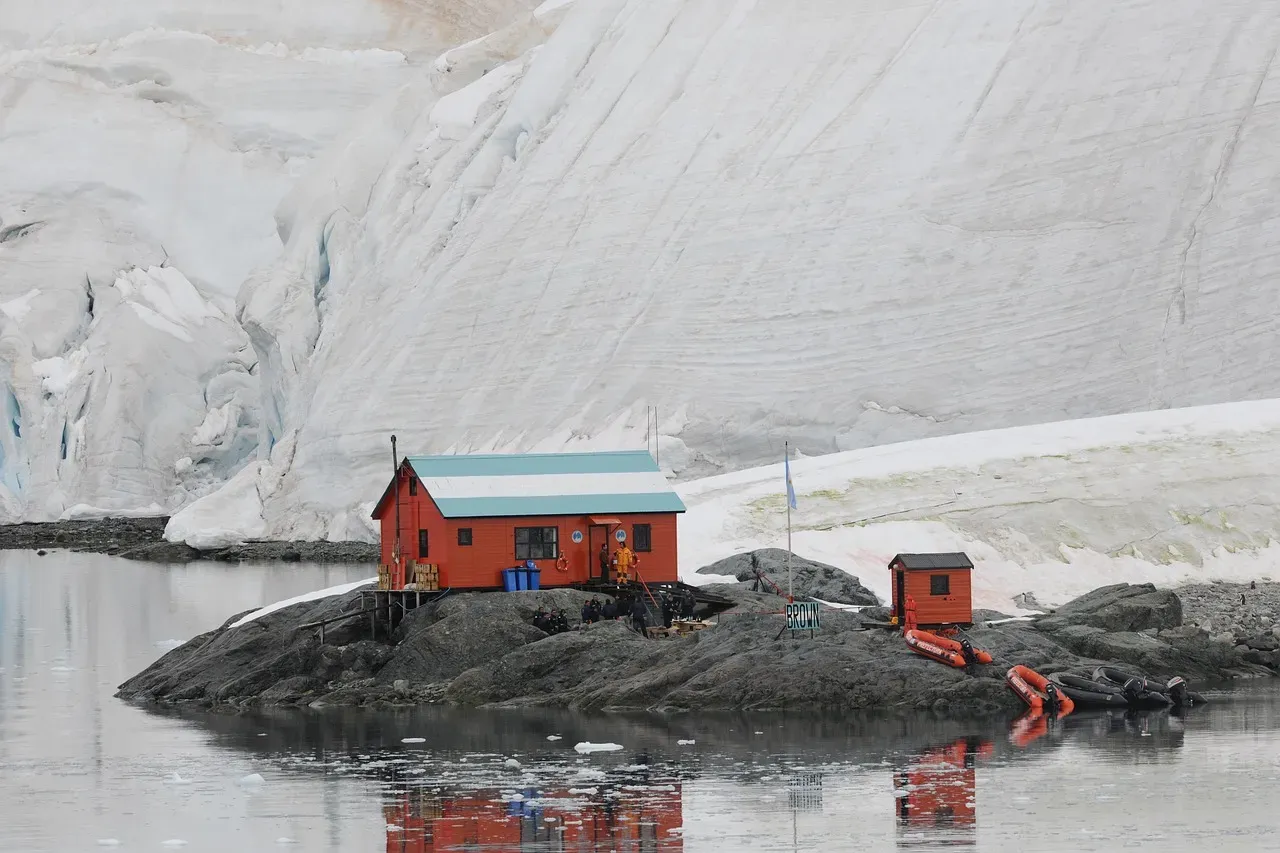
Visiting Antarctica isn’t as simple as booking a flight and showing up. Citizens of countries that are party to the Antarctic Treaty need a permit to visit Antarctica: a requirement established in 1998. The good news? Travelers do not need permission to visit Antarctica, but cruise and tourism operators must hold a valid permit.
Passports are needed in transit countries or departure points to the White Continent like Chile, Argentina, Australia or New Zealand. Effective July 1, 2025, Argentina requires all visitors to carry basic healthcare and emergency insurance, with proof of health insurance coverage potentially requested by airlines or at immigration. Most reputable operators handle permit applications seamlessly, but independent travelers face a complex bureaucratic maze requiring advance planning of several months.
Camps That Look Like They’re From Another Planet
Inspired by observations from astronauts such as Terry Virts and Buzz Aldrin, White Desert designed Echo Camp as an intergalactic space station with clean lines, high-design furniture, and a 320,000-dollar light sculpture by British American artist Anthony James. These aren’t tents – they’re architectural marvels.
White Desert’s luxury camps offer beautifully engineered, heated pods that deliver exceptional comfort and considered detail in the heart of Antarctica’s wilderness, built to operate lightly on the land as each camp is entirely temporary and can be removed without a trace. Guests indulge in meals prepared by gourmet chefs and wines crafted especially for the Antarctic climate, with each camp featuring heated pods, fresh running water, and uninterrupted views of landscapes that genuinely resemble another planet.
The Environmental Conversation Nobody Wants to Have
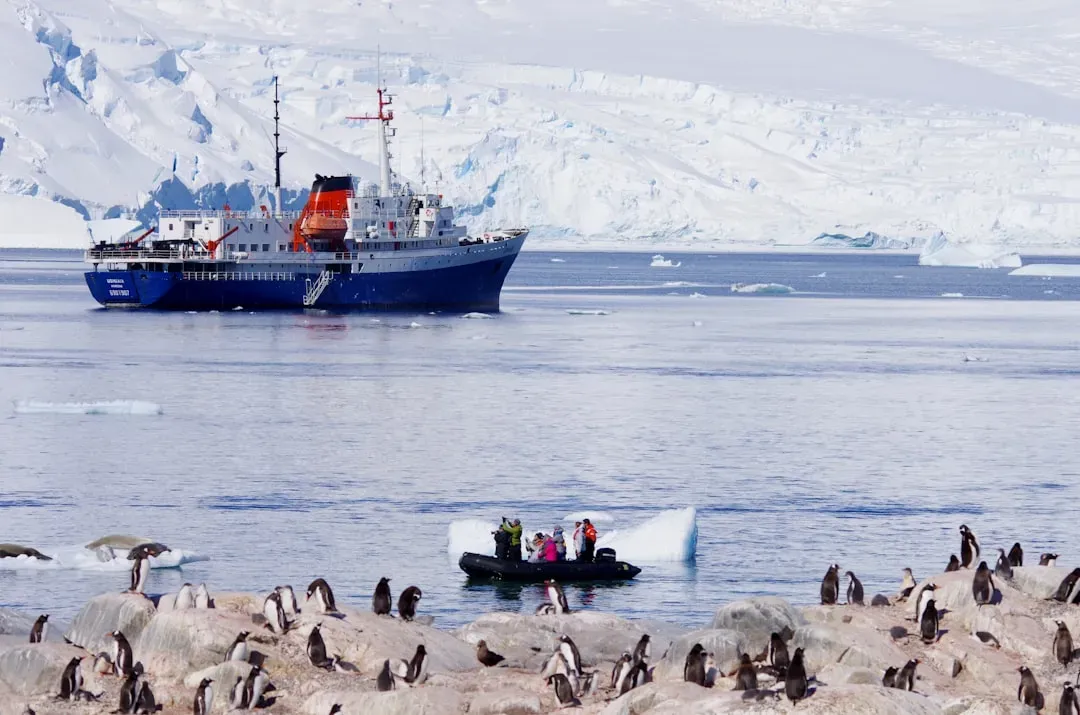
Here’s where things get uncomfortable. In areas where humans have an active presence, concentrations of toxic metals such as nickel, copper and lead are now 10 times higher than they were four decades ago, according to research published in Nature Sustainability. The reality is sobering – our presence leaves a mark, no matter how carefully we tread.
Recent incidents, such as graffiti found on a historic site at Deception Island, have sparked concerns among conservationists, with groups like the Antarctic and Southern Ocean Coalition pushing for stronger safeguards. The 2023-2024 Antarctic season recorded approximately 105,000 visitors, exceeding pre-pandemic levels and demonstrating strong recovery, yet this surge raises critical questions about sustainable tourism in one of Earth’s last pristine environments.
A 2022 study found elevated concentrations of black carbon in the snow around popular Antarctic tourism sites, with increased amounts linked to more rapid snow melt and loss of snowpack in the affected areas. Still, the industry argues that well-regulated tourism creates ambassadors for conservation – people who return home with a visceral connection to protecting the continent.
Why Antarctica Has Become the Ultimate Status Symbol
Something fascinating has happened in the luxury travel market. Antarctica has transcended being merely a destination – it’s become a statement. A burgeoning trend since the pandemic is a strong pursuit of the ‘opposite’, be it a safari, the wilderness, volcanic ranges or rugged islands – the flip side of big buildings and noisy cars in everyday life, explains travel company Black Tomato.
Americans’ expenditure on adventure and experiential travel increased by 28% between 2019 and 2023, significantly outpacing growth in conventional tourism spending. What drives this? Perhaps it’s the realization that material possessions pale in comparison to experiences that fundamentally shift your perspective. When viewed from a rocky ridge at the back of the camp, Antarctica’s immense scale hits in a way no cruise possibly could.
Antarctica represents the convergence of adventure, luxury, and exclusivity in ways few destinations can match. The ice shelves are melting, political debates swirl around tourism caps, and costs continue climbing – yet demand shows no signs of slowing. Maybe that’s the paradox of extreme luxury travel: the harder it is to reach, the more desperately we want to go. What would you sacrifice to stand at the literal bottom of the world, surrounded by nothing but ice, sky, and the realization that you’re truly, finally, somewhere few will ever be?