Weather has always had a complicated relationship with music. It shapes mood, forces decisions, and sometimes turns a perfectly planned recording session into something far more extraordinary than anyone expected. From muddy festival fields to freezing Midwestern studios, the elements have crashed more sessions than any A&R executive ever dared. These six legendary moments prove that when nature shows up uninvited, the results can be unforgettable.
Woodstock 1969: When the Rain Made History
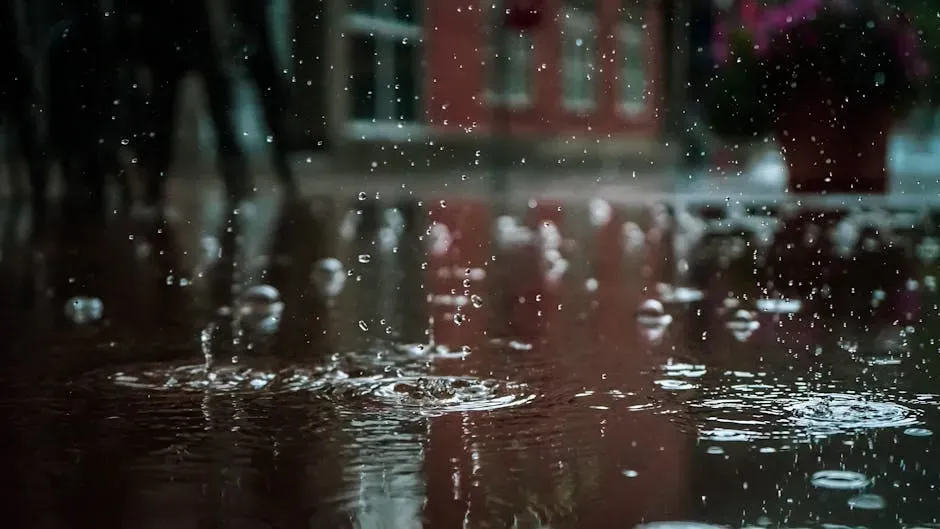
The Woodstock Music and Art Fair was held from August 15 to 18, 1969, on Max Yasgur’s dairy farm in Bethel, New York, and attracted an audience of more than 460,000 people. Nobody had planned for the weather to play such a defining role. The weather started off perfect, sunny and warm on August 15, but rain quickly became a major issue, with famous pictures of attendees frolicking in deep mud, and the concert carried over into Monday due to lengthy delays caused by thunderstorms.
On Sunday, just shortly after Joe Cocker finished his performance, a large thunderstorm swept across White Lake and Bethel, dumping over 25mm of rain near the venue, with wild lightning and strong winds, forcing organizers to cover precious electronic equipment and move people off the stage, while Yasgur’s fields were transformed into a sea of mud and subsequently destroyed by the huge crowds. For the recording crew, this was a nightmare. Eddie Kramer, Jimi Hendrix’s recording engineer, was at Woodstock to record Hendrix’s set and remembers the wildly adversarial conditions of the weekend, saying “I was surprised, given the circumstances, how many great performances we were able to capture,” describing the experience as rough, wet, sleeping on the floor of the truck, with no communication with the stage.
Bob Dylan’s Minneapolis Sessions: A Winter Re-Recording

Dylan began recording the album at an A&R studio in New York City in September 1974, and then in December, shortly before Columbia was due to release the album, he abruptly re-recorded much of the material in Sound 80 studio in Minneapolis. The decision was dramatic and came deep into a cold Minnesota winter. The album was originally intended to be released late in 1974, but after covers and label copy had already been sent to the printers, Dylan decided to recall it and re-record five songs, with those recordings done in Minneapolis on December 27 and 30, 1974, with the first official release on January 20, 1975.
In 2003, the album was ranked number 16 on Rolling Stone’s list of the “500 Greatest Albums of All Time”, rising to number 9 in the 2020 revision of the list. The Minneapolis re-recordings, completed in the grip of a brutal December, gave the album a warmer, more textured feel that many historians now believe elevated it entirely. The Minneapolis session brought together musicians including twenty-one-year-old mandolin virtuoso Peter Ostroushko, drummer Bill Berg and bass player Billy Peterson as the house rhythm section at Sound 80, progressive rock keyboardist Gregg Inhofer, guitarist Chris Weber, and Kevin Odegard. The cold and isolation of the Minnesota winter, some biographers argue, gave Dylan’s team the sense of urgency that the New York sessions lacked.
Led Zeppelin at Headley Grange: December Cold and a Drum Sound for the Ages
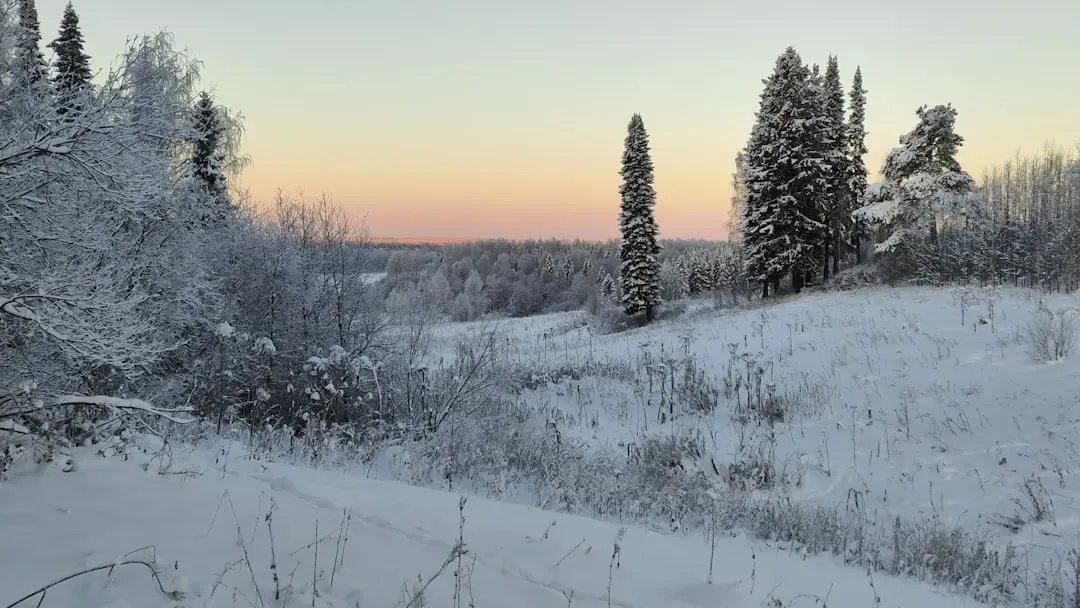
Recording for “When the Levee Breaks” took place in December 1970 at Headley Grange, where the band used the Rolling Stones Mobile Studio, after the song had already been tried unsuccessfully at Island Studios at the beginning of the for their fourth album. The damp, cold English winter and the cavernous stone architecture of the old poorhouse combined to create something no modern studio could replicate. The track opened with John Bonham’s heavy unaccompanied drumming, which was recorded in the lobby of Headley Grange using two Beyerdynamic M160 microphones suspended above a flight of stairs, with output passed to a limiter and a Binson Echorec delay unit also used; Page recalled he had tried to record the track at early sessions but it had sounded flat, while the unusual locations around the lobby gave the ideal ambience for the drum sound.
When blues duo Kansas Joe McCoy and Memphis Minnie wrote the original “When the Levee Breaks,” the Great Mississippi Flood of 1927 was still fresh in people’s memories, the flooding having affected 26,000 square miles of the Mississippi Delta, killing hundreds and forcing hundreds of thousands of residents to evacuate. Zeppelin’s December session at that cold country house closed a full circle – a song born from catastrophic weather, reimagined inside a freezing stone building where the winter acoustics did all the work. Led Zeppelin IV was an immediate critical and commercial success and is Led Zeppelin’s best-selling album, having sold over 37 million copies worldwide.
Beethoven’s Pastoral Symphony: A Thunderstorm Captured in Sound

Ludwig van Beethoven’s Symphony No. 6, the Pastoral Symphony, stands as one of the clearest examples of weather transforming music; Beethoven loved nature, often taking long walks in the countryside for inspiration, and in the fourth movement, he composed a thunderstorm using swirling strings and booming percussion, capturing the drama and unpredictability of a real storm. This wasn’t casual inspiration. It was a direct, deliberate translation of actual weather into musical language. Critics and historians have pointed to this as an early instance of “program music,” where sound is used to tell a vivid story, with audiences swept away by the emotional force of Beethoven’s musical weather, demonstrating the impact of weather on creative minds and highlighting how deeply listeners crave a sonic reflection of the world around them.
The storm in Symphony No. 6 remains a staple in concert halls, reminding us of nature’s power to move both composers and audiences. Beethoven premiered the Pastoral Symphony on December 22, 1808, in Vienna, in a concert hall so cold that audience members reportedly kept their coats on throughout. The irony was rich – a symphony celebrating nature’s drama performed inside a freezing building. Although the relationship between weather and music consumption remains largely unexplored in research, there is a body of evidence suggesting that sunshine and warmth are associated with greater activity and positivity, whereas colder weather is associated with less active and more reflective affect and behaviour.
The 1816 “Year Without a Summer” and Its Shadow Over Music

In 1816, the world experienced what became known as the “Year Without a Summer,” after Mount Tambora’s eruption in Indonesia filled the atmosphere with ash, dropping global temperatures, and the cold, dreary weather forced people indoors, including writers and musicians who gathered at Lake Geneva, among them Mary Shelley and Lord Byron, whose time spent sheltering from the relentless chill led to the creation of gothic works like “Frankenstein.” The musical fallout was equally dramatic. Composers of the Romantic era found themselves writing in a new emotional register, one shaped directly by the unnatural cold that gripped Europe. Romantic composers, inspired by the darkness, began writing pieces filled with haunting melodies and dramatic, storm-like shifts, marking a turning point where music reflected humanity’s vulnerability to nature’s wrath.
Research published in Royal Society Open Science supports the idea that this connection between weather and musical output is more than anecdotal. Analysts studied key music features of all songs that reached the United Kingdom weekly top charts for a period of 67 years from 1953 to 2019, comprising more than 20,000 unique songs, estimating high-level audio features using music information retrieval techniques and comparing the resulting dataset of popular music features with monthly weather variables including temperature, sunshine, and rainfall collected during the same time span. The cold and darkness of 1816 compressed an entire generation of European composers into an extended indoor session, and the music they wrote still echoes across concert halls today.
Bob Dylan at Newport 1965: When the Sky Matched the Rebellion
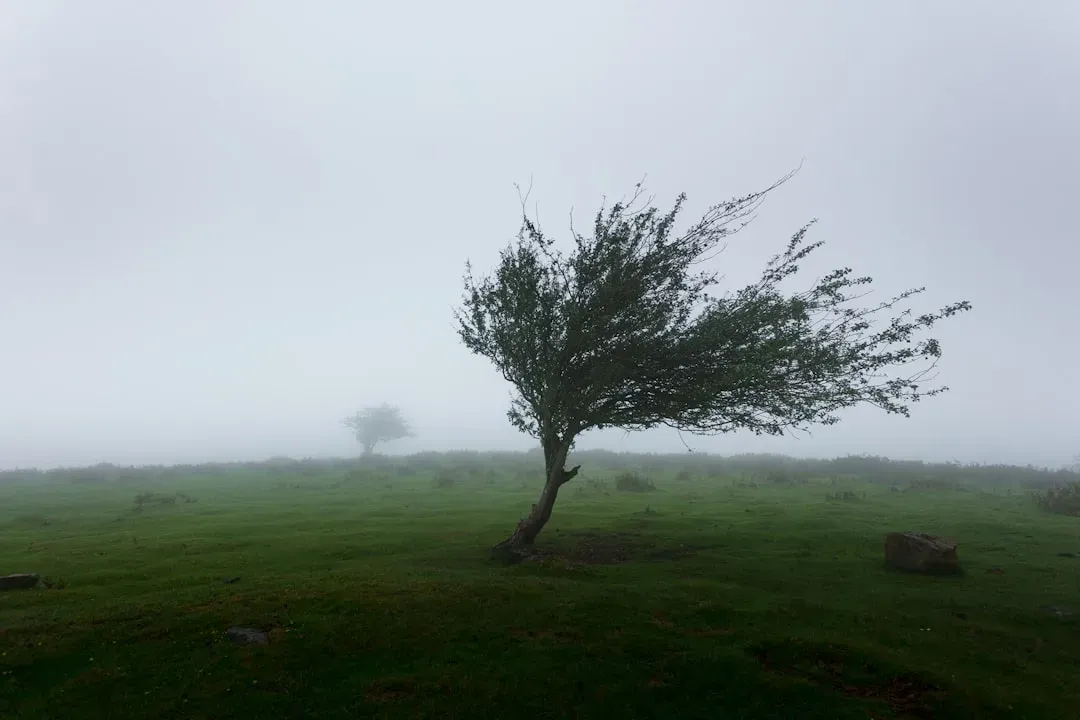
Bob Dylan’s 1965 set at the Newport Folk Festival is legendary not just for the music but for the atmosphere; that July day was overcast and threatening, echoing the brewing storm within the folk community, as Dylan, long seen as the voice of acoustic protest, shocked crowds by plugging in his electric guitar, with the skies themselves seeming to mirror the unrest, wind and rain adding to the tension, and the controversial performance splitting the audience, with some cheering and others booing as lightning flashed overhead. The weather was not just a backdrop. It was almost a co-conspirator.
Many have noted how the electrified sound and stormy weather combined, turning Dylan’s set into a symbol of transformation and rebellion, now seen as a watershed moment marking a dramatic shift in folk and rock history, all amplified by the wild, unpredictable weather. Performers at Newport that year described the sky turning dark mid-afternoon in a way that felt entirely appropriate to what was unfolding on stage. Weather has had a profound impact on American music, inspiring songs about floods, droughts, and storms that have become timeless classics. Dylan’s electric Newport set, framed by storm clouds and followed by decades of debate, stands as one of the most weather-charged live recording moments in the history of popular music.