Weather has always been more than a backdrop to human life. For musicians, composers, and entire communities, storms, floods, droughts, and bitter cold have redirected the flow of creative history in ways that no record label, manager, or manifesto ever could. From the muddy fields of upstate New York to the drowned streets of New Orleans, the forces of nature have shaped what we listen to, who survived to perform, and which genres rose to define a generation. The relationship between weather and music is not a romantic metaphor – it is a factual, documented, and sometimes devastating reality.
The Great Mississippi Flood of 1927 and the Spread of Jazz
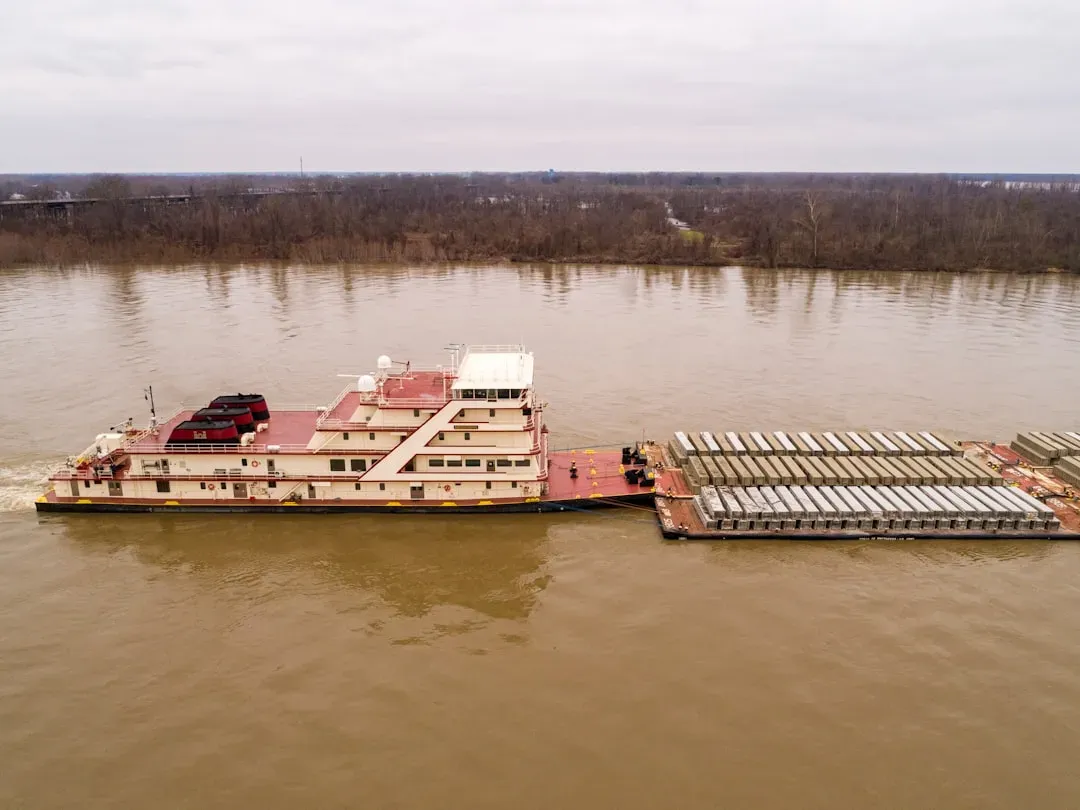
The Great Mississippi Flood of 1927 was one of the most devastating natural disasters in U.S. history, displacing over 600,000 people. Many of those forced to leave were Black Americans from the South, who brought with them the sounds of blues and jazz, migrating north to cities like Chicago and Detroit and planting the seeds for new jazz movements. Blues artists like Charley Patton captured the fear in “High Water Everywhere,” while Memphis Minnie and Kansas Joe McCoy sang “When the Levee Breaks” – a song that decades later transformed from a blues lament into one of rock’s most iconic tracks when Led Zeppelin reimagined it in 1971.
The flood’s trauma and displacement were woven into the music itself, with lyrics and melodies reflecting loss, hope, and resilience. Historians often credit this migration with accelerating the spread of jazz, turning it into a national and eventually global phenomenon. Johnny Cash’s “Five Feet High and Rising” drew on a childhood memory of the 1937 flood in Dyess, Arkansas, where his family watched water creep higher each day – a song that became one of his most personal works, showing how weather shaped not only survival but storytelling in country music.
Woodstock 1969: When Rain Became Part of the Legend
The Woodstock Music and Art Fair was held from August 15 to 18, 1969, on Max Yasgur’s dairy farm in Bethel, New York, and attracted an audience of more than 460,000. According to NOAA, July 1969 delivered 7.17 inches of rain to Sullivan County, New York, compared to a historical average of 4.28 inches, making it the wettest July since 1947. By the end of August, more than 16 inches of rain had fallen in the county. The ground was already saturated before a single note was played.
On Sunday, just after Joe Cocker finished his performance, a large thunderstorm swept across White Lake and Bethel, dumping over 25mm of rain near the venue. There was wild lightning and strong winds. Organizers were forced to cover precious electronic equipment and move people off the stage and the huge metal lighting towers. Yasgur’s fields were transformed into a sea of mud, and the storms delayed performances until at least 6:30pm. What had been scheduled as a three-day festival continued well into the morning of Monday, August 18 due to the numerous rain delays and technical glitches. Jimi Hendrix was the last to perform at the festival, taking the stage at 8:30 Monday morning after delays caused by the rain. By that point, the audience had fallen to about 30,000 from an estimated peak of 450,000.
The Day the Music Died: A Blizzard in Iowa, February 3, 1959
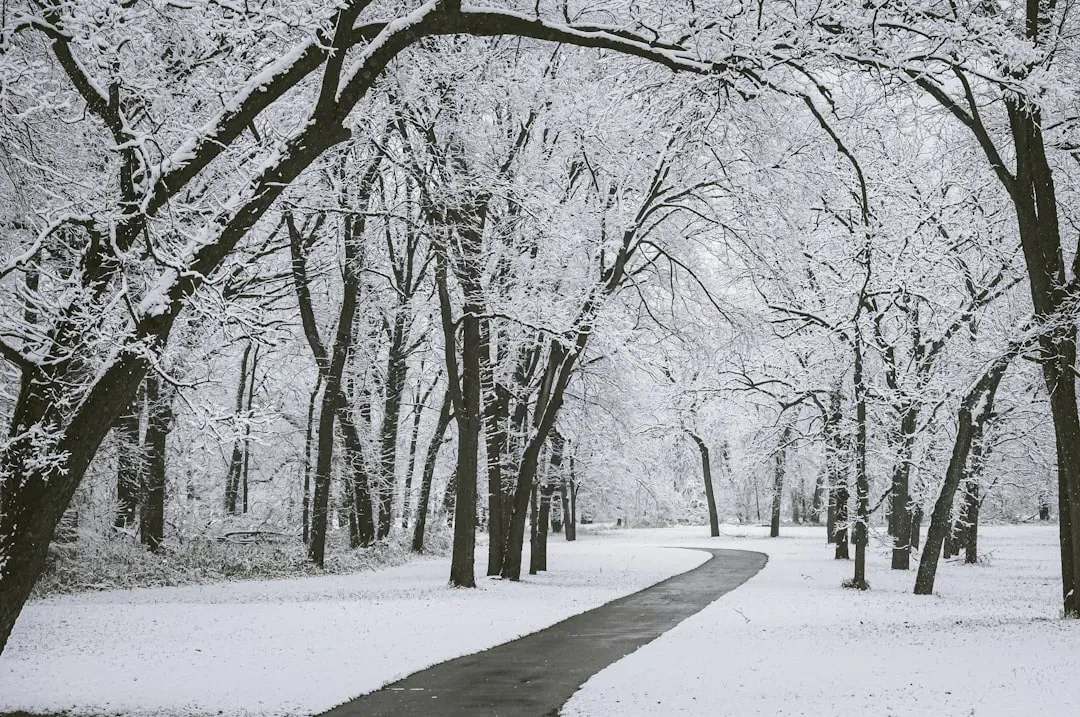
On February 3, 1959, American rock and roll musicians Buddy Holly, Ritchie Valens, and “The Big Bopper” J. P. Richardson were killed in a plane crash near Clear Lake, Iowa, together with pilot Roger Peterson. The event later became known as “The Day the Music Died,” a phrase popularized by Don McLean in his 1971 song “American Pie.” The midwinter temperatures during that tour were extreme, sometimes down to −36°F (−38°C), with waist-deep snow. The brutal cold was not incidental – it was the direct trigger for the decision that ended three careers and three lives in a single night.
The touring musicians shared a converted school bus that transported them to and from each venue. The bus lacked heating, and the winter weather presented them with numerous obstacles along the two-lane rural highways, with travel from city to city sometimes lasting as long as 12 hours. Federal investigators later cited poor weather conditions and pilot disorientation as factors in the crash. Across the Midwest, temperatures had been below zero, and when the plane took off, snow bands were developing. The young pilot, Roger Peterson, took off without much experience flying in wintry weather. Snow began to accumulate on the plane, causing it to lose altitude, and it crashed 10 miles from the airport, killing all on board.
Hurricane Katrina and the Fracturing of New Orleans Music
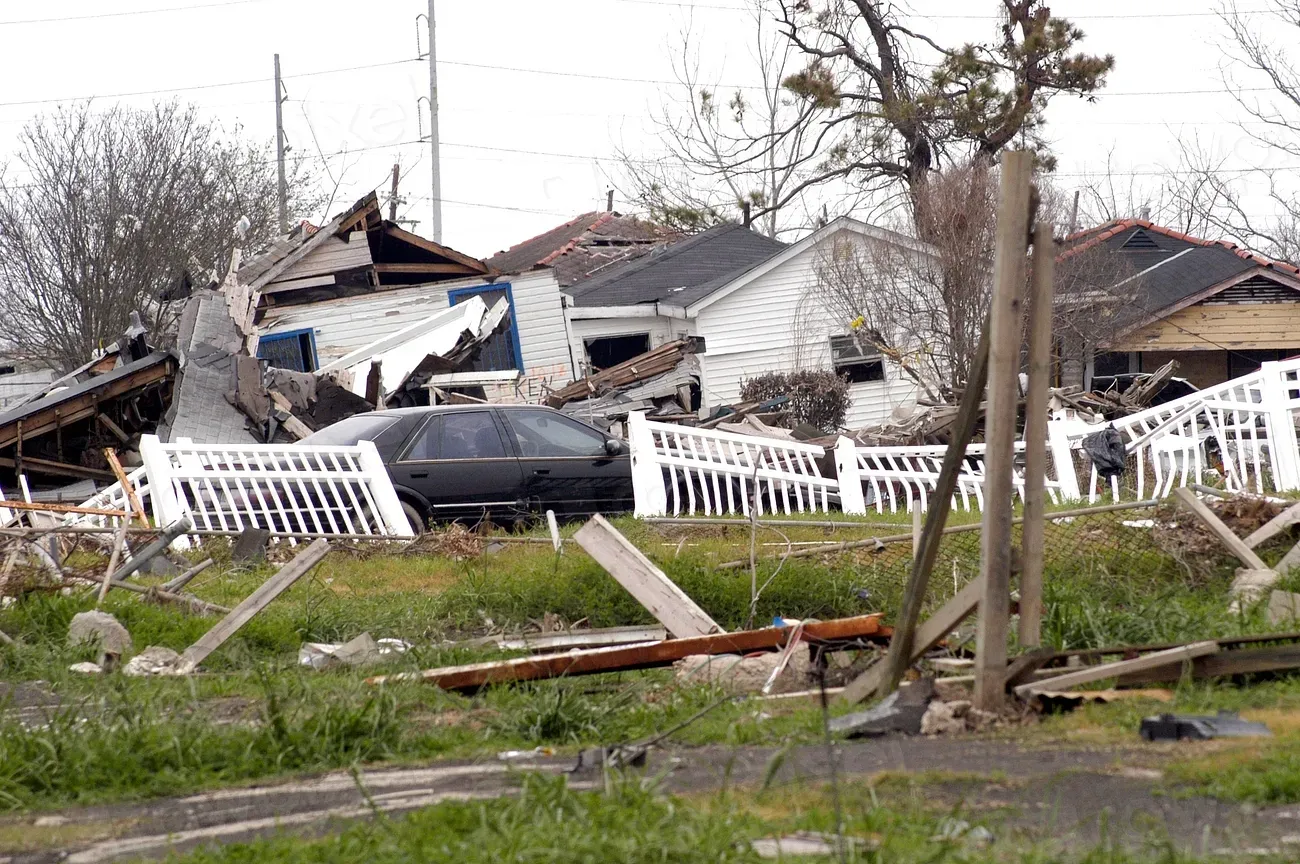
Hurricane Katrina cleaved the history of New Orleans music into two eras: before and after the levees failed on August 29, 2005. Prior to the storm, the city’s music often came from neighborhood-based networks – extended families and associates who lived, worked, worshipped, and made art together. Those networks fractured when the flood displaced hundreds of thousands of people. Katrina ravaged New Orleans and surrounding areas in late August 2005, killing at least 1,392 people, displacing roughly 1.5 million, and submerging roughly 80 percent of the city in dangerous, debris-filled water.
While artists made remarkable efforts to continue their work, structural changes in the city – such as the dismantling of its public housing and school systems – prevented many residents from returning to their neighborhoods. As a result, many of the homes, churches, schools, barrooms, and other places that gave rise to New Orleans music were lost or transformed. Many writers now feel that Katrina has ushered in a renaissance for New Orleans jazz, an awakening based in catharsis and a renewed commitment to a cultural environment that posits music as necessary to existence. When Hurricane Katrina devastated the region, musicians sprung into action – donating money, holding auctions, and organizing benefit concerts, with a telethon called “A Concert for Hurricane Relief” airing on NBC only days after the storm hit.
The Dust Bowl and the Birth of Protest Folk Music
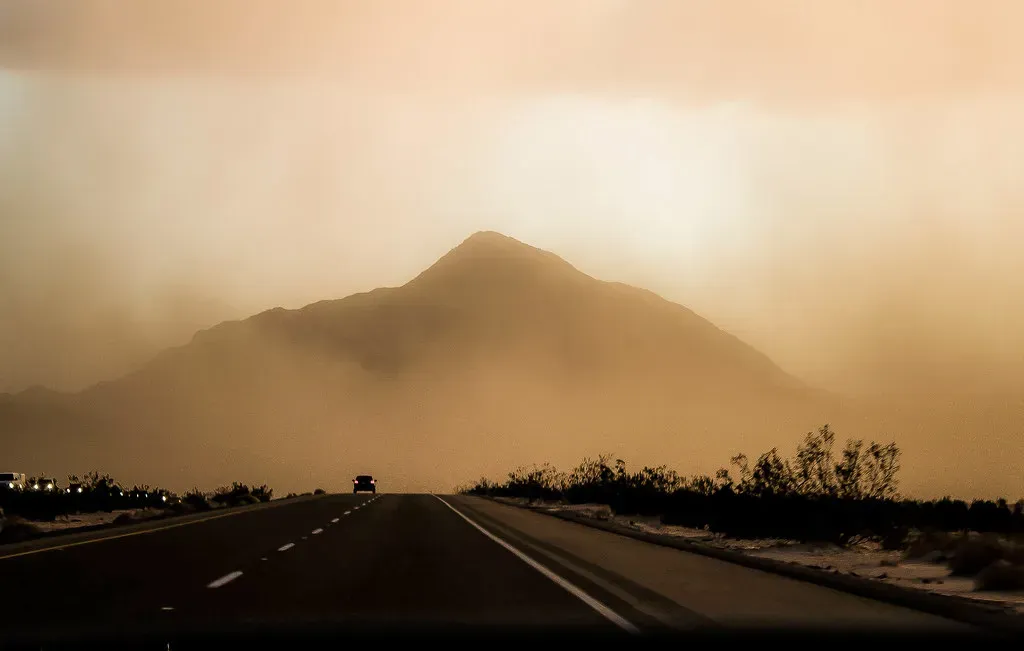
The Dust Bowl of the 1930s brought relentless drought and dust storms, forcing thousands of families to abandon their homes. Woody Guthrie, himself displaced by these events, became the voice of the era’s struggles, with his “Dust Bowl Ballads” filled with vivid images of swirling dust, cracked earth, and the heartbreak of migration. The 1930s drought was one of the worst in U.S. history – crops failed, wells dried up, and the Delta cracked under relentless heat. Bluesman Son House recorded “Dry Spell Blues,” a desperate plea for rain, while country and folk artists across the South sang ballads of hardship and migration.
Guthrie’s simple melodies and plainspoken lyrics resonated with ordinary Americans, giving them a sense of solidarity and hope. His songs became anthems for those seeking a better life, and by documenting the weather’s toll on real people, Guthrie helped cement folk music’s role as social commentary and collective memory. Violent storms left their mark on other artists too. A deadly tornado struck Tupelo, Mississippi, in 1936, killing hundreds. John Lee Hooker later recorded “Tupelo Blues,” turning that tragedy into music – and that same tornado was one that nearly killed Elvis Presley when he was one year old.
Weather, Mood, and Chart Music: What the Research Shows
Researchers examined associations between prevailing weather conditions and music features in all available songs that reached the United Kingdom weekly top charts throughout a 67-year period from 1953 to 2019, comprising 23,859 unique entries. They found that music features reflecting high intensity and positive emotions were positively associated with daily temperatures and negatively associated with rainfall, whereas music features reflecting low intensity and negative emotions were not related to weather conditions. These results held true after controlling for temporal and seasonal patterns.
The music-weather associations were more nuanced than previously assumed, becoming meaningful only in those months and seasons when changes in weather were the most notable – suggesting that daily temperature and hours of sunshine are only influential in months when the weather is generally bad, such as winter and autumn. Today, outdoor concerts and festivals are already reacting by shifting dates to cooler times of the year or avoiding areas that might be impacted by hurricanes or tropical storms, with shows being canceled, postponed, delayed, and moved up as artists and festivals schedule concerts to work around heat and rain. The science confirms what artists have always known instinctively: the sky above influences the music below.