There’s a moment, somewhere between your third pastel de nata and your first genuinely quiet evening without sirens or traffic, when you realize something has shifted. Not just your location. Something deeper. That’s the moment a lot of people who have moved to rural Portugal are talking about. It’s not dramatic. It sneaks up on you.
The idea of packing up your life and landing in a centuries-old village for under $700 a month sounds almost too good to be true. So good that most people scroll past it, assuming it’s a scam or some kind of hustle. It isn’t. Let’s get into exactly why.
The Numbers Are Real – And They’re Striking

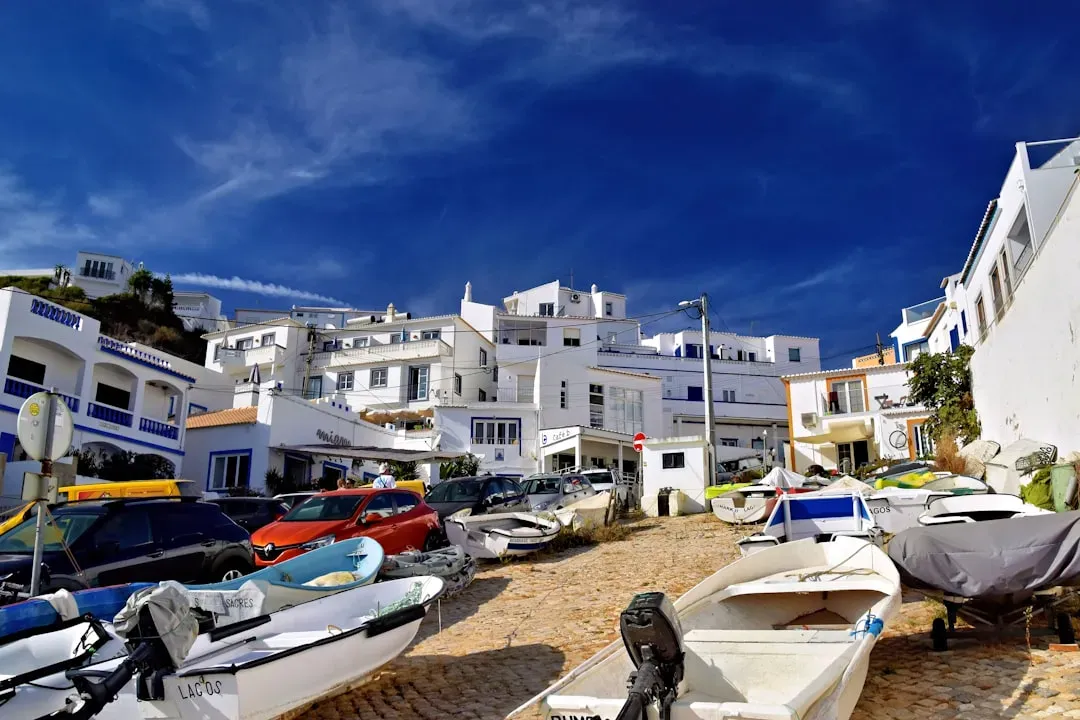
Let’s be real: the first thing everyone wants to know is whether the cost of living thing is actually legit. Honestly, it is. Quaint villages in Portugal’s interior can offer expats furnished rentals starting at just $450 a month. That’s not a typo and it’s not a 1970s ruin either.
Monthly rents can dip as low as €250 in the countryside, according to recent data from the National Statistics Institute (INE) published in late March 2025. The disparity between city and village is enormous and it works entirely in your favor if you’re willing to go inland.
A single person can live on €1,200 to €1,750 per month in smaller towns, compared to €1,750 to €2,350 per month in major cities like Lisbon. When you factor in village rents that can come in well under €700, you’re suddenly looking at a life that is both full and genuinely affordable.
Where Exactly Are These Villages?

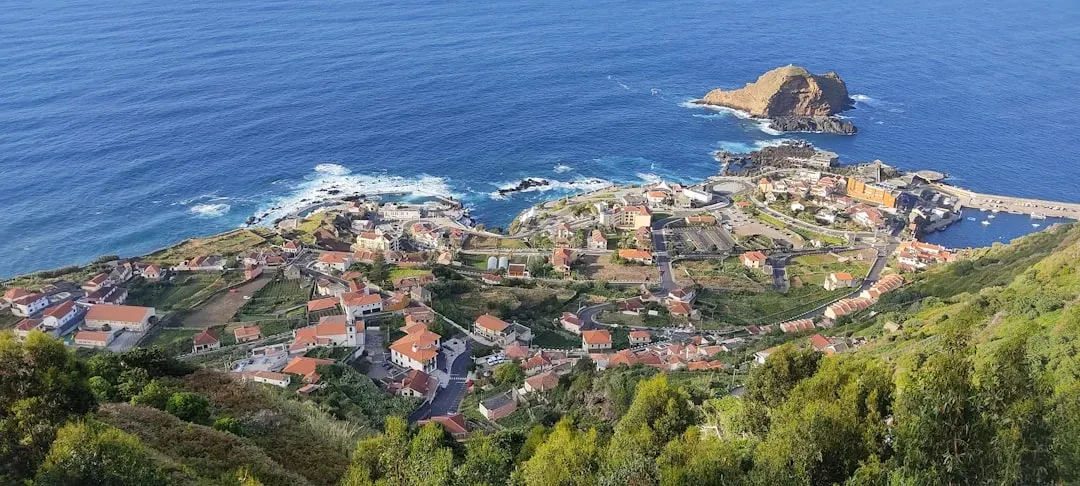
The search for Portugal’s most affordable rental properties leads us inland. The districts of Bragança, Vila Real, Viseu, and Portalegre are the areas that currently have the most economical housing options in the country. These aren’t obscure, forgotten backwaters. They have history, markets, food, and real community life.
Take Mirandela, for instance. It ranks among the most affordable municipalities, with rental prices that average around €2.78 per square meter, meaning a 100-square-meter home costs around €278 monthly. Known for its impressive Roman bridge and delicious alheira sausage, Mirandela has a blend of history, gastronomy, and affordable housing.
These remarkably low prices are typically found in areas with lower population density and fewer economic opportunities compared to coastal regions and major cities. However, for remote workers, retirees, or those seeking a more traditional lifestyle, these locations offer exceptional value. That last part is key. If your income comes from abroad, the trade-offs are basically nonexistent.
Portugal Is Genuinely One of the Safest Countries on Earth

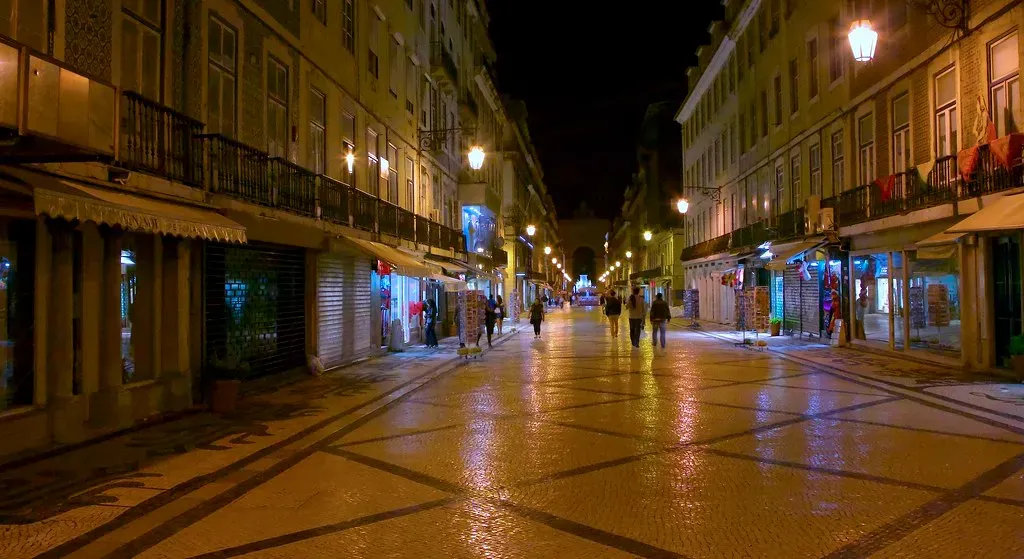
Safety is something people mention when they talk about Portugal, but the data behind it is worth pausing on. In the annual Global Peace Index, released by the Institute for Economics and Peace, Portugal ranked 5th among the top 10 safest countries in Europe, and according to the 2024 Global Peace Index, it now ranks 7th globally. That’s not a marketing line. That’s a measurable, verified ranking.
Violent crime in Portugal is rare, and petty crimes such as pickpocketing are generally less common than in many other European cities. In small rural villages, this feeling is even more pronounced. People leave doors unlocked. It sounds cliché until you actually experience it.
The Foreign Community Is Bigger Than You Think

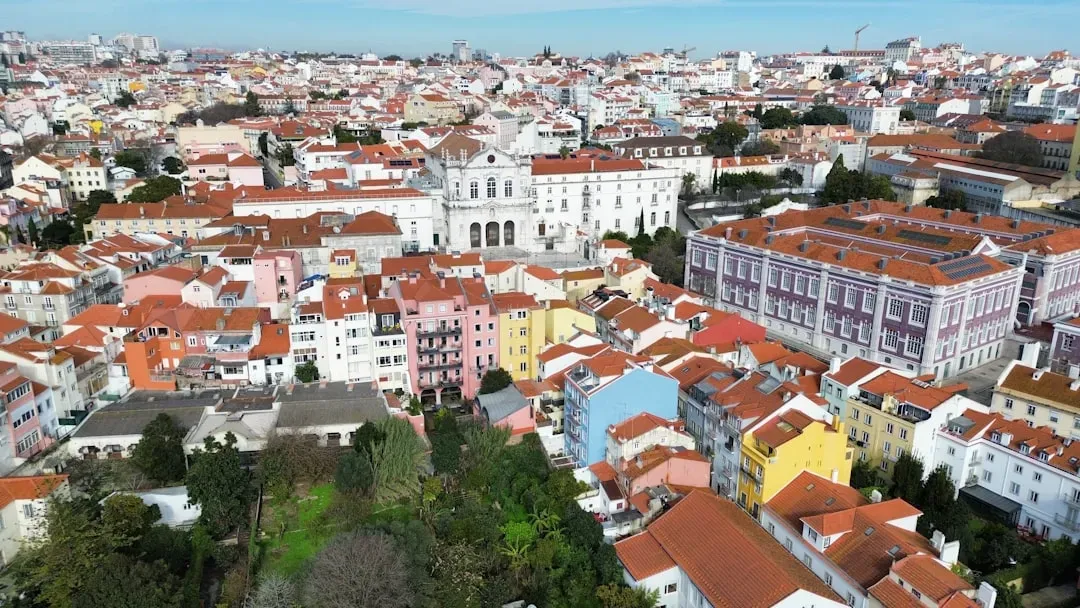
You won’t be alone out there. Not even close. Portugal is safe and home to a vibrant expat community, with over 1 million expats in the total population. That number represents a massive shift in who is calling Portugal home.
Individuals and families are relocating to Portugal from countries such as Brazil and the UK. According to a report published by the immigration agency known as AIMA, British citizens are the second-most common foreign nationality living in Portugal, behind only the Brazilian community. Americans are increasingly part of the mix too.
You’ll find growing groups of people from the USA, Great Britain, Brazil, France, Italy, and Spain. Wherever you choose to reside, you’re likely to encounter someone from your background or connect with a welcoming international community. In the villages, the international crowd tends to be smaller and tighter-knit. Which, depending on your personality, might actually be the point.
The Digital Nomad Visa Opens the Door
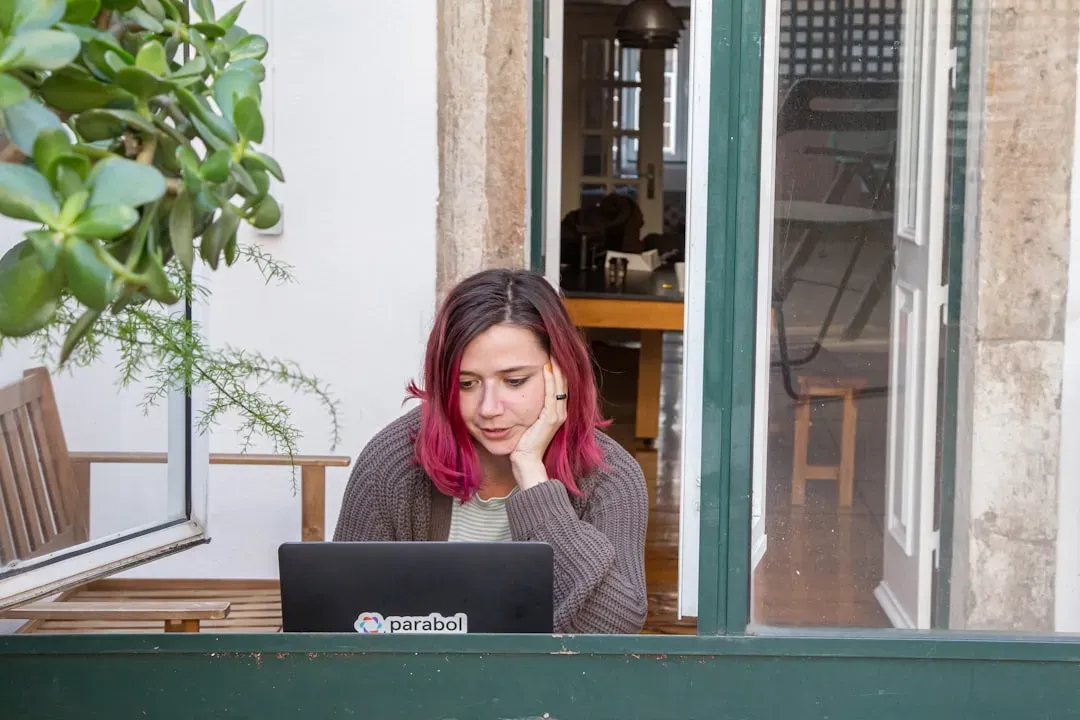
The practical question is always: how do you actually live there legally? Portugal made this cleaner than most countries. Launched in 2022, the D8 Visa is a specific residence permit designed for non-EU remote workers and freelancers employed by foreign companies. Unlike traditional work visas, this permit doesn’t require a Portuguese employer, making it ideal for location-independent professionals.
All applicants must meet the minimum monthly income requirement equivalent to four times the Portuguese minimum wage, which currently stands at €920. So if you earn around €3,680 or more per month remotely, you qualify. For many remote workers, especially those earning in dollars or pounds, this threshold is very reachable.
The visa is valid for up to one year, with the option to renew if you meet the requirements, and allows you to live and work from anywhere in Portugal. You can also travel freely within the Schengen Area, up to 90 days within any 180-day period, making it ideal for those who want flexibility across Europe. That’s an extraordinary deal for what amounts to a single income proof requirement.
Partner offer

Healthcare That Actually Works – Without Bankrupting You


This one surprises people most, especially Americans. In 2024, the World Health Organization ranked Portugal in 4th place in its ranking of the Best Countries for Healthcare Access in the world. Fourth. In the world. Let that sink in for a second.
Residents can pick up affordable private health insurance plans with no deductibles starting at just $30 a month for a couple in their 40s, while a couple in their 60s will pay around $300. Compare that to what health insurance costs back home. The math is almost offensive.
Essential medical services in the public healthcare system, such as a visit to an emergency department, can cost between €15 and €20. In the US, that same visit could set you back hundreds or even thousands of dollars. It’s one of the most tangible quality-of-life upgrades people report after moving to Portugal.
Rural Depopulation Created This Opportunity – and the Government Knows It

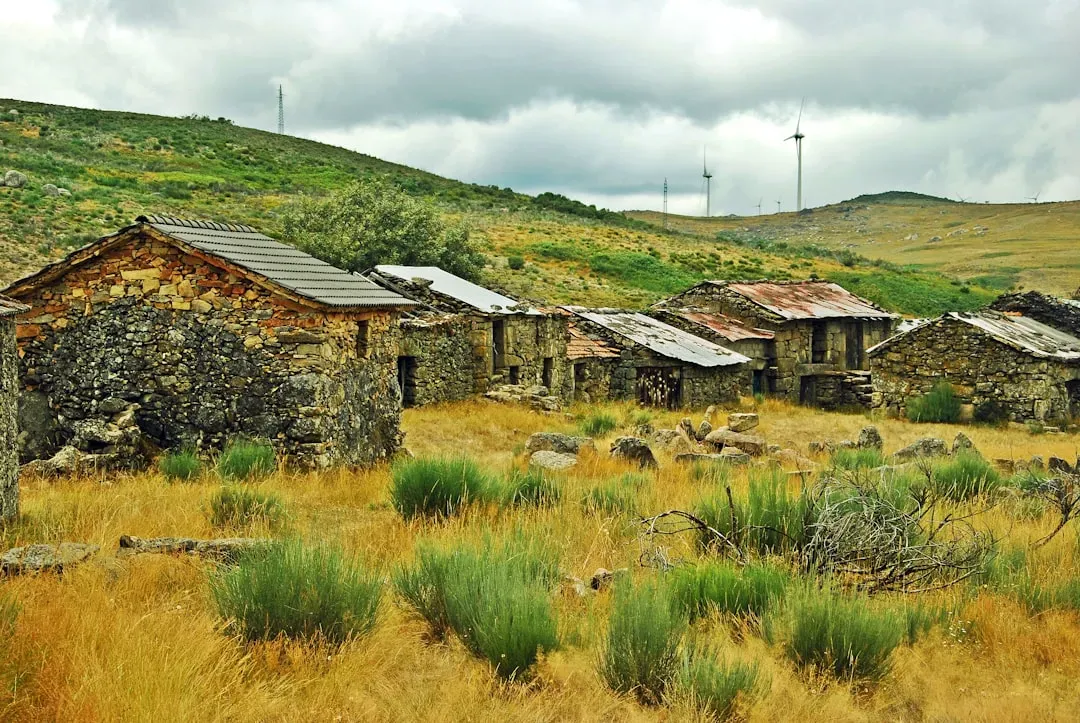
Depopulation, lack of investment and the centralisation of services in large cities have led to a gradual loss of economic and cultural dynamism in rural areas. However, it is precisely in these areas that one of the continent’s greatest reserves of sustainability, identity and strategic resources is to be found. In simple terms: these villages emptied out, which kept prices low and housing available.
Programs like “Trabalhar no Interior” have supported this shift by offering tax incentives and relocation support to those willing to move inward. The Portuguese government actively wants new residents in its interior regions. That political will matters for long-term stability.
In addition to addressing housing shortages, government initiatives aim to stimulate economic growth and counteract regional disparities. By focusing on Portugal’s interior regions, the government seeks to revitalise areas that have faced population decline and limited economic opportunities. If you move there now, you’re arriving ahead of whatever revitalization wave is coming.
Food, Wine, and Daily Life Cost a Fraction of What You’re Used To


Here’s the thing about daily life in a Portuguese village: it’s delicious. Not metaphorically. Literally. Food costs significantly less in Portugal since its produce is grown locally, fish is caught from its extensive coastline, and delicious wines can be picked up for just a few euros per bottle. Restaurants throughout the country offer delicious meals at a fraction of what you might expect. It’s possible to find meals starting as low as $5 in tiny villages in the interior.
The average restaurant price in Portugal is 38% lower than in the United States, and grocery prices in Portugal are 39% lower than in the United States. Think about that next time you’re paying $18 for a salad. In a village, that same money covers dinner for two with wine left over.
Portugal Consistently Scores High for Expat Happiness

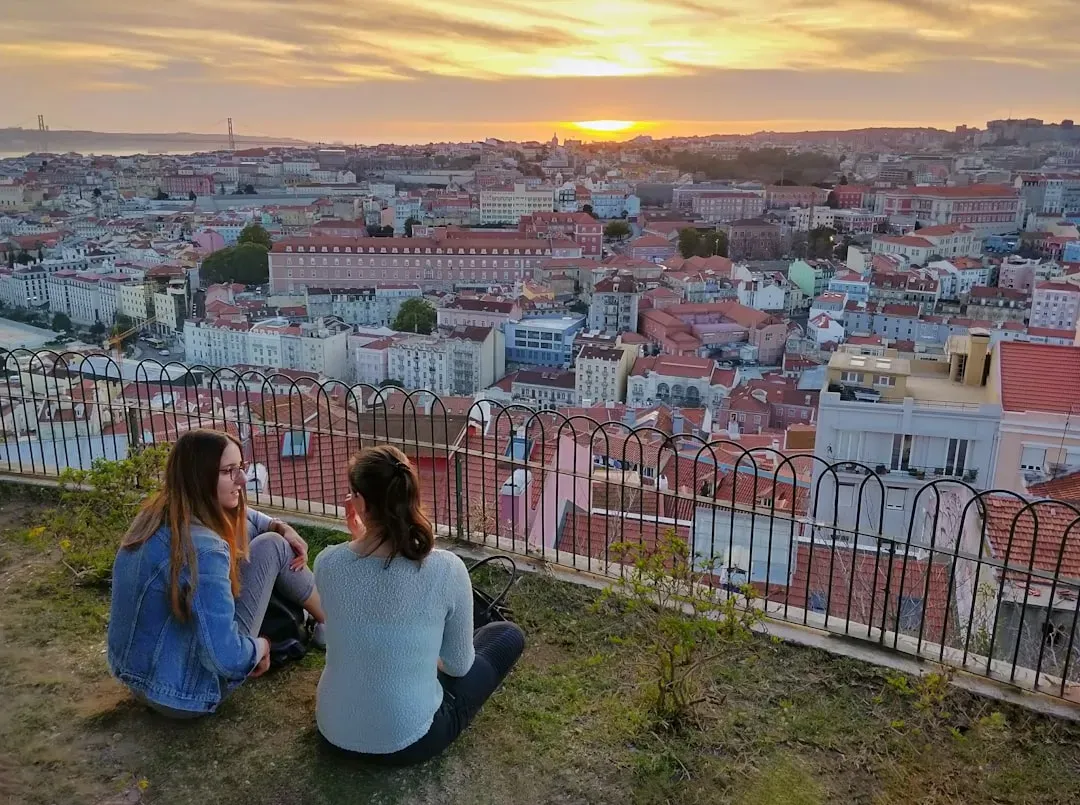
The numbers matter, but so does how people actually feel about living there. Portugal has been ranked 15th in the Expat Insider 2024 ranking, which evaluates the best countries for people living abroad. More specifically, the quality of life indexes placed Portugal 7th, personal finances 13th, and ease of integration 15th in that same global survey.
Generally, American expats report a very positive experience, often citing that the country offers a relaxed pace of life, rich culture, safety and affordable cost of living compared to the US. I think the “relaxed pace of life” part is actually the most underrated element of the whole conversation. It sounds soft until you’ve lived it.
According to the EF English Proficiency Index, Portugal ranks 6th globally for English proficiency. So language barriers in most places, even smaller towns, are far less daunting than people fear. You can still learn Portuguese, and you should, but you won’t feel stranded from day one.
The City vs. Village Trade-Off Is Real – But Smaller Than You Think

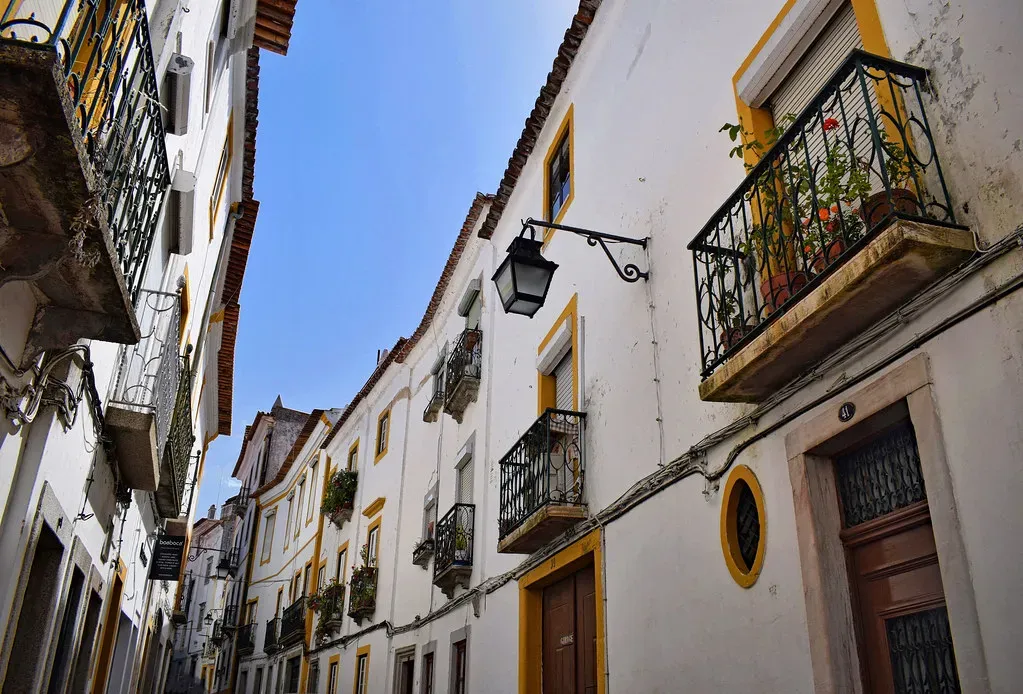
It’s worth being honest here. Village life in the Portuguese interior is slower. Some of that is wonderful. Some of it requires adjustment. Some cons of residing in Portugal are the slow pace of life, which doesn’t suit everyone, bureaucracy and long waiting times, and the necessity to carry cash. These are real friction points. They’re also manageable ones.
Those who are considering inhabiting rural areas of Portugal may expect a lower cost of living compared to major cities. It is also possible to save a bit by choosing accommodation not in the city centre but on the outskirts of a large metropolitan area. Smaller cities such as Braga, Coimbra or Aveiro remain good alternatives for those seeking a high quality of life at a lower cost than in the main urban centres. So you’re not choosing between urban comfort and rural isolation. There’s a whole spectrum in between.
The honest truth is this: if your income is location-independent, the village math is extraordinary. North Americans who choose Portugal as their home can expect to spend roughly one-third to one-half less than they do in their home countries, depending on where they currently reside. For many people, that gap is the difference between surviving and actually living. And once you’ve experienced the latter, going back is very hard to imagine.
What would you do with a life that costs half as much and feels twice as rich? Share your thoughts in the comments below.
Partner offer
Planning a trip to Vegas?
Compare hotel rates and show tickets on VEGAS.com.