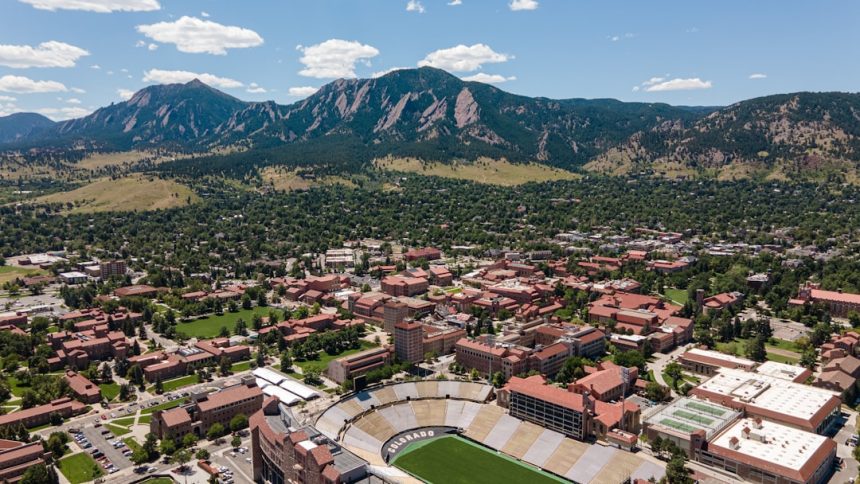
There’s something almost rebellious about a Nevada town that turns its back on gambling, skips the neon signs, and quietly keeps its streets clean and calm while Las Vegas roars just down the highway. That’s Boulder City for you. A place people either stumble upon by accident or choose very deliberately when the Strip finally becomes too much.
I’ll be honest – I never expected to fall for a town of fewer than 15,000 people in the middle of the Mojave Desert. But here’s the thing: the more you dig into what Boulder City actually costs – financially, socially, practically – the more interesting the picture gets. Let’s dive in.
A Small Town With a Big History
Boulder City was first established in 1931 to house the builders of the Hoover Dam, and has since grown into a flourishing little city with shops, cafes, sought-after amenities, and community events. It wasn’t born organically like most towns. It was engineered, planned from scratch, and given a very specific identity from day one.
Since its founding as a federal reservation for Hoover Dam workers in 1931, Boulder City based its character on simplicity, and was founded with laws against gambling, prostitution and liquor. That’s not a minor footnote. That founding DNA still shapes everything about the place today, from its politics to its property values.
The town has preserved over 400 vintage structures and features multiple museums with interactive exhibits and authentic artifacts. Walking around downtown still feels like stepping into a preserved era. Honestly, it’s a little surreal – in the best possible way.
The Population Reality: Intentionally Small
With a population of slightly more than 15,627 people, Boulder City residents enjoy a quaint, small-town atmosphere, historic charm and an excellent quality of life with a low crime rate. For context, that’s roughly the size of a mid-sized university campus. You will run into your neighbors at the grocery store. Regularly.
The City of Boulder City is officially committed to preserving its status as a small town, with a small-town charm, historical heritage and unique identity, while proactively addressing the community’s needs. This isn’t just marketing language. The city actively manages growth, which is genuinely rare in the American Southwest right now.
The No-Gambling Rule: More Than Just a Quirk

Boulder City is one of only two cities in Nevada that prohibits gambling, the other being Panaca. In a state that practically runs on casino revenue, that is a staggering, almost counterintuitive policy – and locals are fiercely proud of it.
When the federal government relinquished control in 1960, residents voted to keep the gambling ban. They’ve resisted developers and pressure ever since. Think about that for a second. Residents have repeatedly, actively chosen less economic development in exchange for a certain quality of life. That’s a rare kind of collective conviction.
The result is a quieter, more stable community focused on families rather than tourists. No slot machines rattling in the corner of every gas station. No casino buses. No all-night noise. For some people, that trade-off is everything.
The Commute: Close Enough, Far Enough
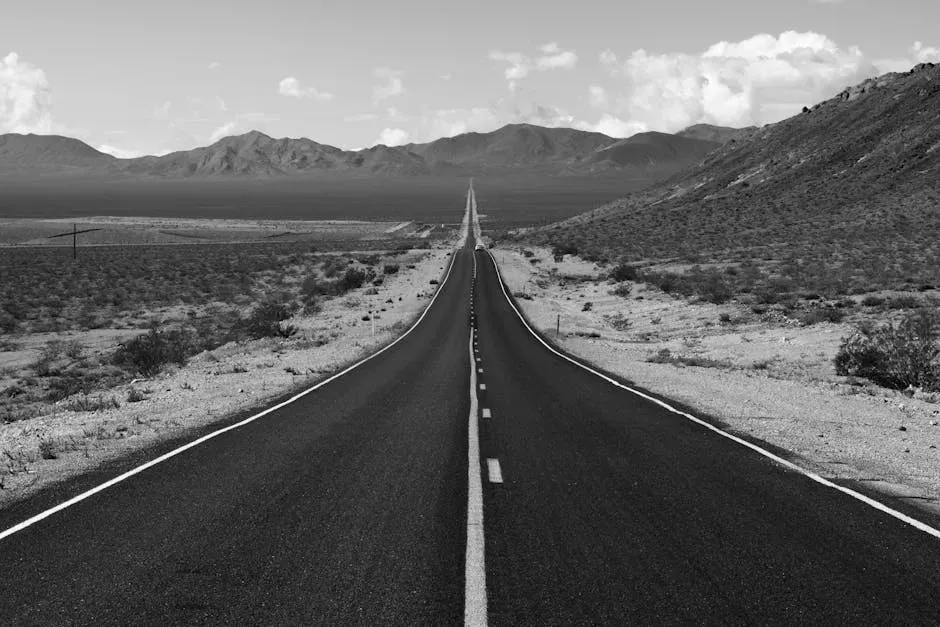
Boulder City is approximately 26 miles southeast of Las Vegas. On a good day, that’s maybe 30 minutes down US-93. On a bad day, especially with Las Vegas traffic thickening as the metro continues to expand, it can stretch considerably longer. So the “escape” is real, but it is not total.
The city’s economy thrives on tourism, healthcare, and government sectors, with many positions ranging from hospitality to administrative roles – and the local economy benefits from the nearby Hoover Dam and Lake Mead, attracting visitors year-round. That means many residents who work in Las Vegas are making that highway drive daily. It’s the classic small-town suburban compromise. You get the peace, you earn the commute.
What Housing Will Actually Cost You
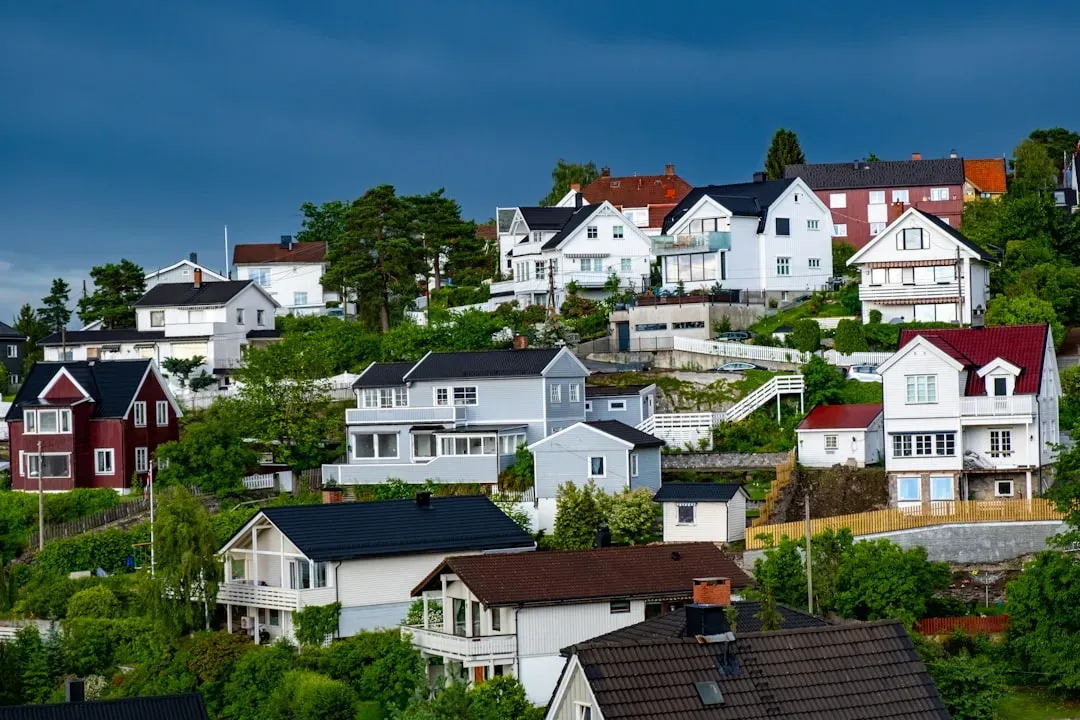
The median home price in Boulder City hovers around the $465,000 mark, and although higher than some might expect for a small town, these prices reflect the community’s strong desirability and limited land availability due to the federally protected areas surrounding Lake Mead. Federal land restrictions essentially act as a permanent cap on new construction, which keeps supply tight.
Around 75% of households in Boulder City are owner-occupied, with roughly 25% being renter-occupied. That homeownership rate is high, and it creates a very different neighborhood dynamic compared to transient rental markets. People here are not passing through. The largest share of rentals in Boulder City fall between $1,001 and $1,500 per month.
When it comes to the cost of living in Boulder City, housing costs are a real heavyweight, with housing expenses for both buying and renting being nearly 50% more expensive compared to the average U.S. city. That number should stop any prospective mover in their tracks and demand serious budget planning.
The Tax Advantage That Changes the Math

Let’s be real – one reason people flock to Nevada from states like California or Oregon is taxes. Nevada keeps taxes low for residents thanks to the robust tourist and casino industry in the state, making it a good option for those seeking lower taxes. The state effectively lets tourism subsidize the resident lifestyle.
The property taxes in Nevada are among the lowest in the country, helping to lower the cost of living for homeowners. For someone coming from a high-tax state, this alone can offset thousands of dollars per year. Due to Nevada’s lack of state income tax and overall tax-friendly environment, Boulder City and other areas in the Las Vegas Valley have always been popular places for retirees. It is, frankly, a legitimate financial incentive – not just a slogan.
Overall Cost of Living: The Full Picture

Boulder City gets a BestPlaces Cost of Living score of 110.6, meaning the total cost of housing, food, childcare, transportation, healthcare, taxes, and other necessities is about 10.6% higher than the U.S. average. That gap is meaningful when you’re budgeting month to month. It doesn’t make Boulder City unlivable, but it does mean you need to walk in with clear expectations.
Transportation expenses like bus fares and gas prices in Boulder City run about 11% higher than the national average. For a car-dependent desert community, that adds up. Healthcare in Boulder City, however, is about 13% lower than the national average – which is a genuine bright spot, especially for retirees or families with regular medical needs.
Safety: One of Boulder City’s Best Arguments
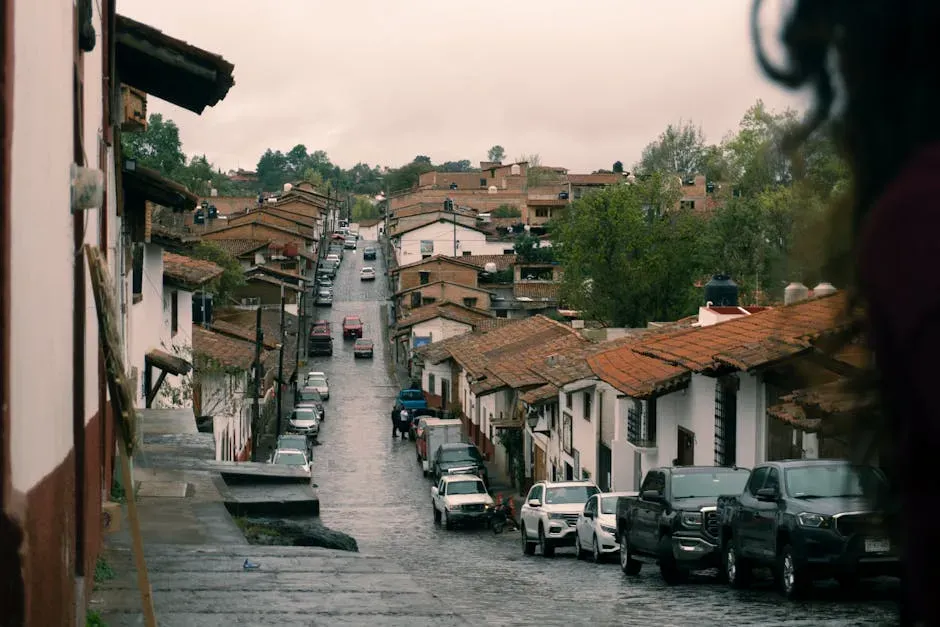
Both the property crime rate and the violent crime rate in Boulder City are among the lowest in the state, at 8.87 and 1.75, respectively. To put that in perspective, Las Vegas crime rates regularly rank among the highest in the nation. The contrast is almost comical.
Boulder City is an excellent place to live for families and retirees due to its low crime, quick commute times, and abundance of employment opportunities. For parents raising kids or retirees who want to feel secure on evening walks, this is arguably the single most compelling reason to make the move. Safety is not a small thing. It’s everything.
The Tourism Economy and Hoover Dam Factor
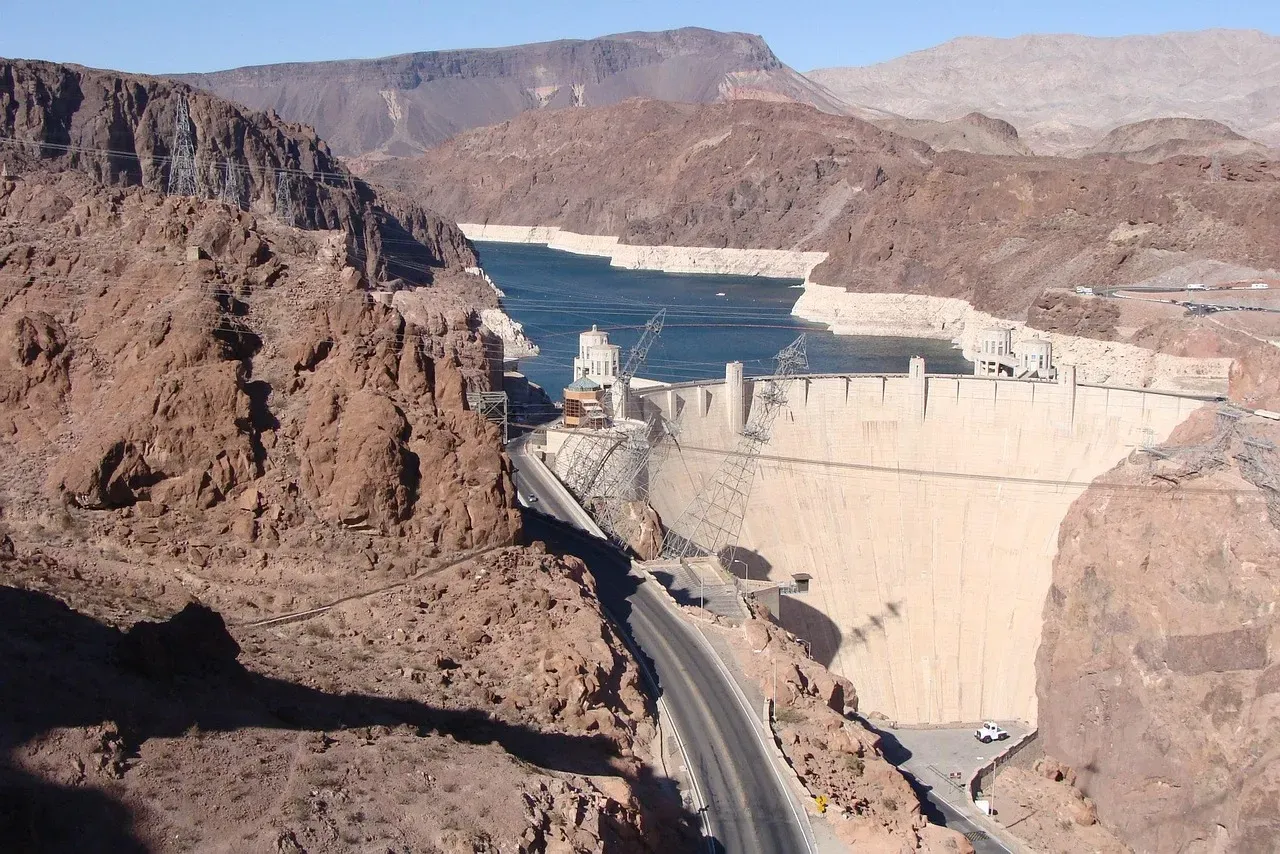
Boulder City sits at the heart of one of the most visited landmarks in the American West. Tourism from Hoover Dam and Lake Mead is a major driver of the local economy, supporting hospitality, retail, and service jobs throughout the town. The Hoover Dam is a major employer and significant source of pride for locals, providing jobs in engineering, construction, and maintenance that attract professionals from various fields.
The internationally known Dam Short Film Festival showcases independent short films in multiple genres at the historic Boulder Theatre, built in 1933 and still going strong. Events like this are not just fun. They draw visitors into the local economy, filling restaurant seats and boutique shops in ways that quietly sustain the community.
Nevada’s Growth Pressure: Can Boulder City Hold the Line?
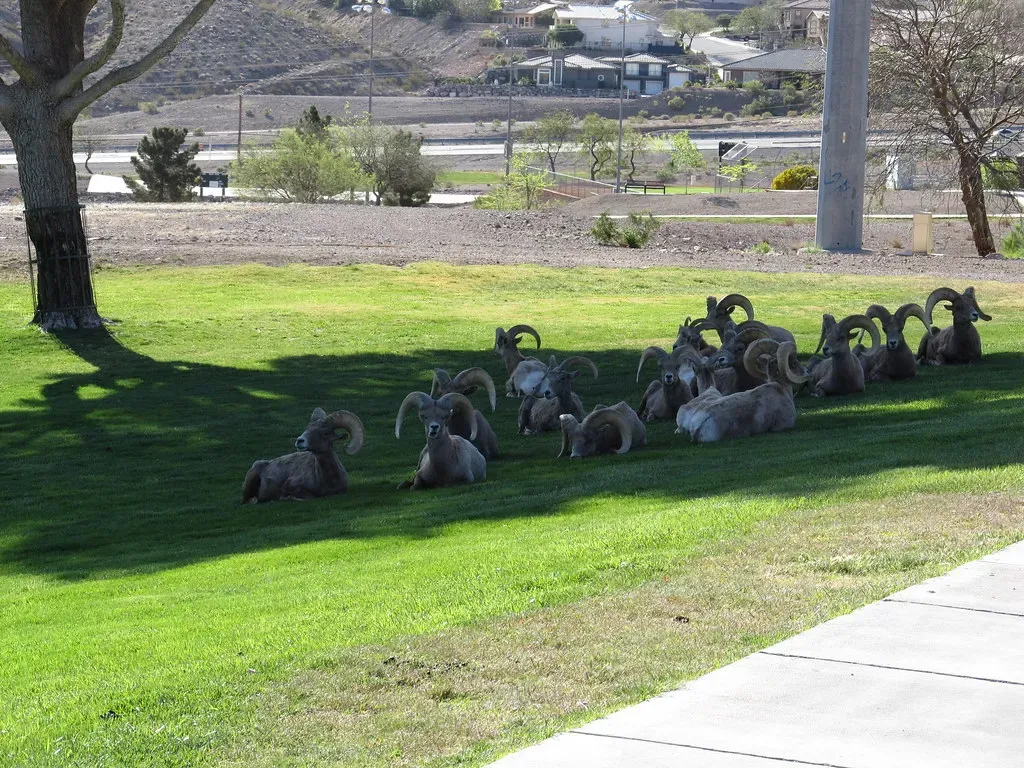
Nevada has become one of the fastest-growing states in the country. With the state surpassing 3.2 million residents by 2024 and growth continuing into 2025 and 2026, the pressure on smaller communities like Boulder City is building. The median home sold price in Boulder City was $476,000 in mid-2025, up roughly 11% from the previous year – reflecting real demand and a competitive market.
Home prices reflect the community’s strong desirability and limited land availability due to the federally protected areas surrounding Lake Mead. That federal land buffer is essentially Boulder City’s greatest protection against becoming the next Henderson. The town has seen population growth of roughly 1.5% over the past year and around 5.5% over five years, which signals steady, controlled demand rather than the kind of explosive sprawl that swallowed other Nevada suburbs.
Conclusion: What You’re Really Paying For
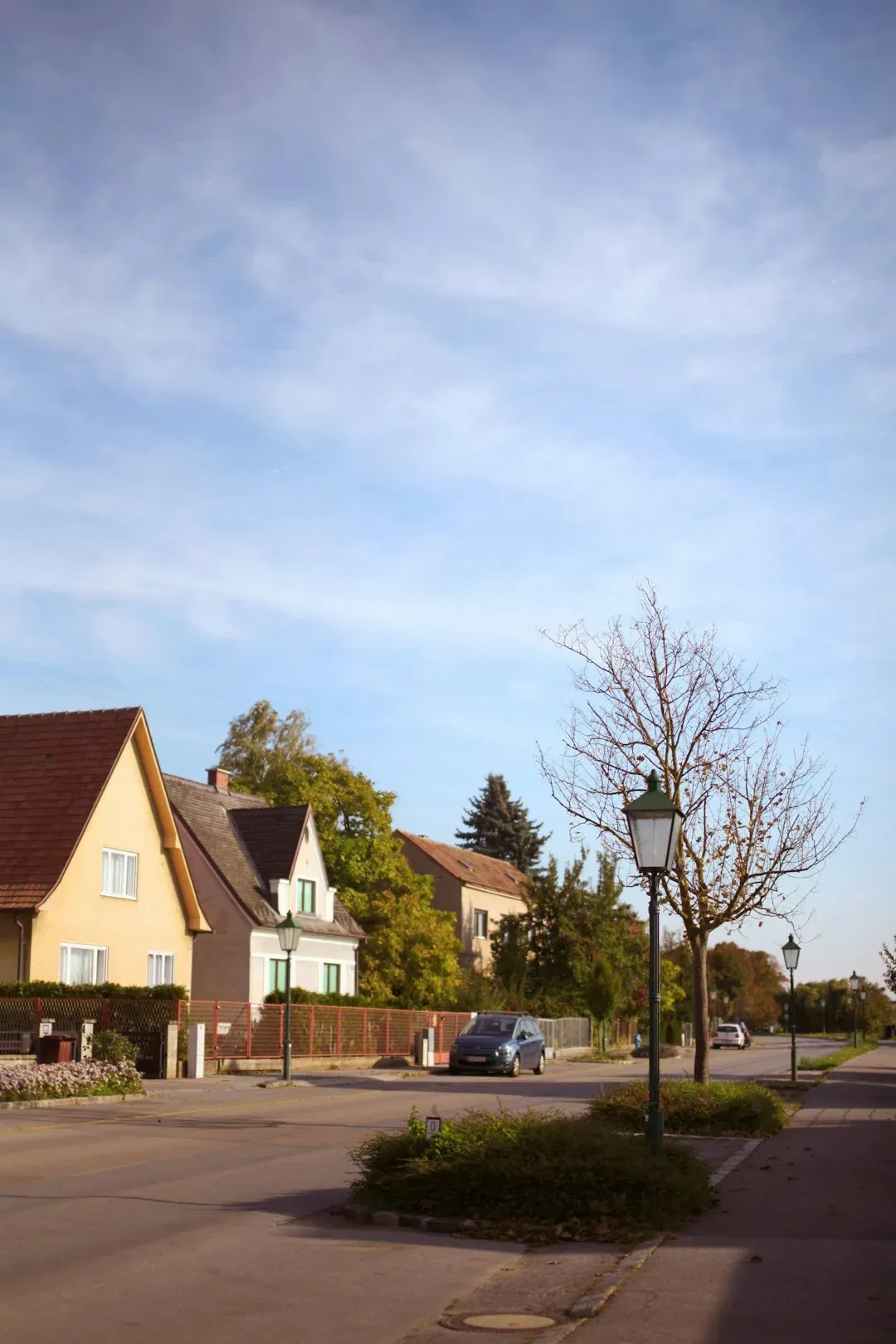
Moving to Boulder City to escape the Strip isn’t naive idealism. It’s a calculated trade. You pay more per square foot than the national average. You accept a daily commute if your job is in Las Vegas. You give up 24-hour casinos and the electric chaos of the Strip lifestyle.
What you get in return is something harder to put a number on: genuine quiet, real safety, historic character, and a community that has repeatedly chosen quality of life over fast money. That’s not nothing. In 2026, with cities across America getting louder, more crowded, and more anonymous, it might actually be worth every penny of that 10% premium.
The real cost of small-town living in Boulder City isn’t just measured in dollars. It’s measured in what you’re willing to give up – and what you decide you can no longer live without. What would you choose?