
Most people walk into a hotel room, toss their bag on the nearest surface, and collapse onto the bed without a second thought. That used to drive me crazy – in the best possible way. Because after spending 15 years as a hotel inspector, I know something the average traveler doesn’t: what’s hiding under that bed tells you almost everything about how a hotel really operates. It’s the one place housekeeping can cut corners and nobody notices. Until someone like me walks in with a flashlight.
I’ve inspected hundreds of rooms across the country, from roadside budget motels to upscale city center properties. I’ve seen things that would make your skin crawl and rooms so spotless you’d happily eat off the floor. What I found under hotel beds was often the single most reliable indicator of overall hygiene standards. Let’s dive in.
1. The Space Under the Bed: Why It’s the Ultimate Honesty Test

Missed spots under beds, behind curtains, and around window sills are areas frequently overlooked during daily cleaning or inspections. These hidden zones accumulate dust, debris, or even pests, creating negative first impressions for guests. That’s not a surprise to anyone who has done this job. Here’s the thing though – it’s not just about optics. What you find down there reveals whether a housekeeper did a proper job or simply made the bed look pretty from the doorway.
The human eye can miss fine dust and hidden grime. Inspectors are trained to use tools like a smartphone flashlight to illuminate dark corners, look under the bed, and check behind furniture. I always started there. Always. If something was wrong under the bed, I could almost guarantee something was wrong elsewhere in that room too.
2. Dust and Debris: The Silent Giveaway

Always check under beds, chairs, and behind curtains for debris. That single line appears on virtually every professional housekeeping checklist I’ve ever reviewed – and for good reason. Dust bunnies the size of tumbleweeds are not charming. They signal a cleaning schedule that hasn’t been followed in days, sometimes longer.
Under furniture – including underneath bed edges and chairs – is where dust and debris often collect. Behind doors, which are often missed during routine cleaning, can also reveal the true cleaning standards of a property. I once found a candy wrapper, a pen, and what appeared to be someone’s earring under a bed in a four-star property. That room failed inspection immediately.
Edges and corners often collect dust or debris and should be double-checked. It sounds basic, I know. Yet even in 2026, it remains one of the most commonly failed items during formal room evaluations. Startling, honestly.
3. Bed Bugs: The Issue Nobody Wants to Talk About
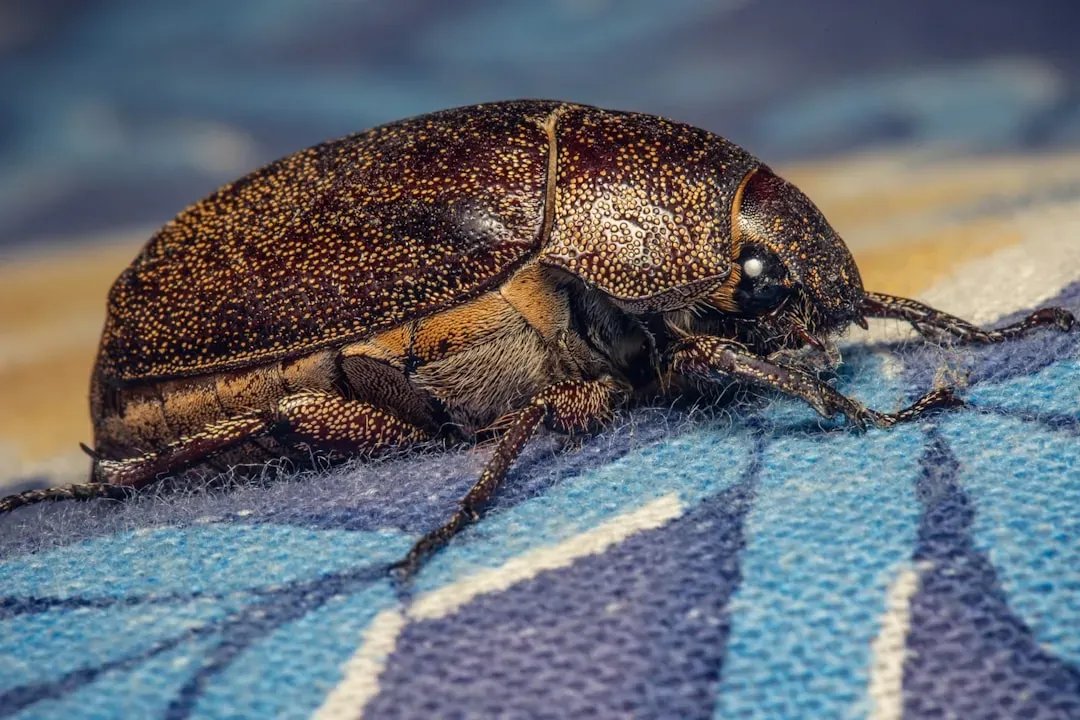
Let’s be real – bed bugs are everyone’s nightmare. And the area directly under the bed frame, along the base of the mattress, and inside the box spring? That’s prime real estate for them. According to a survey from the Sleep Doctor, 14 percent of Americans reported bed bug encounters in hotels and other living accommodations in a recent study. That’s roughly one in seven travelers. Shocking.
A 2024 industry survey found that 89% of pest control professionals have treated bed bugs in upscale hotels. Bed bugs are excellent hitchhikers introduced by guests, regardless of hotel cleanliness standards. This is the part that surprises most people. Star ratings are meaningless when it comes to bed bugs.
Bed bug activity is surging on every continent, driven by post-pandemic travel, mounting insecticide resistance, and uneven sanitation protocols. Chicago again tops Orkin’s annual “Top 50 Bed-Bug Cities” list. At the same time, juries are awarding record verdicts – including $2 million for just one night in a California motel. The stakes are real and they are rising fast.
4. Previous Guest Belongings: The Thing Hotels Don’t Advertise
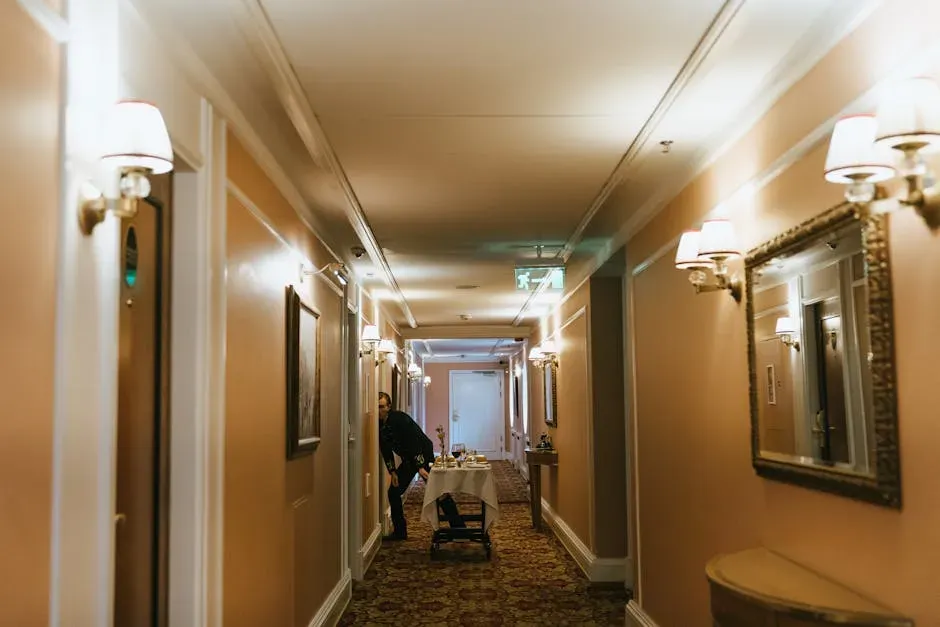
One of the most uncomfortable things you discover as an inspector is just how frequently guests leave items behind – and how rarely housekeeping picks them up from under the bed. Socks. Phone chargers. Children’s toys. I’ve found them all. Hotel staff inspect the room for damage, left-behind belongings, or unusual maintenance needs as part of the checkout cleaning process. Whether that actually happens in practice is a different matter entirely.
According to the Shoes for Crews Hospitality Report (2023), “trash under the bed” ranks among the top five guest complaints related to cleanliness. Such oversights not only reduce guest satisfaction scores but can also cause a 15 to 20 percent drop in repeat bookings when mentioned in online reviews. That’s a lot of lost revenue over something that takes ten seconds to fix with a mop stick.
5. The Mattress Frame and Bed Skirt: Where Grime Loves to Hide
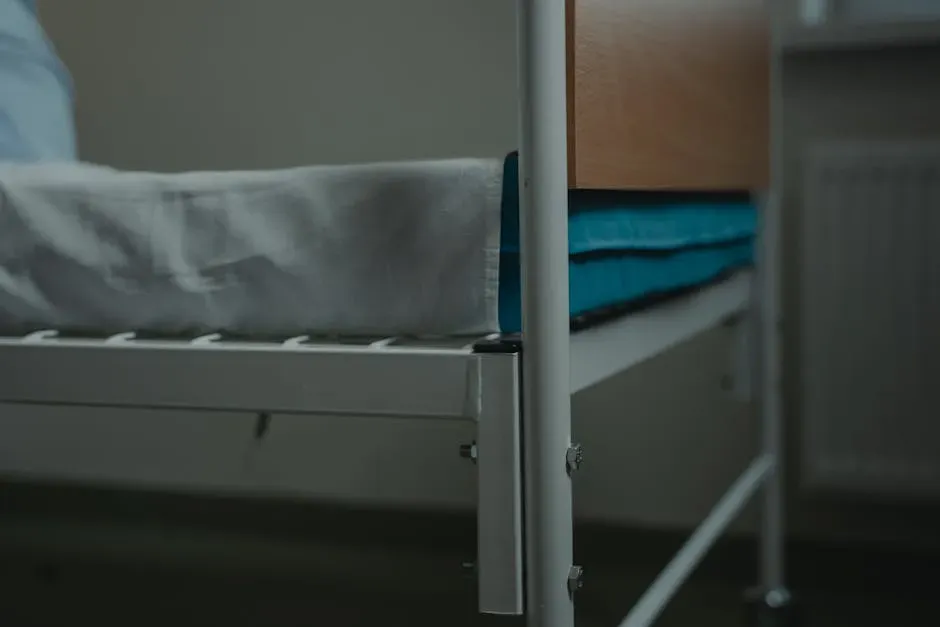
Inspectors verify that the bed skirt is clean and properly aligned as part of a thorough room inspection. What guests rarely realize is that the bed skirt exists partly as a visual curtain – hiding the base of the bed from view. That makes it the perfect cover for accumulated grime, staining, and pest activity. I’ve lifted more disgusting bed skirts than I care to remember.
Part of keeping hotel rooms clean and safe includes pest control. Inspectors look over the corners, cracks, and crevices of the room for any signs of infestation from bed bugs, ants, and other pests. If pests are found, it must immediately be reported to the pest control department. In my experience, the bed frame’s inner corners and the underside of the box spring are the first places I’d check for evidence of infestation.
6. Flooring Condition Beneath the Bed: More Than Just Cleanliness
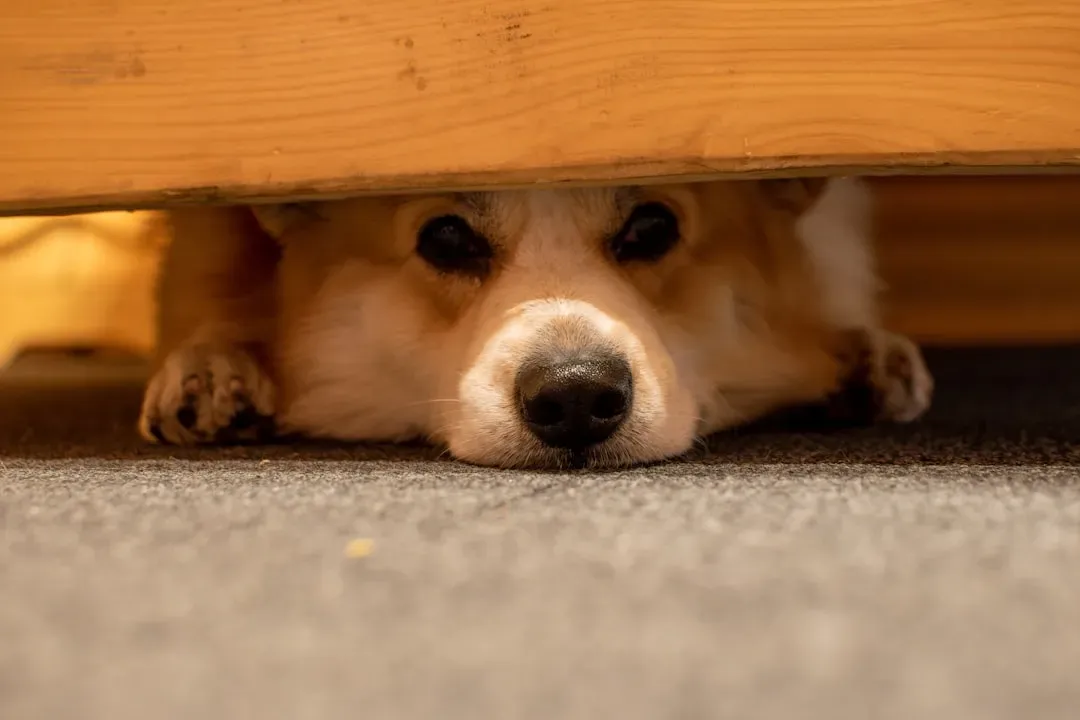
Here’s something most guests never think about: the carpet or floor directly under the bed often gets zero vacuum contact for months – sometimes the entire lifespan of a mattress. To ensure that the carpet and flooring are in good condition, inspectors must check that the carpet is not fraying and that floors are spotless and have no wet spots. Wet spots under a bed? That’s a red flag that points to plumbing issues, spills, or even leaking HVAC condensation.
Carpet inspection includes looking for stains and checking corners for dust buildup. Fresh vacuum tracks indicate recent cleaning. The absence of those vacuum tracks under a bed, combined with visible debris, is enough for a formal deduction on any professional inspection report. It’s not just aesthetics – it’s a health and safety concern.
7. The Bacteria Reality: What You Can’t See Is Often the Worst Part

It’s hard to say for sure whether the space under a hotel bed is dirtier than most surfaces guests touch – but the broader bacterial picture in hotel rooms is genuinely unsettling. Studying 36 bacteria samples across nine hotels, measured in colony-forming units per square inch, research revealed that the “germiest” surfaces include the bathroom counter at 1.2 million CFU and the remote control also at 1.2 million CFU. The floor is no safer.
In one study, 81 percent of hotel surfaces contained at least some fecal bacteria. I know. That’s a lot to take in. The good news is that most hotel guests – around 53 percent – prefer to stay at hotels that clean guest rooms using disinfectant cleaners that kill bacteria and viruses. The industry is listening, slowly but surely.
8. Staffing Shortages and What They Mean for Your Room
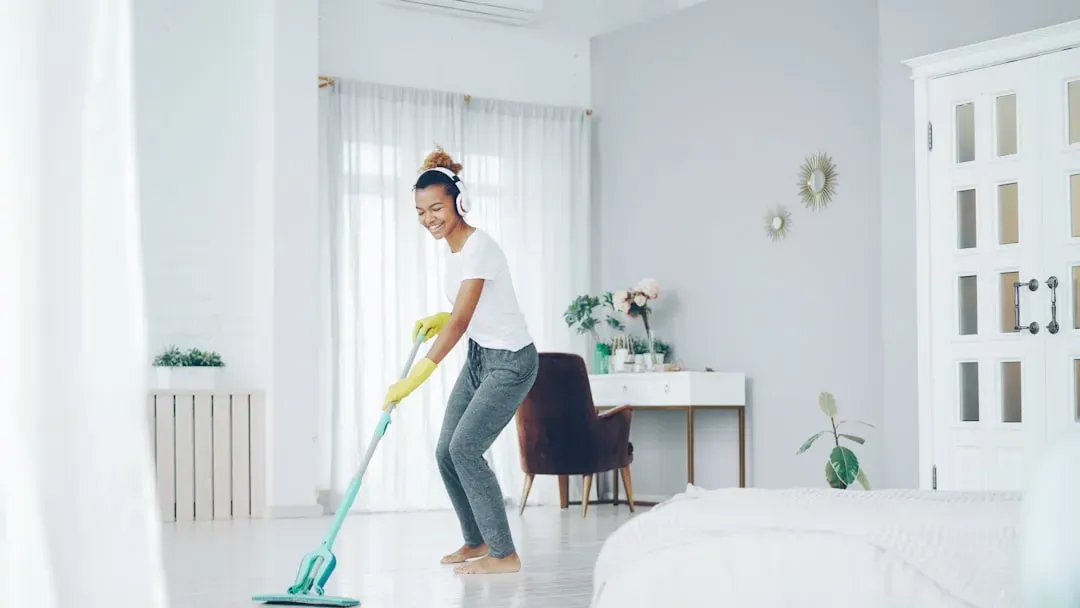
One of the most overlooked factors behind dirty hotel rooms in recent years isn’t laziness – it’s structural. AHLA surveys show that by late 2024, 65 percent of hotels still reported staffing shortages, with housekeeping the hardest position to fill. The hotel industry employs 196,000 fewer workers than in February 2019. A standard housekeeper cleans 12 to 18 rooms per 8-hour shift, spending just 20 to 30 minutes per room. Do the math. That’s not enough time to check under every bed thoroughly.
J.D. Power’s 2025 study found 44 percent of guests consider daily housekeeping a “need-to-have” – but most aren’t getting it unless they specifically ask. Think about that next time you assume your room has been properly cleaned during a multi-night stay. The single biggest lasting change in the industry is the elimination of automatic daily housekeeping – and it’s widely viewed as a cost cut.
9. What Inspection Reports Actually Reveal About Hotel Standards

Environmental Health Specialists, who are in charge of formal hotel inspections, play an important role in maintaining the cleanliness and health of these facilities. These premises are examined twice a year for regular inspections to ensure that management is keeping the rooms in good condition for their visitors. Twice a year. That’s the formal regulatory minimum. Everything else depends on the hotel’s own internal standards.
Star ratings do not always reflect cleanliness. In fact, five-star hotels were found to have more violations related to bedding and linens compared to their lower-star counterparts. Counterintuitive, right? Hotels with higher room rates and better customer reviews generally had fewer violations, particularly in fire safety and general hygiene. TripAdvisor ratings were found to be a significant indicator of hotel quality. I always told guests: read the reviews, not the stars.
10. What You Should Do as a Guest: The Inspector’s Checklist
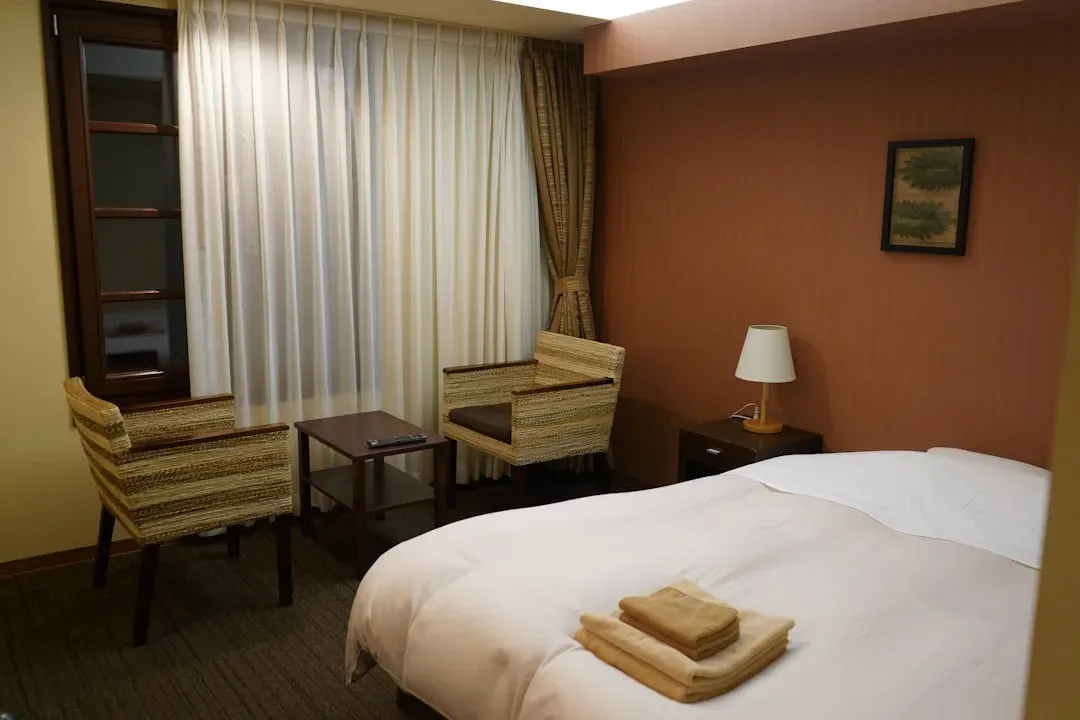
So what does all of this mean for you the next time you check into a hotel? Simple. Do a mini inspection yourself. Inspect your room with a flashlight or your phone light – especially the space under the bed. Look for dust accumulation, debris, and any dark spotting along the bed frame edges or box spring seams that could suggest pest activity.
Examine the mattress and look for unusual spots or signs of bed bugs, especially along seams and corners. Check the mattress tag to verify recent replacement. When guests were asked what indicates a hotel room is clean, consumers selected the following as their top three: no odor or pleasant fragrance, no dirty or moldy shower or tub, and clean, soft linens. These findings show the importance of having a comprehensive cleaning program that goes beyond surface cleaning.
If something feels off – trust that instinct. A thorough and consistent inspection process helps identify any issues before guests arrive, ensuring every room is presented perfectly. When hotels skip that step, it falls on you to catch it. After 15 years of doing exactly that for a living, I can tell you with absolute confidence: the space under the bed never lies.
What do you always check first when you walk into a hotel room? Share your experience in the comments below.