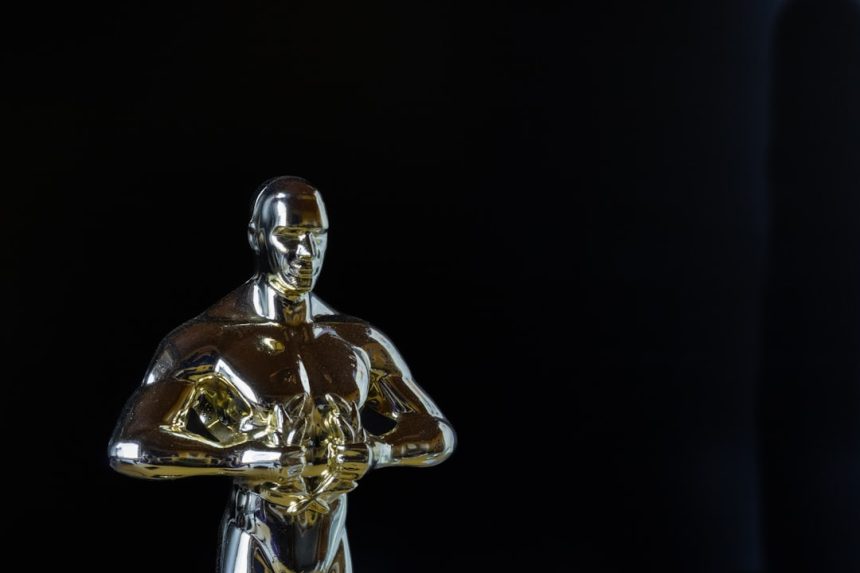
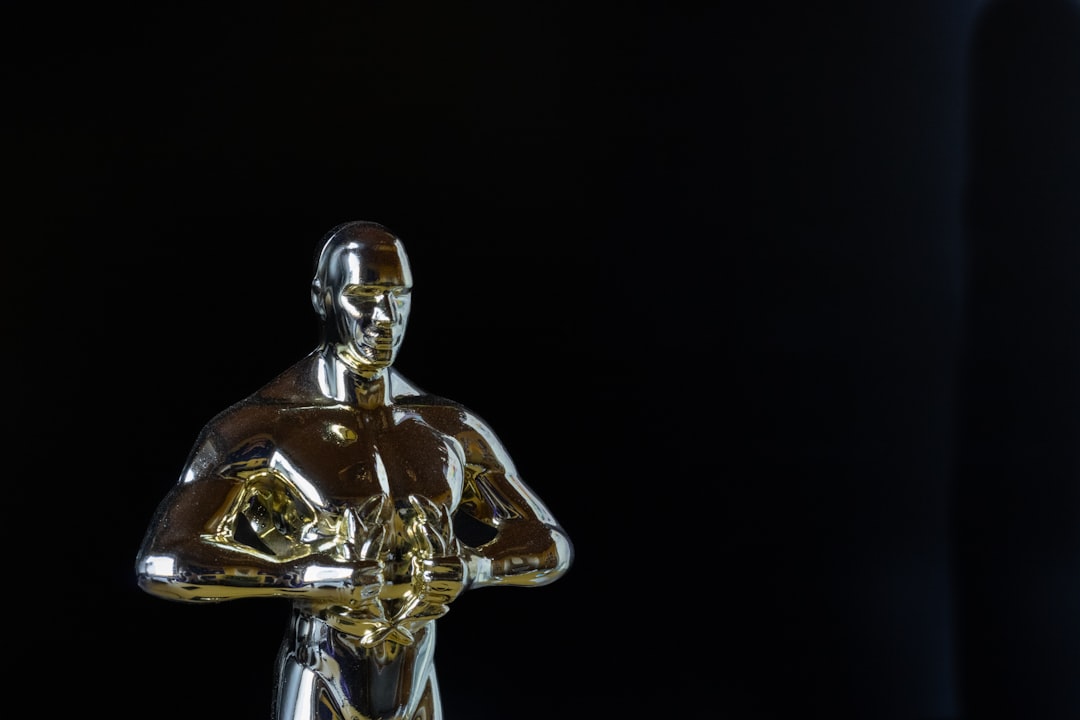

Trailblazers Who Shattered Barriers (Image Credits: Unsplash)
Los Angeles – The Academy Awards have captivated global audiences for decades with a blend of cinematic celebration, raw emotion, and unforeseen drama.
Trailblazers Who Shattered Barriers
Hattie McDaniel made history in 1940 as the first Black performer to win an Oscar for Best Supporting Actress in Gone with the Wind.[1][2] She accepted the award amid segregation-era constraints, marking a pivotal step for representation in Hollywood. Twenty-three years later, Sidney Poitier followed as the first Black actor to claim Best Actor for Lilies of the Field.[2]
Halle Berry extended that legacy in 2002, becoming the first Black woman to win Best Actress for Monster’s Ball. She dedicated her victory to overlooked predecessors during an emotional address. These wins highlighted slow but steady progress in an industry long dominated by limited diversity.
Speeches That Stirred the Soul
Cuba Gooding Jr. delivered a high-energy outburst in 1997 upon winning Best Supporting Actor for Jerry Maguire, thanking a flurry of colleagues amid cheers.[2] Gwyneth Paltrow followed suit in 1999, sobbing through her Best Actress speech for Shakespeare in Love. Such displays captured the raw vulnerability of the ceremony’s pinnacle.
Julia Roberts exuded joy in 2001 after securing Best Actress for Erin Brockovich, playfully commanding the orchestra to hold the music. These orations often transcended the winners themselves, resonating as cultural touchstones. Meanwhile, Sally Field’s 1985 exclamation upon her second Best Actress win for Places in the Heart became endlessly quoted folklore.
Partner offer

Fashion Risks That Defined Red Carpet Drama
Cher defied critics in 1986 with a bold black feather headpiece and spangled ensemble, responding to prior Academy snubs of her style.[3] Björk turned heads in 2001 wearing a swan dress that laid an egg on the carpet, sparking endless debate over avant-garde versus excess. Angelina Jolie’s 2000 red carpet appearance, complete with a brotherly kiss, fueled headlines for weeks.
These choices challenged norms and amplified the event’s glamour quotient. Rihanna and others later embraced similar boundary-pushing looks, proving fashion often rivaled the awards in buzz. Yet restraint typically won out, balancing spectacle with sophistication.
Shocks That Gripped the World
Will Smith stormed the stage in 2022 to slap presenter Chris Rock following a joke about his wife’s alopecia, shouting a warning before returning to his seat; he later won Best Actor for King Richard.[2][3] The incident drew a 10-year ban from the Academy and dominated discourse. Five years earlier, presenters Warren Beatty and Faye Dunaway sparked chaos by announcing La La Land as Best Picture; Moonlight emerged as the true victor amid the mix-up.[2]
A 1974 streaker interrupted proceedings, prompting host David Niven’s quip as the only laugh the intruder would get.[3] Marlon Brando declined his 1973 Best Actor nod via Sacheen Littlefeather, protesting Native American portrayals. Such disruptions underscored the live broadcast’s unpredictability.
Key Takeaways
- Historic firsts by McDaniel, Poitier, and Berry paved representation paths.
- Passionate speeches from Gooding Jr. and Roberts humanized stardom.
- Slaps, mix-ups, and streakers proved Oscars thrive on spontaneity.
The Oscars endure because these flashes of humanity eclipse scripted perfection. They mirror film’s power to provoke and unite. What moment lingers most with you? Share in the comments.
Partner offer
Planning a trip to Vegas?
Compare hotel rates and show tickets on VEGAS.com.