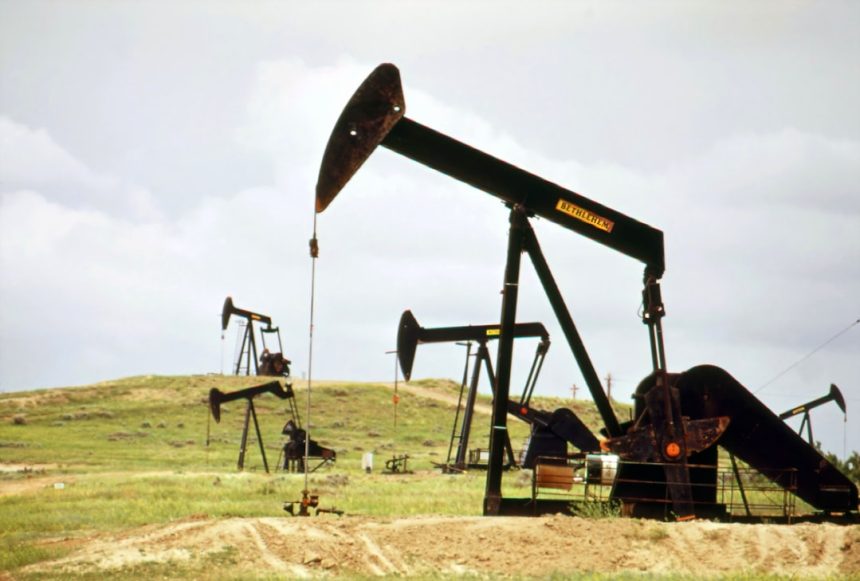


Unmatched Scale Meets Escalating Supply Fears (Image Credits: Unsplash)
Paris – The International Energy Agency’s 32 member nations committed Wednesday to unleashing 400 million barrels from emergency oil stockpiles, the largest coordinated release in the group’s history.
Unmatched Scale Meets Escalating Supply Fears
This extraordinary measure eclipses the 182 million barrels that members released in 2022 amid Russia’s invasion of Ukraine.[1][2]
IEA Executive Director Fatih Birol described the challenges as unprecedented in scale. He emphasized the need for global solidarity, noting that energy security forms the core of the agency’s mandate since its founding in 1974.[1]
The action represents only the sixth time the IEA has tapped reserves collectively. Officials stressed that the oil would enter markets over timelines suited to each nation’s circumstances, bolstered by extra measures where needed.
Member countries maintain over 1.2 billion barrels in public emergency stocks, plus 600 million barrels of industry-held volumes under government mandates.[3]
Conflict Chokes Vital Strait of Hormuz
Tensions ignited on February 28 when U.S. and Israeli strikes targeted Iran, prompting Tehran to retaliate with attacks on shipping in the Persian Gulf and mines in the Strait of Hormuz.[1][4]
The strait, which handled 20 million barrels per day of crude and products in 2025 – about 25% of global seaborne oil trade – now sees exports below 10% of pre-conflict levels.[1]
Producers have curtailed output amid storage shortages and infrastructure damage. Refineries face disruptions, hitting jet fuel and diesel hardest. Birol warned that resuming transit through the strait remains essential for lasting stability.[2]
“This is a major action aiming to alleviate the immediate impacts of the disruption in markets,” Birol said.
United Front from Key Players
All 32 IEA members backed the plan unanimously during emergency talks. G7 energy ministers, meeting at IEA headquarters, endorsed proactive steps including reserve use; their nations account for 70% of the total.[5]
Germany pledged 2.64 million tons from its reserves, upholding principles of solidarity. Austria and Japan committed portions starting early next week.[4]
| Event | Year | Barrels Released |
|---|---|---|
| Middle East Conflict | 2026 | 400 million |
| Russia-Ukraine Invasion (2nd) | 2022 | ~120 million |
| Russia-Ukraine Invasion (1st) | 2022 | 60 million |
| Libyan Civil War | 2011 | 60 million |
| Hurricane Katrina | 2005 | 60 million |
| Gulf War | 1991 | ~84 million |
Markets React with Caution
Oil benchmarks like Brent climbed above $90 per barrel post-announcement, up over 25% since the war erupted, as traders questioned the release’s sufficiency against prolonged disruptions.[6][7]
Analysts view the influx – equivalent to three or four days of global demand – as a temporary bridge. French President Emmanuel Macron highlighted the need to boost production and restore navigation freedom.[4]
Birol cautioned that while the step addresses immediate pressures, deeper resolutions hinge on de-escalation.
Key Takeaways
- 400 million barrels mark the biggest IEA reserve drawdown ever, from 1.8 billion total stocks.
- Strait of Hormuz blockade slashes 25% of seaborne oil flows, forcing production cuts.
- G7 leads with 70% of release; full rollout varies by country.
This collective effort underscores the fragility of global energy links, yet experts agree true relief demands diplomatic progress in the Gulf. How might this reshape energy strategies worldwide? Share your thoughts in the comments.