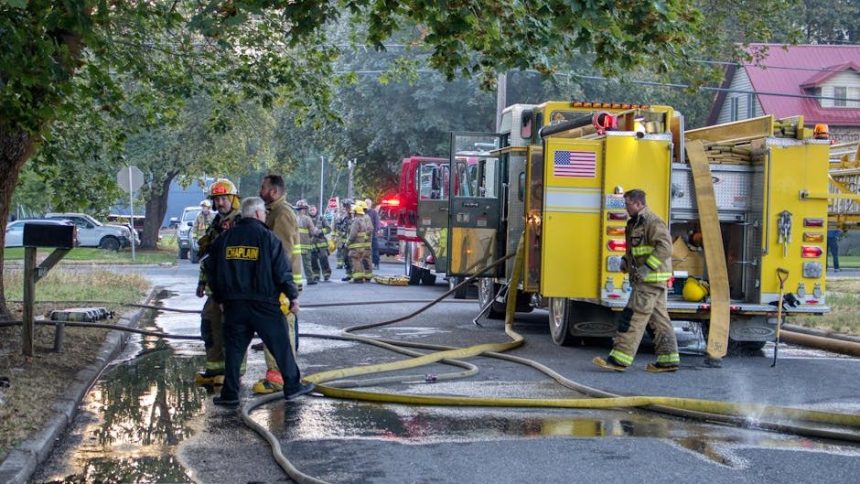
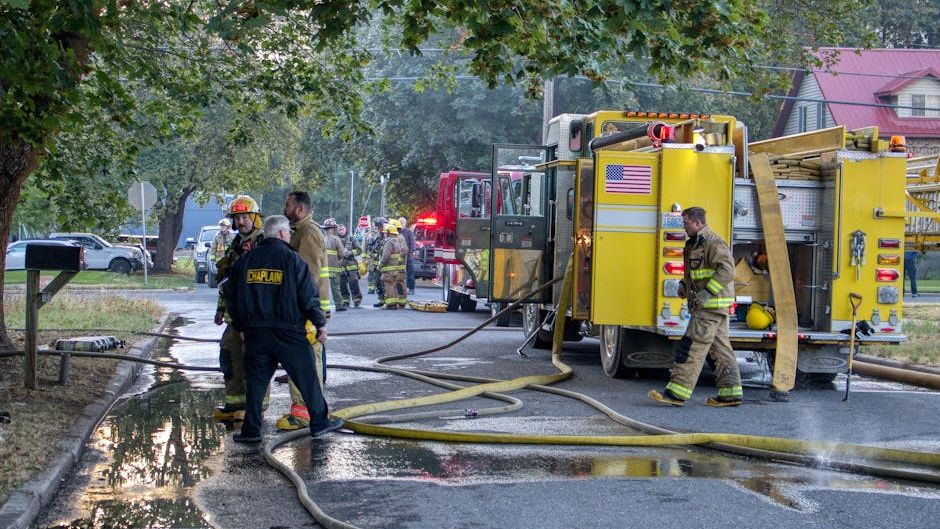

Independent report finds evacuation orders were not delayed during Eaton Fire – Image for illustrative purposes only (Image credits: Pexels)
An independent investigation has determined that evacuation orders during last year’s Eaton Fire were issued without delay. The review examined the sequence of decisions made as the fire spread and concluded that local authorities acted in line with established protocols. The findings come amid ongoing questions about how communities prepare for fast-moving wildfires.
Key Conclusions From the Review
The report focused on the timing of alerts and the coordination between fire officials and emergency management teams. Investigators reviewed records, communications logs, and witness accounts to reconstruct the hours leading up to the most destructive phase of the blaze. Their analysis showed that orders were released as soon as conditions warranted, rather than held back for additional confirmation.
Officials involved in the response described the process as methodical and data-driven. The independent team noted that any perception of delay likely stemmed from the rapid escalation of the fire itself, not from hesitation in issuing warnings. This distinction is expected to shape how similar incidents are assessed in the future.
Context of the Eaton Fire Response
The Eaton Fire struck during a period of extreme weather that accelerated its growth across affected areas. Residents received notifications through multiple channels, including reverse 911 calls and mobile alerts, once the threat became clear. The investigation confirmed these steps occurred in the proper sequence relative to the fire’s observed behavior.
Emergency planners have long emphasized the difficulty of predicting exact fire paths in real time. The report underscores that decisions must balance available information with the need to avoid unnecessary panic while still protecting lives. Lessons from this event are already being incorporated into updated training materials for regional agencies.
Next Steps for Wildfire Preparedness
With the review now complete, attention turns to how its recommendations will be implemented. Agencies plan to refine alert systems and improve inter-agency communication during the earliest stages of any new fire. Public education campaigns are also expected to highlight the importance of heeding evacuation notices promptly when they are issued.
Community leaders have expressed relief that the independent assessment supports the actions taken last year. Continued investment in early-warning technology and clearer evacuation routes remains a priority as fire seasons grow more intense. The report serves as a reminder that timely decisions depend on both preparation and real-time judgment under pressure.