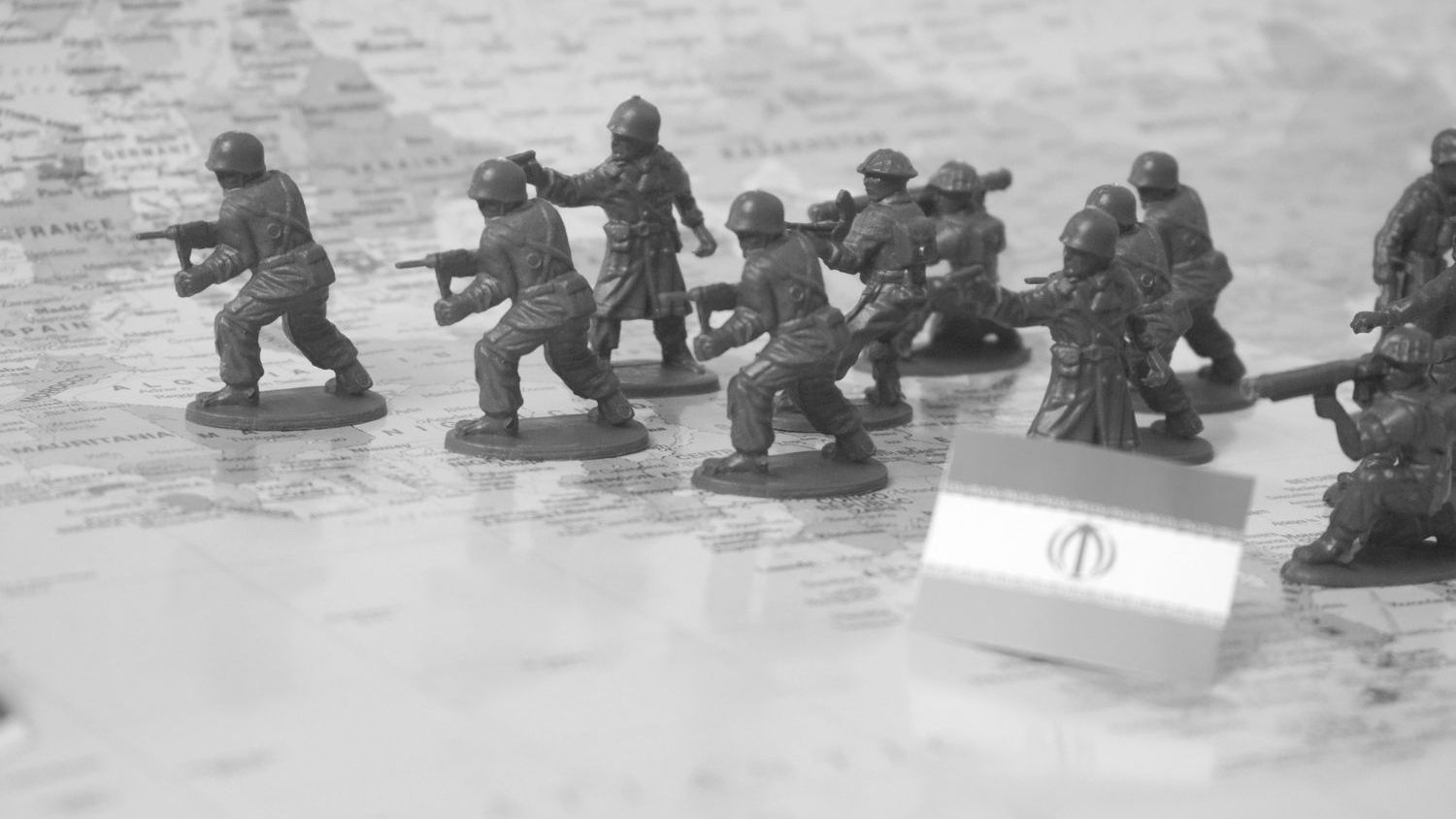

Iran warns of “painful retaliation” for any resumption of U.S. strikes – Image for illustrative purposes only (Image credits: Unsplash)
President Donald Trump faces mounting pressure to resolve a tense standoff over the Strait of Hormuz, where Iran maintains a blockade despite a fragile ceasefire.[1][2] The waterway, vital for one-fifth of global oil and gas shipments, remains largely closed two months into a U.S.-Israeli conflict with Tehran that began on February 28.[1] Iranian officials have escalated rhetoric, promising severe consequences should Washington resume military action.[1]
The Roots of the Hormuz Impasse
The current deadlock traces back to early March, when U.S. and Israeli forces launched operations against Iran, prompting Tehran to restrict access to the strait in retaliation.[1] A ceasefire took effect on April 8, halting major combat, yet Iran continued to block most commercial traffic while the United States enforced a naval blockade on Iranian oil exports.[2] This dual restriction has stranded vessels and choked energy flows, marking the conflict’s 60-day milestone without resolution.[3]
U.S. forces have intercepted suspicious ships and ordered troops to fire on Iranian boats suspected of laying mines in the area.[4] Tehran views these moves as provocations, insisting it will manage the strait to prevent what it calls foreign interference.[1] Sporadic transits, such as a Japanese tanker carrying two million barrels of oil, offer glimmers of progress, but full normalization remains distant.[3]
Iran’s Warnings Escalate
Iranian Aerospace Force Commander Majid Mousavi warned that any renewed U.S. strikes would trigger “long and painful strikes” on American positions, including naval assets in the region.[1] He noted Iran’s prior success in hitting regional bases and suggested U.S. warships could face similar fates.[2] Supreme Leader Mojtaba Khamenei echoed this defiance, declaring that Tehran would eliminate “enemies’ abuses of the waterway” and that distant powers belong “at the bottom of its waters.”[1]
Partner offer

These statements came amid reports of Iranian air defenses downing drones over Tehran and vows to sustain the blockade until reparations address war damages.[1] Foreign Ministry spokesman Esmaeil Baghaei dismissed hopes for swift diplomacy, calling such expectations unrealistic.[1] The rhetoric underscores Tehran’s resolve to weather economic strain from lost oil revenue, estimated at $170 million daily.[3]
Trump’s Military and Diplomatic Options
Trump received classified briefings on potential strike plans designed to force Iran back to the table, including limited operations or even ground forces to secure parts of the strait.[2] He rejected Tehran’s latest proposal to reopen the waterway first while postponing nuclear discussions, insisting on immediate curbs to Iran’s atomic ambitions.[5] A Friday deadline looms for the president to either conclude hostilities or seek congressional approval for a 30-day extension.[2]
Administration officials debate prolonging the blockade to inflict lasting damage on Iran’s energy sector, though allies like France and the United Kingdom hesitate to join without a full truce.[5] Trump has expressed frustration with Iranian leadership divisions between hardliners and moderates, posting that Tehran struggles to decide its course.[5] The U.S. State Department floated a “Maritime Freedom Construct” coalition for post-conflict security, but participation awaits de-escalation.[2]
Key Economic Pressures:
Wider Repercussions and Uncertain Horizon
The impasse has rippled worldwide, with Brent crude doubling since hostilities erupted and nations like the UAE imposing travel bans to Iran, Iraq, and Lebanon.[1] UN Secretary-General Antonio Guterres cautioned that extended closure could exacerbate inflation and push millions into hunger.[1] U.S. sanctions targeted Iran’s shadow banking, while airlines sought aid amid fuel costs.
Though Iran endures sanctions-hardened resilience, the standoff tests Trump’s leverage. With oil markets volatile and allies cautious, the path ahead hinges on whether threats yield to talks or spark fresh clashes.[6]
Partner offer
Planning a trip to Vegas?
Compare hotel rates and show tickets on VEGAS.com.