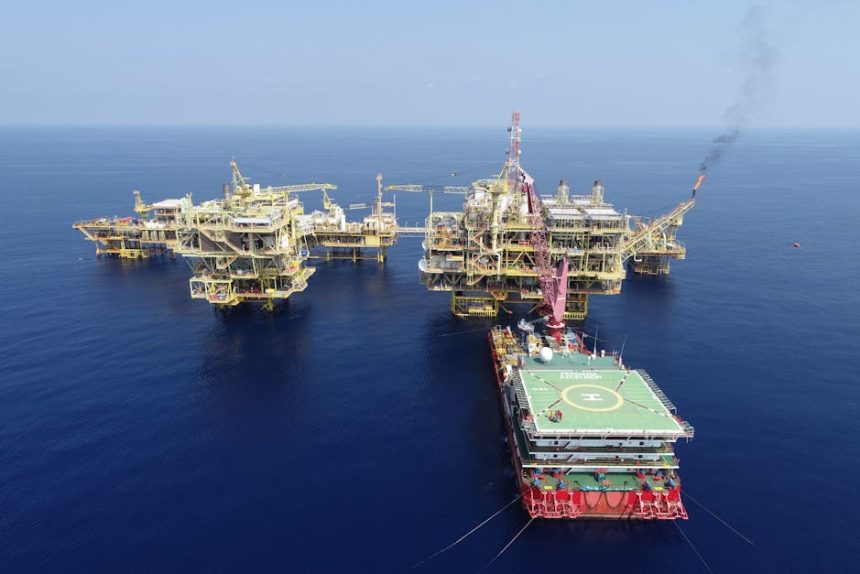


Israel Delivers Crushing Blow to South Pars Gas Field (Image Credits: Pexels)
The war between Iran and a U.S.-backed Israel coalition, which erupted on February 28, 2026, has shifted into a dangerous new phase focused on the region’s vital energy assets. Iran responded to initial strikes by attacking infrastructure in Gulf neighbors, prompting Israel to hit back at Iran’s own production sites. Brent crude oil prices climbed nearly 50 percent since the conflict began, recently surging another 5 percent to exceed $108 per barrel and straining global economies.[1][2]
Israel Delivers Crushing Blow to South Pars Gas Field
Israel struck Iran’s South Pars natural gas field on March 18, targeting one of the world’s largest reserves shared with Qatar. This offshore facility stands as a cornerstone of Iran’s energy exports, and the attack marked a significant escalation after weeks of restraint on energy targets. The U.S. received prior notice but did not participate directly.[1]
Israeli officials framed the strike as retaliation for Iran’s ongoing assaults on allies. Defense Minister Israel Katz vowed more “significant surprises” following the operation. The move drew sharp rebukes, with the United Arab Emirates labeling it a “dangerous escalation” and Oman warning of threats to regional energy security.[1]
Iran Hammers Gulf Neighbors’ Oil and LNG Facilities
Iran unleashed missiles on Qatar’s Ras Laffan liquefied natural gas complex, igniting a fire that halted production and caused widespread damage. Strikes also pummeled Saudi Arabia’s oil-rich Eastern Province, alongside targets in Kuwait, Bahrain, and the UAE. These actions formed part of Tehran’s broader campaign against hosts of U.S. military bases since the war’s outset.[1]
President Masoud Pezeshkian cautioned that further provocations “could have uncontrollable consequences, the scope of which could engulf the entire world.” Iran simultaneously fired multiple-warhead missiles at central Israel, some deploying cluster munitions. The strategy aimed to disrupt supplies and inflate global energy costs.[1]
Partner offer

Strait of Hormuz Becomes Impassable Battleground
The Strait of Hormuz, through which nearly 90 ships pass daily carrying 90 percent of Persian Gulf crude and refined products, has grown nearly impassable amid the fighting. Iran vowed to crimp shipping traffic, deploying mines, attack boats, and drones as asymmetric threats. U.S. President Donald Trump declared on social media, “WE DON’T NEED THE HELP OF ANYONE!”[1]
Nations adapted swiftly. Iraq secured a deal to pipe 250,000 barrels daily to Turkey, bypassing Gulf terminals. Saudi Arabia rerouted some exports via a Red Sea pipeline. Still, disruptions rippled worldwide, with tankers struck near the strait heightening fears.[3]
Oil Markets in Turmoil, Global Economy Squeezed
Markets reacted fiercely to the energy assaults. Brent crude jumped 7 to 9 percent in early trading post-initial strikes, with further gains pushing prices beyond $100.[4][5] Analysts warned of prolonged volatility, as supply risks mounted from the Gulf’s core producers.
| Date | Event | Brent Price Change |
|---|---|---|
| Feb 28 | War begins | Up ~2-7% |
| Mar 1-2 | Initial surges | +7-9% |
| Mar 18 | South Pars strike | +5% to $108+ |
In Las Vegas, rising fuel costs compounded local concerns, even as some Iranian-Americans rallied in celebration of early U.S.-Israeli actions.[6] Protests drew hundreds downtown, reflecting divided views on the conflict.[7]
Key Takeaways
- Oil prices up nearly 50% since Feb. 28, now over $108/barrel, fueling inflation worldwide.[1]
- Israel’s South Pars strike escalates risks to global gas supplies; Iran’s Gulf hits disrupt LNG and oil.
- Strait of Hormuz threats imperil 90% of Gulf exports, prompting bypass routes.
As the Iran war claims over 1,300 lives domestically and displaces masses in Lebanon, the energy battlefield promises deeper economic scars. Leaders on all sides eye de-escalation amid mounting pressures, yet the path remains fraught. What impacts will you feel from these surging prices? Share in the comments.
Partner offer
Planning a trip to Vegas?
Compare hotel rates and show tickets on VEGAS.com.