


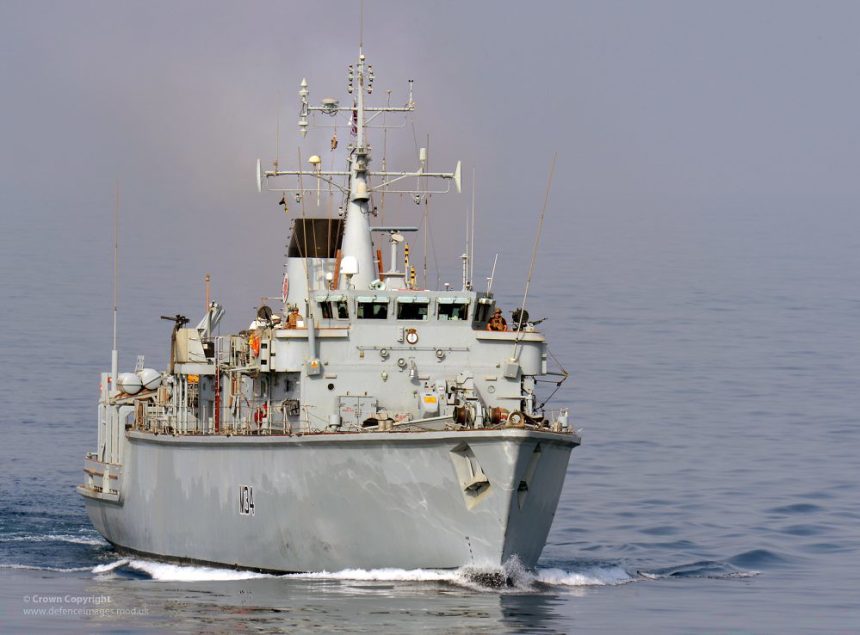
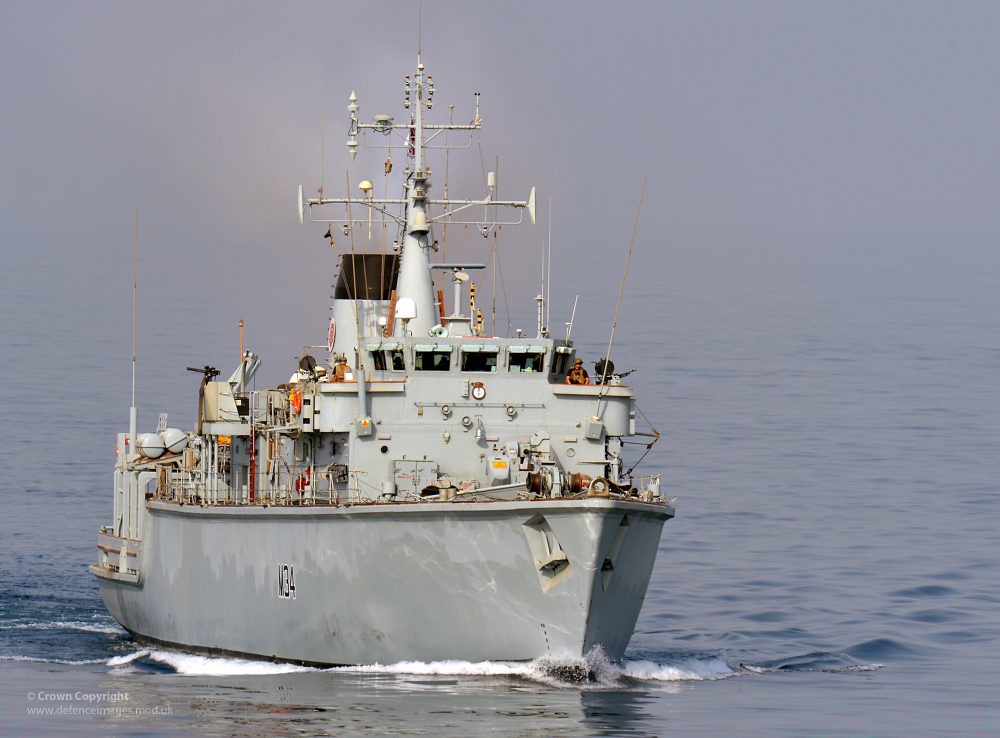

A Historic Naval Mission Under Siege (Image Credits: Flickr)
In the Strait of Hormuz, commercial shipping has dwindled to a trickle as Iran’s forces enforce a selective blockade.[1][2] This critical chokepoint, vital for one-fifth of the world’s oil supply, now requires advance vetting and approval from Tehran for passage.[3] The standoff marks a direct confrontation with longstanding U.S. commitments to secure global sea lanes.
A Historic Naval Mission Under Siege
The U.S. Fifth Fleet maintains a presence in the Middle East specifically to safeguard maritime commerce through such routes.[1] Protecting free navigation has formed a cornerstone of American strategy since World War II, when the United States assumed this role from Britain. Iran now disrupts this tradition with mines, drones, and missiles, despite facing superior U.S. naval assets including two carrier strike groups.
Tehran’s approach echoes tactics of past maritime predators, akin to the Barbary states that once preyed on shipping. The Islamic Revolutionary Guard Corps oversees a registration system where vessels submit ownership and cargo details for case-by-case clearance through Iranian waters.[3] At least nine ships have navigated this corridor, though risks persist.
Severe Disruptions to Global Shipping
Traffic plunged from over 100 vessels daily before late February to just 21 tankers since the conflict intensified.[2] Around 400 ships linger in the Gulf of Oman, forming a vast backlog. Container ships rerouted, with 43 heading to alternative Gulf ports and others diverting entirely.
| Metric | Pre-Blockade | Post-Blockade (Since Feb 28) |
|---|---|---|
| Daily Transits | >100 ships | Dramatically reduced |
| Total Tankers Transited | N/A | 21 |
| Vessels in Backlog | Normal flow | ~400 in Gulf of Oman |
Attacks have struck at least 16 vessels near UAE and Iraqi ports, targeting those linked to Western or Gulf interests.[2]
Economic Ripples Reach Far Beyond the Gulf
Oil prices have surged above $100 per barrel amid fears of prolonged closure.[4] Disruptions extend to aluminum, fertilizers, and other goods, raising costs at U.S. pumps and threatening Europe and Asia. Prolonged constraints could inflict widespread economic damage.
- Higher fuel prices strain consumers worldwide.
- Supply chain snarls hit manufacturing in Asia.
- Alternative routes overwhelm secondary ports like UAE’s Fujairah.
- Insurance premiums soar for remaining transits.
- Some nations, including China, negotiate separate passages.
U.S. Options and International Hesitation
President Trump issued ultimatums for reopening the strait, later extending deadlines while pausing strikes.[5] Efforts to assemble a coalition faltered, with Germany declining and others like Japan and Australia uninterested. France plans a force post-hostilities.
U.S. officials eye naval escorts, a tactic proven in the 1980s Tanker War. Yet asymmetrical threats complicate swift resolution, potentially requiring ground operations. Naval theorist Alfred Thayer Mahan warned that naval necessity ties to peaceful shipping; failure here could erode U.S. influence.
- Iran’s selective blockade has slashed traffic by 95%.[3]
- U.S. carrier groups outmatch Iran’s arsenal but struggle against low-cost disruptions.
- Global economy faces mounting pressure from supply shortages.
The Hormuz crisis underscores vulnerabilities in maintaining open seas against determined foes. Restoring full navigation demands resolve, lest it signal weakness in America’s maritime edge. What do you think about the path forward? Tell us in the comments.


