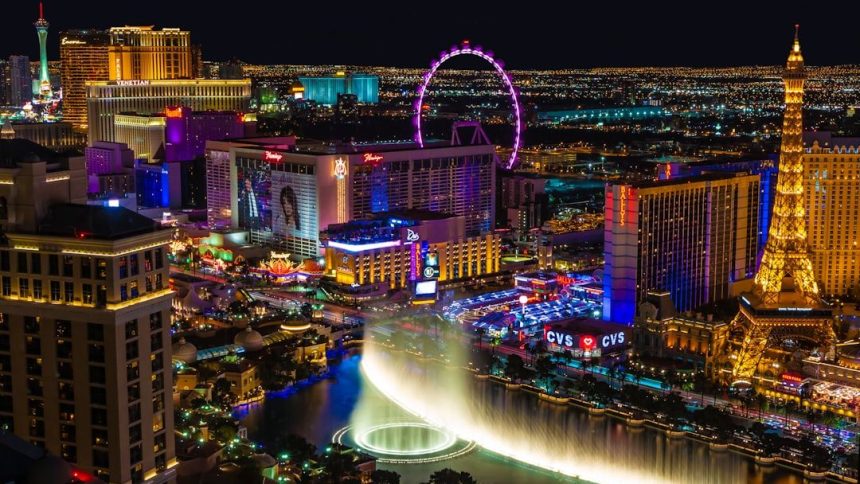
Let’s be real. There’s chatter floating around that locals have abandoned the Las Vegas Strip, that they’ve officially “broken up” with those mega-resorts lining the boulevard. It’s a tempting narrative, particularly when you hear about parking fees that rival concert tickets and resort charges that make your eyes water. Yet the truth is far more interesting than a simple divorce story. Locals haven’t necessarily fallen out of love with Las Vegas itself. They’re just finding better options tucked away from the neon chaos, where their dollar stretches further and the hassle factor drops dramatically.
The Parking Problem You Can’t Ignore
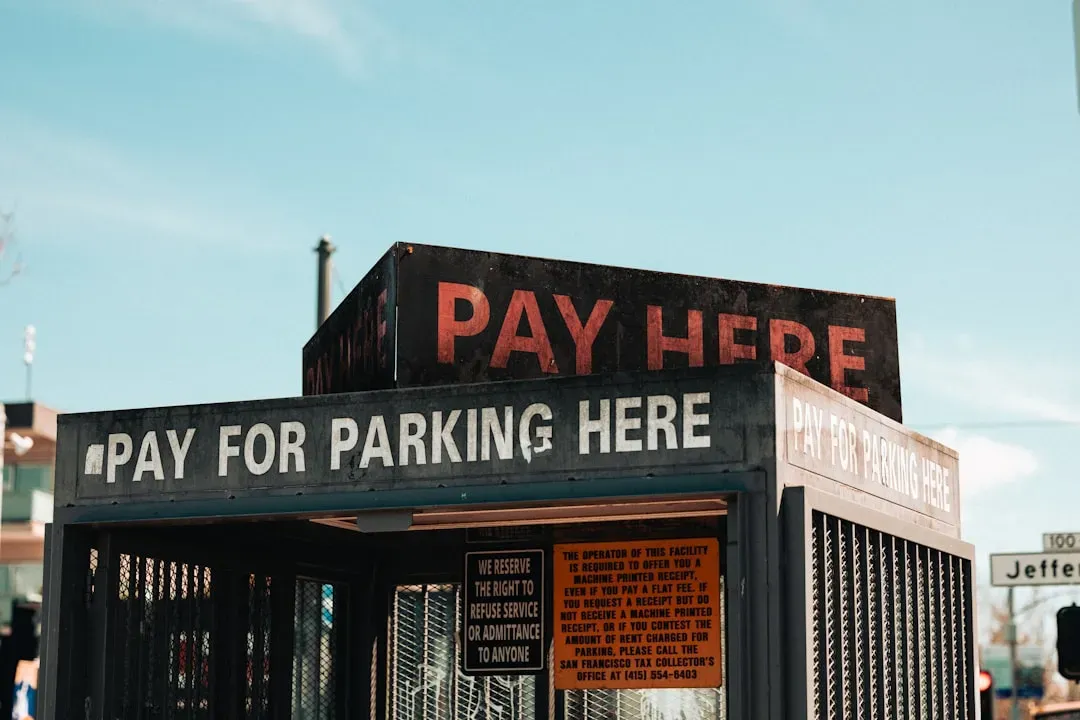
Parking on the Strip has become a true budget line item, with self-parking fees now reaching twenty dollars on weekdays and twenty-five on weekends at major resorts like MGM properties. Hotel guests themselves pay a flat twenty-dollar daily parking charge, an increase that was the second hike in a single year for 2024. Meanwhile, off-Strip properties routinely offer free parking without forcing you to scan loyalty cards or prove you’re spending enough inside. It’s hard to ignore that difference when you’re just trying to grab dinner or play a few hands. The convenience factor alone shifts your mental calculus about where to spend your evening.
Off-Strip Revenue Tells a Different Story
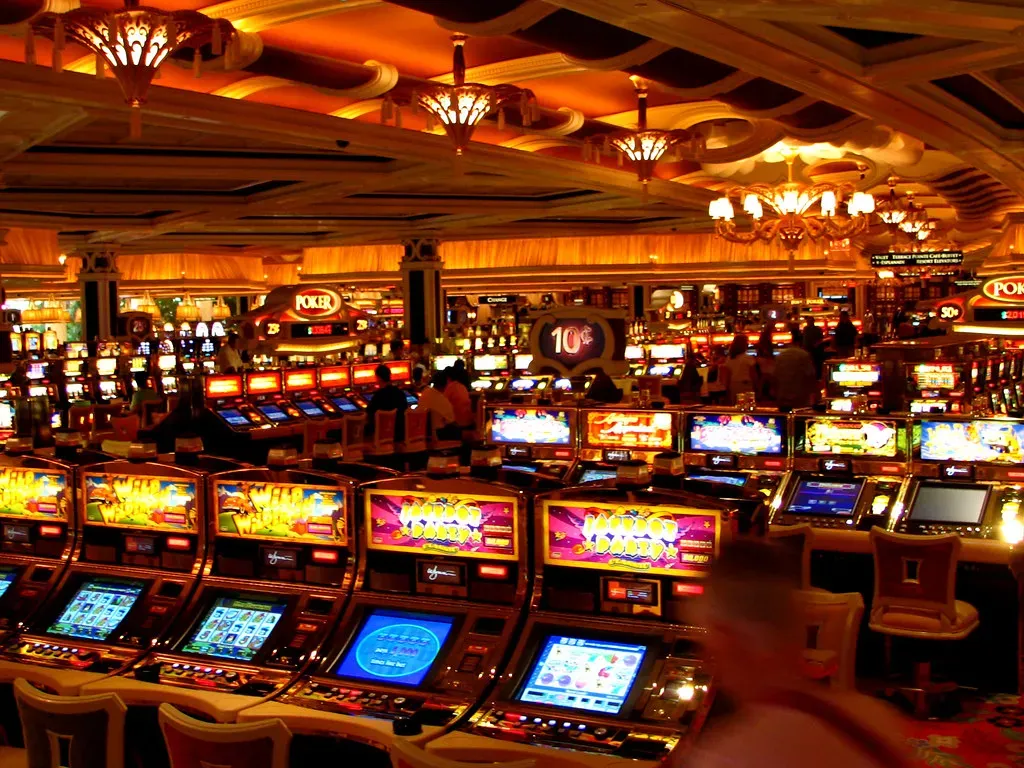
Red Rock Resorts reported net revenues from Las Vegas operations of one-point-nine-three billion dollars in 2024, up over twelve percent from the previous year. Those aren’t numbers you’d see if locals were staying home and streaming Netflix. The growth shows up elsewhere too. Downtown Las Vegas saw total win increase over ten percent in November 2025, while the Boulder Strip jumped roughly twenty percent during the same month. These off-Strip markets are capturing business, not just surviving. Station Casinos executives have even noted they’re getting traction with out-of-town visitors who appreciate the locals-style value proposition.
The Strip Softens While Statewide Gaming Soars

Here’s where it gets really interesting. Over the past twelve months ending July 2025, Las Vegas Strip gaming revenue fell three percent to roughly eight-point-eight billion, even as tourism volume held relatively steady. Statewide total win increased over two percent in November 2025 compared to the prior year, meaning the money is flowing – just not to the Strip at the same rate it once did. Honestly, that divergence is the real headline. The Strip isn’t collapsing, but it’s clearly not capturing the same share of the pie as suburban and neighborhood casinos continue to post gains.
What Locals Actually Value (And It’s Not Glitz)
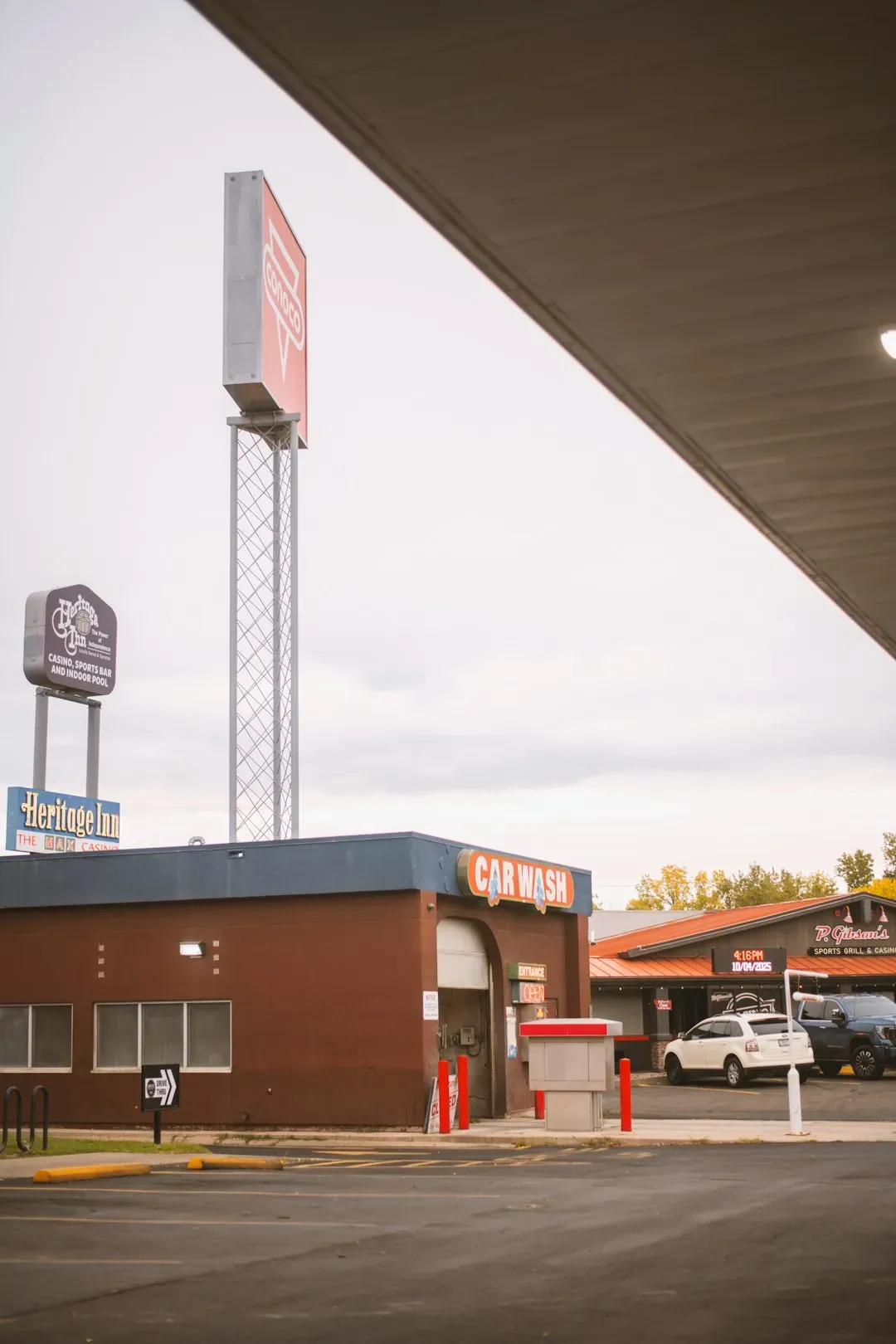
Red Rock executives emphasize that locals prioritize convenience, proximity, and affordability, factors that support consistent visitation even in softer economic environments. Parking is free. The buffet line is shorter. You can walk from your car to a slot machine in under two minutes. Off-Strip casinos in Vegas and riverboat casinos with strong local markets typically base comp requirements on longer-term play history, rewarding loyalty instead of making you gamble a small fortune in one trip just to earn a free meal. That relationship-building approach resonates far more than a fancy chandelier ever could.
Comp Programs Built for Repeat Business

Strip loyalty programs like MGM Rewards and Caesars Rewards remain robust, but they’re designed around the high-volume tourist willing to drop serious cash in a short window. Meanwhile, off-Strip programs like Station Casinos’ Boarding Pass focus on steady, repeat visits. Rewards for advanced Boarding Pass members include buffet discounts, VIP lines, catering discounts, and private gated parking – perks tailored for someone who comes in twice a week, not twice a year. That’s the distinction. The Strip courts the big spender passing through. Locals casinos court the regular.
Tourism Numbers Stay Strong, But Who’s Spending?

Las Vegas hosted approximately forty-one-point-seven million visitors in 2024, up over two percent from the previous year according to the Las Vegas Convention and Visitors Authority. Harry Reid International Airport saw a record number of passengers for the year. So tourists are still flooding in. The Strip’s business model leans heavily on those visitors, not locals. Unlike the Strip, the locals market doesn’t rely on heavy tourism or conventions and isn’t hotel-driven, as Red Rock Resort executives have noted. That structural difference explains why off-Strip revenue can climb even when Strip gaming revenue stagnates.
The Value Equation Has Tilted

If you’re a local, the math is simple. Why pay twenty-five bucks to park, navigate a sprawling casino floor designed to disorient you, and wait in line behind a tourist group from Ohio when you can drive ten minutes to a neighborhood casino with free parking and familiar faces? Station Casinos CFO Stephen Cootey stated that locals offer a better value proposition with accessible pricing, convenient locations, and personalized service. The friction has been reduced to nearly zero at off-Strip properties, and that matters more than most resort executives want to admit.
Strip Occupancy Rates Remain Sky-High, Though
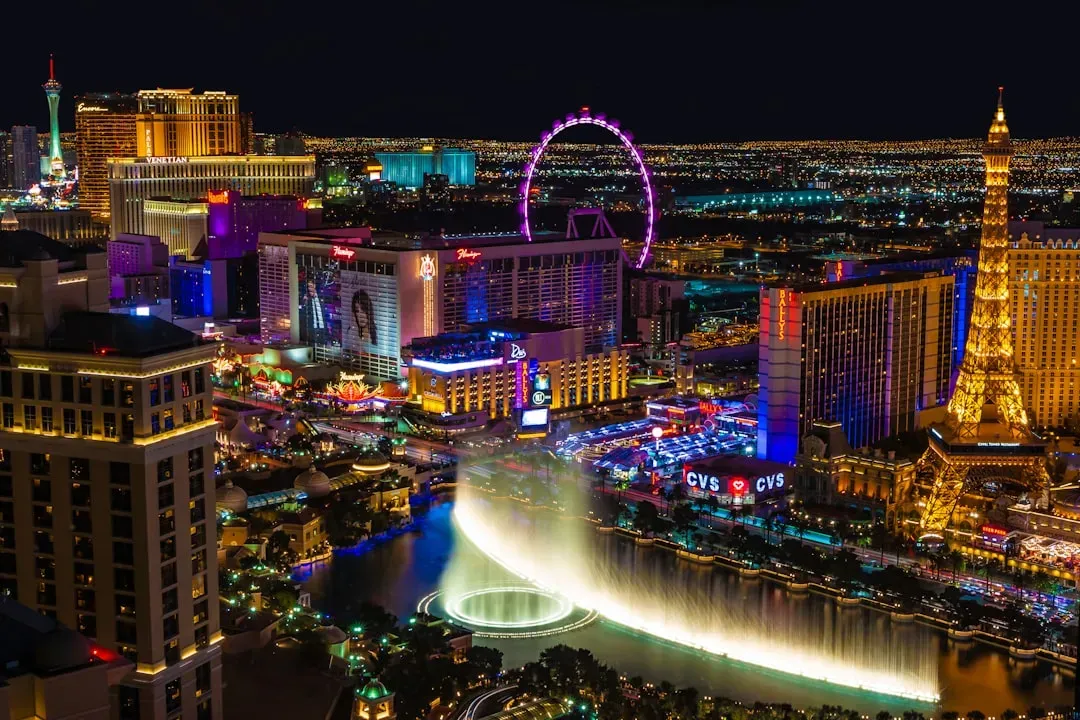
Don’t misunderstand – the Strip isn’t struggling overall. Key indicators like visitor volume, convention attendance, average daily room rates, and occupancy rates all inched upward in 2024. Strip casinos still enjoy occupancy levels that most hoteliers would kill for. The issue isn’t a lack of demand from tourists or conventioneers. It’s that locals, who once padded the weeknight numbers and filled seats at off-peak hours, have shifted their allegiance to properties that treat them like regulars instead of one-time cash machines.
Durango’s Success Shows the Appetite for Locals-First Properties

Station Casinos’ Durango Casino & Resort, which opened in December 2023, added ninety-five thousand new customers to the database. Durango is on pace to become one of Red Rock’s highest-margin properties, delivering a return net of cannibalization exceeding fifteen percent. That kind of growth doesn’t happen unless there’s genuine demand. Locals aren’t sitting at home – they’re choosing new options that cater directly to their preferences. The Durango story is a case study in how off-Strip investment pays off when the value proposition is right.
The Strip Will Always Have Its Place

Let’s not pretend the Strip is dying. It won’t. It’s still the heart of Vegas for anyone visiting from out of town, for bachelor parties and bachelorette weekends, for conventions and special occasions. The Strip delivers spectacle, celebrity-chef restaurants, residency shows, and nightclubs that can’t be replicated in a suburban casino. But for the local who just wants to play blackjack on a Wednesday night without the hassle? Off-Strip makes infinitely more sense. The two markets are simply serving different audiences, and that’s okay.
The reality is that locals haven’t abandoned Las Vegas – they’ve just recalibrated where they want to spend their time and money. Off-Strip casinos are thriving because they’ve doubled down on convenience, value, and loyalty programs that reward regularity over splashy one-time visits. The Strip remains a tourism juggernaut, but its appeal to locals has quietly eroded as parking fees stacked up and the friction of navigating massive resorts became a weekly annoyance rather than an occasional thrill.
So, is the Strip dead for locals? Not dead – just less relevant. And judging by the revenue numbers rolling in from off-Strip properties, locals seem perfectly happy with that arrangement. What do you think? Have you noticed yourself heading off-Strip more often these days?