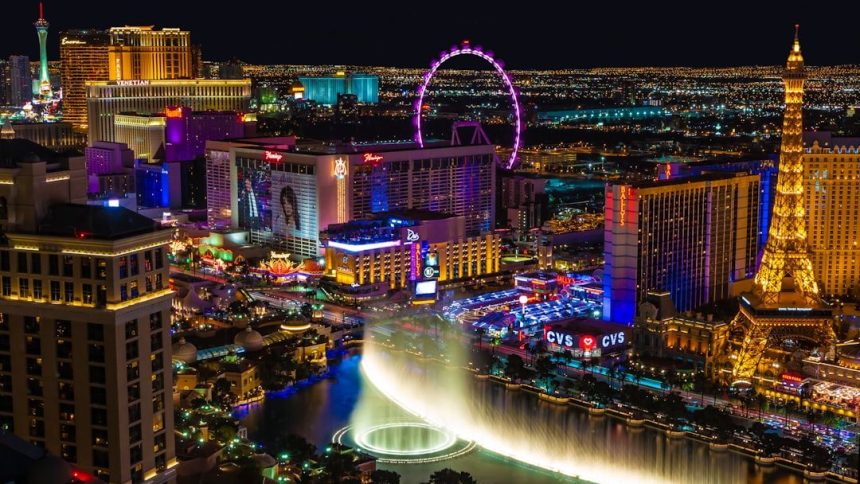
You’re walking along the Las Vegas Strip, neon blazing at every angle, and you spot a storefront plastered in cannabis leaf logos with signs screaming “WEED” from across the road. It seems almost too convenient. You’re in Las Vegas, cannabis is legal in Nevada, and here’s a shop right in front of you. What could go wrong?
Quite a lot, actually. What looks like a quick, easy purchase could be something entirely different from what you expect, and the gap between what’s sold and what’s real has become one of the city’s most persistent consumer traps. Buckle up, because this is a story about branding, loopholes, health risks, and a tourist industry that has not always had your best interests at heart. Let’s dive in.
Legal Cannabis Dispensaries Cannot Actually Operate on the Strip

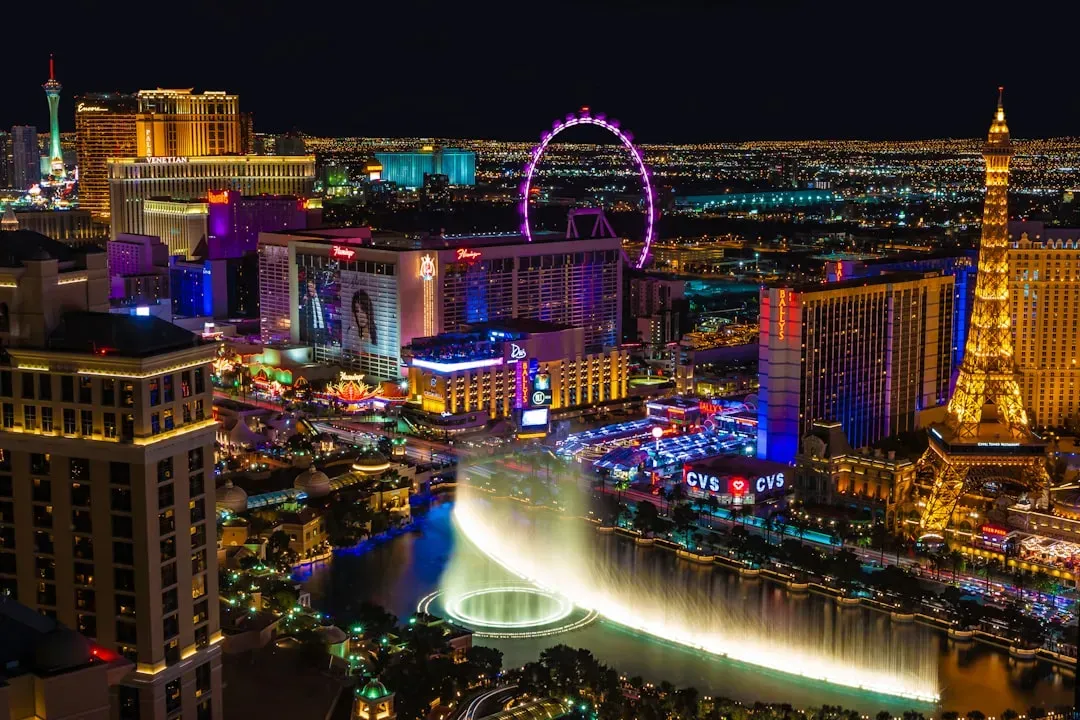
Here’s the first thing most visitors don’t know, and honestly, it catches people off guard every single day. Nevada prohibits legal cannabis dispensaries from operating “in any venue, attraction, or public area on the Las Vegas Strip or Fremont Street Experience,” and less than 1,500 feet from any establishment with an unrestricted gaming license operating anywhere else. Think about what that means for a moment. Every single storefront on the Strip with a cannabis leaf in its window is, by definition, not a licensed cannabis retailer.
Most licensed Las Vegas cannabis dispensaries locate themselves about a half-mile away from either of Sin City’s two tourist corridors. So if you’re on foot and you stumble into a “dispensary” without taking a short rideshare trip, the odds are high that what you’re looking at is not the real thing. The convenience is part of the trap.
What These Stores Are Actually Selling
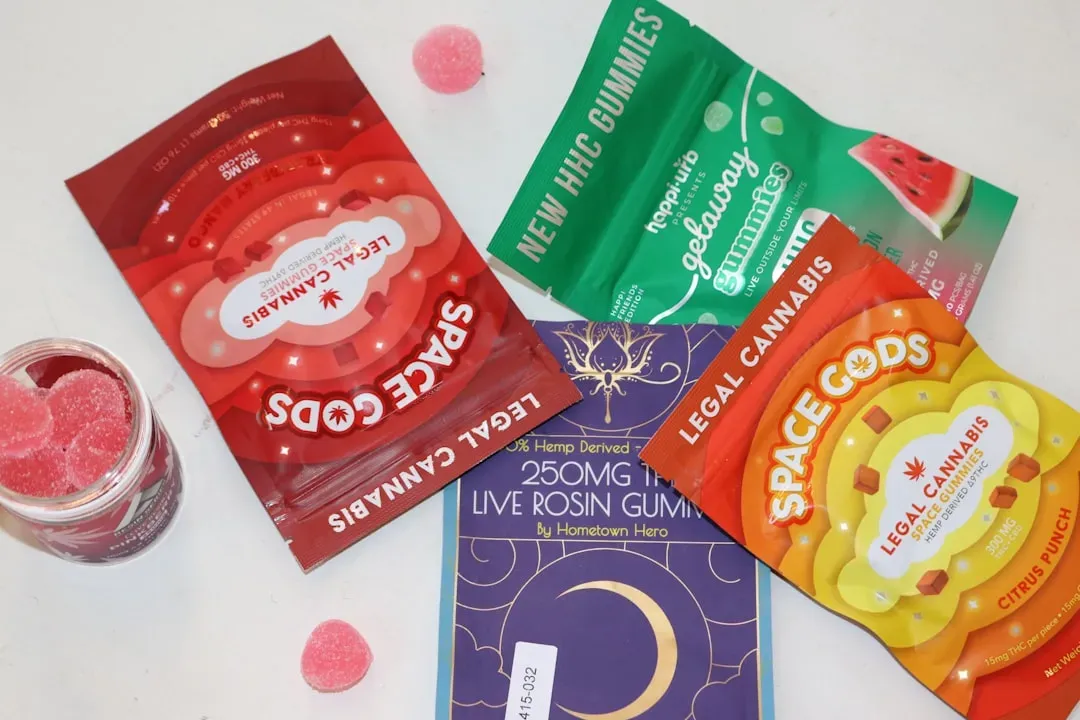
Fake dispensaries, which usually display a cannabis leaf on their logo, sell hemp buds (flower) that appear, and even smell, indistinguishable from cannabis. They also sell gummies, cartridges, and other products in bags and boxes whose packages depict smiling faces eating and vaping their contents. It’s a masterclass in visual deception. If you didn’t know better, you’d have no reason to suspect a thing.
These shops use misleading branding – like cannabis leaves and slang – and sell hemp buds, gummies, and cartridges in packaging that mimics legal weed. Many customers assume they’re buying regulated cannabis when they’re not. The whole operation is designed to benefit from the confusion, plain and simple.
The Farm Bill Loophole That Made All of This Possible

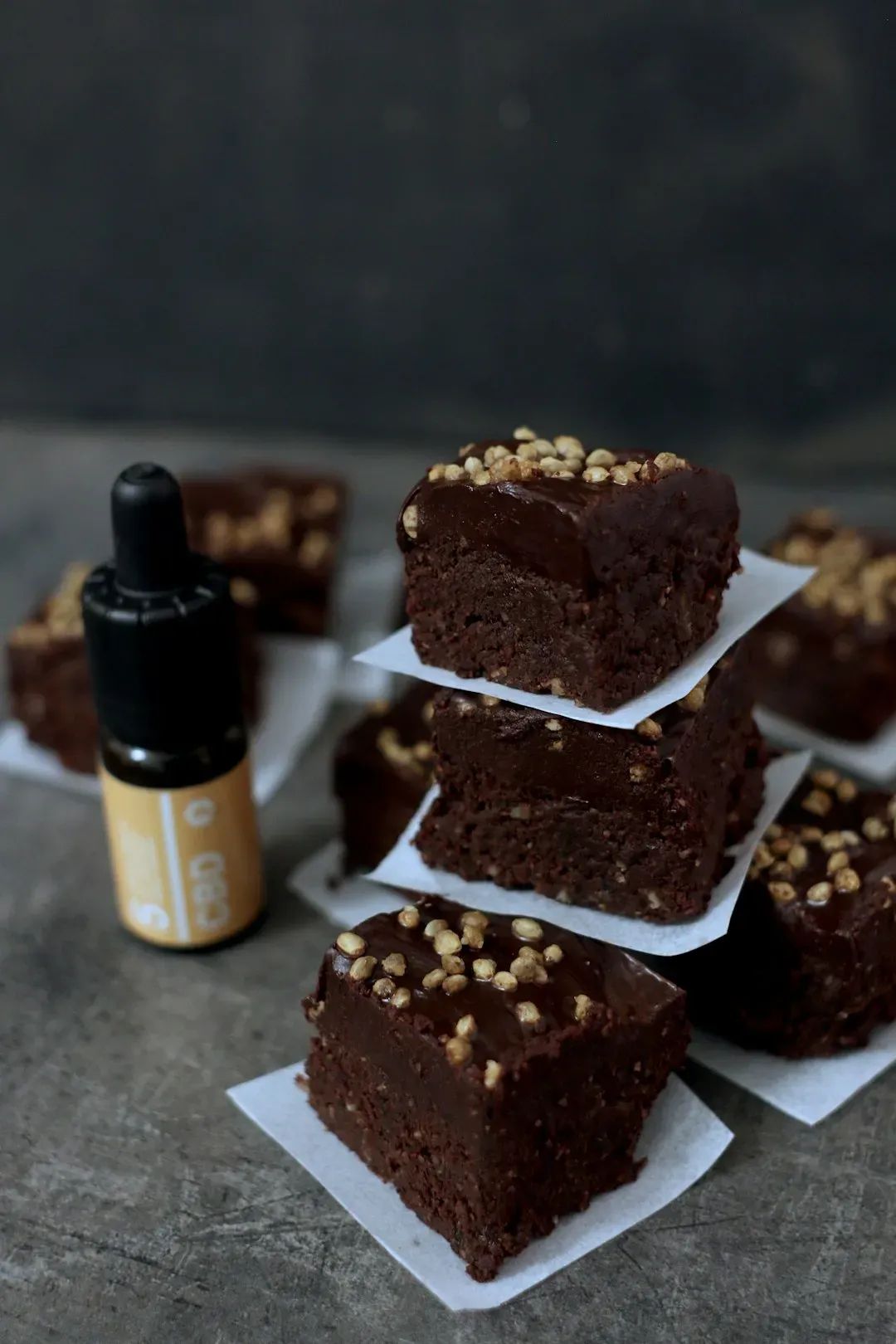
The 2018 Farm Bill legalized hemp federally for industrial uses like rope and textiles, but it inadvertently created a regulatory loophole that allowed intoxicating hemp products to spread nationwide. Because the law defined hemp solely by THC concentration per weight, manufacturers found they could produce items – say, a 40-gram brownie – that contained enough THC to intoxicate users while technically staying under the legal threshold. That’s a significant loophole. A brownie-sized technicality with real-world consequences.
A loophole in the 2018 Nevada Farm Bill allows anyone to peddle hemp, anywhere they want, without the state’s Cannabis Compliance Board, or any other regulatory body, setting rules for its quality and safety. That single sentence explains why these shops can operate in plain sight, right alongside casino hotels and tourist attractions, without anyone being able to shut them down on the spot.
Delta-8, Synthetic Cannabinoids, and What’s Actually in the Product

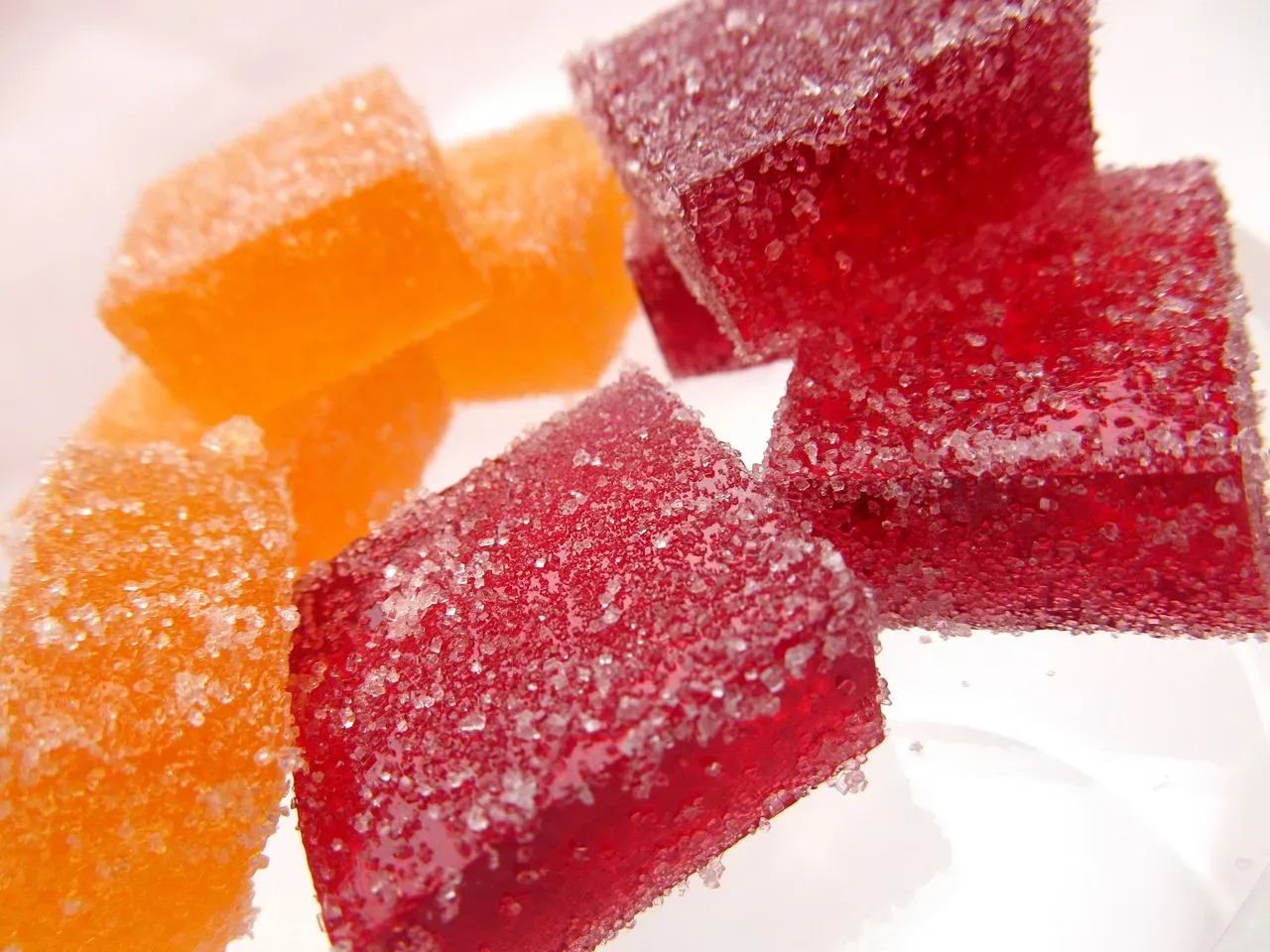
The gummies for sale had a high level of delta-8 THC, a synthetic hemp-derived compound that is illegal in Nevada, which outlaws synthetic cannabinoids and requires products infused with natural hemp to only have 0.3% of it on a dry-weight basis. Yet these products continue to appear on shelves. The law says one thing, the market does another.
The natural amount of delta-8 THC in hemp is very low, and additional chemicals are needed to convert other cannabinoids in hemp, like CBD, into delta-8 THC. According to the FDA, after chemical alteration, the final delta-8 THC product may have potentially harmful by-products (contaminants) due to the chemicals used in the process, and there is uncertainty with respect to other potential contaminants that may be present or produced depending on the composition of the starting raw material. If consumed or inhaled, these chemicals can be harmful. Let that sink in. You might be inhaling a chemical byproduct you never agreed to consume.
The FDA Has Been Warning About These Products for Years

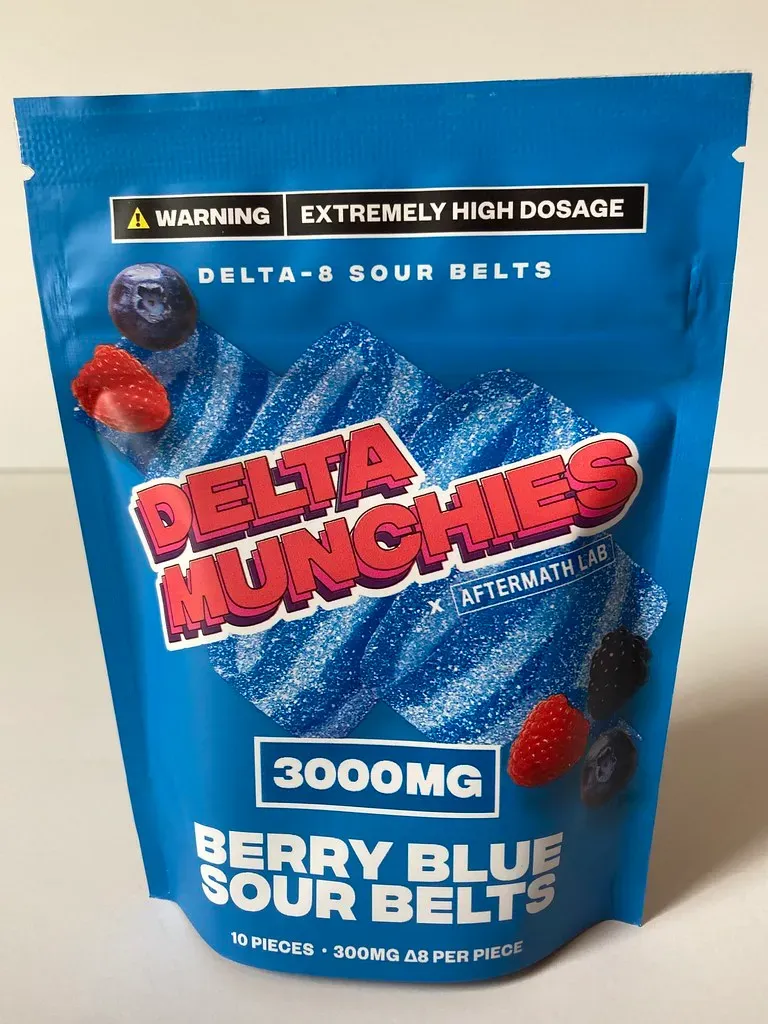
The U.S. Food and Drug Administration has warned the public that cannabis products containing delta-8 THC can pose serious health risks to consumers. The public notice was prompted by adverse event reports received by the FDA and national poison control centers over a 15-month period. This isn’t a fringe concern or a technicality. This is a formal federal health warning.
Adverse events included hallucinations, vomiting, tremor, anxiety, dizziness, confusion and loss of consciousness. It is important for consumers to be aware that delta-8 THC products have not been evaluated or approved by the FDA for safe use in any context. They may be marketed in ways that put the public health at risk and should especially be kept out of reach of children and pets. These are not mild disclaimers. These are serious red flags.
Partner offer

Nevada’s Licensed Dispensaries Operate Under Rigorous Testing Rules


I think this is where the real contrast becomes impossible to ignore. The difference between buying from a licensed dispensary and one of these strip-facing shops is not just legal, it’s a direct question of what you’re putting in your body. A licensed cannabis independent testing laboratory in Nevada must be able to determine accurately the concentration of THC and cannabidiol, the presence and identification of microbes, molds and fungi, and the presence of chemicals in the tested material, including, without limitation, pesticides, heavy metals, herbicides or growth regulators.
In Nevada, marijuana and marijuana products are tested by independent third-party owned testing laboratories that are licensed by the state. To test marijuana in Nevada, a marijuana testing laboratory must be licensed by the Nevada Cannabis Compliance Board. That’s a layered, state-backed system designed to stand between the product and the consumer. The Strip shops have none of it.
Enforcement Is Ramping Up, But Gaps Remain

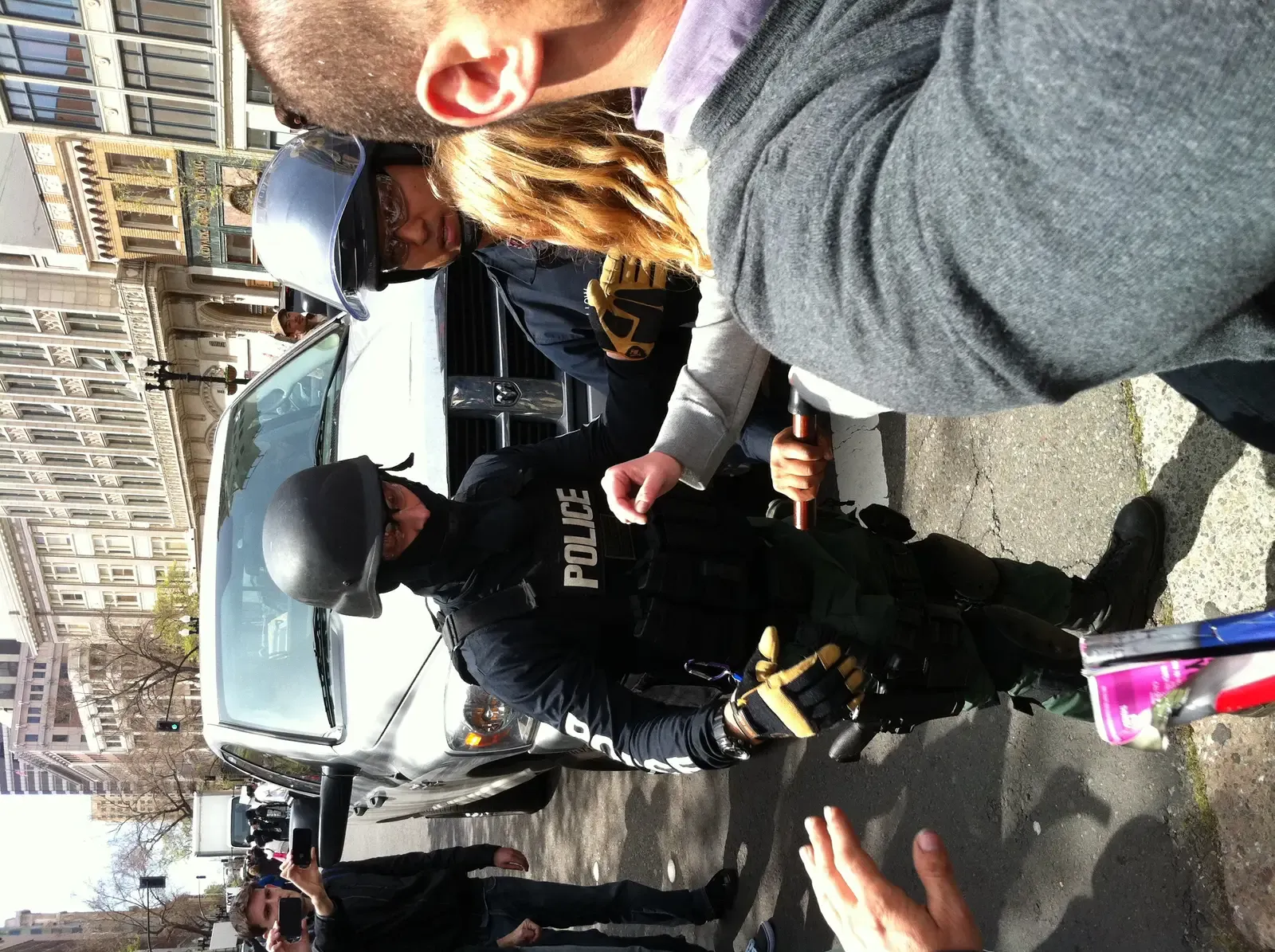
The Nevada Cannabis Compliance Board has signaled a strong trajectory of enforcement for 2025. Following a wave of compliance sweeps in late 2024 and new legislative mandates, unlicensed retailers now face possession or sale of any product with detectable psychoactive THC outside a dispensary setting, subject to seizures, fines, and potential criminal referral. The pressure is increasing, but enforcement takes time to filter through to every storefront.
In June, the city of Las Vegas cracked down on fake dispensaries. It passed a law requiring them to state, on foot-high signs posted in their entranceway: “This location is not licensed to sell cannabis.” It also requires the actual (low) THC levels of all products to be listed on their packaging. Unfortunately, this rule only applies to Fremont Street, leaving Strip-based shops untouched and still able to mislead customers.
The Scale of Nevada’s Illegal Cannabis Market

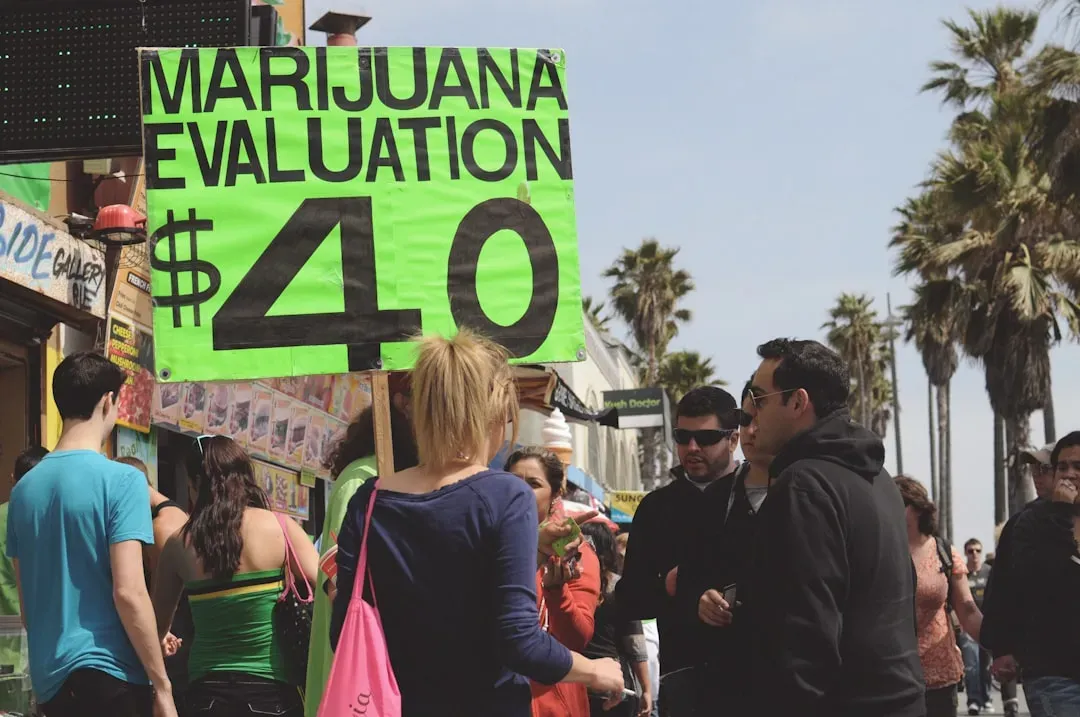
Here’s a figure that puts everything in perspective. In 2023, roughly a third of all marijuana sales in Nevada were illegal, according to the Nevada Cannabis Compliance Board. That’s a staggering share of the market operating entirely outside the safety systems that legal consumers take for granted.
Illegal marijuana sales are a $100 billion annual industry, according to Forbes. Las Vegas is a meaningful slice of that number. In January, the Cannabis Compliance Board reported a 14% drop in taxable marijuana sales from Financial Year 2022 to 2024, a trend that industry leaders have directly linked to the spread of gray-market hemp products undercutting the regulated sector. Licensed businesses are competing against shops that don’t follow any of the same rules.
How to Tell the Real From the Fake
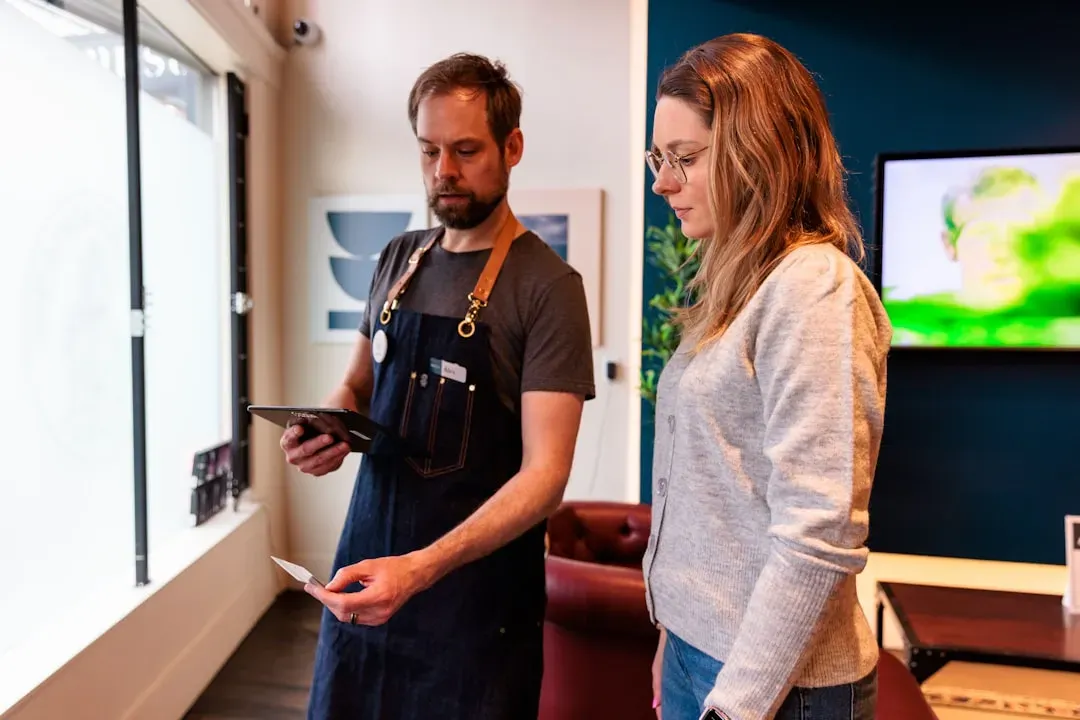
The good news is there are reliable, practical ways to spot the difference. Licensed dispensaries all have a vestibule where someone verifies IDs with a cannabis board-approved scanner before buzzing customers into the store. Nevada law requires scanning IDs, not just checking them at the front of a line outside. If the street entrance opens directly into the store, that means the owner isn’t afraid of losing their license to sell cannabis by neglecting to scan IDs, which is because they don’t have one to lose.
Real cannabis is still federally illegal, so it can be paid for only with cash or a debit card. That’s true everywhere it’s legal, not just in Las Vegas. Credit cards can’t be used because they’re issued by banks that are backed by the Federal Deposit Insurance Corporation. If a “dispensary” is happily swiping your Visa, walk away. That’s your clearest signal you’re not in a licensed shop.
Your Safest Move as a Visitor

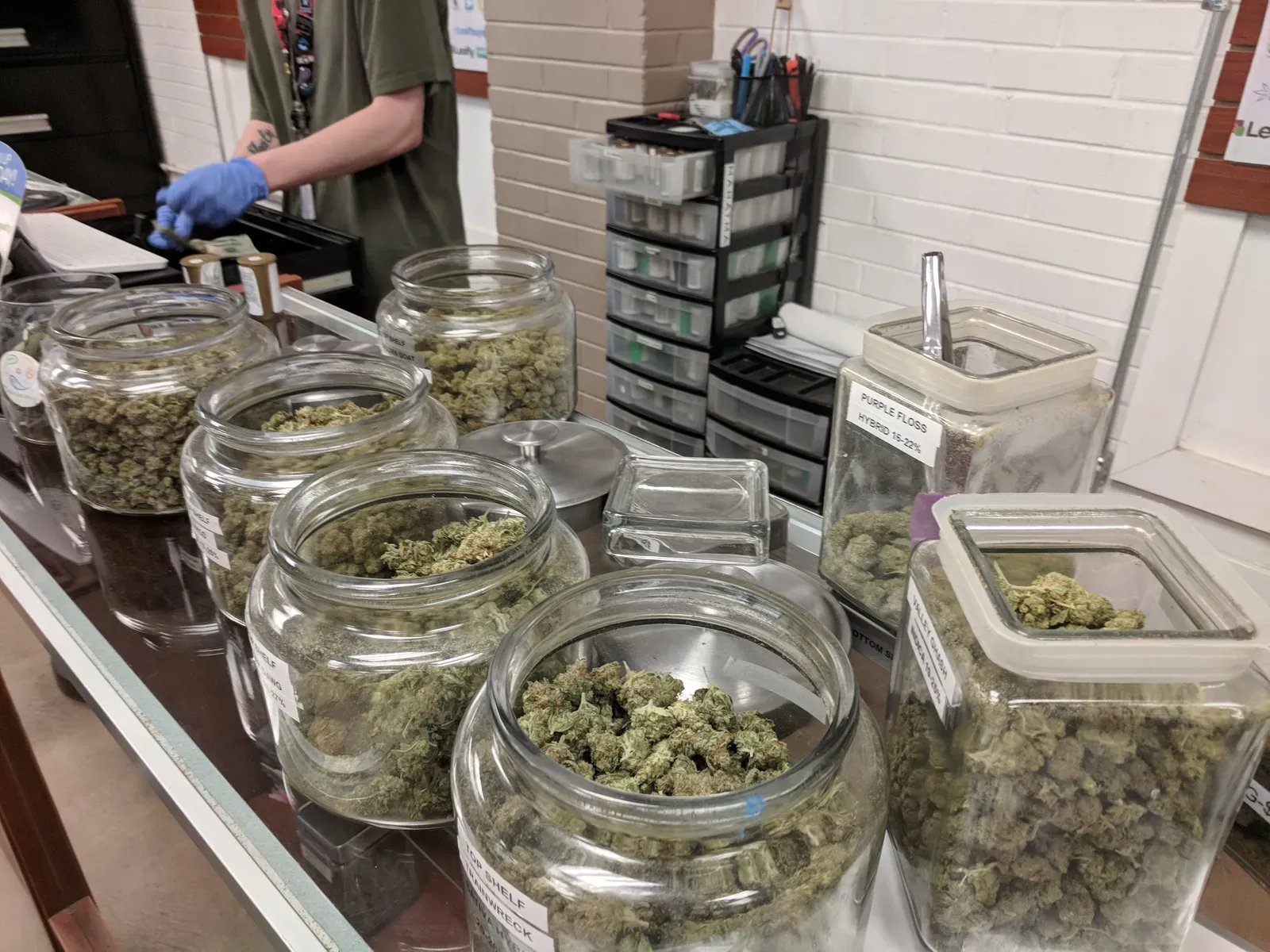
The Nevada Cannabis Compliance Board governs Nevada’s cannabis industry through strict regulation of all areas of its licensing and operations, protecting the public health and safety of citizens and visitors while holding cannabis licensees to the highest ethical standards. That oversight only applies when you buy from a licensed retailer. Step outside that circle and you step outside those protections entirely.
Sin City is home to around 70 dispensaries, all within a 15-mile radius of the Strip, accommodating the 45 million annual visitors looking to buy legal cannabis, as well as 3 million locals in the metro area. There is no shortage of real, legal options. The short rideshare trip to a licensed dispensary is not an inconvenience. It’s a basic safety decision. The neon and the branding on the Strip are designed to make you feel like you’ve already arrived. In this case, you haven’t.
What surprises you most about this? The scale of the problem, the regulatory gap, or the fact that it’s been hiding in plain sight all along?
Partner offer
Planning a trip to Vegas?
Compare hotel rates and show tickets on VEGAS.com.