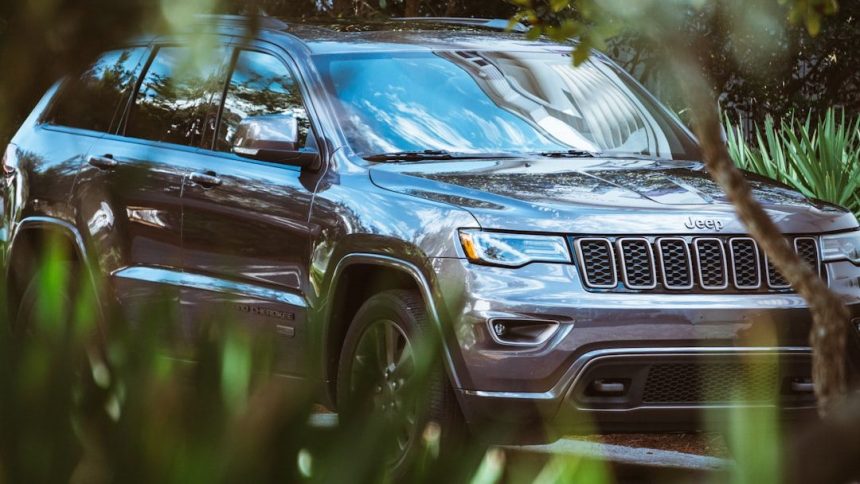

Faulty part leads to recall of 60K+ Jeep Cherokee vehicles – Image for illustrative purposes only (Image credits: Unsplash)
Automakers continue to monitor components that can affect vehicle control, and a fresh recall from Jeep underscores that vigilance. The company has identified a potential failure in the power transfer unit on certain Cherokee models, prompting action to reduce the chance of sudden loss of drive power. Owners of vehicles from the 2019 through 2023 model years now face a clear next step to address the issue before it leads to trouble on the road.
The Core Issue Behind the Recall
The power transfer unit serves as a critical link in the drivetrain of these all-wheel-drive Cherokees. When it fails, the vehicle can lose propulsion without warning, leaving drivers in situations where quick response becomes difficult. Regulators determined that this defect raises the likelihood of a crash or injury, especially during highway merges or in heavy traffic.
Engineers traced the problem to a manufacturing inconsistency that allows internal parts to wear prematurely. The result is not a gradual decline but an abrupt interruption in power delivery. Because the failure mode appears without prior symptoms, the recall focuses on proactive replacement rather than waiting for complaints.
Which Vehicles Are Included
Production dates span from 2019 through 2023, covering a substantial portion of the Cherokee lineup sold in the United States. More than 60,000 units fall under the campaign, according to the announcement. Not every Cherokee from those years carries the defect, yet the company elected to cast a wide net to capture all potentially affected examples.
Owners can verify eligibility through the vehicle identification number on the manufacturer’s website or by contacting a local dealer. The broad date range reflects the period when the suspect power transfer units entered the supply chain. No other Jeep models appear in this particular action.
Safety Risks and Real-World Consequences
A sudden loss of drive power can turn routine driving into an emergency. Drivers may find themselves unable to accelerate out of an intersection or maintain speed on an incline, increasing exposure to rear-end collisions or loss of control. The National Highway Traffic Safety Administration classified the defect as one that could lead to injury, which explains the urgency of the recall.
While no widespread reports of accidents have been tied directly to this component yet, the precautionary approach aims to prevent future incidents. Similar drivetrain issues in other vehicles have shown how quickly a mechanical fault can escalate on public roads. The recall therefore serves as both a repair program and a reminder of the narrow margin between normal operation and hazard.
What Owners Should Do Next
Jeep dealers stand ready to inspect and, if necessary, replace the power transfer unit at no cost to the owner. The process typically requires scheduling an appointment, after which technicians perform the work during a single visit. Customers are encouraged to act promptly rather than delay until the next service interval.
In the meantime, drivers should remain alert for any unusual noises or hesitation during acceleration. Although the defect often presents without warning, early attention to changes in vehicle behavior can provide an added layer of caution. The manufacturer has also set up dedicated hotlines to answer questions and confirm recall status.
Key points for owners:
- Check eligibility using the VIN on the official Jeep recall site.
- Schedule a free inspection and repair at an authorized dealer.
- Monitor for any sudden loss of power and pull over safely if it occurs.
- Contact Jeep customer service for additional guidance.