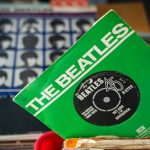
A studio album is a controlled thing. A live album is a document of one night, with its mistakes, its crowd noise and its odd bursts of luck.
Critics have returned to a fairly small group of these recordings for decades, and they keep turning up on greatest album lists. Here are ten of them, from a California prison in 1968 to a concert hall in Germany in 1975.
Johnny Cash, At Folsom Prison (1968)

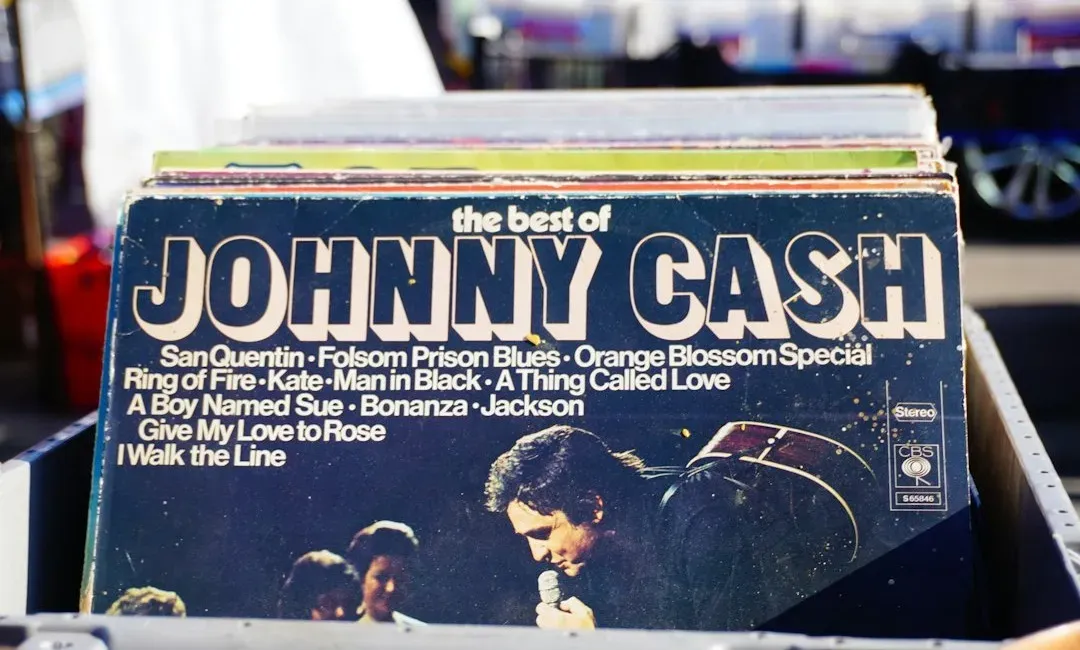
Johnny Cash recorded this album on January 13, 1968, at Folsom State Prison in California, with two shows played for inmates that day. Columbia released it later that year, and it carried his career through a period when his commercial standing had slipped.
The recording keeps the cheers of the audience in plain view, especially at the lines they clearly relished. Producer Bob Johnston captured it with little polish. The Library of Congress added the album to the National Recording Registry in 2003, which says a good deal about its standing.
James Brown, Live at the Apollo (1963)

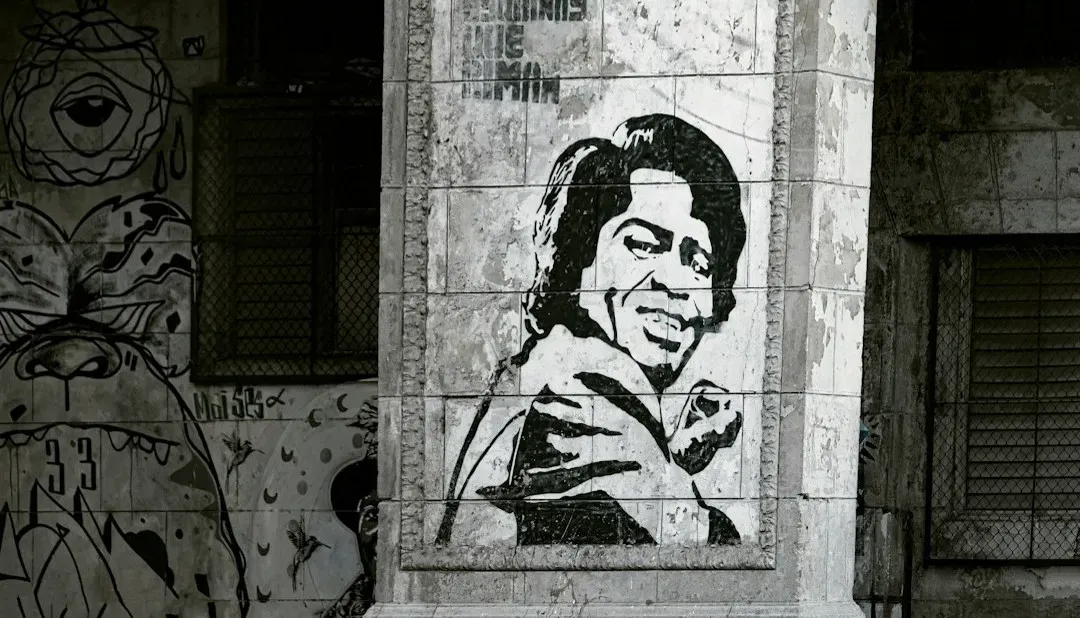
James Brown and the Famous Flames were recorded at the Apollo Theater in Harlem on October 24, 1962. Brown reportedly paid for the recording himself, since his label doubted a live record would sell. The album reached number two on the Billboard 200 anyway.
The set runs as one long, tightly paced performance, with the band and crowd responding to each other constantly. The Library of Congress selected it for the National Recording Registry in 2004. Rolling Stone has also placed it on its list of the greatest albums.
Nirvana, MTV Unplugged in New York (1994)

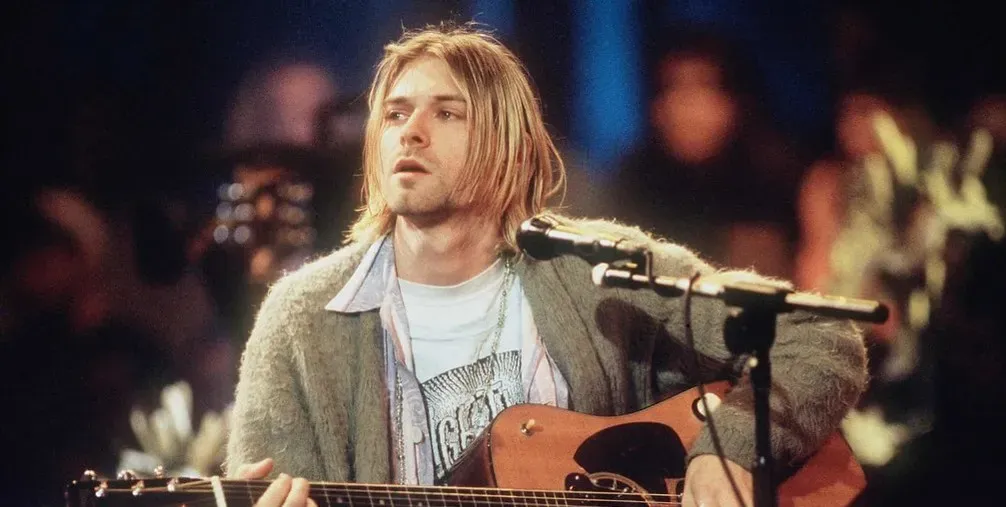
Nirvana taped the performance on November 18, 1993, at Sony Music Studios in New York. The band used a quiet, acoustic setup with candles and stargazer lilies, which was an unusual look for a grunge group. The album came out in November 1994, several months after Kurt Cobain’s death.
It debuted at number one on the Billboard 200. It later won the Grammy for Best Alternative Music Performance. Critics often point to the cover songs, including material by David Bowie and the Meat Puppets, as proof of the band’s range.
The Who, Live at Leeds (1970)

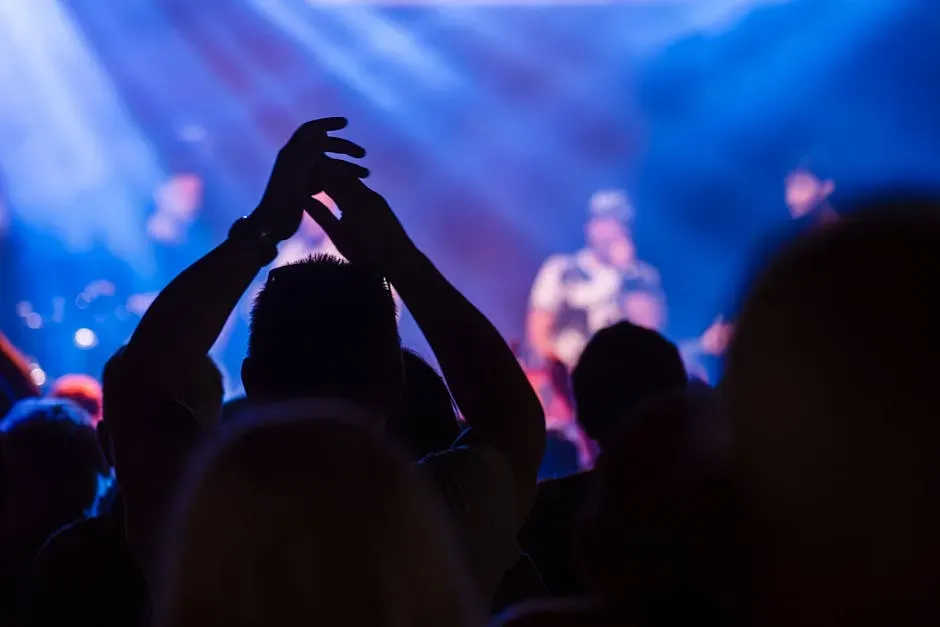
The Who played Leeds University on February 14, 1970, and the tapes became their first official live album. The original release had only six tracks, and it was stripped down in a way that suited the band’s loud, tight sound. Pete Townshend, Roger Daltrey, John Entwistle and Keith Moon sound unusually locked in.
Later reissues expanded the show, and a fuller version eventually presented much more of the concert. Many critics still treat it as a benchmark for hard rock on stage. Its long take on “My Generation” is a frequent highlight in reviews.
Bob Dylan, The 1966 Live Recordings (Bootleg Series Vol. 4)

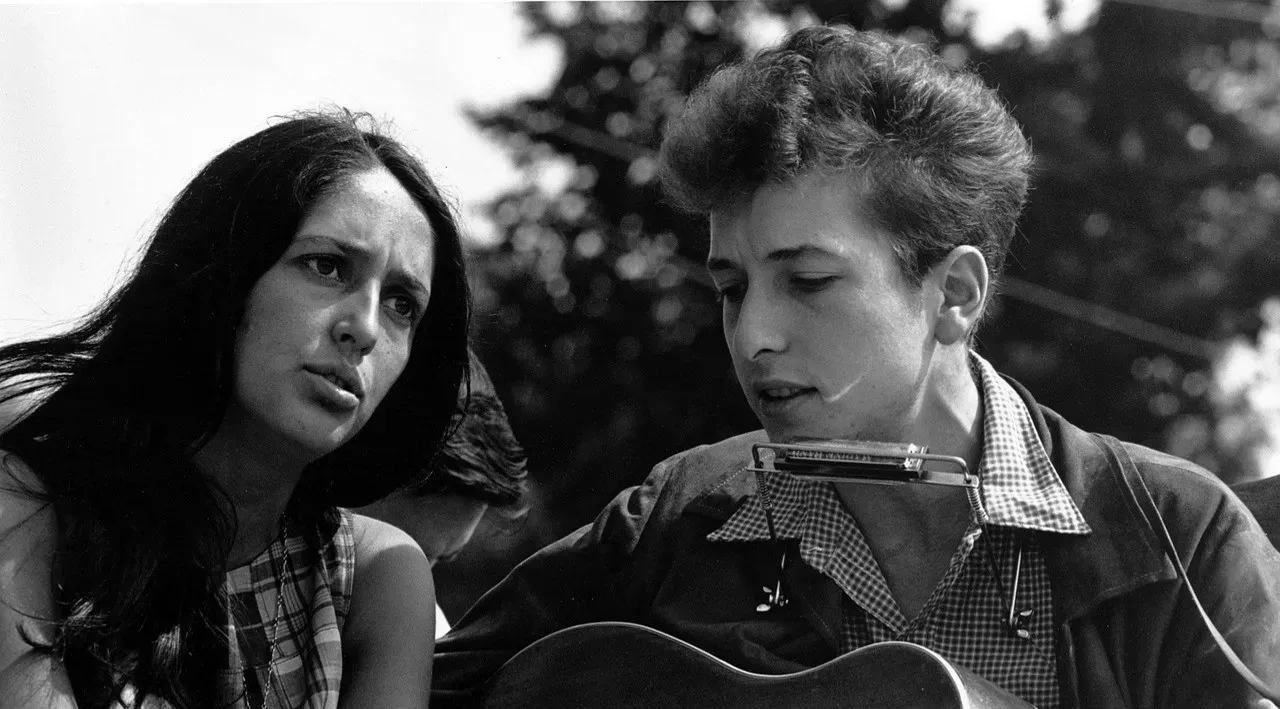
This album was released officially in 1998 under the title “Live 1966,” and it is often called the Royal Albert Hall concert. In fact the recording comes from Manchester Free Trade Hall on May 17, 1966. The mislabeling stuck for years because of an earlier bootleg.
The first half is acoustic, and the second half features Dylan with a full electric band, drawing boos from parts of the audience. Critics prize it for the tension between those two halves. Sound quality is far better than the old bootlegs, which helps explain the praise.
Partner offer

B.B. King, Live at the Regal (1965)

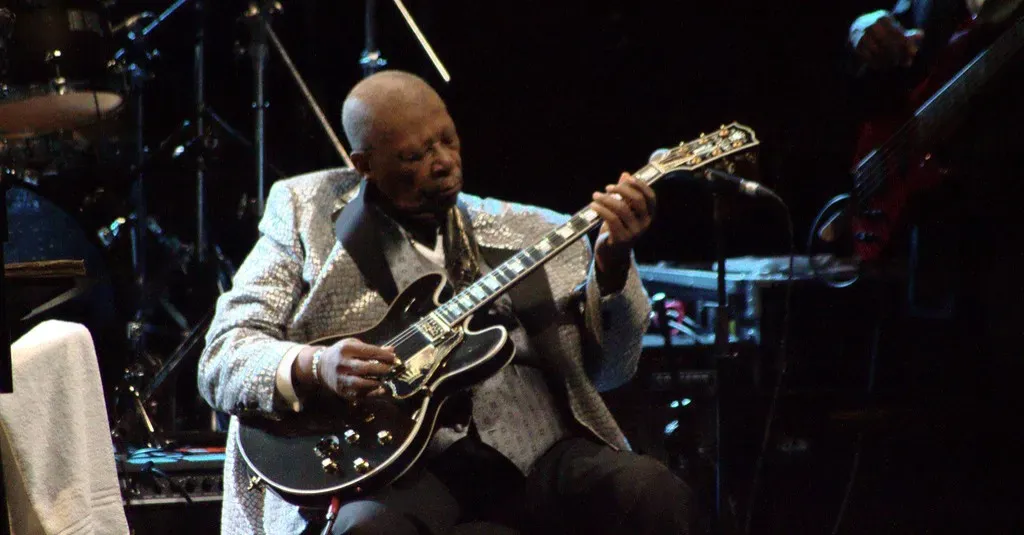
B.B. King recorded this album at the Regal Theater in Chicago on November 21, 1964. ABC Paramount released it the next year. King’s guitar, Lucille, trades phrases with his voice while the crowd answers back.
Blues writers regularly cite it as one of the finest live blues records. The Library of Congress added it to the National Recording Registry in 2018. Its influence on later guitarists, including Eric Clapton, is often mentioned in critical retrospectives.
Aretha Franklin, Amazing Grace (1972)

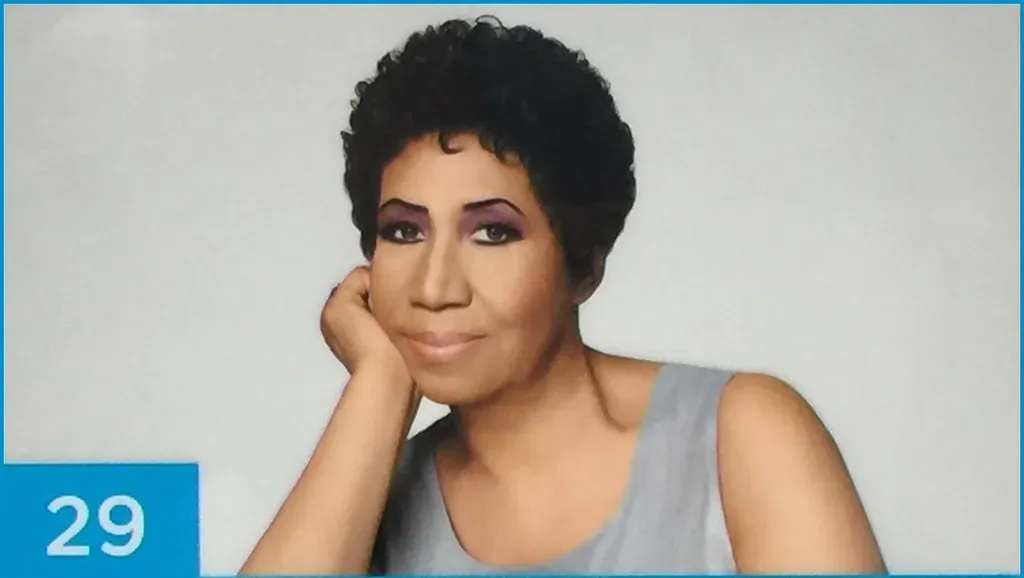
Aretha Franklin recorded this gospel album over two nights in January 1972 at the New Temple Missionary Baptist Church in Los Angeles. Reverend James Cleveland and the Southern California Community Choir joined her. The double album came out in 1972 and became a landmark for gospel.
It is widely cited as one of the best selling live gospel albums ever released. Critics highlight the way she lets a congregation shape the pace of each song. A documentary film of the sessions was finally released in 2019 after long delays.
Bob Marley and the Wailers, Live! (1975)

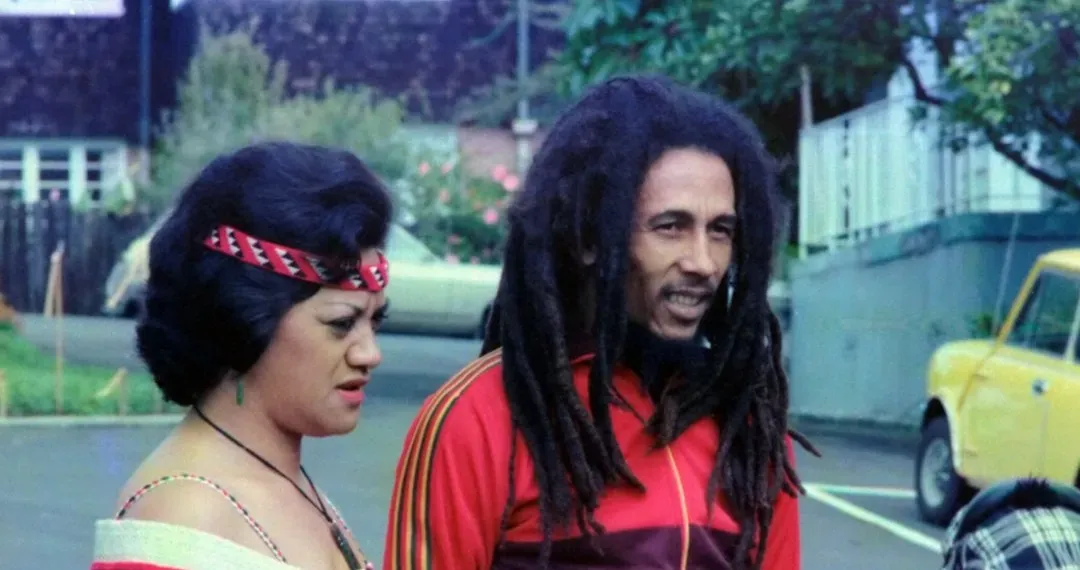
This album was recorded at the Lyceum Theatre in London in July 1975. It came out the same year and gave Bob Marley his first real international breakthrough. The Wailers played with a looseness that studio versions had only hinted at.
The version of “No Woman, No Cry” became the best known, and it was a hit single in the United Kingdom. Reviewers have long praised the audience participation and the patient, rolling groove. Many consider it the best entry point to his catalog.
Sam Cooke, Live at the Harlem Square Club, 1963

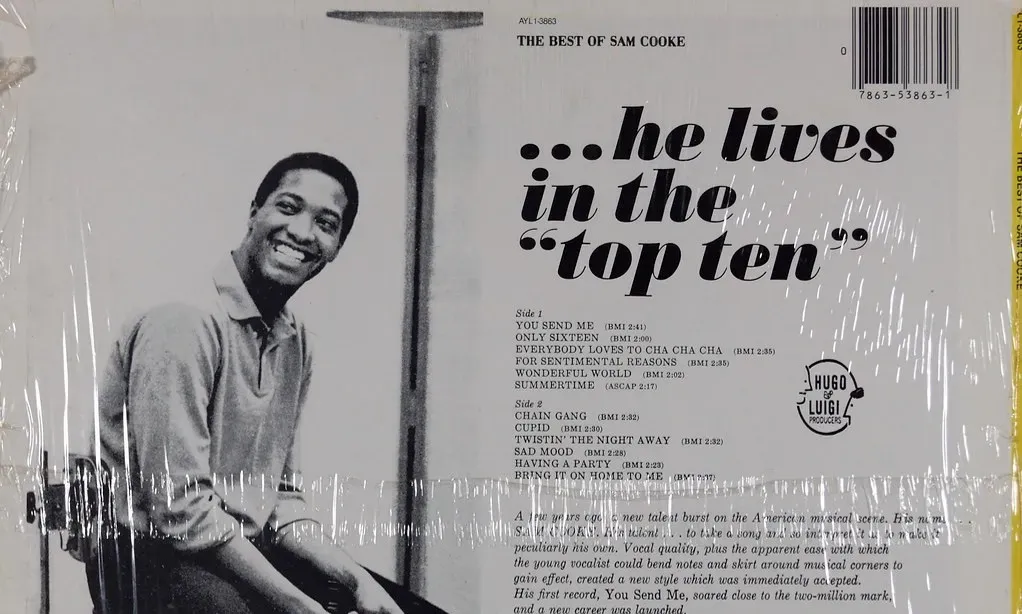
RCA recorded Sam Cooke in Miami on January 12, 1963, but the label judged the raw performance too rough for his polished image. The tapes sat unreleased until 1985. The sound is far removed from his smooth pop hits.
Cooke sounds fierce here, pushing a packed room of fans toward a frenzy. Critics frequently call it one of the greatest live soul records. Its long delay in reaching the public makes its eventual reputation even more notable.
Keith Jarrett, The Köln Concert (1975)

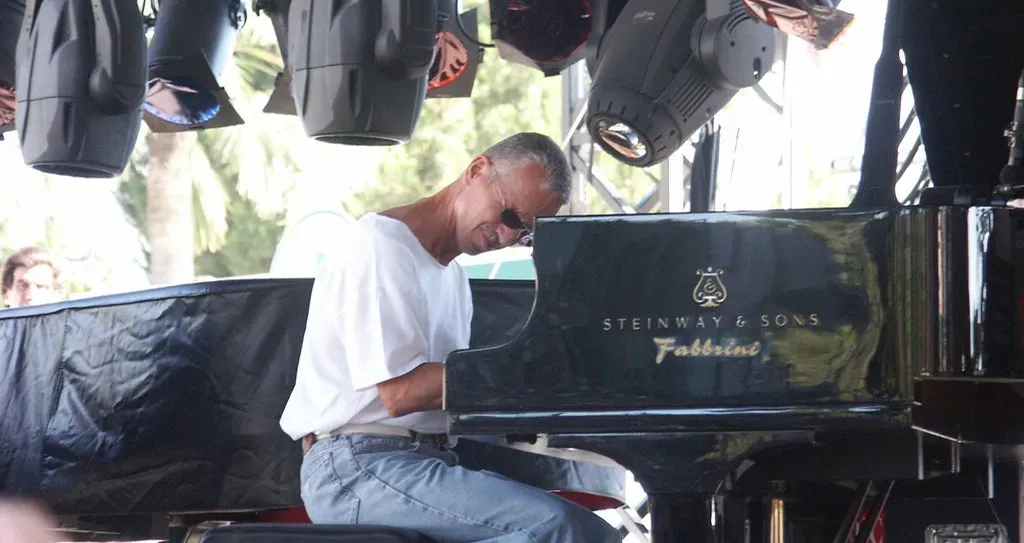
Keith Jarrett played this entirely improvised solo piano concert at the Cologne Opera House on January 24, 1975. The piano provided was not the instrument he had requested, and he was reportedly tired and in pain. ECM released the recording later that year.
It has become the best selling solo piano album and one of the best selling jazz albums in history. Critics point to its lyrical themes and the way constraints seem to have sharpened the music. It is regularly named in lists of essential jazz recordings.
Where to Start Listening

For raw energy, begin with Live at the Apollo or Live at the Harlem Square Club. For quieter listening, try MTV Unplugged in New York or The Köln Concert. At Folsom Prison works well as a first step into country and American roots music.
Several of these albums have been reissued with extra material, so check which edition you’re playing. Live at Leeds and Amazing Grace in particular exist in both shorter original and fuller expanded versions.
Partner offer
Planning a trip to Vegas?
Compare hotel rates and show tickets on VEGAS.com.