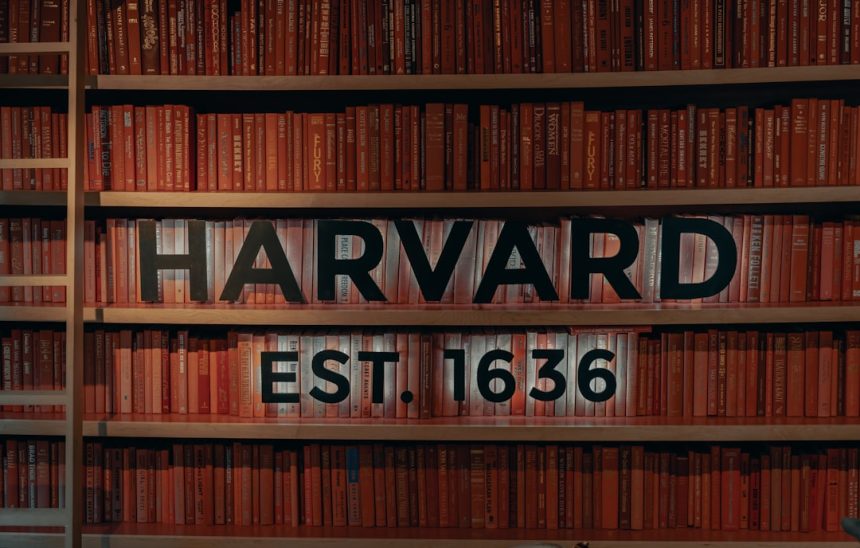

A Bold Move to Enforce Civil Rights Compliance (Image Credits: Unsplash)
Massachusetts — The U.S. Department of Justice escalated its long-running dispute with Harvard University on Friday by filing a federal lawsuit accusing the institution of violating civil rights laws through inadequate responses to antisemitism on campus. This action seeks to freeze ongoing grants and reclaim billions in previously awarded taxpayer funds. The filing marks yet another chapter in a tense confrontation that has disrupted research funding and sparked multiple court battles.[1][2]
A Bold Move to Enforce Civil Rights Compliance
The lawsuit asserts that Harvard’s leadership permitted a discriminatory environment, particularly during pro-Palestinian protests tied to the Israel-Hamas war. Federal investigators determined the university allowed demonstrations in its library and maintained an encampment for 20 days despite policy violations. Students reportedly concealed religious skullcaps and skipped classes due to harassment fears.[2]
Justice Department officials described the institution as a “willful participant” in antisemitic harassment. The complaint demands court-ordered remedies, including police intervention against campus blockades and an independent monitor to oversee reforms. “The United States cannot and will not tolerate these failures,” the department stated in the filing, aiming to compel adherence to federal civil rights protections.[1]
Roots in Post-October 7 Protests
Tensions surged after Hamas’s October 7, 2023, attack on Israel, which killed about 1,200 people and led to widespread campus demonstrations. Harvard faced criticism for not swiftly disciplining participants or staff who endorsed protests, such as by altering class schedules. A federal task force concluded these lapses violated Title VI of the Civil Rights Act of 1964, which bars discrimination in programs receiving federal aid.[2]
The administration launched its probe shortly after President Trump’s inauguration. By June, officials issued a formal finding of noncompliance, threatening litigation unless Harvard aligned with demands. Such cases rarely reach court; most resolve through voluntary pacts. White House press secretary Liz Huston emphasized on social media that Harvard “has failed to protect its Jewish students from harassment.”[2]
Timeline of Funding Freezes and Legal Pushback
The conflict intensified in spring 2025 when the administration froze nearly $2.2 billion in multi-year grants and $60 million in contracts across agencies like the National Institutes of Health, National Science Foundation, and Department of Defense. This followed Harvard’s rejection of proposed changes, including governance reforms and reductions in diversity initiatives.
| Date | Event |
|---|---|
| April 2025 | Freeze orders issued after Harvard refuses demands |
| May 2025 | Grant terminations begin |
| Sept. 3, 2025 | Federal judge vacates actions as First Amendment violations |
| Dec. 2025 | Judge deems antisemitism claims a “smokescreen” |
| March 20, 2026 | New DOJ lawsuit filed |
U.S. District Judge Allison Burroughs ruled the moves retaliatory, breaching procedural safeguards and academic freedoms. She vacated the freezes, noting agencies ignored Harvard’s antisemitism task force and disciplinary updates.[3]
Harvard’s Response and Ongoing Reforms
University leaders rejected the findings, asserting proactive measures against bias. President Alan M. Garber highlighted a task force report on post-October 7 events, new hires like a provost and deans, and updated discipline policies for consistency. “Antisemitism is a serious problem… Harvard has taken substantive, proactive steps,” the school stated last summer.[2]
- Formed Presidential Task Force on Combatting Antisemitism
- Hired new administrative leaders
- Reformed policies on protests and discipline
- Released detailed incident reports
Negotiations faltered despite near-deals, including Harvard paying $500 million last year or $1 billion later, as Trump accused the school of “behaving very badly.” Other institutions settled: Columbia paid $200 million, Brown $50 million.[1]
Implications for Higher Education
This suit tests federal leverage over universities reliant on grants for medical, scientific, and defense research. Critics see it as ideological overreach; supporters view it as essential accountability. The administration has pursued similar actions against schools perceived as ideologically skewed.
A resolution could set precedents on Title VI enforcement and campus speech limits. Harvard’s no-comment stance leaves questions on next steps amid stalled talks.
Key Takeaways
- The lawsuit alleges Title VI breaches via unaddressed antisemitism, seeking billions in repayments.
- Prior funding cuts worth $2.6 billion were overturned for procedural and constitutional flaws.
- Broader campaign targets elite universities, with some paying to restore funds.
As courts weigh this latest filing, the standoff underscores divides over free speech, discrimination, and federal oversight in academia. What do you think about the balance between civil rights enforcement and university autonomy? Tell us in the comments.