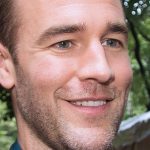
The Disturbing Incident at the Family Home (Image Credits: Nypost.com)
A former Kern County supervisor faces mounting backlash after securing mental health diversion to sidestep prosecution on child abuse charges, prompting his own son to decry the decision as a profound betrayal.[1][2]
The Disturbing Incident at the Family Home
In April 2024, authorities responded to a chaotic scene at Zack Scrivner’s Tehachapi residence after his aunt, Kern County District Attorney Cynthia Zimmer, reported he was armed and in a psychotic state.[2] Deputies discovered Scrivner had clashed violently with his four minor children, one of whom stabbed him during the altercation amid allegations of sexual misconduct toward a pre-teen daughter.[2]
A search warrant yielded 30 firearms, psychedelic mushrooms, and potential evidence of assault. Toxicology later confirmed Scrivner had alcohol, Ambien, benzodiazepines, and cocaine metabolites in his system when he allegedly entered the girl’s bed and fondled her breast and genital areas for about 10 minutes as she froze in fear.[2] His estranged wife had already filed for divorce, leaving the children alone with him that night. Sheriff Donny Youngblood later questioned why no immediate arrest occurred, citing logistical issues with arraignment.[2]
Mental Health Diversion Ignites ‘Epstein Loophole’ Debate
California’s Attorney General’s office assumed the case due to Zimmer’s recusal and filed charges in February 2025: three felony counts of child abuse and two for possessing assault weapons. No sexual assault charge followed, attributed to Scrivner’s drugged state.[1][2] In December 2025, Superior Court Judge Stephanie R. Childers approved diversion after Scrivner’s attorney presented diagnoses of alcohol-use disorder, depression, and anxiety, arguing treatment over incarceration aligned with 2018 and 2022 state laws.[2]
The ruling drew immediate fire from prosecutors, who opposed it and reviewed appeals. Lawmakers branded the program an “Epstein loophole,” likening it to Jeffrey Epstein’s controversial plea deal that shielded him from full accountability for child sex crimes.[1] Assemblymember Dr. Jasmeet Bains, a family medicine specialist, stated, “It was designed to help people get treatment and rehabilitation in appropriate cases, not to provide an escape hatch to sexually assault children. This Epstein loophole needs to be closed.”[1][2]
Son and Wife Break Silence on Family Trauma
On February 25, 2026, Robert Scrivner, one of Zack’s sons, joined his mother Christina at a Sacramento press conference hosted by State Senator Shannon Grove. Robert declared, “My own father, who is an elected official in Kern County, assaulted my siblings and myself and was granted mental health diversion.” He labeled the outcome a “clear example of our flawed system” and vowed to advocate for other victims.[1][3]
Christina Scrivner recounted urging her children to speak truth, only for the system to fail them. “Faced with inexplicable trauma, my courageous children bravely and honorably shared the truth of their abuse,” she said. “Their answer to their plea, their cry for help, was a stark reality of a broken system under mental health diversion.”[1][3] The family’s public stance highlighted the personal toll amid Scrivner’s 13-year tenure as supervisor, Bakersfield City Council service, and ties to former House Speaker Kevin McCarthy.[2]
Legislative Momentum Builds for Change
Senator Grove unveiled Senate Bill 1373 that day, aiming to bar diversion eligibility for violent offenses like child attempted murder, deadly assault, and severe domestic violence. “My bill will ensure that those who commit violent crimes… are no longer eligible for a mental health diversion program,” Grove affirmed.[1] Bains advanced related measures, including the Epstein Loophole Act to block non-prosecution deals in sex crimes.[3]
- SB 1373: Restricts diversion for violent child-related crimes.
- Epstein Loophole Act: Prohibits sweetheart deals for powerful abusers.
- SCRIVNER Act: Enhances victim rights in investigations.
- Mental Health Diversion Act: Targets loopholes in treatment programs.
Previous reform attempts, like Assemblymember Maggy Krell’s 2024 bill, faltered but signal growing consensus. Critics, including San Diego deputy DA Matthew Greco, warn the 2022 amendments tied judges’ hands, eroding public safety.[2]
Key Takeaways
- Mental health diversion, meant for minor offenses, now shields serious abusers via broadened eligibility.
- Bipartisan outrage unites Democrats like Bains and Republicans like Grove against the “loophole.”
- Family testimony underscores urgent need for victim-centered reforms.
This case exposes fractures in California’s justice system, where treatment intentions clash with accountability demands. As bills advance, victims like the Scrivner children await closure – will lawmakers seal the loophole for good? What do you think about these reforms? Tell us in the comments.