Think about the books you read as a kid. The ones that made you stay up way past bedtime with a flashlight under the covers. Maybe you didn’t realize it then, but some of those stories were doing more than just entertaining you. They were quietly shaping how you saw the world, teaching you about empathy, justice, and courage without ever feeling like a lesson.
Children’s literature has this sneaky power. A picture book can challenge prejudice. A middle-grade novel can spark a movement. These aren’t just cute stories with talking animals and happy endings. Some of them literally changed society, influenced laws, and inspired generations to think differently. Let’s dive into the books that didn’t just entertain kids but transformed the world around them.
Where the Wild Things Are Gave Kids Permission to Feel Everything
Maurice Sendak’s wild masterpiece arrived in 1963 and immediately caused a stir. Parents worried it was too dark, too honest about childhood anger and rebellion. Max gets sent to his room for being naughty, then escapes to an island where monsters crown him king. Here’s the thing though: it was one of the first books to truly validate the messy, complicated emotions kids actually experience.
Before this, children’s books often sanitized childhood into something sweet and obedient. Sendak showed that kids could be angry, wild, and still be loved unconditionally. That simple truth resonated across cultures and generations. The book has never gone out of print and continues to teach adults that children’s emotional lives deserve respect and space.
It changed how we write for children, opening doors for more honest, complex storytelling. Now we have entire shelves of books helping kids process difficult feelings, and it started with one boy in a wolf suit sailing off to where the wild things are.
The Cat in the Hat Revolutionized How Children Learn to Read
Dr. Seuss wrote this chaotic tale in 1957 as a direct response to boring reading primers that were putting kids to sleep. Schools used books filled with repetitive, lifeless sentences like “See Spot run.” Reading felt like a chore, not an adventure. Seuss used only 236 different words but created something electric and fun.
The impact was immediate and massive. Suddenly, beginning readers had a book that made them laugh out loud while practicing essential reading skills. The rhythm, the rhyme, the absurd illustrations all worked together to make literacy feel like play. Teachers noticed kids actually wanted to read it again and again.
This single book transformed educational publishing. It proved that learning materials didn’t need to be dull to be effective. Today’s vibrant, engaging early reader books owe everything to that mischievous cat who showed up on a rainy day and turned everything upside down.
Charlotte’s Web Taught Empathy Across Species
E.B. White published this barnyard tale in 1952, and it became one of the most beloved books in American literature. On the surface, it’s about a pig and a spider who become unlikely friends. Dig deeper though, and it’s a profound meditation on mortality, friendship, and the value of every life.
Charlotte saves Wilbur not through strength but through words, literally weaving messages into her web to convince humans that this pig is special. The book influenced how children thought about animals and their treatment. It planted seeds that would eventually grow into stronger animal welfare movements decades later.
Millions of kids cried when Charlotte died, maybe experiencing their first real grief through fiction. That emotional education matters. The book continues to shape how young readers understand compassion, loss, and the importance of using your gifts to help others.
The Snowy Day Broke a Devastating Color Barrier
When Ezra Jack Keats published this simple story in 1962, it did something revolutionary without making a big deal about it. Peter, a young Black boy, explores his neighborhood after a snowfall. That’s it. No stereotypes, no heavy-handed messaging, just a kid having fun in the snow.
Here’s what made it earth-shattering: Peter was the first Black protagonist in a full-color mainstream picture book who wasn’t a caricature or side character. Black children finally saw themselves as the hero of an everyday adventure. White children saw a Black protagonist as completely normal and relatable.
Partner offer
The book won the Caldecott Medal and helped open publishing doors that had been firmly shut. It influenced generations of diverse children’s literature that followed. Parents and librarians still recommend it not just for its beauty and simplicity, but for what it represents in the ongoing journey toward representation in children’s media.
Harry Potter Created a Generation of Readers
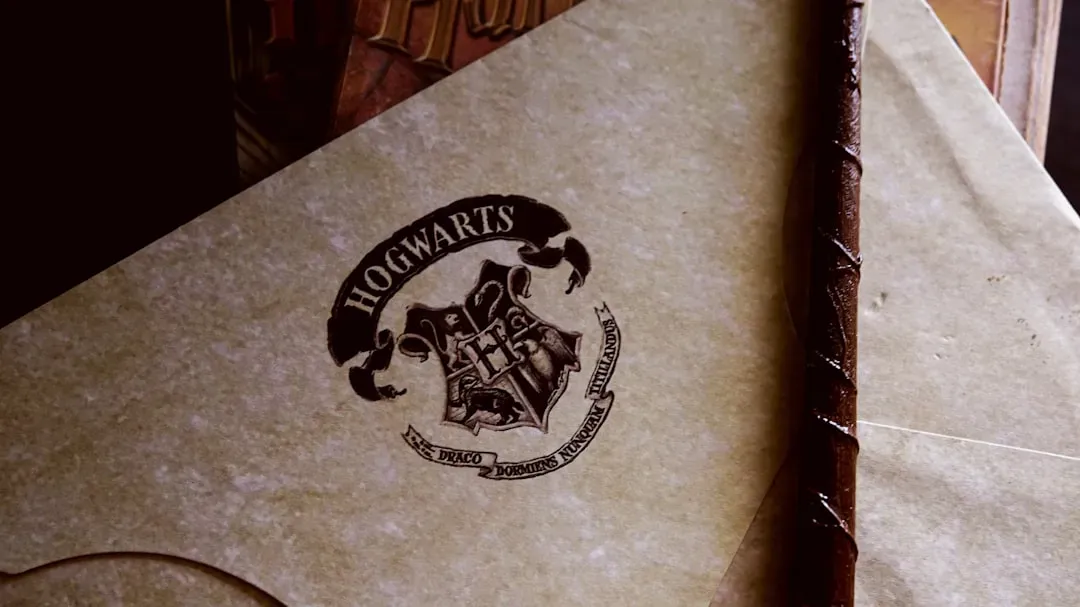
Let’s be real, J.K. Rowling’s seven-book series did something unprecedented starting in 1997. Kids who claimed they hated reading suddenly couldn’t put these books down. Adults read them too. Midnight release parties became cultural events. The phenomenon was unlike anything publishing had seen before.
Beyond the sales numbers and movie deals, the books actually got millions of kids reading for pleasure during an era when screens were taking over. Studies showed that children who read Harry Potter demonstrated increased empathy and more progressive attitudes toward marginalized groups. The stories tackled prejudice, authoritarianism, and choosing courage over comfort.
The series proved that children’s literature could be complex, dark, and sophisticated while still being accessible. It changed what publishers thought kids could handle. Now we have rich, layered middle-grade and young adult fiction that doesn’t talk down to readers, and that shift started with a boy wizard living under the stairs.
The Giving Tree Sparked Decades of Debate About Love and Sacrifice

Shel Silverstein’s 1964 picture book is deceptively simple. A tree loves a boy, and as he grows up, she gives him everything until she’s reduced to a stump. Is it a beautiful story about unconditional love or a troubling tale about exploitation and codependency? Honestly, people still argue about it.
That ambiguity is exactly why it matters. The book forces readers to grapple with uncomfortable questions about what we owe each other, what healthy love looks like, and when giving becomes self-destruction. Teachers and parents have used it to start conversations about boundaries and reciprocity for decades.
It influenced how we think about storytelling for children. Not every book needs a clear moral or tidy ending. Sometimes the best stories are the ones that leave you thinking, questioning, and forming your own conclusions about what’s right.
Green Eggs and Ham Made 50 Words Magical
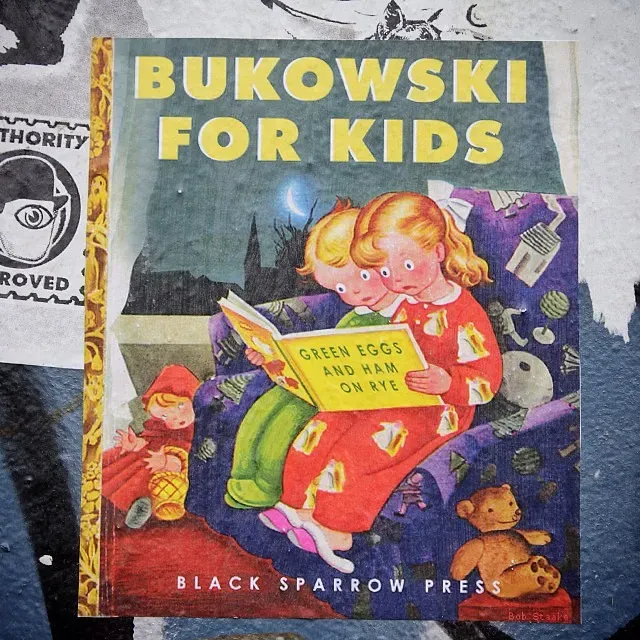
Dr. Seuss bet his editor he could write a book using only fifty words, and in 1960, he delivered this persistent tale. Sam-I-Am won’t give up trying to convince a grumpy character to try something new. The repetition could have been tedious, but instead, it became hypnotic and hilarious.
The genius was in proving that constraints breed creativity. With such a limited vocabulary, every word had to work overtime. Kids absorbed vocabulary and sentence structure without realizing they were learning. The book sold millions and became a go-to for early literacy programs worldwide.
It changed how educators approached reading instruction. The success showed that engagement and enjoyment drive learning better than complexity. Simple doesn’t mean simplistic, and fun doesn’t mean frivolous. That lesson transformed educational publishing and continues to influence how we teach reading today.
The Stories Shape Us Still
These books didn’t just entertain a generation and disappear. They fundamentally shifted how we think about childhood, literacy, and what stories can do. They proved that books for young people can tackle serious issues, spark social change, and create cultural moments that ripple across decades.
The best children’s books meet kids where they are while inviting them to grow. They validate feelings, challenge assumptions, and plant seeds that bloom years later. What’s remarkable is how many of these titles remain relevant today, still speaking to new generations facing different challenges but the same fundamental questions about identity, belonging, and how to be human in a complicated world.
Which books from your childhood stuck with you? Did any of these shape how you see things today? The power of a good story never really fades, and sometimes the smallest books leave the biggest marks on our hearts.
Partner offer
Planning a trip to Vegas?
Compare hotel rates and show tickets on VEGAS.com.