
Living in Las Vegas is one of the more unusual arrangements a person can make. The city that the world visits for escapism is also someone’s grocery run, school commute, and Monday morning alarm. For the roughly 2.4 million people who call the Las Vegas metro area home, the Strip is backdrop, not vacation. That tension between spectacle and ordinary life shapes nearly everything about how locals navigate their city. The neon doesn’t switch off just because you have work in the morning, and the casinos don’t close on weekdays. Learning where the line sits between recreation and risk is something Las Vegas residents deal with in ways most Americans never have to think about.
A City Built on Entertainment – But Locals Know the Difference

The Las Vegas metropolitan area has an estimated 2.4 million residents, making it the 29th-largest metropolitan area in the country. Most of them have a quiet, practical relationship with the city that looks nothing like what tourists experience. They shop at the same grocery stores, sit in the same traffic, and largely stay off the Strip on a Tuesday night.
Nevadans encounter gambling in a wide range of everyday settings, from large casino resorts to local casinos, neighborhood bars, and smaller venues such as grocery stores and gas stations equipped with gambling machines. Gambling opportunities are distributed throughout both tourist corridors and residential areas, making them a visible and routine part of the state’s commercial landscape.
That visibility is what makes Las Vegas different from other cities. There’s no real separation between the entertainment district and everyday life. It’s woven into the infrastructure in a way that requires residents to make conscious choices about how they engage with it, rather than simply avoiding it by geography.
The Economics of Living Next Door to a Casino Economy

Nevada casino revenue topped $15.6 billion in 2024. Nevada’s fourth straight record-breaking gaming revenue year wasn’t entirely due to the performance of the Strip’s resorts – credit goes to casinos in downtown Las Vegas, Reno, and Clark County’s unincorporated areas. That revenue powers much of the state’s public budget, from schools to roads.
Las Vegas’s 2026 cost of living runs roughly $2,598 per month for singles and $5,721 per month for families of four. Living costs are about five percent higher than the U.S. national average. The lack of state income tax can be a major financial advantage for residents. However, local costs still include relatively high sales taxes – 8.375% in Clark County – and moderate property taxes.
As of July 2025, Las Vegas’s unemployment rate was 6.0%, slightly above the Nevada rate of 5.4% and above the national rate of 4.2%. That gap matters because it means not every resident is riding high on the city’s tourism-driven prosperity. For workers in hospitality and service roles, the financial margin can be thin.
What the Data Says About How Visitors Gamble
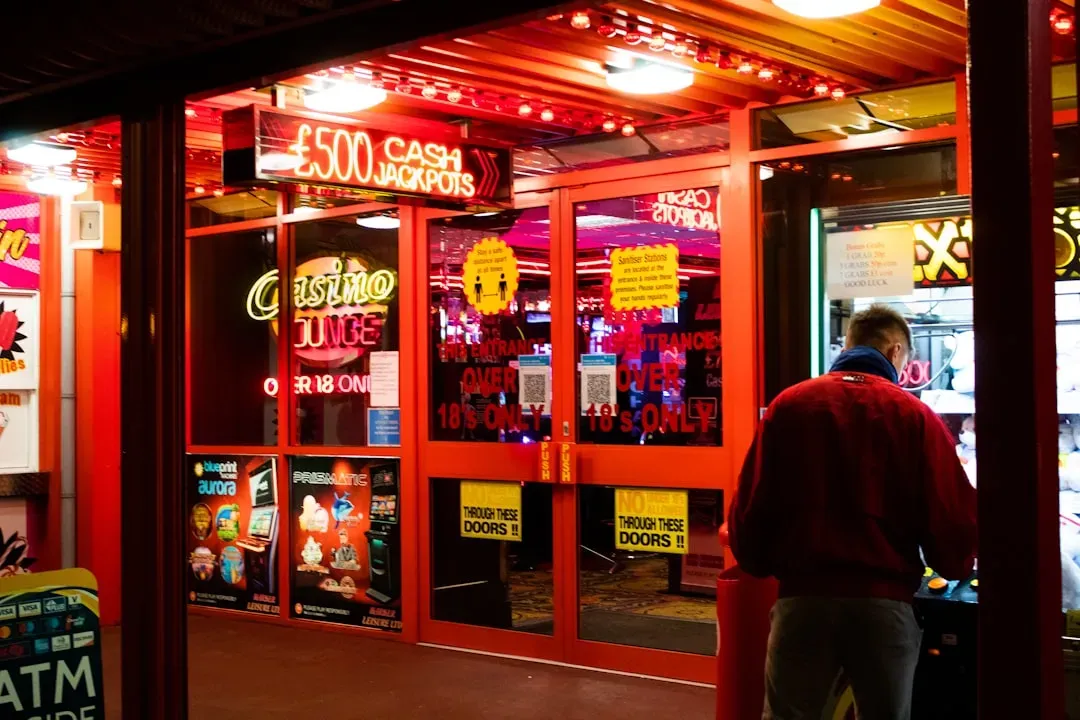
Approximately 81% of visitors gambled during their stay in 2025, and average gambling budgets reached $848.95 – both figures were the highest in the last five years. The average gambling budget increased by $28.80, or 3.5%, from 2024. The money flowing through casinos is not declining; it’s concentrating.
Average time spent gambling was 2.6 hours in 2025, compared to 3 hours in 2021. As a result, there are indications that players are wagering more money in a shorter amount of time at a smaller number of properties than in prior years.
Visitors with an annual income over $100,000 have reached 64 percent of the total, compared to just 28 percent in 2019. The Strip increasingly caters to a wealthier tourist bracket, while the locals market, closer to residential neighborhoods, keeps its own rhythms.
The Locals Market: A Different Kind of Gambling Scene
Nevadans who gambled in the past 12 months were asked where they gamble most often. The majority reported doing so in local casinos (roughly four in ten), followed by casino resorts such as those on the Las Vegas Strip or in Reno. A smaller number reported gambling most often in neighborhood slot parlors, convenience gambling locations such as gas stations or grocery stores, or neighborhood bars.
The combined Las Vegas locals market, which includes the remainder of Clark County, North Las Vegas, and the Boulder Strip in Henderson, totaled almost $3.2 billion in gaming revenue in 2024, up nearly 6% compared to 2023. That’s a meaningful number on its own, entirely separate from the Strip’s performance.
For many local residents, the neighborhood casino functions more like a bar than a resort. People stop in after dinner, know the staff by name, and leave when they’ve spent what they planned. That normalcy has its own risks, but it’s a quieter form of engagement than the tourist experience.
The Real Scope of Problem Gambling in Nevada

A UNLV Institute of Gaming study published in 2025 found that 15% of Nevada adults are defined as problem gamblers, meaning they’ve experienced harm from their gambling “many times” in the last year. The national average is 2%, according to the National Council on Problem Gambling. That gap is not a minor statistical footnote – it represents tens of thousands of real people.
In fiscal year 2024, Nevada Problem Gambling Services offered outpatient, residential treatment, and crisis intervention across five Problem Gambling Specialty Clinics statewide. Collectively, these clinics served 427 Nevada residents. Outpatient enrollments increased by 19% that fiscal year, while residential enrollments remained steady.
The typical treatment-seeking population consists of single white men, averaging 42 years of age, with lower educational attainment and household income than Nevada’s broader population. Most clients presented with severe gambling disorder as measured by DSM-5 criteria and were new to formal treatment.
Why the Risk Is Higher When You Live Here

It’s not a surprise that people in the only U.S. state that relies mostly on casinos for its economy would be more at risk of suffering from problem gambling. The surprise is how much more. Proximity alone changes the equation. When a casino is five minutes away, not just in a hotel you’re visiting, the barrier to entry drops considerably.
As Nevada’s gaming industry continues to grow, some academics and problem gamblers say the issue of compulsive gambling has reached a crisis stage. Because the gambling culture is so prevalent, particularly in Las Vegas, many don’t realize how casual conversations that occur within families can produce long-term impacts on impressionable children.
Summary findings from UNLV research reveal that nearly one in five Nevadans who have gambled in the past year have a high risk of developing problem gambling and gambling addiction. The visibility of gambling in everyday settings means exposure starts early and comes often.
The Financial Strain Behind the Neon

The primary drivers of Las Vegas’s cost of living are soaring housing costs, elevated transportation expenses, and rising food prices. The median house price in Las Vegas is currently around $445,000. For many service and hospitality workers, that number is increasingly out of reach without financial discipline.
The MIT Living Wage Calculator estimates that a single adult without children in Las Vegas needs to earn $24.10 per hour to cover basic needs like food, housing, and healthcare and remain above the poverty threshold. That number does not include savings contributions, travel costs, or debt repayments.
When money is tight and a slot machine is a short drive away, the temptation to chase a shortcut is real. Financial pressure and gambling access make for a difficult combination, and researchers studying Nevada’s gambling patterns have consistently flagged this dynamic as one of the state’s most pressing public health concerns.
How Residents Navigate the Balance Day to Day

Many Las Vegas locals describe a deliberate mental separation they maintain between the city’s entertainment infrastructure and their personal lives. They set budgets, choose off-Strip venues, and treat gambling as an occasional activity rather than a pastime. It’s a learned discipline, not an instinct.
Approximately half of clients enrolled in Nevada’s problem gambling treatment programs in fiscal year 2024 successfully met 75% of their treatment goals before exiting, reflecting the effectiveness of Nevada’s treatment system and its positive post-treatment outcomes. Recovery is possible and, by the data, reasonably common when people access proper support.
The Nevada Council on Problem Gambling is a nonprofit organization whose mission is to generate awareness, promote education, and advocate for quality treatment and support resources for problem gambling in Nevada. Their work, alongside state-funded clinics, gives residents concrete options when the balance tips the wrong way.
Sports, Entertainment, and the Expanding Definition of the City

Three professional franchises – the Golden Knights (NHL), the Raiders (NFL), and the Aces (WNBA) – have debuted in the last decade, and the Strip now hosts an annual Formula 1 Grand Prix race and other marquee events like the Super Bowl and March Madness. Las Vegas is evolving into something more than a gambling destination.
The Athletics (MLB) are building a new stadium in Las Vegas, with the intent to move to Sin City for the 2028 season. For residents, professional sports provide something important: community identity that doesn’t revolve around a casino floor. The Golden Knights, in particular, became a genuine rallying point for locals.
This expansion matters for balance. When a city’s identity widens beyond gambling to include sports seasons, live events, and cultural venues, it gives residents more non-gambling anchor points around which to build a social life. The city is slowly becoming more layered for the people who actually live there.
Where to Get Help – Resources for Nevada Residents

The State of Nevada offers free or low-cost services to any individual who is experiencing harm from gambling. To assess warning signs, residents can visit Project Worth, the state’s official platform to connect those experiencing harm from gambling to free or low-cost treatment.
Most Certified Problem Gambling Counselors in Nevada accept insurance and/or offer reduced fees based on qualifying income. Some problem gambling treatment programs in Nevada are supported by state funding, and although they may charge a small fee, no one can be turned away for inability to pay.
The 1-800-GAMBLER Helpline remains fully operational in Nevada, as well as 1-800-522-4700. Callers are connected to local resources and support services without interruption. When you call the Helpline, you’ll be greeted by a knowledgeable HelpLine Specialist. Your conversation is confidential, so you can speak freely about your own gambling or your concerns about someone else’s.
Knowing the Limit Is a Skill, Not a Given

There’s a version of Las Vegas life that works well – where the entertainment is accessible without being consuming, where the casinos are a background feature rather than a financial threat. Many residents live that version. They’ve figured out the rules, set their own guardrails, and use the city’s genuine advantages without being pulled under by its risks.
The data, though, makes clear that not everyone gets there easily. An analysis by the National Council on Problem Gambling found that on average, states with legal gambling met only 32 of its 82 recommended player protection standards. Nevada aligned with just 24 of those standards, placing it in the bottom tier of compliance. Structural protections still have room to grow.
Knowing the limit isn’t something Las Vegas teaches you automatically. It’s something residents have to figure out for themselves, ideally before the costs get serious. The city is extraordinary – that’s not in dispute. What takes work is making sure it stays extraordinary in the right way, not in the expensive, regretted kind. That knowledge, more than any jackpot, is what long-term Las Vegas living actually depends on.