
The race for the future of protein is heating up. On one side, lab-grown meat promises real meat without slaughtering animals. On the other, plant-based alternatives are already sitting on grocery shelves across the world. Both sectors claim they’ll transform our food system. So which one will actually win out by the end of this decade?
It’s hard to say for sure. The thing is, both industries face serious challenges, from sky-high production costs to skeptical consumers. Yet they’re both backed by billions in investment and bold promises of a more sustainable future. Let’s dive into what’s really happening behind the hype.
The Current Market Landscape Shows a Clear Leader

The global plant-based meat market was valued at approximately seven billion dollars in 2023 and is projected to reach nearly twenty-five billion by 2030, according to market research from Grand View Research. That’s substantial growth by any measure. Meanwhile, the cultivated meat market stood at around 247 million dollars in 2022 and is expected to hit roughly seven billion by 2030.
Do the math and it’s pretty clear. Plant-based meat already has a massive head start. The American retail plant-based food market alone was worth approximately eight billion in 2024, which dwarfs the entire global cultivated meat industry. The gap is enormous, honestly.
Regulatory Wins Are Pushing Lab-Grown Meat Forward
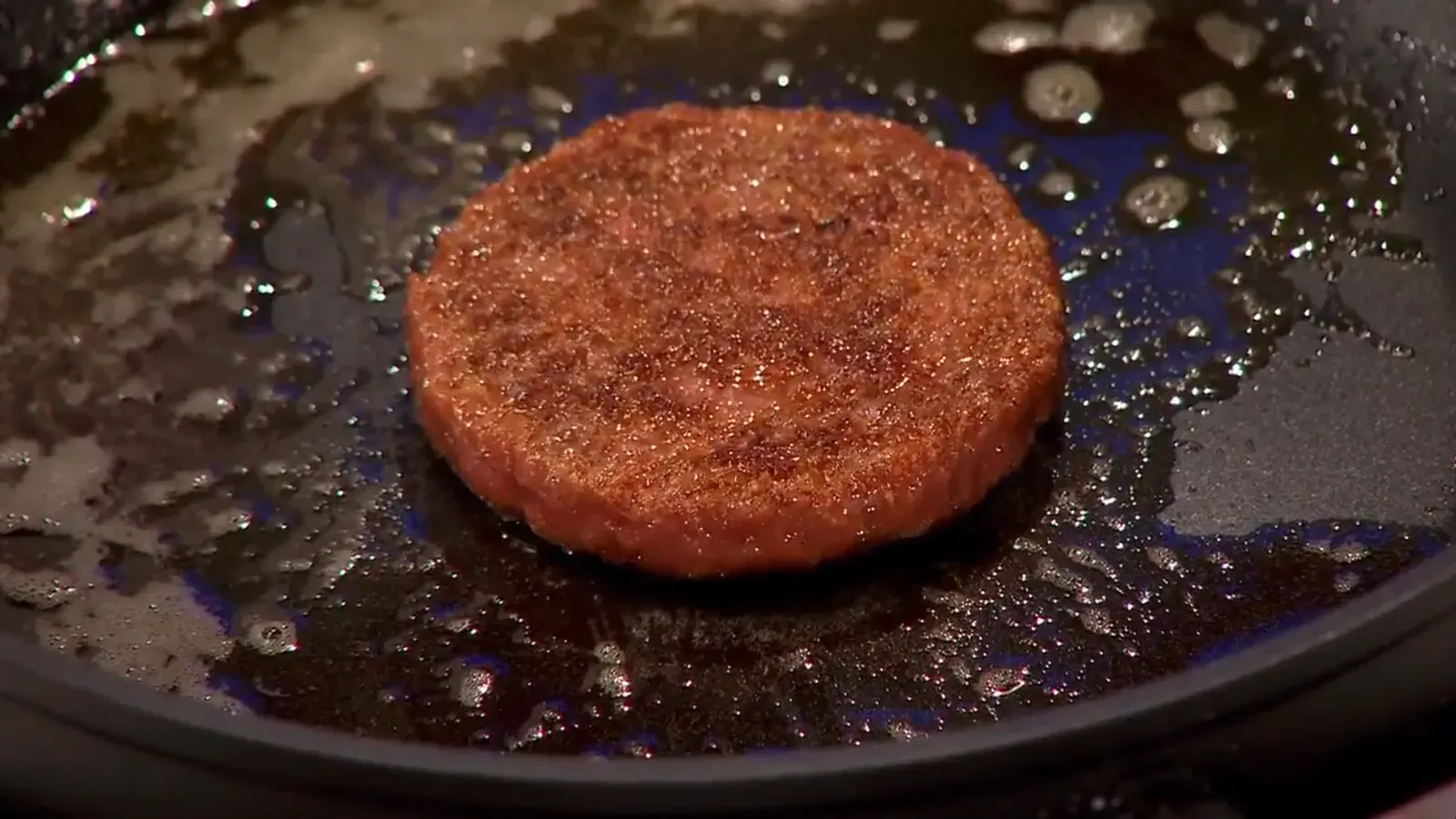
Here’s where things get interesting for lab-grown meat. In June 2023, the USDA issued the first grants of inspection to UPSIDE Foods and GOOD Meat to produce cell-cultivated chicken in the United States. This was a historic moment. Singapore had already approved sales back in 2020, but the American green light represented something bigger.
Israel became the third country to approve lab-grown meat sales after the U.S. and Singapore. The FDA approved UPSIDE Foods in November 2022, GOOD Meat in March 2023, and Mission Barns received approval for cultured pork fat cells in March 2025. Progress is happening, though slower than the industry hoped.
Still, regulatory approval doesn’t automatically translate to consumer acceptance or market dominance. The real battle is just beginning.
Production Costs Remain a Massive Obstacle for Cultivated Meat

Let’s be real about costs. Producers have slashed lab-grown meat production costs by approximately 99 percent to roughly seventeen dollars per pound since the early days. That sounds impressive until you compare it to traditional meat prices. Conventionally grown ground beef typically costs a little under five dollars per pound.
Recent research offers some hope. A study using empirical data found that a hypothetical 50,000-liter production facility could produce cultivated chicken at around six dollars and twenty cents per pound. Israeli startup SuperMeat reported achieving production costs of roughly twelve dollars per pound at a 25,000-liter scale, which is competitive with premium poultry products.
However, experts remain cautious. McKinsey suggests that if costs follow similar trajectories to human genome sequencing, cultivated meat could achieve cost parity with conventional meat by 2030, though it could take about a decade for consumers to start paying less.
Plant-Based Meat Is Struggling Despite Its Market Lead

Here’s a twist. Despite its commanding market position, plant-based meat is facing headwinds. Sales of plant-based meat and seafood dropped approximately 7 percent to 1.2 billion dollars in 2024, while overall plant-based food sales at U.S. retail fell roughly 4 percent to 8.1 billion, according to data from the Good Food Institute.
Price is a major issue. Average prices of plant-based products often far exceed those of conventional counterparts, with plant-based meat and dairy regularly costing two to four times more pound for pound compared to conventional options. That premium is tough to justify for many shoppers, especially during times of economic uncertainty.
Investment has also dried up considerably, with cultivated meat companies pulling in over 1.6 billion dollars in venture funding in 2021 and 2022, but only around twenty million by mid-2024. The funding winter has hit both sectors hard.
Consumer Acceptance Remains the Ultimate Test

Technology and costs matter, but ultimately consumers decide what succeeds. A 2022 study found that roughly 35 percent of meat-eaters and 55 percent of vegetarians were too disgusted by the idea of cultivated meat to even try it. That’s a significant barrier to overcome.
Plant-based meat has better familiarity going for it. Penetration of plant-based meat and seafood remains around 13 percent in the U.S., though encouragingly, about 63 percent of buyers return for repeat purchases, and nearly all Americans who buy these alternatives also purchase conventional meat. Flexitarians, not vegans, are driving the market.
Taste remains critical. People want products that truly replicate the experience of eating meat. Both industries are working furiously on this, but neither has completely nailed it yet for all product categories.
Scale and Infrastructure Challenges Favor Plant-Based for Now
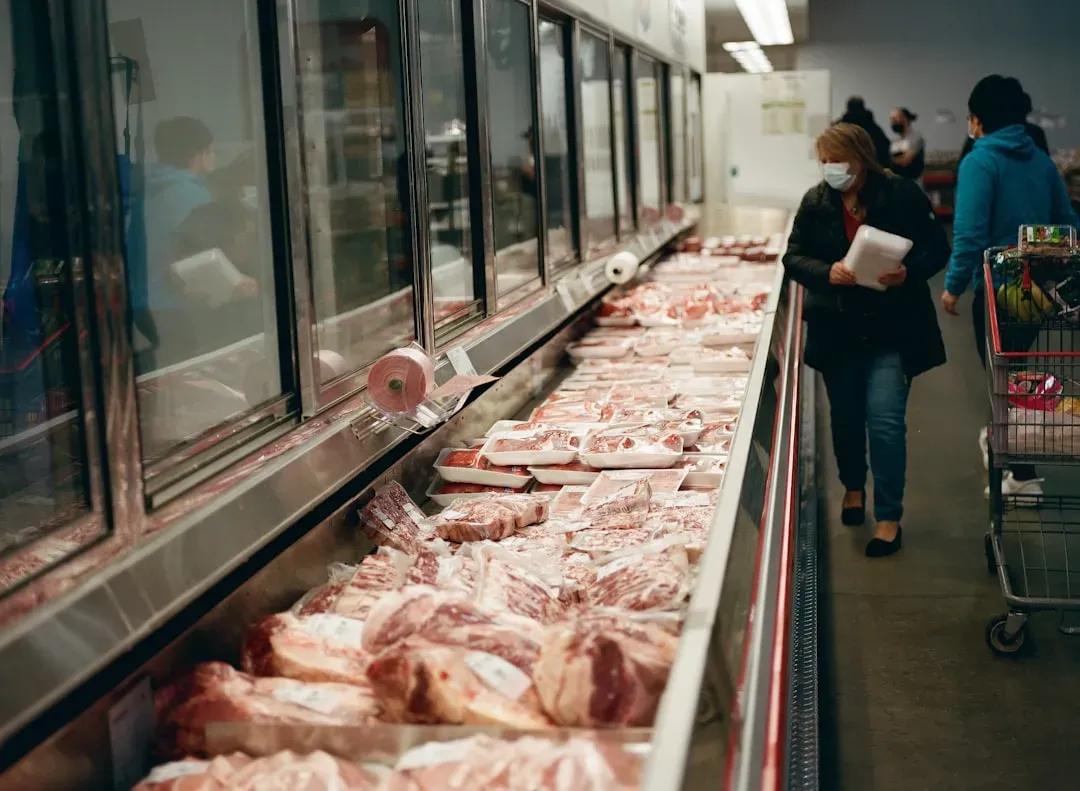
The infrastructure gap is staggering. Reaching a twenty-five billion dollar cultivated meat market by 2030 requires annual production of 1.5 million tonnes, which would need anywhere from 220 million to 440 million liters of fermentation capacity, but current pharma industry cell-culture capacity is estimated at only 10 million to 20 million liters.
That’s a massive build-out required. The industry is talking about eventually producing around 30 million pounds of finished product annually, but more than 100 billion pounds of traditional meat is produced annually today. The scale difference is mind-boggling.
Plant-based meat doesn’t face these same manufacturing constraints. The production methods are more established and easier to scale up. That practical advantage shouldn’t be underestimated.
The Verdict: A Split Future Rather Than One Winner
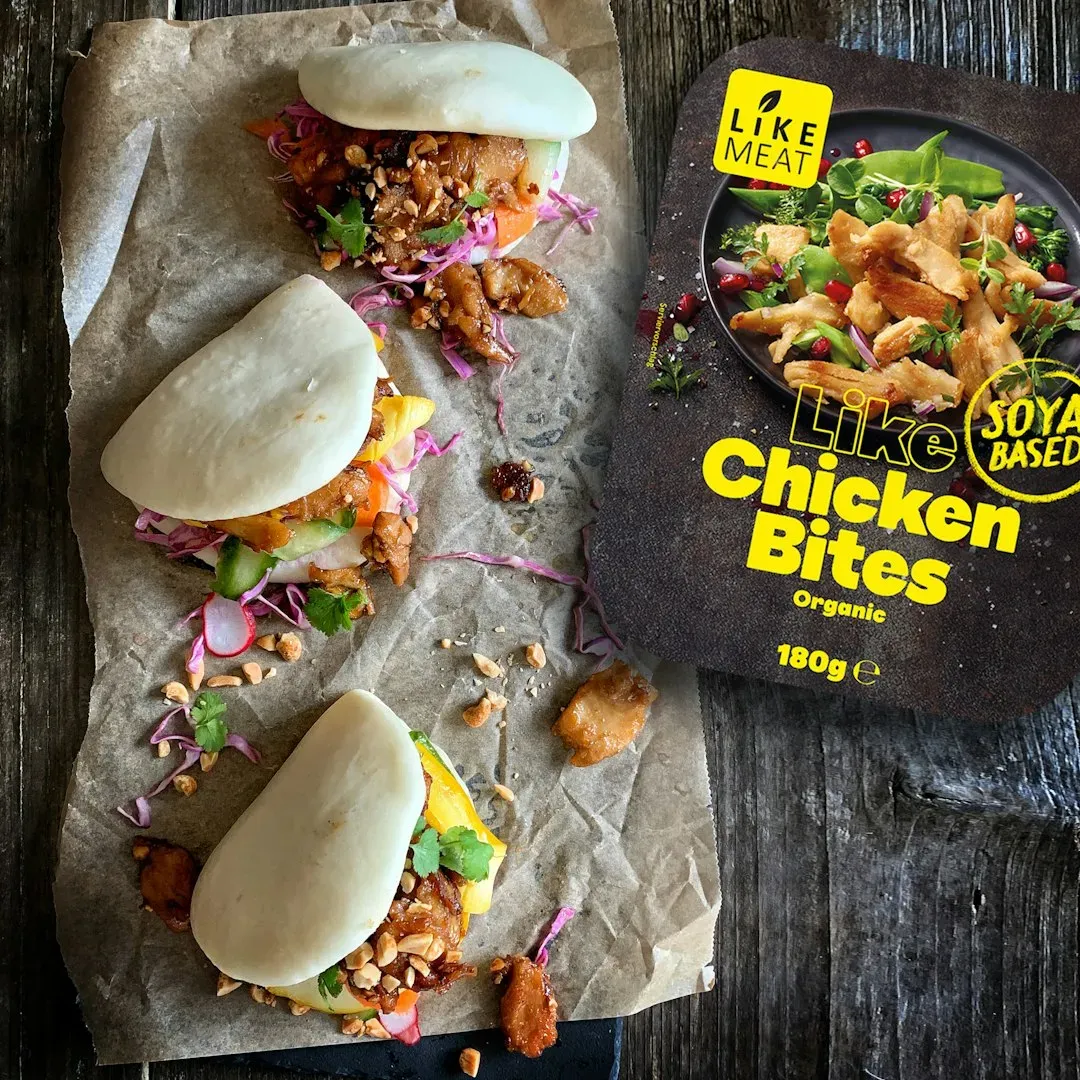
So Honestly, the data suggests neither will truly dominate, though plant-based meat has the clearer advantage. The global plant-based meat market is projected to reach nearly twenty-five billion by 2030, while the cultivated meat industry could reach a market value of twenty-five billion dollars by 2030 according to some optimistic projections.
Even if both sectors hit these targets, they’d still represent a tiny fraction of the global meat market. The reality is that traditional animal agriculture isn’t going anywhere fast. What we’re more likely to see is diversification, with plant-based meat capturing health-conscious flexitarians, cultivated meat appealing to a niche premium market, and conventional meat maintaining the bulk of consumption.
Funding has slowed in 2024 and 2025 due to concerns over cost-efficiency, regulatory roadblocks, and consumer skepticism. That’s a warning sign for both industries. The road to 2030 won’t be smooth.
Perhaps the real story isn’t about one technology beating the other. It’s about whether either can make meaningful inroads against the entrenched conventional meat industry. That remains very much an open question. What do you think will end up on your plate in 2030?