Small Classes Fuel Personalized Growth (Image Credits: 8newsnow.com)
Las Vegas – New Horizons Academy continues to evolve its curriculum to equip students facing learning challenges with practical tools for independence.
Small Classes Fuel Personalized Growth
Traditional education often falls short for students with autism, ADHD, or dyslexia. New Horizons Academy addressed this by maintaining exceptionally small class sizes. Lower school classes capped at eight students with a 4:1 student-to-teacher ratio, including a full-time assistant. Upper school groups shrank further, such as two students in pre-calculus.[1]
The school employed neuroplastic programs to rewire learning pathways without medication. A reading initiative delivered proficiency through just 15 hours of computer games. Neuro-auditory training targeted hearing as the primary sensory gateway, influencing 80 to 90 percent of experiences. Principal Kirsten Lopez pointed to these methods as key to bridging gaps in conventional schooling.[1]
Partnerships Bridge the Post-High School Divide
High school graduation marked a precarious transition for many young adults with disabilities. Lopez identified a critical service void between ages 18 and 22. To counter this, the academy forged a partnership with Autism Cares, a nonprofit linking graduates to community resources. An open house with the organization scheduled for next month aimed to align student goals with parental input.[1]
These collaborations extended support into job placement and higher education. Some alumni entered the University of Nevada, Las Vegas focus program. Others secured employment immediately through Employ NV connections. The initiative ensured a continuum of guidance well past graduation.[1]
Hands-On Training Builds Daily Independence
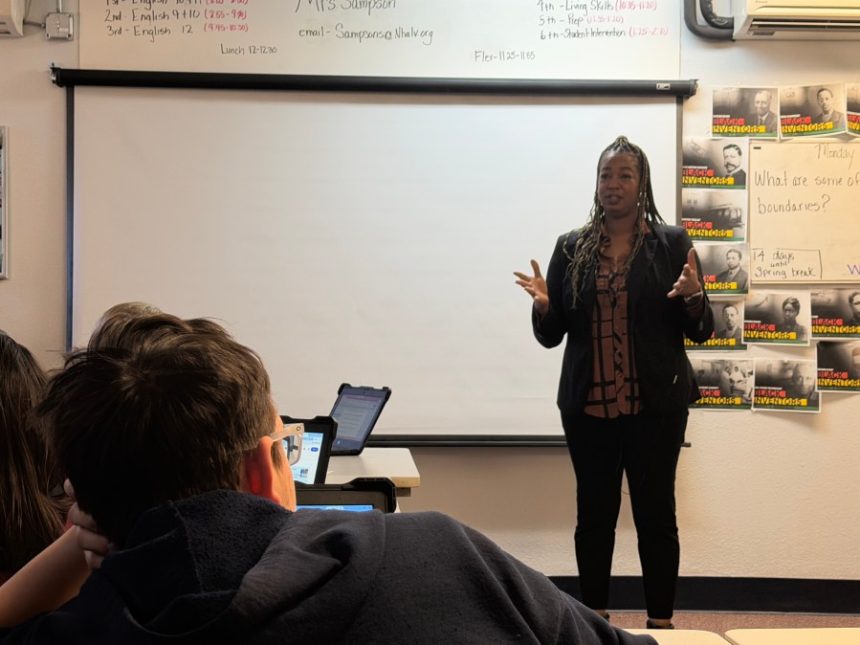
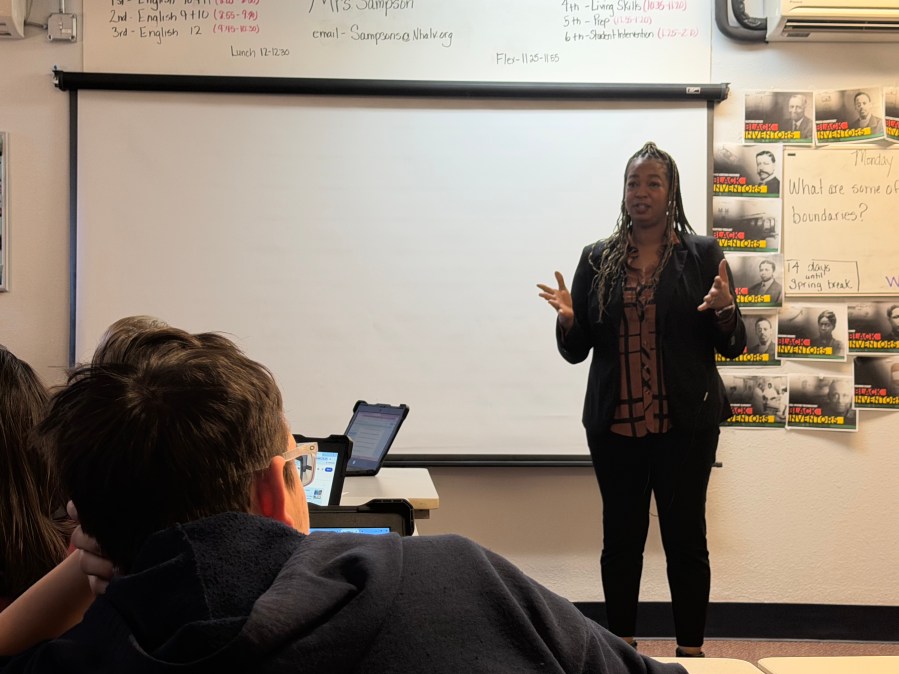
English teacher Shamai Sampson wove real-world lessons into lessons on boundaries, budgets, and daily hurdles. Advanced life skills students served lunch daily and managed a snack shack with healthy options. These activities fostered responsibility and entrepreneurship.[2][1]
The curriculum emphasized practical competencies through individualized plans. Students practiced job interviewing, cooking, and self-advocacy. A solutions-based mindset investigated root causes of challenges for efficient progress. Sampson captured the reward: “I can not describe how it feels when the students come back or when they send a message or see them out thriving.”[1]
- Budgeting and financial planning
- Social skills and boundary-setting
- Job shadowing and interview preparation
- Cooking and household management
- Safety awareness and self-advocacy
- Transition to college or employment
Gearing Up for Lasting Impact
New Horizons Academy scheduled an information session for Saturday, February 28, at 10 a.m. The event at 6701 W. Charleston Blvd. welcomed prospective families to explore offerings. Contact details included 702-876-1181 or info@nhalv.org. Since its founding in 1974, the school maintained accreditation and a judgment-free environment for K-12 learners.[3][1]
Key Takeaways
- Neuroplastic tools accelerate reading and auditory skills without drugs.
- Autism Cares partnership smooths the path from school to adulthood.
- Daily tasks like lunch service instill real-world confidence.
This expansion at New Horizons Academy signals a broader shift toward holistic education. Students emerged not just knowledgeable, but capable. What steps should more schools take to prepare neurodiverse youth for independence? Share your thoughts in the comments.