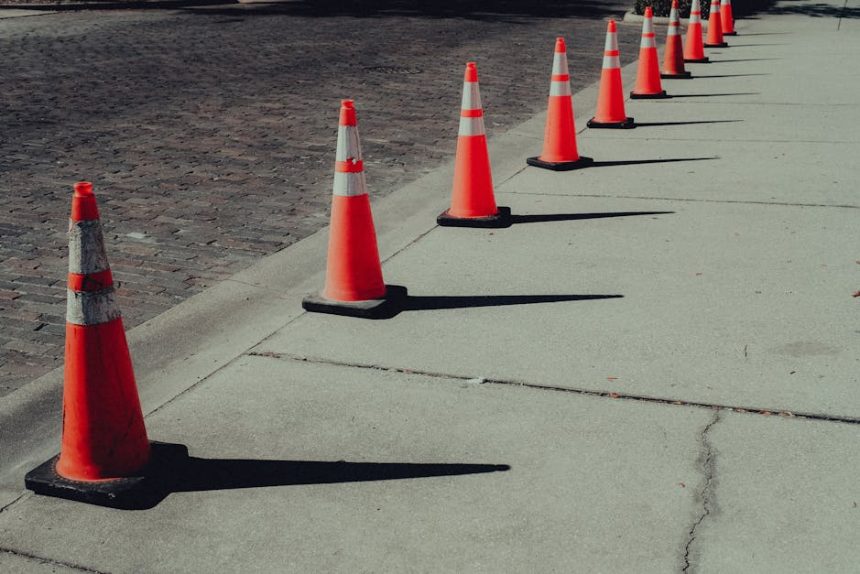
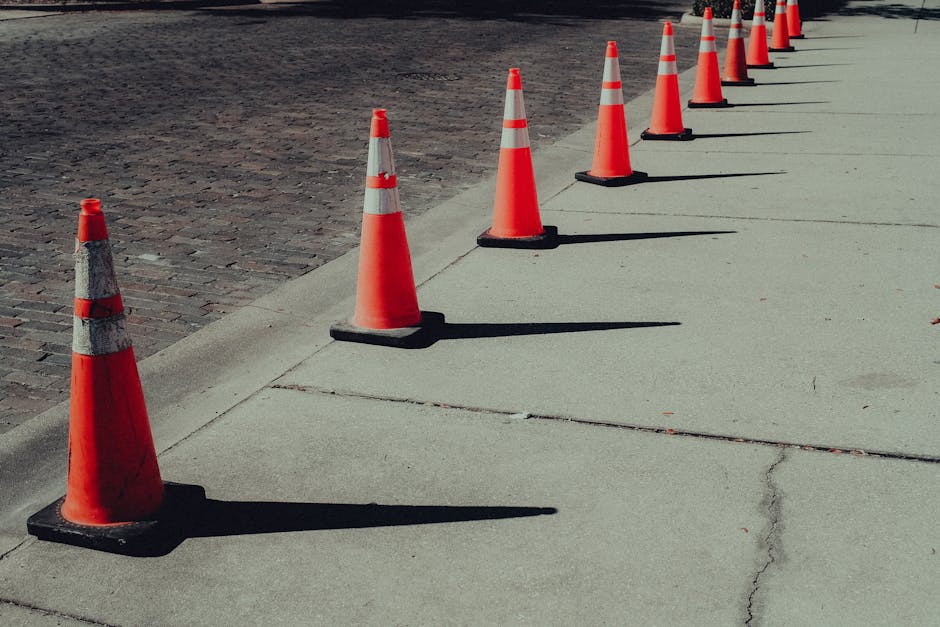
Drivers Slalom Through Years of Disruptions (Image Credits: Pexels)
Las Vegas – Drivers navigating Charleston Boulevard encounter a familiar sight: endless rows of orange traffic cones stretching across multiple lanes. This major east-west artery, connecting neighborhoods from Sunrise Manor to Summerlin, has frustrated residents for over a decade with near-constant construction. A recent letter to the editor captured the exasperation, highlighting how fresh pavement quickly gives way to new disruptions.[1]
Drivers Slalom Through Years of Disruptions
One longtime resident described her weekly trips along the boulevard as a slalom course between cones. Eva Pedersen, who retired to Las Vegas 14 years ago, noted that no journey from the base of Frenchman Mountain to Red Rock Canyon escaped the obstacles. She labeled the traffic cone the city’s “beloved state flower” in a pointed complaint published last week.[1]
Pedersen turned to artificial intelligence for answers, prompting a summary of overlapping efforts. The response outlined storm drain upgrades, road reconstruction, signal improvements, and intersection redesigns managed by separate entities. These projects created a patchwork of timelines, leaving little respite for commuters.
Storm Drains and Roadwork Dominate the Agenda
The Charleston Storm Drain Construction Project stands out as a primary culprit. This multimillion-dollar initiative addresses flooding risks with new infrastructure from Commerce Street to Maryland Parkway and beyond. Crews handle utility relocations, dewatering, and drain installations, often reducing lanes to one in each direction near downtown.[2][3]
At key intersections like Decatur Boulevard, work began in early 2025 as part of a 20-month phase. Improvements include sidewalks, curbs, pedestrian signals, and irrigation systems. Similar efforts extend to Hualapai Way and Sky Vista, where neighbors report persistent backups and hazards.[3]
- Storm drain upgrades to combat flooding in vulnerable areas.
- Road reconstruction for smoother pavement and better drainage.
- Signal and intersection redesigns for improved flow.
- Sewer line repairs alongside surface enhancements.
- Pedestrian safety features like flashers and signage.
Safety Risks Escalate at Critical Crossings
Construction has intensified dangers at already problematic spots. Metro Police ranked Charleston and Decatur as Las Vegas’ most hazardous intersection, citing erratic driving, red-light running, and speeding amid lane reductions. The area saw heightened enforcement after 140 fatal crashes citywide in 2025.[2]
Pedestrians face exposed crossings with malfunctioning signals, while drivers battle impatience in narrowed corridors. Large trucks and cones compound confusion, leading to near-misses and minor collisions. Authorities deployed additional patrols through a new traffic task force to curb violations.[3]
Business owners along the route reported fallout. One deli reduced hours due to constant hazards, underscoring how work disrupts daily life in food and medical deserts like Sunrise Manor.
Multi-Agency Coordination Prolongs the Pain
Different overseers explain the prolonged timeline. The City of Las Vegas leads storm drain phases, while Clark County and the Nevada Department of Transportation handle segments involving signals and highways. This division results in staggered starts and finishes, with paving often following drains.[1]
| Segment | Key Work | Estimated Completion |
|---|---|---|
| Decatur Intersection | Storm drains, lanes, sidewalks | Fall 2026 |
| Commerce to Maryland | Flood control, utilities | Late 2026 |
| Full Boulevard | Multiple upgrades | Fall 2027 |
City updates promise grading and paving in early 2026 for some corridors, but delays persist. Residents await unified progress to restore normalcy.
Key Takeaways
- Projects span storm drains, roads, and signals across agencies.
- Completion varies: fall 2026 for key spots, 2027 overall.
- Safety patrols address rising risks at busy intersections.
Charleston Boulevard’s overhaul promises safer, flood-resistant travel once complete, but the cone-dotted journey tests patience. Relief inches closer, yet coordination remains key to avoiding further setbacks. What experiences have you had dodging cones on this route? Share in the comments.