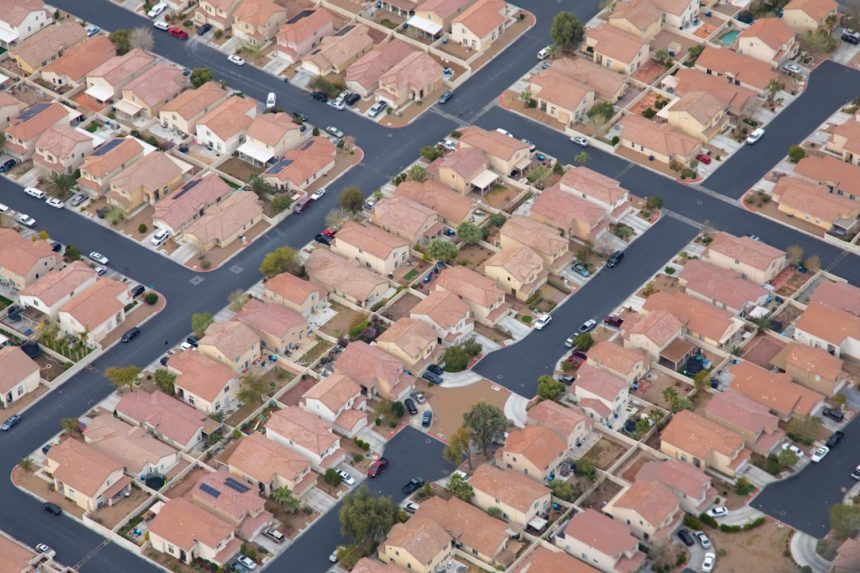
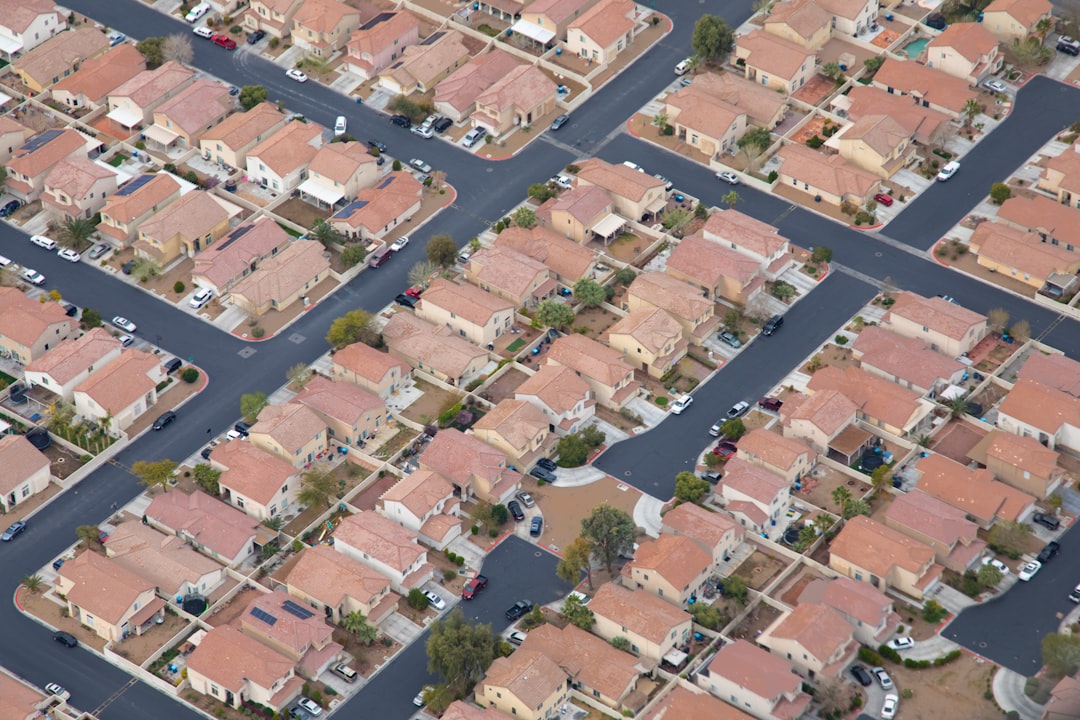
Understanding the Rise of Accidental Landlords (Image Credits: Unsplash)
Las Vegas – A recent Zillow report places the city among the top ten markets for “accidental landlords,” where homeowners pivot unsold homes into rental properties amid shifting real estate dynamics.[1][2]
Understanding the Rise of Accidental Landlords
Homeowners become accidental landlords when they list a property for sale, fail to attract a buyer after a period on the market, and then relist it as a rental. Zillow identifies these cases as homes posted for sale on its platform for at least two weeks, delisted without selling, and offered for rent within three months.[2] This trend reflects strategic choices rather than desperation, as many owners hold low-rate mortgages from prior years and prefer renting over price reductions.
The national share of such rentals reached 2.3 percent in late 2025, nearing a record high from 2022.[3] Single-family homes lead this shift, comprising the largest portion of these listings. In markets like Las Vegas, local factors such as tourism fluctuations and buyer hesitation amplify the pattern.
Las Vegas Factors Fueling the Phenomenon
The city’s volatile housing scene, marked by booms and corrections, contributes to higher rates of unsold listings turning rental. High inventory from past investor activity and slower sales in a cooling market push owners toward renting.[4] Nevada’s entertainment economy draws buyers seeking lifestyle properties, but elevated mortgage rates deter commitments, leaving sellers in limbo.
Historical context underscores this vulnerability. During peaks like 2006, tens of thousands of Las Vegas homeowners shifted to rentals overnight as values plummeted.[4] Today’s environment echoes that adaptability, with Zillow data confirming the metro’s elevated position among peers.
Impacts on the Rental and Sales Markets
For renters, more accidental landlord properties expand options, particularly single-family homes that command premium rents in desirable neighborhoods. This influx could ease pressure on traditional apartments, though competition remains fierce in high-demand areas.
Sellers face prolonged days on market and more price negotiations, prompting the rental alternative. Yet, this strategy offers a buffer, allowing owners to generate income while awaiting better selling conditions. Zillow economists note bargaining power has tilted toward buyers, extending listing times nationwide.[3]
- Increased rental supply from unsold homes.
- Longer time to sell in buyer-favored metros.
- Preference for renting over discounting prices.
- Low distress sales, signaling owner financial strength.
- Seasonal peaks in late fall for such conversions.
Broader Implications for Las Vegas Homeowners
Prospective sellers in Las Vegas must weigh renting viability against holding costs like maintenance and taxes. Platforms simplify management for novices, but unexpected responsibilities test resolve.
The trend signals a rebalancing market, where flat home values in many metros encourage patience. As rates stabilize, some may relist for sale, but persistent high shares indicate ongoing adaptation.
| Property Type | Share of Accidental Rentals |
|---|---|
| Single-Family Homes | 3.4% |
| Townhomes | 2.2% |
| Condos | 1.1% |
Data reflects national averages; local variations apply.[2]
Key Takeaways
- Las Vegas ranks in Zillow’s top ten for accidental landlords, highlighting market challenges.
- Owners rent to avoid losses, benefiting renters with more choices.
- Trend nears record levels, driven by buyer leverage rather than distress.
Accidental landlording underscores resilience in Las Vegas real estate, turning potential setbacks into opportunities. What do you think about this shift in the housing market? Tell us in the comments.