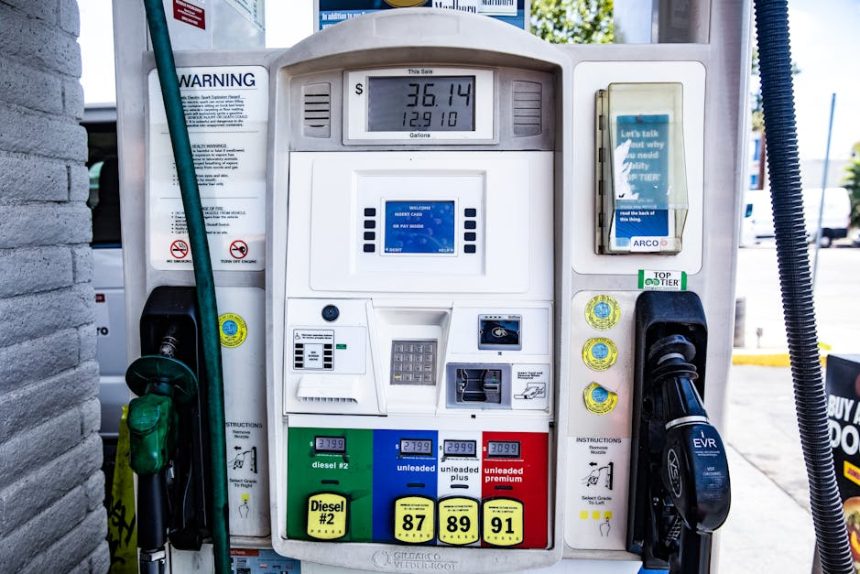
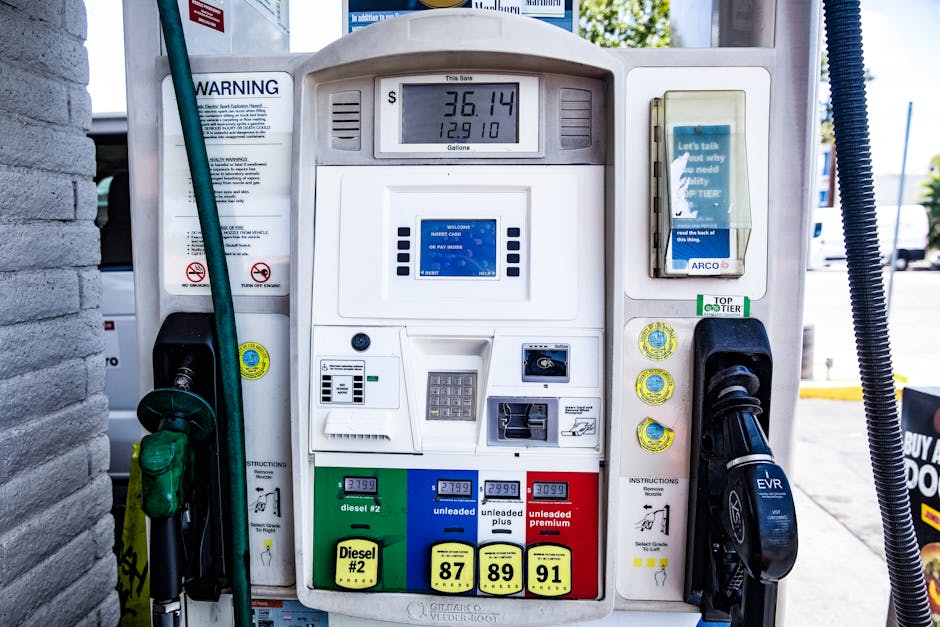

Prices Surge Past $4 Mark Sparks Outrage (Image Credits: Pexels)
Las Vegas – Skyrocketing gasoline prices have intensified calls from local drivers to impose caps on fuel taxes, as families grapple with steeper costs at the pump.
Prices Surge Past $4 Mark Sparks Outrage
Gasoline prices across the Las Vegas Valley surpassed $4 per gallon last week, marking a sharp increase driven by escalating tensions in the Middle East.[1][2] The jump followed a broader statewide rise of 82 cents per gallon since the onset of the Iran conflict, with costs climbing 14 percent overall.[3][4]
This rapid escalation has strained household budgets in a region where long commutes and tourism-dependent travel amplify the impact. Drivers reported adjusting routines, from carpooling more to delaying nonessential trips. The pain point extends beyond base crude oil fluctuations, as layered state and local levies compound the burden during volatile periods.
Nevada’s Fuel Tax Structure Under Scrutiny
Nevada imposes both state motor vehicle fuel taxes and additional county-level charges in Clark County, home to Las Vegas. The state’s Fuel Revenue Indexing program ties local taxes to inflation rates, a mechanism designed to fund roadway maintenance without frequent legislative action.[5] This indexing, renewed for a decade in late 2025, secures funding for over 700 infrastructure projects but draws criticism for automatically hiking collections as pump prices rise.[6]
Critics argue the system lacks safeguards during supply shocks, effectively raising taxes when consumers can least afford it. Public opposition surfaced prominently during 2025 debates over Assembly Bill 530, which allowed commissioners to extend indexing without voter approval, prompting widespread “No New Fuel Taxes” signage at stations.[7]
California’s Influence Adds Pressure
Nevada’s heavy reliance on California refineries – supplying the bulk of its fuel – exposes Las Vegas prices to policies across the border. Governor Joe Lombardo recently urged California officials to reconsider climate regulations, warning they threaten supply stability and could further inflate costs.[4] Proposed changes to California’s cap-and-trade program have sparked similar concerns from lawmakers on both sides of the state line.
These external factors have reignited local advocacy for tax relief measures, including temporary suspensions or hard caps to decouple levies from market swings. While a gas tax holiday gained traction elsewhere, Nevada voices echo the sentiment for immediate consumer protections.[8]
Balancing Roads and Wallets
Proponents of indexing highlight its role in averting budget shortfalls for essential repairs, with Clark County commissioners approving extensions to sustain projects through 2036.[9] Yet opponents, including drivers voicing frustration in public forums, contend uncapped adjustments erode public trust and exacerbate economic hardship.
Key factors fueling the current debate include:
- Geopolitical events driving crude oil volatility.
- Inflation-linked tax hikes amid rising base prices.
- Interstate supply dependencies amplifying regional effects.
- Past ballot measures requiring voter input for extensions beyond 2026.
- Growing ads and letters decrying “sneaky” tax increases.
Commissioners once explored tax caps to bolster support for funding ballots, signaling potential compromise paths forward.[10]
Key Takeaways
- Gas prices in Las Vegas exceed $4 per gallon due to Middle East conflicts and supply issues.
- Clark County’s Fuel Revenue Indexing faces backlash for automatic increases during surges.
- Governor Lombardo seeks California policy adjustments to stabilize Nevada fuel costs.
As pump pain persists, the push for gas tax caps underscores a core tension: sustaining infrastructure without overburdening drivers. Lawmakers and locals must weigh long-term road needs against immediate relief. What steps would you take to address rising fuel costs? Share your thoughts in the comments.