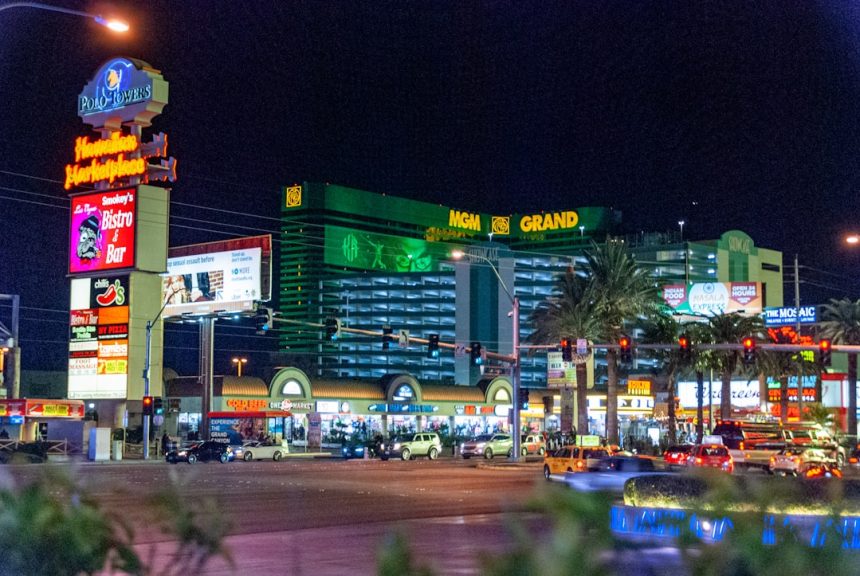
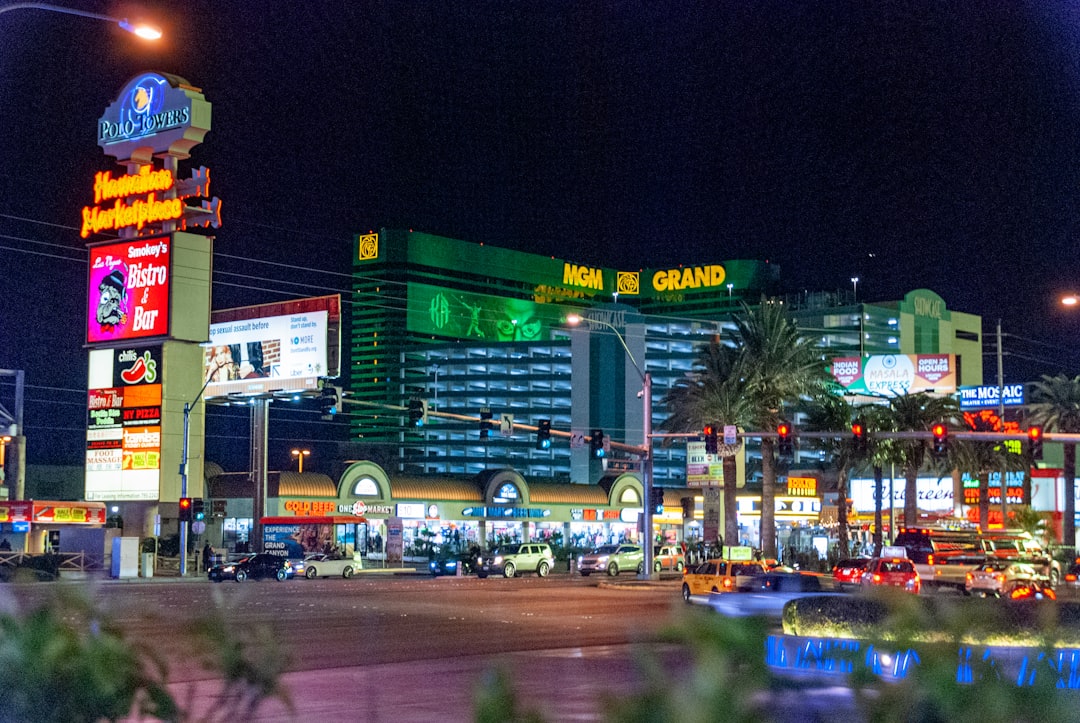
Past Crises Exposed Deep Vulnerabilities (Image Credits: Unsplash)
Las Vegas Valley – Local leaders and economists acknowledge progress in building economic buffers since past crises, even as heavy reliance on tourism leaves the region susceptible to broader U.S. slowdowns.
Past Crises Exposed Deep Vulnerabilities
The valley suffered outsized blows during the 2008 Great Recession and the COVID-19 pandemic, underscoring its dependence on leisure and hospitality.[1]
Nevada’s unemployment peaked at 13.4 percent after the housing crash, far above the national 10 percent high. The pandemic pushed state joblessness to 30.5 percent, compared to 14.8 percent nationwide. Tourism crumbled as travelers slashed discretionary spending on trips.
“Past few economic downturns Vegas was hit harder than the national average because a bigger proportion of our economy was dependent on tourism,” said UNLV’s Daniel Chi.[1]
Diversification Efforts Yield Incremental Wins
Officials have pursued new sectors to lessen tourism’s grip, which claims 23 percent of Nevada jobs versus 11 percent nationally.[1]
Projects like Tesla’s Gigafactory and data centers mark steps toward technology and manufacturing. Casino and hotel employment, however, lingers 29 percent below its 2006 peak of 215,000 workers.
- Tourism and gaming dominate employment.
- Federal ownership covers 85 percent of Nevada land, curbing development.
- Only 28.7 percent of Clark County adults hold bachelor’s degrees, below the 36.2 percent U.S. average.
2025 Slump Revives Concerns
The past year brought fresh trials, with real estate sales hitting the lowest mark since 2007 and tourism numbers falling sharply.[1][2]
Visitors dropped nearly 8 percent amid waning consumer confidence and weaker international arrivals. The housing market shifted to buyers, reflecting broader economic jitters. Unemployment climbed as hospitality felt the pinch.
Analysts like Redfin’s Daryl Fairweather highlighted the pattern: “Las Vegas has always been a market that booms and busts,” tied to vacation spending.[1]
Structural Hurdles Slow Broader Growth
Experts point to entrenched issues blocking full diversification. Vast federal lands limit expansion for homes, offices, and factories. Skill gaps hinder bids for high-wage tech roles.
| Factor | Nevada | National |
|---|---|---|
| Leisure/Hospitality Jobs (% of total) | 23% | 11% |
| Bachelor’s Degree or Higher (25+) | 28.7% | 36.2% |
Political divides stall action. Lawmakers from both parties tout diversification yet clash over taxes, incentives, and business courts.[1]
Outlook Balances Caution and Opportunity
Economists foresee stabilization ahead, though tourism faces headwinds into 2026 without major shocks.[3][4]
Policymakers urge focus on industries over isolated firms, boosting incorporations to rival Delaware’s haul. True resilience demands bridging divides for sustained change.
Key Takeaways
- Progress in tech and manufacturing tempers risks but falls short of transformation.
- Tourism’s outsized role amplifies national downturn effects.
- Land, skills, and politics pose steep barriers to diversification.
Las Vegas stands stronger today, yet vigilance remains essential against the next storm. What steps should leaders prioritize next? Share your thoughts in the comments.