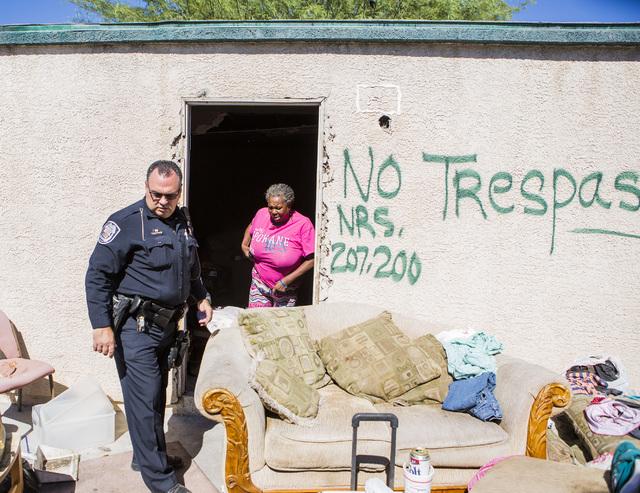
Las Vegas Neighborhood Confronts Persistent Squatter Occupation,Raising Safety and Property Concerns
Community Alarm Grows Over Long-Term Unauthorized Occupancy
A residential property in Las Vegas has been occupied by squatters for over a year,sparking widespread unease among local residents and officials. Despite repeated complaints and police interventions, the unauthorized presence continues, fueling fears about neighborhood security and the overall quality of life. Incidents reported by neighbors include property defacement,suspicious behavior,and trespassing,which have collectively eroded the sense of safety in the area. In response, community members have organized neighborhood watch groups and are pressing city leaders to expedite eviction procedures and enhance surveillance of vacant homes.
This situation exemplifies a growing urban challenge, as cities nationwide grapple with the complexities of squatting. Authorities are considering a blend of legislative updates and community-driven initiatives to curb prolonged illegal occupancy. Key issues highlighted by residents and officials include:
- Spike in criminal activity: Increased police reports related to loitering and property damage.
- Property value depreciation: Homeowners express worries about declining neighborhood appeal.
- Slow eviction processes: Legal frameworks currently delay timely removal of squatters.
- Community action: Formation of local watch groups collaborating with law enforcement to deter unlawful activities.
| Issue | Incidents Reported (Last 12 Months) | Community Measures |
|---|---|---|
| Vandalism | 28 | Enhanced neighborhood patrols |
| Loitering | 50 | Joint efforts with local police |
| Unauthorized Entry | 15 | Installation of reinforced fencing |
Complex Legal Barriers Delay Squatter Evictions in Clark County
Property owners face significant legal obstacles when attempting to reclaim homes occupied by squatters. Nevada’s local and state laws provide protections that can inadvertently prolong unauthorized stays, requiring owners to navigate protracted court battles and compile extensive proof of ownership. Additionally, squatters may invoke adverse possession statutes, which under certain conditions allow them to claim legal ownership after continuous occupation for a specified duration.
The table below outlines common legal challenges encountered by homeowners in Clark County during eviction efforts:
| Legal Hurdle | Effect on Homeowners | Typical Timeframe |
|---|---|---|
| Verification of Ownership | Requires comprehensive documentation and law enforcement reports | 2-5 weeks |
| Issuance of Eviction Notice | Mandatory waiting period before legal action | 30-60 days |
| Court Hearings | Judicial review to authorize eviction | 1-4 months |
| Appeal Procedures | Potential delays if squatters contest rulings | Varies widely |
Advocates for reform argue that streamlining these legal processes is essential to reduce the burden on property owners and improve community safety. Simultaneously occurring, homeowners continue to endure financial strain and security risks as squatters remain in their properties for extended periods.
Calls for Enhanced Enforcement and Support Systems for Affected Residents
City officials and neighborhood representatives are demanding stronger enforcement measures against illegal occupancy,alongside expanded assistance for displaced individuals. The prolonged squatting episode has revealed enforcement gaps, prompting calls for:
- Accelerated eviction timelines
- Improved collaboration between police and housing authorities
- Increased legal and financial aid for homeowners impacted by squatting
- Community education and prevention programs to reduce future incidents
Beyond individual homeowners, the wider community suffers from falling property values and growing unease.The following table presents squatting statistics and support services across various Las Vegas districts over the past year:
| Area | Squatting Incidents Reported | Support Provided | Average Response Time |
|---|---|---|---|
| North Las Vegas | 14 | Legal assistance, emergency housing | 9 days |
| Paradise | 11 | Financial aid, counseling services | 13 days |
| Summerlin | 6 | Legal support only | 20 days |
| Downtown Las Vegas | 18 | Temporary housing, legal aid, outreach programs | 6 days |
Strategic Policy Changes and Property Oversight Proposed to Mitigate Future Squatting
In response to the ongoing squatter dilemma, experts advocate for comprehensive policy reforms aimed at closing legal loopholes that enable unauthorized habitation. Real estate specialists and legal experts emphasize the necessity of faster eviction protocols that protect property owners’ rights without compromising due process.Furthermore, there is a push for municipal investment in proactive property management and community alert systems to detect and address squatting early.
Key recommendations include:
- Overhauling eviction laws to minimize procedural delays
- Mandating regular inspections of vacant properties
- Funding dedicated units for property monitoring and rapid response
- Incentivizing landlords to maintain vigilant oversight of their properties
| Proposed Reform | Anticipated Benefit | Implementation Timeline |
|---|---|---|
| Expedited eviction procedures | Shorten duration of illegal occupancy | 6-12 months |
| Enhanced property surveillance programs | Early identification of squatting cases | Ongoing |
| Landlord engagement incentives | Improved property maintenance and oversight | Within 1 year |
Final Thoughts
The prolonged squatter occupation of this Las Vegas home highlights the intricate challenges cities face in balancing property rights, public safety, and social welfare. As community members and officials continue to seek effective solutions, this case serves as a catalyst for broader discussions on legal reform and urban management. Ongoing updates will track efforts to resolve the situation and prevent similar occurrences in the future.