
A Proud Unveiling Now in Question (Image Credits: Pixabay)
Las Vegas – Chicanos Por La Causa, a key community organization, has ended its formal endorsement of a sculpture honoring labor leader Cesar Chavez. The decision followed a New York Times investigation that exposed long-buried allegations of sexual abuse by the activist.[1][2] Just months after unveiling the tribute at its headquarters, the group emphasized its commitment to survivors amid the fallout. This shift underscores tensions between historical reverence and newly surfaced accounts of misconduct.
A Proud Unveiling Now in Question
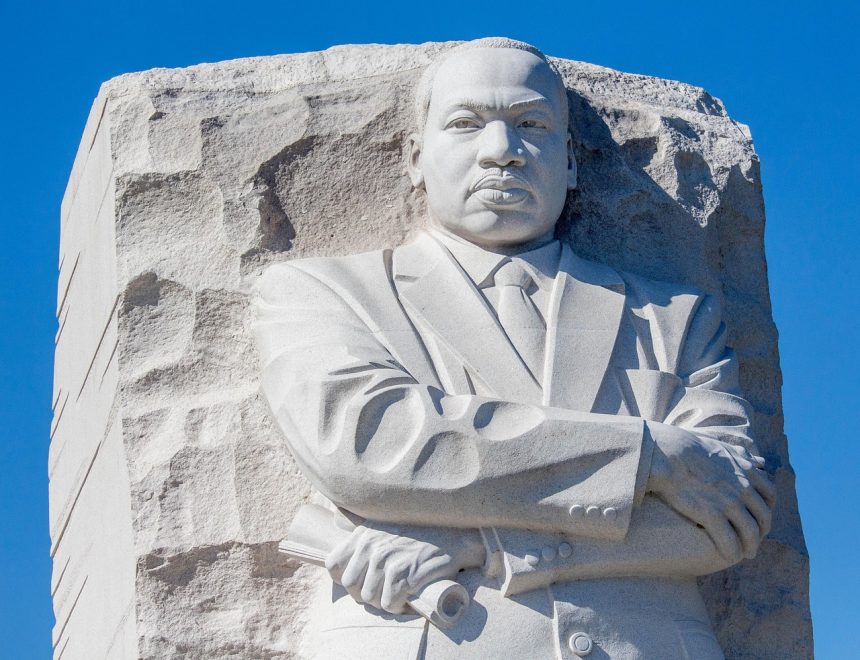
On August 16, 2024, Chicanos Por La Causa gathered at its Las Vegas headquarters to unveil a bust of Cesar Chavez. The chest-up sculpture, crafted by artist Guillermo Salazar González, captured the labor icon in a moment of quiet determination.[2] Noemi Quintero, Chavez’s niece, addressed attendees, celebrating his lifelong fight for farmworkers’ rights.
Chavez, born near Yuma, Arizona, in 1927, rose from farm laborer to founder of the United Farm Workers of America. He championed nonviolent protests, fasts, and legislative gains after enduring hardships in California fields. Former Senator Robert F. Kennedy once called him one of the heroic figures of the era. The organization, founded in 1969 to empower Mexican-descent communities and expanded to Nevada in 2010, saw the artwork as a fitting symbol of advocacy for healthier communities.[2]
Disturbing Details Emerge from Investigation
The New York Times probe, published March 18, 2026, uncovered extensive evidence of Chavez grooming and abusing girls linked to his movement. Two women recounted their experiences as children: Ana Murguia described repeated molestation and abuse starting at age 13, while Debra Rojas reported inappropriate touching at 12 and rape at 15—a crime under California law.[3] These incidents formed part of a broader pattern of sexual misconduct involving women in the organization.
Dolores Huerta, Chavez’s longtime United Farm Workers co-founder, revealed he forced her into sex in the 1960s—a secret held for nearly six decades. The report prompted immediate scrutiny of monuments, holidays, and events tied to his name. Such revelations have forced communities to confront the complexities behind celebrated figures.[3]
Chicanos Por La Causa Draws a Line
Chicanos Por La Causa acted quickly with a public statement. “In light of these disturbing reports, which are substantiated as more survivors step forward, we are halting any and all formal recognition of Cesar Chavez,” the group declared.[1] Officials stressed that their mission transcends any single person.
Partner offer
“Let us be clear: Our work has never been defined by one individual. It is rooted in a broader movement shaped by many leaders, including Dolores Huerta and countless others who have advanced opportunity and equity for our communities,” the statement continued. The organization pledged ongoing support for survivors of domestic violence and sexual assault, reinforcing its role as a trusted local resource.[1]
Ripple Effects Sweep the Nation
The United Farm Workers, co-founded by Chavez, canceled annual birthday celebrations on March 31 and committed to creating a channel for those harmed. “These allegations have been profoundly shocking… We need some time to get this right,” leaders said.[4] Parades in Austin, Texas, and Tucson, Arizona, were scrapped, with Tucson Mayor Regina Romero expressing personal devastation.
Arizona Governor Katie Hobbs suspended recognition of Cesar Chavez Day. In San Francisco, activist Susan Leal called for reverting a street name from Cesar Chavez to honor Huerta instead. Nevada state officials remained silent as the March 31 holiday approached, leaving local observances in limbo.[4][1]
- United Farm Workers: Canceled events and support channel planned.
- Arizona: Governor halts holiday observance.
- Tucson: Parade canceled; mayor "devastated."
- San Francisco: Push to rename Chavez Street.
- Nevada: No state comment yet on holiday.
Navigating Legacy and Accountability
For Las Vegas communities, the sculpture now stands as a poignant reminder of shifting narratives. Chicanos Por La Causa’s pivot highlights priorities of equity and survivor support over individual honors. The group’s expansion in Nevada underscores its deep roots in addressing social challenges.
As more details surface, institutions weigh how to preserve collective progress without endorsing personal failings. The coming Cesar Chavez Day tests this balance in Nevada, where the holiday remains on the calendar for now.
The saga reveals the fragility of icons when private actions clash with public triumphs. Chicanos Por La Causa’s resolve offers a model for response: affirm missions, uplift others, and aid those affected. What implications do these developments hold for local tributes? Share your thoughts in the comments.
Key Takeaways
- Chicanos Por La Causa halts all formal recognition of Cesar Chavez and his sculpture.
- New York Times detailed victim accounts, including underage abuse and Huerta’s revelation.
- National cancellations include parades, holidays, and union events amid widespread reevaluation.
Partner offer
Planning a trip to Vegas?
Compare hotel rates and show tickets on VEGAS.com.