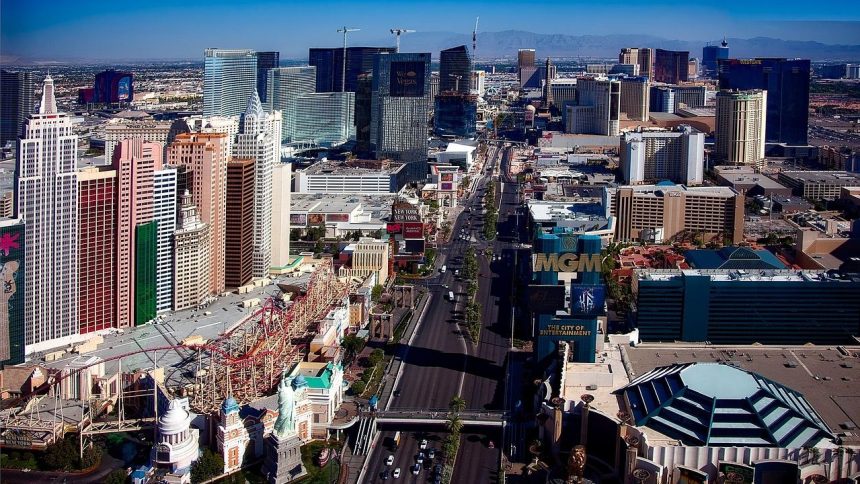
Nevada has long worn its low-property-tax status like a badge of honor. People move here partly for that reason. No state income tax, affordable living costs compared to California, and a relatively gentle tax burden on homeowners. That’s the pitch, anyway.
Here’s the thing, though. Dig a little deeper into the ZIP code level, and the story gets a lot more complicated. Some Las Vegas neighborhoods are quietly costing homeowners a surprising amount in property taxes, especially when you factor in just how much home values have exploded over the past few years. Let’s dive in.
ZIP Code 89138: The Highest Effective Rate in the Valley
If you’re living in the 89138 ZIP code, which falls within the western Summerlin area of Las Vegas, you may want to sit down before opening your tax bill. Within Clark County, tax rates vary, with the highest median rate reaching 1.04% in the 89138 ZIP code, making it the single most expensive ZIP code by effective property tax rate in the entire valley. That might sound like a small number in isolation, but apply it to a high-value property and the math changes fast.
In zip code 89138, the median tax bill can reach as high as $4,402, which is well above the county’s typical range and considerably more than what most Las Vegas homeowners pay annually. That is real money leaving your pocket every year, even in a state that markets itself as a tax haven. Honestly, it feels a bit like buying a budget airline ticket and then discovering every single extra fee that inflates the total.
The community’s primary zip codes for Summerlin include 89134, 89135, 89138 and 89144, with some neighborhoods falling in 89128, 89145, 89148 and 89161. So if you’re buying in Summerlin specifically, you need to ask your agent for the exact tax district, because not all Summerlin addresses carry the same bill. The difference between districts could amount to thousands of dollars per year.
ZIP Code 89161: Where Sky-High Home Values Drive Up the Total Bill
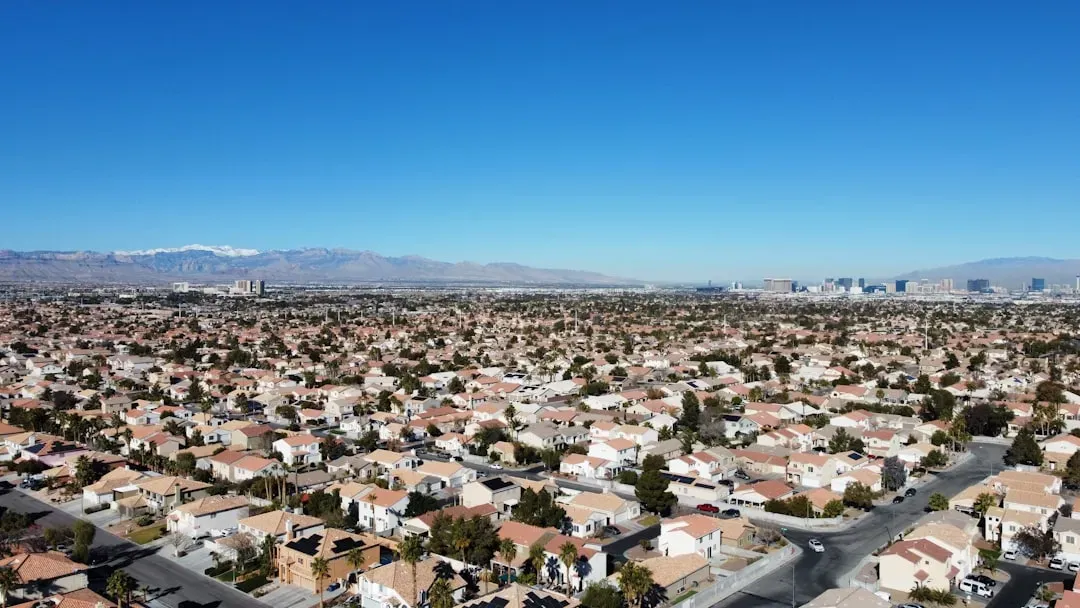
Even if your effective tax rate looks moderate on paper, what you actually pay depends heavily on your home’s assessed value. That’s where ZIP code 89161, also in the southwest Las Vegas and Summerlin corridor, becomes a real concern for buyers and existing homeowners alike. Zip code 89161 has the highest median home price at $521,157, which means that even a modest percentage produces a very large dollar amount when the math is done.
Assessed value is equal to 35% of taxable value. That sounds like a relief, but when your home is valued well above half a million dollars, the assessed portion alone becomes a substantial figure that feeds directly into your annual tax calculation. Think of it like a discount that still leaves you paying a premium because you started at such an elevated baseline.
Home prices in the greater Las Vegas metro rose dramatically between 2020 and 2024, and neighborhoods like those covered by 89161 absorbed much of that appreciation. With the Las Vegas median home price hovering at $450,000, many buyers need dual incomes or additional savings to qualify. In 89161, where prices exceed that median by a significant margin, the combined weight of mortgage, insurance, and property taxes starts to feel genuinely heavy, even in a “low-tax state.”
ZIP Code 89101: Low Rate, but a Closer Look Reveals a Different Burden

Let’s be real, not every high-burden ZIP code is about a high tax rate. Sometimes it’s about the disconnect between what you pay and what you actually get in return. ZIP code 89101, which covers parts of downtown Las Vegas, sits at the opposite end of the rate spectrum. The lowest rate within Clark County sits at 0.54% in the 89115 ZIP code, and 89101 trends similarly low. Yet in zip codes like 89101, the median tax bill can be as low as $704.
Here’s the paradox though. Areas with older infrastructure or redevelopment zones often carry additional special assessments layered on top of the base tax, meaning that the headline rate can be misleading. Tax revenue is distributed among several entities, including the City of Las Vegas, Clark County, and local special districts, depending on your property’s exact location. For homeowners in transitional urban neighborhoods, those special district charges can be an unwelcome surprise on an already tight budget.
There are typically multiple rates in a given area, because your state, county, local schools, and emergency responders each receive funding partly through these taxes. In practice, this means two properties on opposite sides of the same street can carry meaningfully different total bills. It’s hard to say for sure without pulling up the exact district, but the pattern in central Las Vegas neighborhoods consistently shows a mismatch between visible rate and total housing cost burden.
The Bigger Picture: Why Las Vegas Taxes Are Quietly Rising
Nevada’s tax cap system provides real protection, no question about it. Nevada’s tax abatement law protects homeowners from sudden spikes in their property taxes. The law limits increases in property taxes on primary residences to 3% per year. Thus, even if home values increase by 10%, property taxes will increase by no more than 3%. That’s a meaningful safeguard, especially over the past few volatile years in housing.
Still, the overall trend is undeniable. Clark County contains around 70% of the state’s residents, and the effective property tax in the county is 0.48%, nearly the same as the statewide average and significantly lower than the national average. That county-wide average, however, hides enormous variation across its many districts. There are 117 different tax districts in Clark County, and each one tells a slightly different financial story for homeowners living within its boundaries.
The broader affordability pressure is real and growing. Property taxes support essential community services such as schools, police and fire departments, parks, libraries, and important infrastructure projects like flood control and transportation. As Las Vegas’s population has surged, demand for all of those services has grown, too. The funding has to come from somewhere, and property-related levies are increasingly where local governments look first.
What do you think? Did you realize how much ZIP code geography shapes your actual tax bill in Las Vegas? Tell us in the comments.