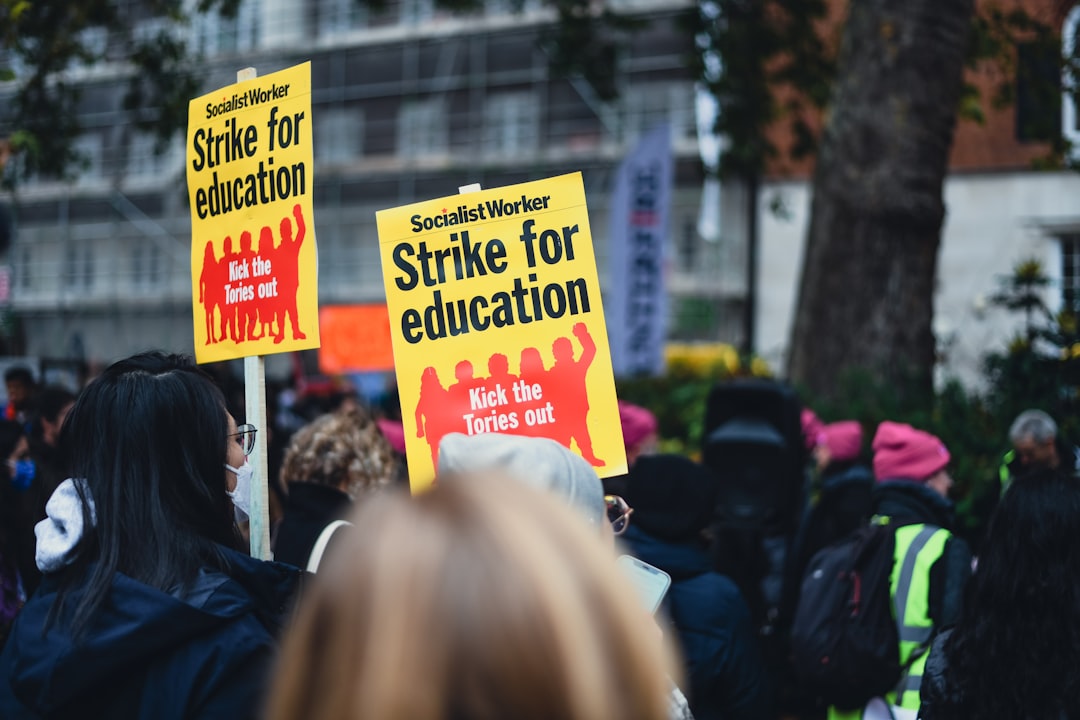

Hundreds of Teachers Face Job Uncertainty (Image Credits: Unsplash)
Las Vegas – The Clark County School District grapples with a surplus of more than 1,200 employees, primarily teachers, as declining enrollment triggers a roughly $50 million drop in spending next year.[1]
Hundreds of Teachers Face Job Uncertainty
Officials revealed that around 650 district employees currently lack assignments, even as approximately 600 positions remain open. Most on the surplus list should secure new roles at different schools once retirements occur at year’s end. This shake-up stems directly from budget shortfalls at individual schools unable to retain their full staff.[1]
Demographic shifts contribute to fewer students entering kindergarten compared to graduating seniors – about 7,000 fewer. Families increasingly opt for charter schools, private options or homeschooling, citing poor academic outcomes and ideological concerns in public schools. These choices exacerbate the financial strain on the district.[1]
Personnel Expenses Skyrocket Amid Enrollment Dip
The average teacher now commands more than $84,500 in salary, plus nearly $44,500 in benefits, totaling close to $130,000 annually. Just over a decade earlier, the top salary scale fell below $73,000. Public employee retirement contributions add further pressure on budgets.[1]
Personnel costs have climbed sharply even as student numbers fall. This mismatch leaves administrators scrambling to balance books without slashing essential services. Taxpayers shoulder the burden of these escalating expenses.[1]
Partner offer

| Era | Average Teacher Total Cost |
|---|---|
| Over a decade ago | Less than $73,000 (top scale) |
| Today | Nearly $130,000 |
Record Funding Fuels Costly Contract Demands
In June 2023, state leaders allocated $2.6 billion to Nevada schools, boosting per-pupil funding by over 25 percent. Yet third-grade reading and math scores last year lagged behind pre-pandemic levels. The influx enabled aggressive bargaining by the Clark County Education Association.[1]
The union sought a 10 percent raise in the first year, followed by 8 percent the next, alongside other enhancements. Then-Superintendent Jesus Jara deemed the proposal astronomical and cautioned against its budget impact. Prolonged negotiations involved teacher sickouts and court intervention to avert a strike.[1]
Contract Wins Lead to Current Crunch
The district ultimately approved the union’s terms, after which Jara resigned. Two years on, the financial warnings proved accurate, with surpluses now widespread. The union has stayed silent publicly on the job displacements, amid reports of leadership resignations.[1]
Nevada’s collective bargaining rules amplified the issue, turning extra funds into personnel bloat rather than classroom gains. Critics argue this cycle prioritizes compensation over student needs.
- Enrollment decline: 7,000 fewer kindergartners than seniors.
- Funding boost: 25% per-pupil increase in 2023.
- Raise demands: 10% then 8% over two years.
- Current surplus: Over 1,200 affected employees.
- Average cost per teacher: $130,000 total.
Key Takeaways
- Generous state funding failed to improve test scores but enabled outsized raises.
- Union contracts locked in costs that enrollment drops can’t support.
- Future fixes demand bargaining reform, not just more taxpayer dollars.
The episode underscores a harsh reality: Pouring money into a flawed system often inflates expenses without results. As calls for additional education spending loom – potentially via tax hikes – policymakers face pressure to rethink priorities. What steps should Las Vegas take to stabilize school finances? Tell us in the comments.
Partner offer
Planning a trip to Vegas?
Compare hotel rates and show tickets on VEGAS.com.