


When you think about Las Vegas mob history, images of glitzy casinos and guys in fedoras probably come to mind. That’s the Hollywood version, which glosses over something way more interesting: the Chicago Outfit and their associates didn’t conduct business in plain sight on the casino floor.
They preferred places where they could talk freely, cut deals, and handle business without federal surveillance breathing down their necks. While most tourists today visit the Mob Museum or marvel at stories about the Flamingo and Bugsy Siegel, there’s a whole layer of history hiding just beneath the surface. Real mob meetings happened in backrooms, restaurants, and social clubs scattered around town. These weren’t dramatic movie scenes. They were practical spaces where millions of dollars changed hands and criminal empires operated.
So let’s dive into some of these under-the-radar locations where the real business went down.
The Stardust’s Count Room and Backroom Offices

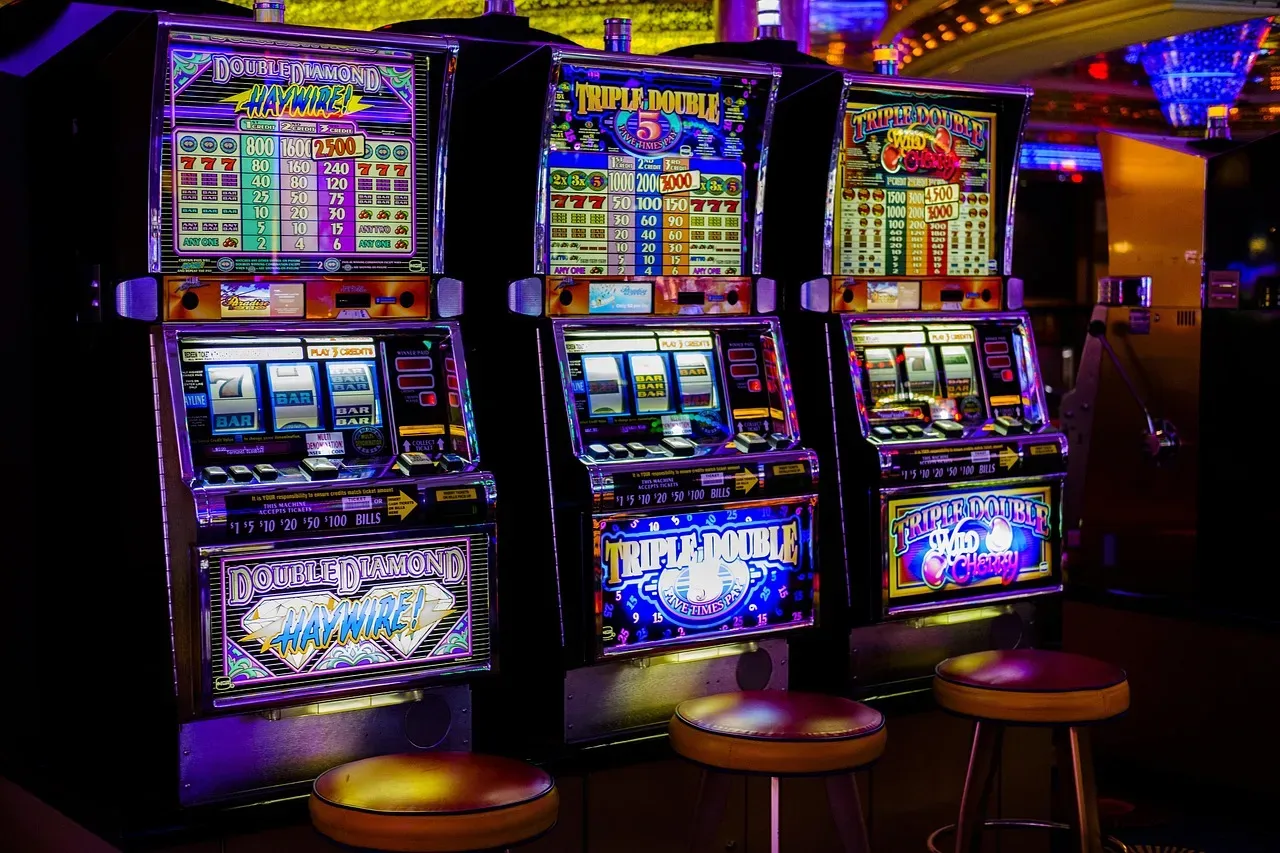
The Stardust Casino became ground zero for one of the biggest skimming operations in Vegas history during the 1970s and 1980s, with cash secretly lifted from the casino’s cage and coin count room before official tallies could be reported to tax authorities. While tourists gambled on the floor, Frank “Lefty” Rosenthal managed the Outfit’s illegal casino profits from four casinos including the Stardust, Fremont, Hacienda, and Marina.
The count rooms weren’t glamorous. They were utilitarian spaces where money was weighed and tallied. Federal investigators traced skimmed money from the Stardust and other Argent casinos, estimated between seven and fifteen million dollars, to organized crime members in Kansas City. The operation was meticulous, involving compromised coin-weighing machines and trusted insiders who could manipulate the numbers.
In 1983, after the FBI’s Operation Strawman investigation culminated in a series of indictments and arrests, key figures including Frank Rosenthal and several members of the Chicago Outfit were charged with crimes including skimming, tax evasion, and conspiracy. The Stardust was eventually demolished in 2007, but its backrooms remain one of the most significant sites where the Outfit controlled Las Vegas operations.
Piero’s Italian Cuisine and Villa d’Este Before It

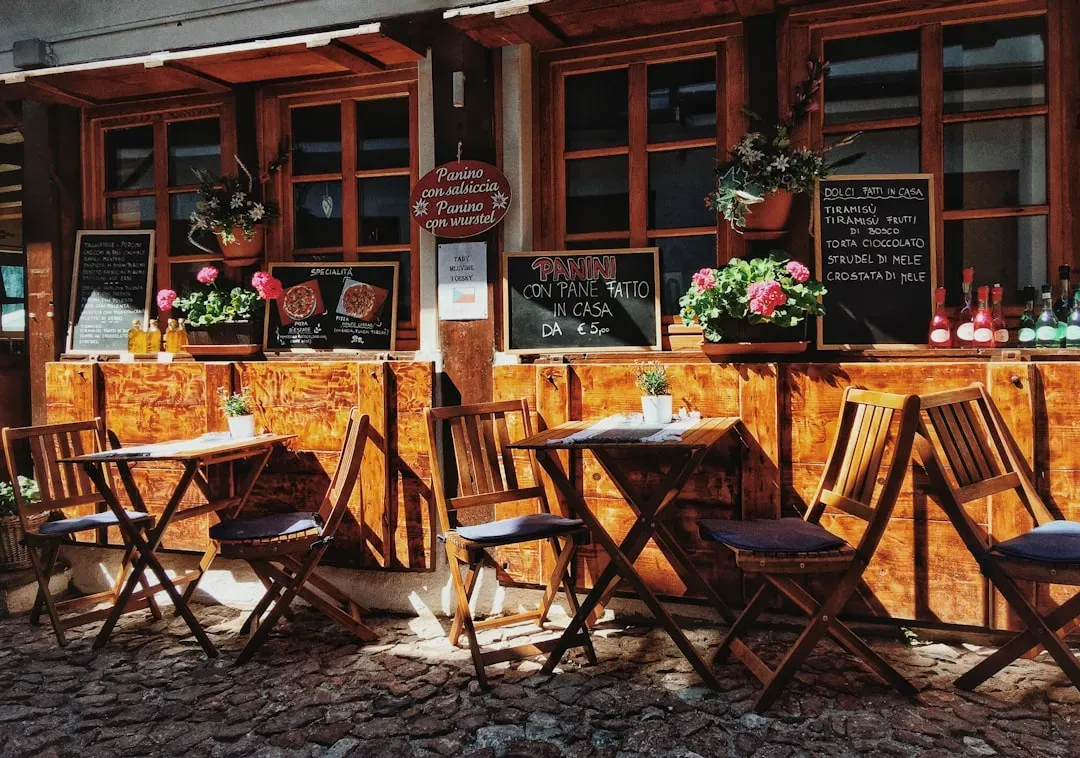
Step inside Piero’s Italian Cuisine today and you’re walking into living mob history. The restaurant, which has been open since 1983 and was featured in the film Casino, is among the most legendary mobster locations in Sin City according to the Las Vegas Review-Journal. What makes Piero’s especially fascinating is that it sits on the same site as the legendary Villa d’Este.
Villa d’Este was owned and operated by Joseph “Joe the Cook” Pignatello for more than two decades, regularly serving Chicago Outfit boss Sam Giancana, Frank Sinatra, and other mobsters including Anthony “Tony the Ant” Spilotro and members of the Hole-in-the-Wall Gang who dined and conducted business there. The restaurant wasn’t flashy or loud. It was a quiet place where serious conversations happened.
At Piero’s today, you can still overhear conversations in Italian, and the atmosphere evokes the era when Tony Spilotro and his sidekick “Fat Herbie” Blitzstein might have held court at Villa D’Este on this very location. It’s one of those rare spots where the past and present collide, and the walls could tell you stories federal agents would have loved to hear.
The Golden Steer Steakhouse and Its Hidden Mob Room
Ask any local about mob history and they’ll point you toward the Golden Steer Steakhouse, which has been serving prime cuts since 1958. In the 1960s, mob families flocked to their favorite casinos and restaurants in Las Vegas, with the Golden Steer’s Mob Room serving as a neutral territory for business discussions and a favorite meeting spot for some of the most powerful families.
What’s even better? In the 1980s, Chicago Outfit enforcer Tony Spilotro established the Gold Rush Pawn Shop near the Golden Steer, and he would make discreet entrances through the existing back door to evade federal surveillance before dining with his lawyer Oscar Goodman. These weren’t accidental meetings over steak dinners. They were calculated, strategic sessions where Spilotro and his crew mapped out operations.
The Golden Steer still features red leather booths named after icons like Frank Sinatra and Marilyn Monroe. You can sit in the same spaces where mobsters once planned burglaries, discussed casino skims, and settled territorial disputes. It’s not just nostalgia; it’s a functioning window into how the Outfit quietly operated while maintaining a veneer of legitimacy.
The Admiral Theatre Backroom in Chicago

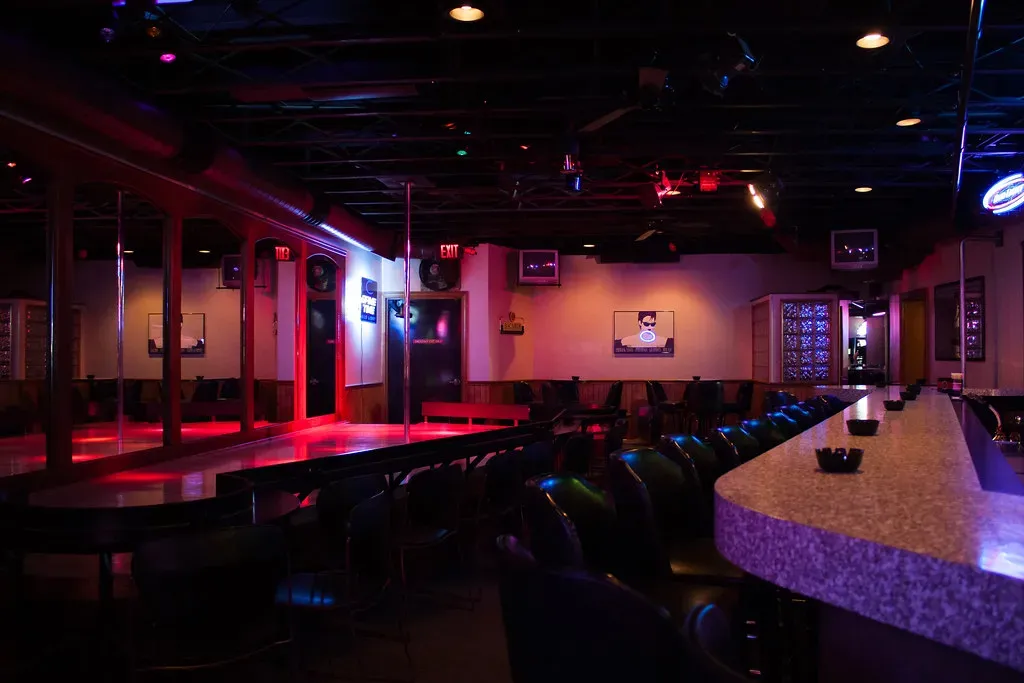
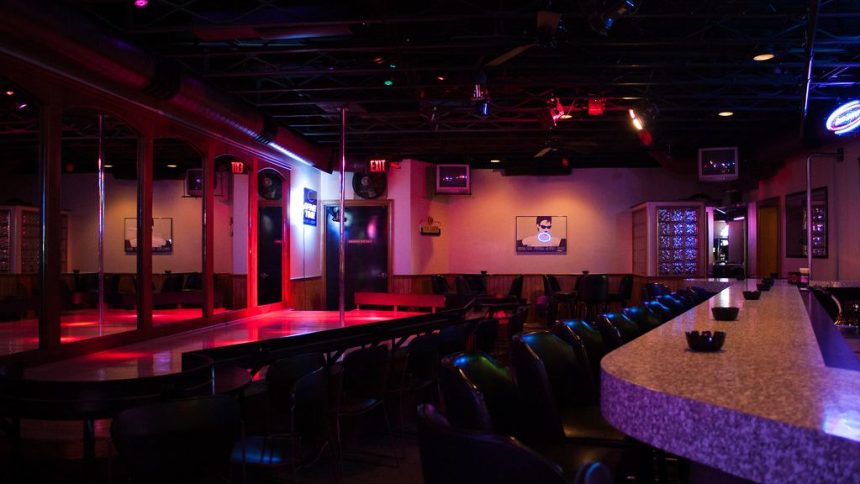
Here’s where things get interesting. One of the most critical meeting spots wasn’t even in Las Vegas. A major breakthrough in the FBI’s Operation Strawman came from surveillance at the Admiral Theatre, a strip club in Chicago, where the feds bugged the backroom and captured Mafia captains openly discussing their hidden ownership in Vegas casinos and the exact mechanisms of the skim.
The Admiral Theatre wasn’t fancy. It was a dingy Chicago strip club where bosses from the Chicago Outfit felt safe enough to talk openly. The recordings pulled from that backroom were gold for federal investigators, exposing not just the how but the who behind Vegas skimming operations that diverted millions to crime families in Chicago, Kansas City, Milwaukee, and Cleveland.
In 1977, the FBI and U.S. Department of Justice launched Operation Strawman to expose Mafia infiltration of the Las Vegas Strip, focusing on the Tropicana, the Stardust, the Hacienda, the Fremont, and the Marina, all suspected of being mob-controlled. That Chicago backroom became the Rosetta Stone for cracking the case wide open.
Villa Capri Pizzeria in Kansas City

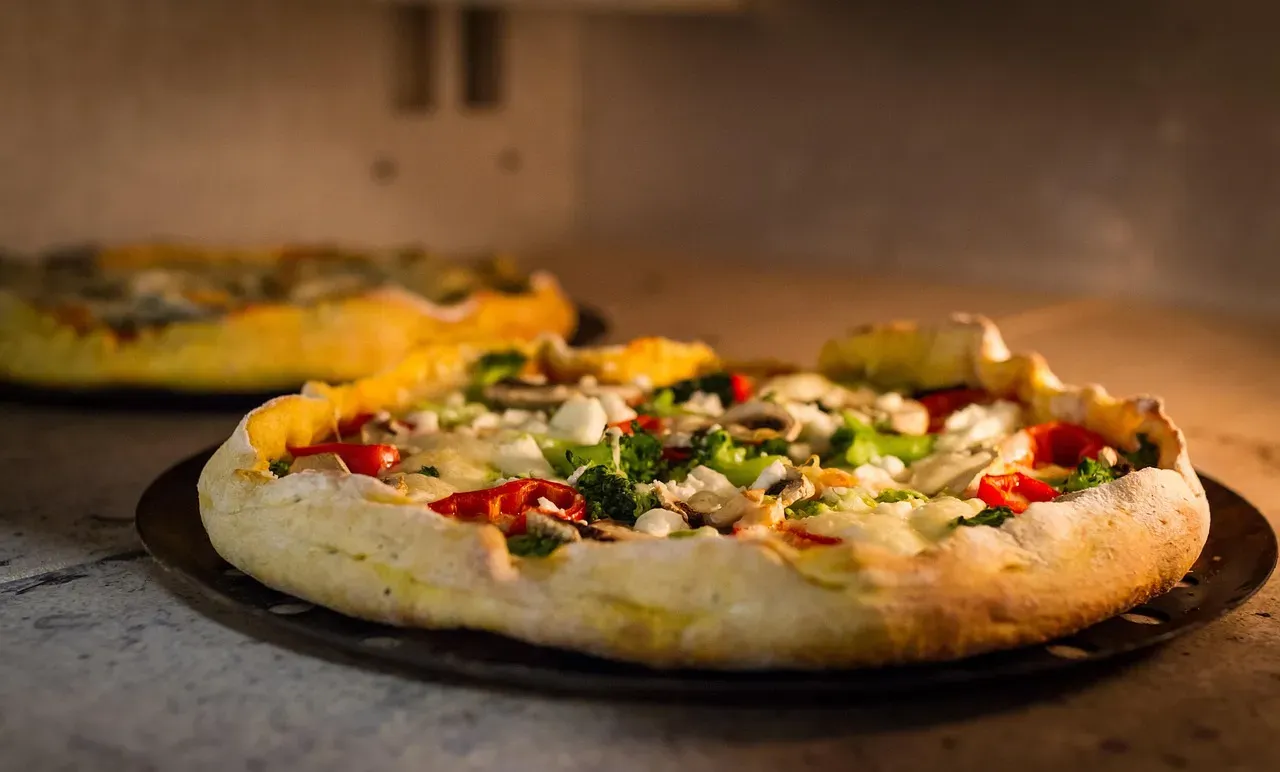
Most people don’t associate Kansas City with Las Vegas mob operations, but that’s a mistake. The Villa Capri pizzeria in Kansas City, now an empty lot, was the site where authorities planted a bug at a dinner table with bench seats in the late 1970s, and instead of learning about local warring mob factions, they uncovered a bombshell: Kansas City’s Civella crime family illegally controlled a money pipeline from inside the Las Vegas Strip’s Tropicana hotel-casino.
Picture this: Mob operatives sitting in a Kansas City pizzeria, the Bee Gees’ “Stayin’ Alive” blaring ironically in the background, discussing how to skim forty thousand dollars a week from Vegas casinos. At the meeting, secretly bugged by authorities, casino executive Carl Thomas revealed to the mobsters how skimming works, explaining that the guy reading the scales had to be their guy, and he himself had bought one of those scales for fifteen thousand dollars.
In 1981, a grand jury in Kansas City indicted Kansas City mob boss Nick Civella, his brother Carl Civella, mob member Carl DeLuna, and others, and the defendants were convicted in 1983. That pizzeria might not look like much now, but it was the thread that unraveled a multi-million-dollar criminal conspiracy stretching from the Midwest to the Nevada desert.
What This All Means Today

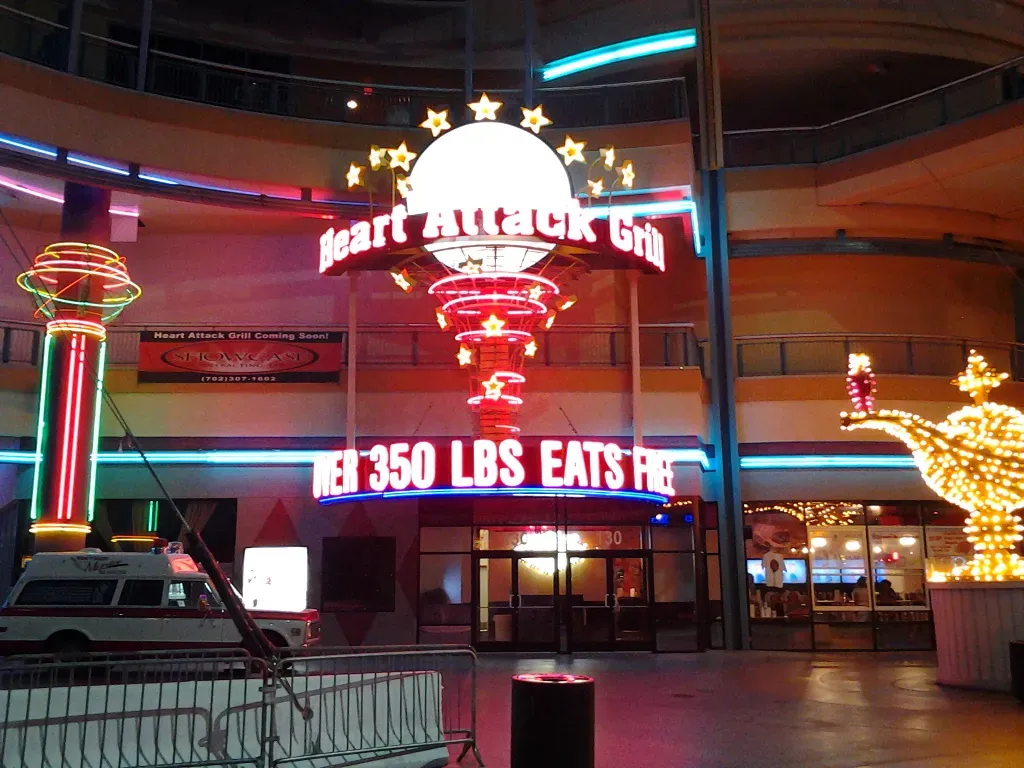
These weren’t the glamorous spots Hollywood loves to show. They were practical, hidden, deliberately chosen locations where real organized crime happened. The Outfit understood surveillance, knew how to avoid attention, and picked venues where they could blend into the background.
By the late 1970s, corporate ownership began to replace mob-controlled casinos, and this shift, coupled with tighter regulations, gradually reduced the mafia’s influence in Las Vegas gaming operations. Today, Las Vegas promotes its mob past as cultural tourism, but these five under-the-radar locations tell the real story behind the glitz.
Did you expect that quiet pizzerias and steakhouses played such a massive role in mob history? Next time you’re in Vegas, maybe skip the neon and look for the stories hiding in plain sight.


