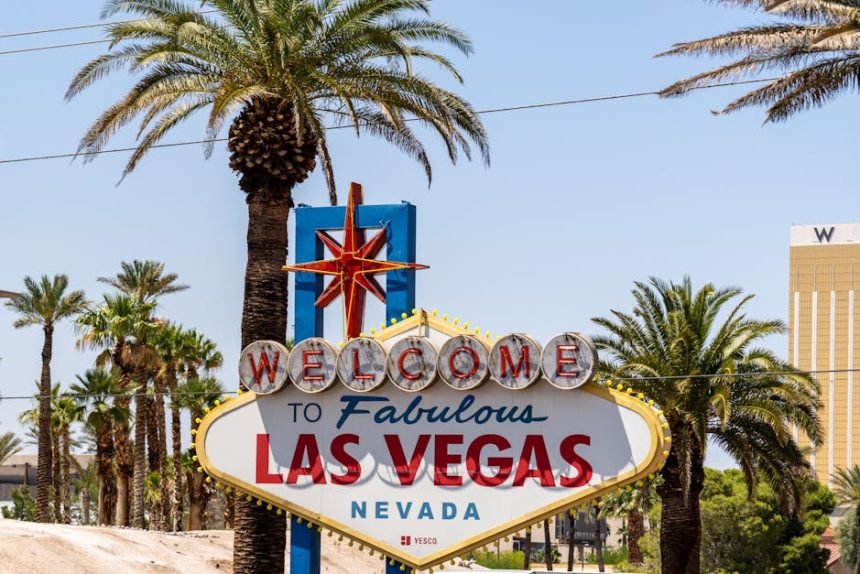
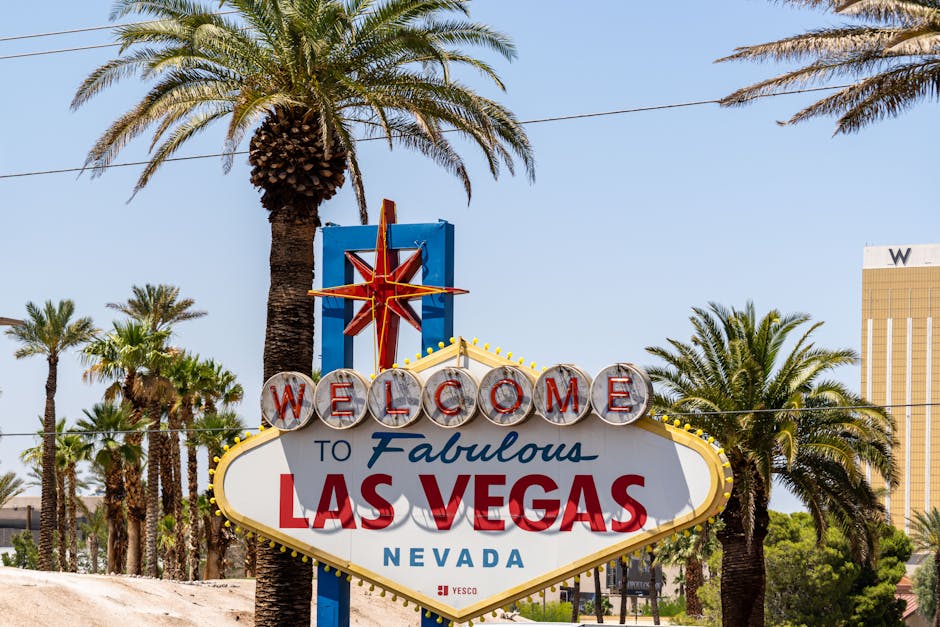
March Averages Hotter Than Ever Before (Image Credits: Pexels)
Las Vegas – Southern Nevada residents endured a historic heat wave in March 2026 that redefined spring weather norms.[1][2] The city’s average temperature climbed to 73 degrees Fahrenheit, obliterating the previous March benchmark and even surpassing typical April warmth.[1] Not a single drop of rain fell at Harry Reid International Airport, amplifying the desert’s already arid feel. This remarkable month capped a string of warm winters, raising questions about seasonal patterns ahead.
March Averages Hotter Than Ever Before
Las Vegas clocked its hottest March on record with an average temperature of 73 degrees, a staggering 12.2 degrees above the monthly norm of around 60.8 degrees.[1][2] That figure demolished the prior record of 66.7 degrees set back in 2015 by more than six degrees. National Weather Service meteorologist Chris Outler called it an “incredible statistic,” noting the warmth exceeded any March or April in local history.[1]
The milestone reflected relentless daytime highs and minimal overnight relief. Lows dipped to just 47 degrees on March 8, the month’s chilliest mark, but warmth dominated otherwise. Such extremes underscored the month’s departure from seasonal expectations.
A Streak of Daily Temperature Breakthroughs
From March 18 onward, Las Vegas tallied 12 straight days of record-high temperatures, a feat unmatched in local records.[1] The valley notched at least 12 days above 90 degrees total, eclipsing the combined total from 1937 to 2025. Peak heat arrived on March 25 with 98 degrees, the hottest reading of 2026 and a new March benchmark that topped the prior 93-degree mark from 2022.
Here are some standout daily highs during the surge:
- March 18: 94°F (beat 90°F from 2017)
- March 19: 95°F (beat 90°F from 2017)
- March 20: 97°F (beat 90°F from 2004)
- March 23: 96°F (beat 89°F from 1940)
- March 25: 98°F (beat 90°F from 2022)
The streak ended March 30 at 88 degrees, the first sub-90 reading since March 17. Eight consecutive days earlier in the run further highlighted the heat dome’s persistence.[3]
Exceptional Dryness Adds to the Intensity
March 2026 stayed bone-dry with zero precipitation recorded at the official station, falling 0.42 inches short of average.[4] The last comparable rainless March occurred in 2014. This aridity intensified the heat’s effects, as unshaded ground and low humidity fueled rapid warming.
Recent months offered little contrast. February 2026 ranked as the second-warmest on record, while January placed fifth. The pattern suggested a warming trend extending from winter into early spring.
| Metric | March 2026 | Normal | Previous Record |
|---|---|---|---|
| Average Temp (°F) | 73 | 60.8 | 66.7 (2015) |
| High Temp (°F) | 98 (Mar 25) | ~75 | 93 (2022) |
| Rainfall (inches) | 0 | 0.42 | N/A |
| 90°F+ Days | 12 | 0-1 typical | 13 cumulative (1937-2025) |
Part of a Nationwide Heat Surge
The Las Vegas anomaly mirrored a broader U.S. pattern, where over 1,100 daily records fell or tied amid an 11-day heat wave.[1][5] More than four dozen cities from California to the Plains, including Phoenix, Denver, and Los Angeles, logged their warmest Marches ever. In many spots, March 2026 warmth rivaled or exceeded historical April peaks.
Experts linked the event to a stubborn heat dome that parked over the West. Excessive heat warnings blanketed the region, urging precautions during peak scorchers. The national scope amplified concerns over accelerating climate influences on early-season extremes.
Key Takeaways
- 73°F average marked the widest margin over normal for any Las Vegas month.
- 12 record-high days in a row redefined March heat possibilities.
- Zero rain heightened drought risks heading into summer.
March 2026 will linger in Las Vegas lore as a month when summer arrived three weeks early, prompting reflection on resilience in a changing climate. Cooler air finally swept in by month’s end, but the records endure. What do you think about this extreme warmth? Tell us in the comments.