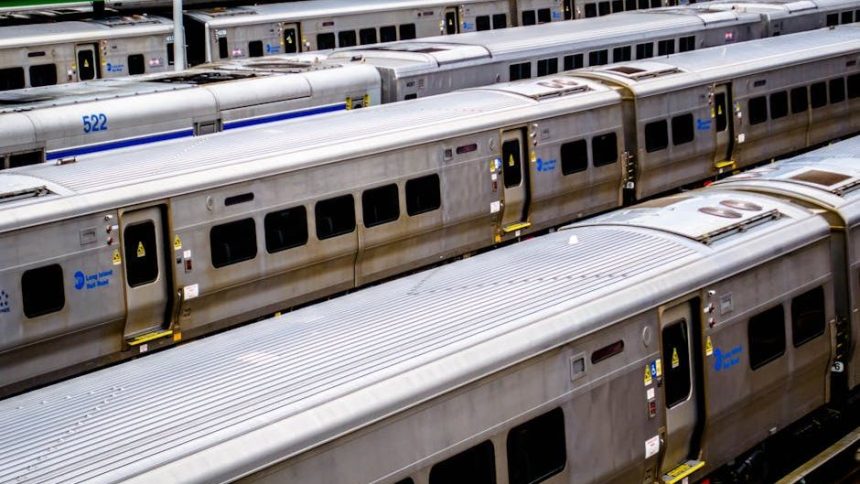


The issues behind the Long Island Rail Road strike impacting thousands of workers – Image for illustrative purposes only (Image credits: Pexels)
The Long Island Rail Road has halted service for the first time in decades. Hundreds of thousands of weekday riders now face sudden changes to their commutes across the region. The stoppage stems directly from disagreements over wages and health benefits for the workers who keep the system running.
Scale of the Disruption
Daily operations on the Long Island Rail Road normally move large numbers of people between suburban communities and New York City. With trains stopped, riders must seek alternative routes or adjust work schedules on short notice. The sudden change affects not only individual travelers but also the broader flow of regional transportation.
Many commuters who depend on reliable rail service now encounter longer travel times and added costs. Employers in affected areas report staff arriving late or missing shifts entirely. The ripple effects extend beyond the immediate rail lines into local roads and other transit options already under pressure.
Core Issues Driving the Action
Workers have raised concerns about compensation levels that have not kept pace with rising living costs. Health benefits form another central point of contention, with both sides seeking terms that balance employee needs and operational sustainability. These topics have surfaced repeatedly in past contract talks yet remain unresolved this time.
The current impasse marks a departure from recent years when agreements were reached without service interruptions. Negotiators continue to discuss proposals, though no immediate resolution has been announced. Both wages and benefits directly influence the ability to attract and retain skilled staff in a demanding industry.
Broader Effects on the Region
Businesses along the rail corridors face reduced foot traffic as potential customers alter their routines. Schools and medical facilities that rely on staff commuting by rail report similar scheduling challenges. Local governments monitor the situation closely, aware that prolonged disruptions can strain public resources and emergency services.
Transportation analysts note that the Long Island Rail Road serves as a vital link in the larger metropolitan network. Any extended pause forces greater reliance on buses, cars, and ferries, each with its own capacity limits. The situation underscores how interconnected daily mobility remains in densely populated areas.
Looking Ahead
Discussions between labor representatives and management continue behind the scenes. Riders and businesses alike watch for signs of progress that could restore normal operations. The outcome will shape not only immediate travel patterns but also future labor relations within the transit sector.
The strike highlights ongoing tensions between maintaining essential services and addressing worker priorities in a changing economic landscape.