Think ancient civilizations were primitive? The evidence suggests otherwise. From computers that tracked celestial events to concrete that grows stronger with age, our ancestors created technologies that baffle modern scientists. These weren’t simple tools or lucky accidents. They were sophisticated solutions to complex problems, demonstrating an understanding of engineering and chemistry that we’re only now beginning to fully appreciate.
What makes these inventions truly remarkable is that many have been lost to time, their secrets buried with the craftspeople who made them. Some we’ve managed to partially recreate. Others remain complete mysteries. Here are fifteen ancient technologies that prove our predecessors were far more advanced than we give them credit for.
The Antikythera Mechanism: Ancient Greece’s Analog Computer
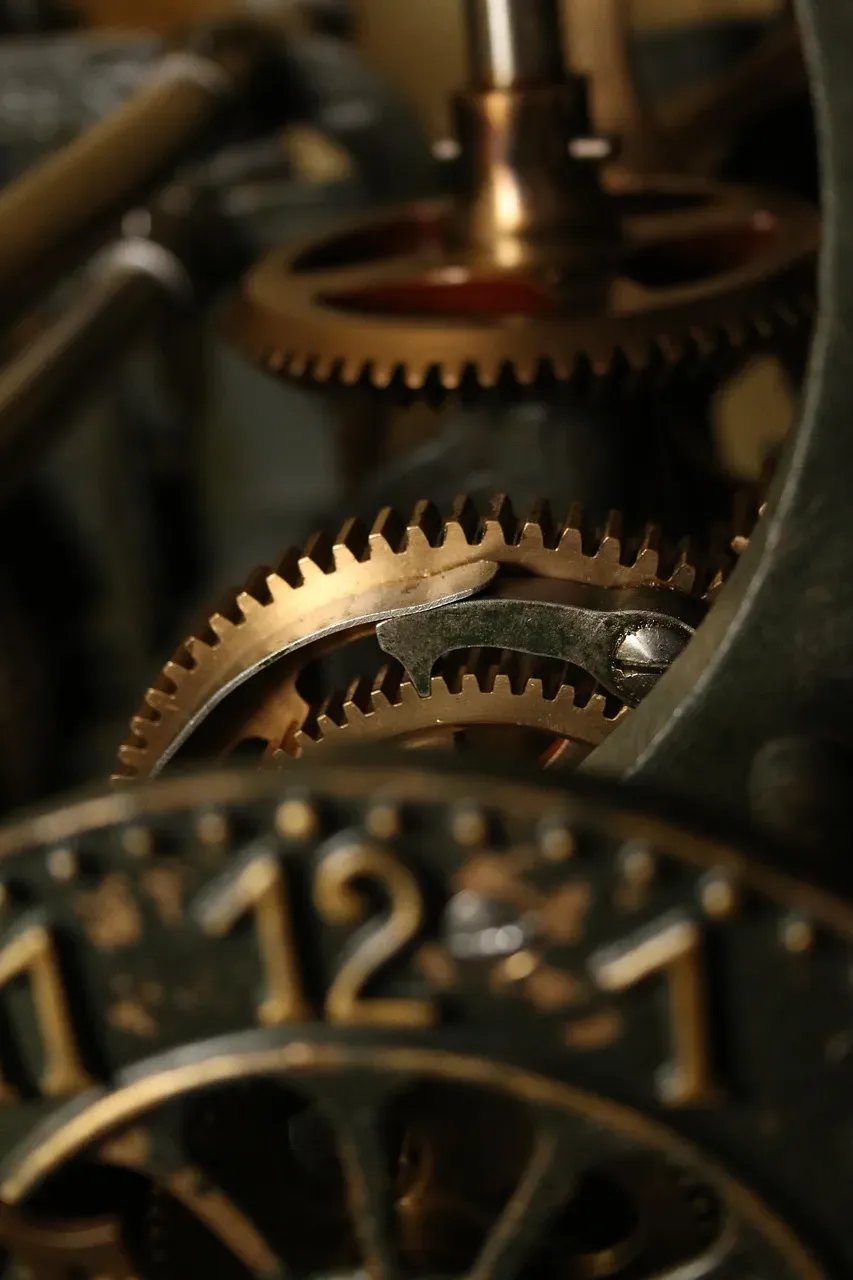
Discovered in 1901 in a shipwreck off the Greek island of Antikythera, this shoebox-sized device has shocked researchers with its complexity. Milled with millimeter precision using ancient tools like vertical lathes and bow drills, it contained dozens of gear wheels that tracked the motion of the sun, moon, and five planets known to antiquity. Let’s be real, finding something this sophisticated from roughly 2,200 years ago is like discovering a smartphone in a medieval castle.
Recent research from 2024 using statistical modeling techniques developed for gravitational waves confirmed the calendar ring most likely tracked a 354-day Greek lunar calendar. The holes were positioned with extraordinary accuracy, showing an average radial variation of just 0.028mm between each hole. Machines with similar complexity did not appear again until the 14th century in western Europe. Still, a 2025 study suggested design flaws might have caused the mechanism to jam after just four months of use, though corrosion over two millennia could have distorted the original measurements.
Roman Concrete: The Material That Defies Time

While modern marine concrete structures crumble within decades, 2,000-year-old Roman piers and breakwaters endure to this day, and are stronger now than when they were first constructed. Honestly, that’s both impressive and embarrassing for us. The Roman recipe of volcanic ash, lime, seawater and a mineral called aluminium tobermorite actually reinforces the concrete and prevents cracks from expanding.
When seawater percolated through the concrete, it dissolved components of the volcanic ash and allowed new minerals to grow from alkaline fluids, particularly Al-tobermorite and phillipsite. Tobermorite has long plate-like crystals that allow the material to bend rather than crack under stress. Research from 2023 found that lime clasts, once considered evidence of poor mixing, actually gave the concrete a self-healing capability. The recipe, described in texts by Roman engineer Marcus Vitruvius in 30 B.C.E., has been completely lost, and researchers still can’t fully recreate it.
Damascus Steel: Blades with Carbon Nanotubes

When Crusaders reached the Middle East in the 11th century, they encountered sabers made from Damascus steel that were incredibly strong but malleable at the same time. These blades, made between 540 A.D. to 1800 A.D., were sharper, more flexible and harder than contemporary weapons, and according to legend could cut silk in half as it fell and maintain their edge after cleaving through stone or metal.
Research at the Technical University of Dresden discovered the presence of cementite nanowires and carbon nanotubes in Damascus steel, a result of the forging process. Production ceased around 1750, and by the early 19th century it was no longer being made, with the technique for making wootz steel lost. It turns out the technique wasn’t lost – it just stopped working when the mining region in India changed and new ingots had slightly different impurities. The swordsmiths never understood the material’s composition, so when it changed, Damascus steel vanished.
The Baghdad Battery: Ancient Electricity or Religious Relic?
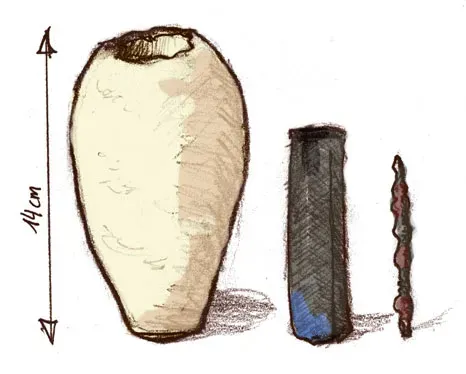
Discovered in 1936 near Baghdad, this artifact consists of a ceramic pot, copper tube, and iron rod fixed with bitumen, and Wilhelm König suggested it functioned as a galvanic cell for electroplating or electrotherapy. In 2005, MythBusters built replicas using lemon juice and produced about 4 volts when connected in series, capable of minor electroplating but not strong enough for significant shock.
The claims are universally rejected by archaeologists, with established academia viewing it with skepticism as more likely a mundane artifact. Critics point to no evidence of electroplating at the time, while there’s plenty of evidence of other gilding methods using mercury, and modern archaeologists agree the objects König saw were fire-gilded, not electroplated. Many believe the vessels acted as storage for sacred scrolls, similar to other containers found at nearby sites. The Baghdad Battery was reported missing during the 2003 looting of Iraq’s National Museum and hasn’t been recovered.
Zhang Heng’s Seismoscope: Detecting Earthquakes from Miles Away
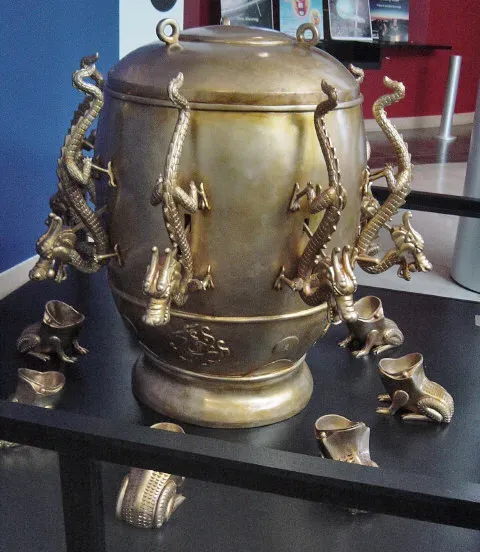
Dating back to 2,000 years ago in ancient China, the Houfeng Didong Yi was the first earthquake detection device recorded in history, created by Zhang Heng, who lived from 78 to 139 AD. Though not as advanced as today’s seismographs, it could determine the occurrence of the slightest earthquake as well as its general direction.
The jar device featured eight tubed projections shaped like dragon heads on the exterior with eight corresponding toads at the base, with each dragon holding a small bronze ball in its mouth that dropped into a toad’s mouth to show the direction of an earthquake. It could detect earthquakes hundreds of kilometers away remotely. Think about that for a moment. In 132 AD, while most of the world relied on divine interpretation of natural disasters, China had a mechanical early warning system that actually worked.
Greek Fire: The Inextinguishable Naval Weapon
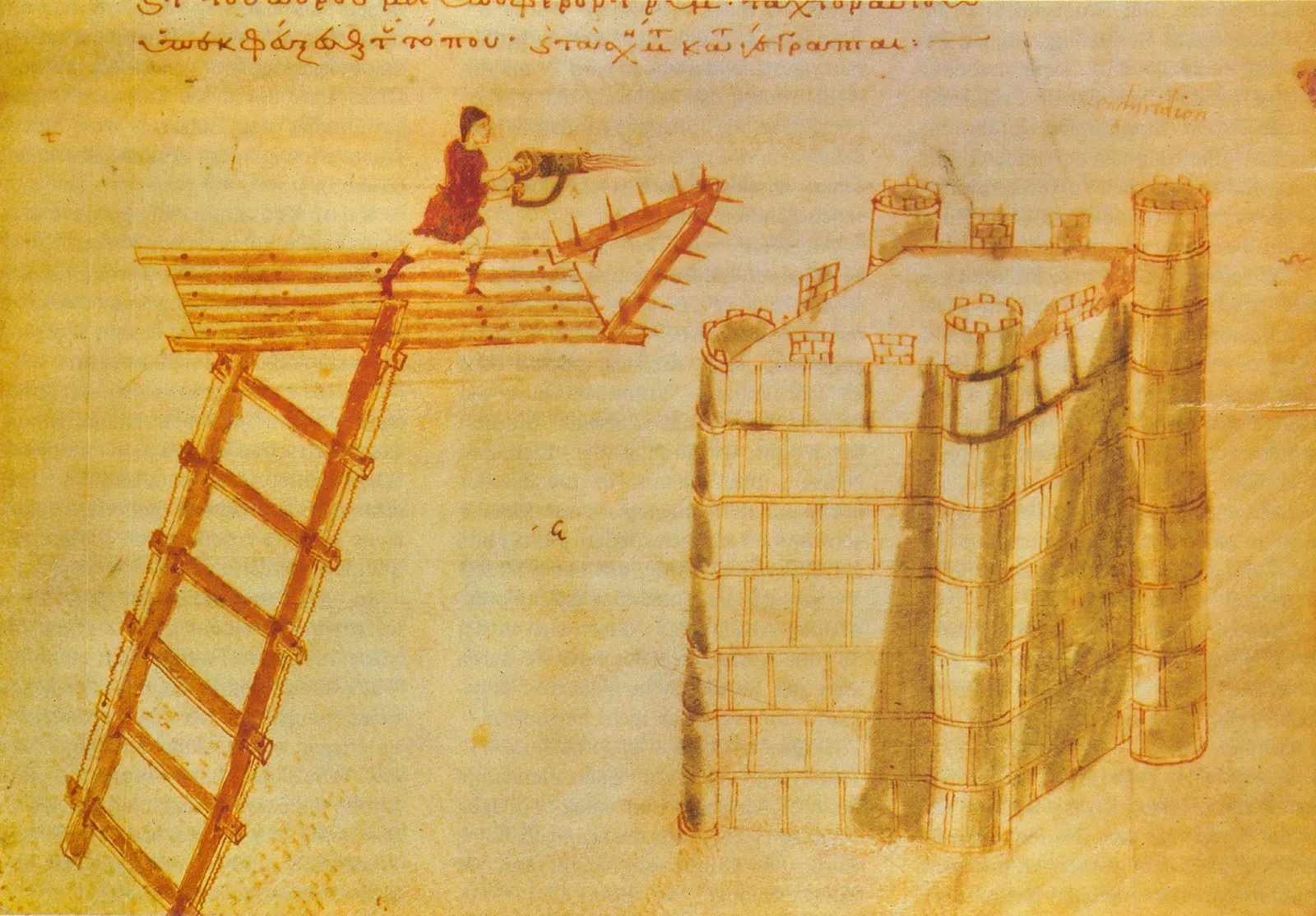
This incendiary weapon was employed by the Byzantine Empire in naval warfare, and its ability to burn on water set it apart as revolutionary ancient naval technology. When the Umayyad Caliphate attempted to besiege Constantinople in 674, their ships were doused in Greek fire, meeting their doom at the hands of this new military invention.
The exact formula remains a mystery to this day, though historical accounts suggest it contained a mixture of petroleum, sulfur, and quicklime, with petroleum the likeliest candidate since gunpowder didn’t become readily available until the 14th century. What makes Greek fire impressive is the design of the pressure pump Byzantines used to launch it, and researchers struggle to recreate a historically accurate pump that could have propelled content far enough during naval battles. It could only be extinguished with vinegar, sand, and urine. The Byzantines guarded the secret so jealously that it was eventually lost altogether.
Hero of Alexandria’s Steam Engine
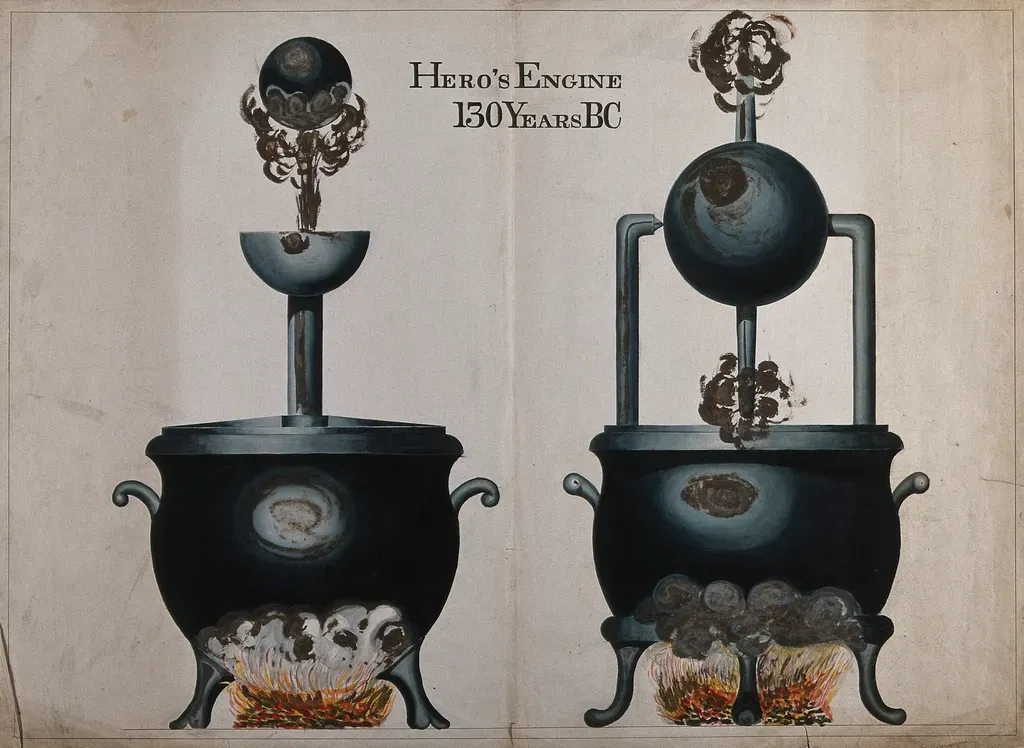
Heron Alexandrinus, a 1st century Greek mathematician and engineer, is known as the first inventor of the steam engine, with his steam powered device called the aeolipile, named after Aiolos, God of the winds. The aeolipile consisted of a sphere positioned to rotate around its axis, with nozzles opposite each other expelling steam to generate combined thrust resulting in torque.
The steam was created by boiling water under the sphere, with the boiler connected to the rotating sphere through pipes that served as pivots. Here’s the thing that gets me. If this technology had been developed further rather than remaining a curiosity, the industrial revolution could have happened over a millennium earlier. Instead, it took humanity another 1,700 years to harness steam power for practical purposes. Makes you wonder what else we might be overlooking today.
The Nimrud Lens: Ancient Magnification Technology
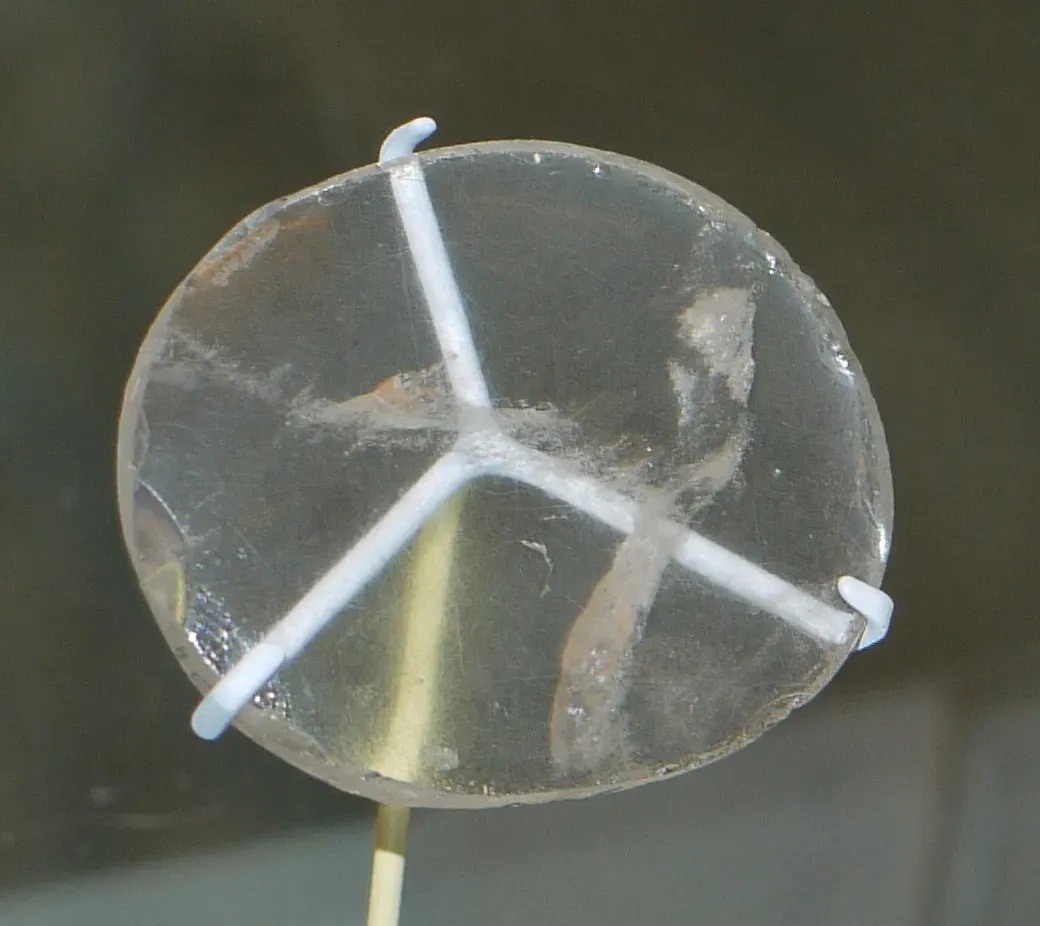
The Nimrud lens is a 3,000-year-old piece of rock crystal unearthed in 1850 at the Assyrian palace of Nimrud in modern-day Iraq, made from natural rock crystal and slightly oval in shape. Roughly ground on a lapidary wheel, it has a focal point about 11 centimeters from the flat side and characteristics equivalent to a 3× magnifying glass.
The telescope was conventionally attributed to Hans Lippershey in 1608, but even Galileo noted that the so-called ancients were aware of telescopes long before him. While lenses existed before the Nimrud lens, researchers believe this was one of the first to be used in a telescope. If verified, this would push back humanity’s ability to study the cosmos by roughly 2,500 years, fundamentally changing our understanding of ancient astronomical knowledge.
Persian Yakhchals: Ancient Refrigeration in the Desert

The 4th century BC saw the creation of a modern staple, the freezer, with Persians creating dome-like houses in the desert out of sand, clay, and other materials which could effectively trap and maintain ice. The dome is typically 15m high with a small ventilation hole at the top and two-meter thick walls that could preserve food year-round, with temperatures reaching as low as minus 5°C.
Water came in from an aqueduct or was brought to the yakhchal in buckets. I find it fascinating that ancient engineers figured out how to store ice in a desert climate without electricity or modern insulation. The principle relied entirely on clever architecture, evaporative cooling, and understanding thermal mass. Modern refrigeration wouldn’t arrive for another two millennia, yet Persians were preserving food through scorching summers using nothing but mud bricks and physics.
Ancient Indian Surgery: Medical Techniques Millennia Ahead

Ancient India developed sophisticated surgical techniques that wouldn’t be matched in the West for centuries. Sushruta, often called the father of surgery, documented over 300 surgical procedures and 120 surgical instruments in the Sushruta Samhita around 600 BC. These procedures included cataract surgery, rhinoplasty, and even cesarean sections.
The plastic surgery techniques developed in ancient India were particularly advanced. Surgeons could reconstruct noses using forehead flaps, a technique that wasn’t adopted in Europe until the 18th century. They understood the importance of cleanliness during surgery and used wine to sterilize wounds. The level of anatomical knowledge demonstrated in these texts suggests a systematic approach to medical education that rivals modern standards. What’s striking is how much of this knowledge was lost or ignored for centuries before being rediscovered.
Conclusion
These fifteen inventions represent just a fraction of ancient technological achievements that have puzzled researchers and challenged our understanding of history. From computers that predicted astronomical events to concrete that self-heals, from steel containing nanotubes to refrigeration in desert climates, our ancestors repeatedly demonstrated ingenuity that rivals modern innovation. What’s perhaps most humbling is realizing how much knowledge has been lost, sometimes for centuries, sometimes forever.
The lesson here isn’t just about appreciating ancient accomplishments. It’s about recognizing that progress isn’t always linear, that sophisticated knowledge can vanish if not properly preserved and transmitted, and that our assumptions about what “primitive” peoples could achieve are often wildly off the mark. These inventions remind us that brilliant minds have always existed, working with the materials and understanding available to them to solve complex problems. What technologies are we creating today that future generations might struggle to understand or recreate? What knowledge are we at risk of losing? The past has much to teach us, if we’re willing to look closely enough.