The Mathematical Reality Behind Million-Dollar Payouts
Here’s the thing most people miss when they see those viral parlay wins plastered across social media. Parlays generate higher hold percentages for sportsbooks than single bets, with bettors increasingly flocking to multi-leg wagers that have more favorable outcomes for the books. The math isn’t mysterious. When you combine multiple bets into a single parlay, each leg multiplies the total odds exponentially rather than adding them linearly.
Think about it this way: betting on two separate games gives you two chances to win. Combine them into a parlay and suddenly you need both outcomes to hit simultaneously. With two legs, your payout grows to around plus 265, but your odds of hitting both drop to roughly twenty five percent, while three legs rocket up to roughly plus 600 odds with only about a twelve and a half percent chance.
The exponential growth continues mercilessly as you add more selections. That’s precisely why a two million dollar payout seems so staggering yet remains statistically improbable.
When Long Shots Actually Hit
Let’s be real about what happens when you stack six or more legs into a single ticket. These are moonshots, where a six-legger can push past plus 4700, and ten legs can reach plus 64,000 with odds of hitting dipping below one in a thousand. Every additional selection compounds the difficulty, shrinking your probability into territory that statisticians would call negligible.
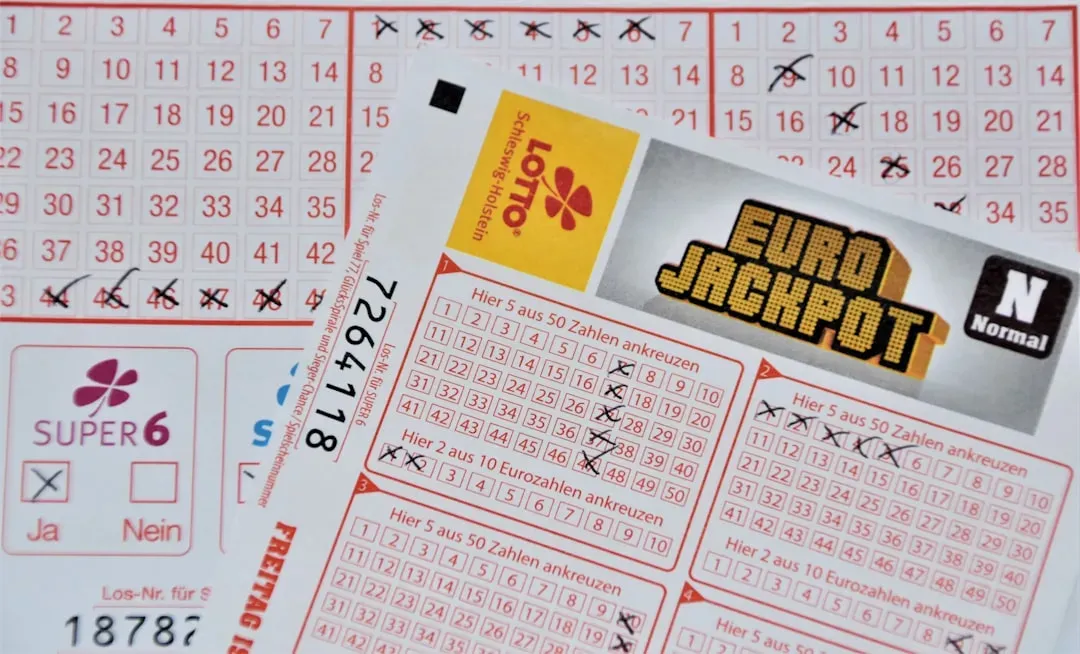
Even when individual picks seem reasonable, maybe even well researched, the combined probability becomes vanishingly small. Someone somewhere will hit these astronomical odds eventually, but that doesn’t make it a repeatable strategy. It makes it what it truly is: a lottery ticket with slightly better marketing.
Why Sportsbooks Love These Bets
The house isn’t stupid. In January of 2024, New Jersey sportsbooks held nearly twenty percent on parlays, while a fifty percent bettor randomly betting into twenty-cent lines sees only a negative four point six percent hold. Sportsbooks are holding nearly five times higher on parlays than they would on straight bets, yet consumers keep coming back for more.
There’s a reason DraftKings reported revenue increases driven partly by product innovation leading to increased parlay mix and thus higher hold percentage. The profit margins are substantial. Parlays now account for over sixty percent of the revenue of some sports betting companies, a substantially larger proportion than the number of bets by volume.
Every leg you add gives the sportsbook another edge to compound. That gap between fair odds and actual payout grows wider with each additional selection, quietly padding the bookmaker’s advantage while bettors chase those tantalizing payouts.
The Illusion of Control in Combination Bets
Honestly, there’s something psychologically seductive about building a parlay. You research each game, study the matchups, maybe even consult injury reports. It feels like you’re stacking knowledge, creating some kind of informed mega-bet that leverages your expertise across multiple contests.
The uncomfortable truth is that even if you possess genuine edge on individual wagers, that advantage diminishes rapidly when combined. At minus 110 odds, you must win roughly fifty two percent of your bets to be profitable, but on a parlay of two minus 110 bets, you need to win about twenty seven and a half percent of the time. Your edge doesn’t multiply with your odds; it actually compounds in reverse.
Professional bettors understand this instinctively. They know that maintaining an edge over thousands of bets requires discipline, not hope.
Compounded House Edges and Hidden Margins
Most casual bettors don’t realize sportsbooks build a margin into each individual leg of a bet. When those legs are combined in a parlay, the margin compounds, so even tiny gaps between fair odds and offered odds add up fast. Think of it like interest working against you instead of for you.
Here’s a practical example: If fair odds are two point zero but you take one point ninety one, a single ten dollar win returns nineteen dollars and ten cents instead of twenty dollars, while in a two-leg parlay the fair odds would pay forty dollars but taking worse odds pays only thirty six dollars and fifty cents. That three dollar and fifty cent difference is the compounded margin eating into your potential return.
The Henderson bettor who cashed two million dollars overcame not just probability but layers of built-in disadvantage stacked against them at every turn.
Statistical Outliers and Survivor Bias

We hear about the Henderson resident who won two million, but we don’t hear about the thousands who lost their stake on similar tickets that same weekend. This is classic survivor bias in action. The nature of probability guarantees that someone, somewhere, will eventually hit these astronomical combinations.
When you consider the millions of parlays placed across legal sportsbooks annually, the occasional massive win becomes statistically inevitable rather than remarkable. Americans wagered roughly one hundred fifty billion dollars with legal sportsbooks in 2024, smashing the previous record of just over one hundred twenty one billion. With that volume, outlier results must occur.
The problem is how we interpret these wins. Our brains latch onto the spectacular success story while ignoring the mountain of failed tickets that funded it. Each parlay win we celebrate represents hundreds or thousands of losing wagers that never make the news.
Cognitive Distortions in Betting Outcomes

There’s a well-documented psychological phenomenon at play here. Bettors tend to attribute wins to skill and losses to bad luck or external factors beyond their control. This cognitive bias reinforces itself with every improbable success, creating an illusion of control where none truly exists.
While getting three out of four legs correct pays no better than zero out of four legs, it can still feel like a win and suggest making another attempted parlay to win the next time. The near-miss phenomenon keeps people coming back, convinced they’re close to cracking the code.
After a big parlay win, overconfidence surges. The bettor starts believing they possess special insight or analytical ability that led to the success, when in reality they simply landed on the right side of probability for once. This distortion drives future betting behavior in dangerous directions.
Marketing Spectacles and Industry Incentives

Sportsbooks don’t publicize massive parlay wins out of generosity or celebration of customer success. These stories serve as powerful marketing tools that drive engagement and betting volume. Parlays now account for seventy percent of both NBA and NFL betting at FanDuel, and that shift has drastically lowered the odds of customers winning their bets, with the average FanDuel bet’s odds up by two hundred sixty percent from 2019.
When a Henderson resident cashes a two million dollar ticket, that story circulates through social media, sports talk shows, and betting forums. It plants seeds in thousands of minds: maybe I could be next. The sportsbook gets free advertising while reinforcing the narrative that life-changing wins are within reach.
What they don’t advertise is the aggregate loss that funds these occasional jackpots. The business model depends on this information asymmetry.
The Skill Component in Individual Selections

I know it sounds crazy, but informed bettors can gain slight edges on individual games through diligent research, superior information, or faster reactions to market movements. Line shopping, understanding key numbers in football, recognizing when public sentiment has pushed a line too far, these skills matter in single-game betting.
The issue is that even when a bettor demonstrates legitimate skill on individual picks, combining them into a parlay doesn’t amplify that edge proportionally. Parlays compound your edge whether it’s positive or negative, and at minus 110 odds where you must win about fifty two percent of bets to profit, a two-leg parlay requires winning roughly twenty seven and a half percent of the time.
For the Henderson winner, perhaps some individual selections reflected genuine analysis. The problem is distinguishing between skilled selection and lucky timing becomes impossible when the combined probability sits well below one percent.
Regulatory Scrutiny and Verification Processes

When someone wins an amount this substantial, it doesn’t just trigger celebration. Nevada gaming regulators examine unusually large payouts to ensure wager legitimacy and compliance with regulations. They verify the bet was placed legally, the outcomes were legitimate, and no fraud or collusion occurred.
This scrutiny exists not because such wins are common, but precisely because they’re rare enough to warrant verification. The regulatory framework treats these outlier payouts as potential anomalies requiring explanation rather than routine business transactions.
The Henderson bettor’s win likely underwent thorough review before payout, with officials confirming every leg hit legitimately and the ticket was placed within regulatory bounds. This process underscores just how exceptional these results truly are within the regulated gambling ecosystem.