Vegas police are filling the sky with camera-equipped drones. Residents have little input. – Image for illustrative purposes only (Image credits: Unsplash)
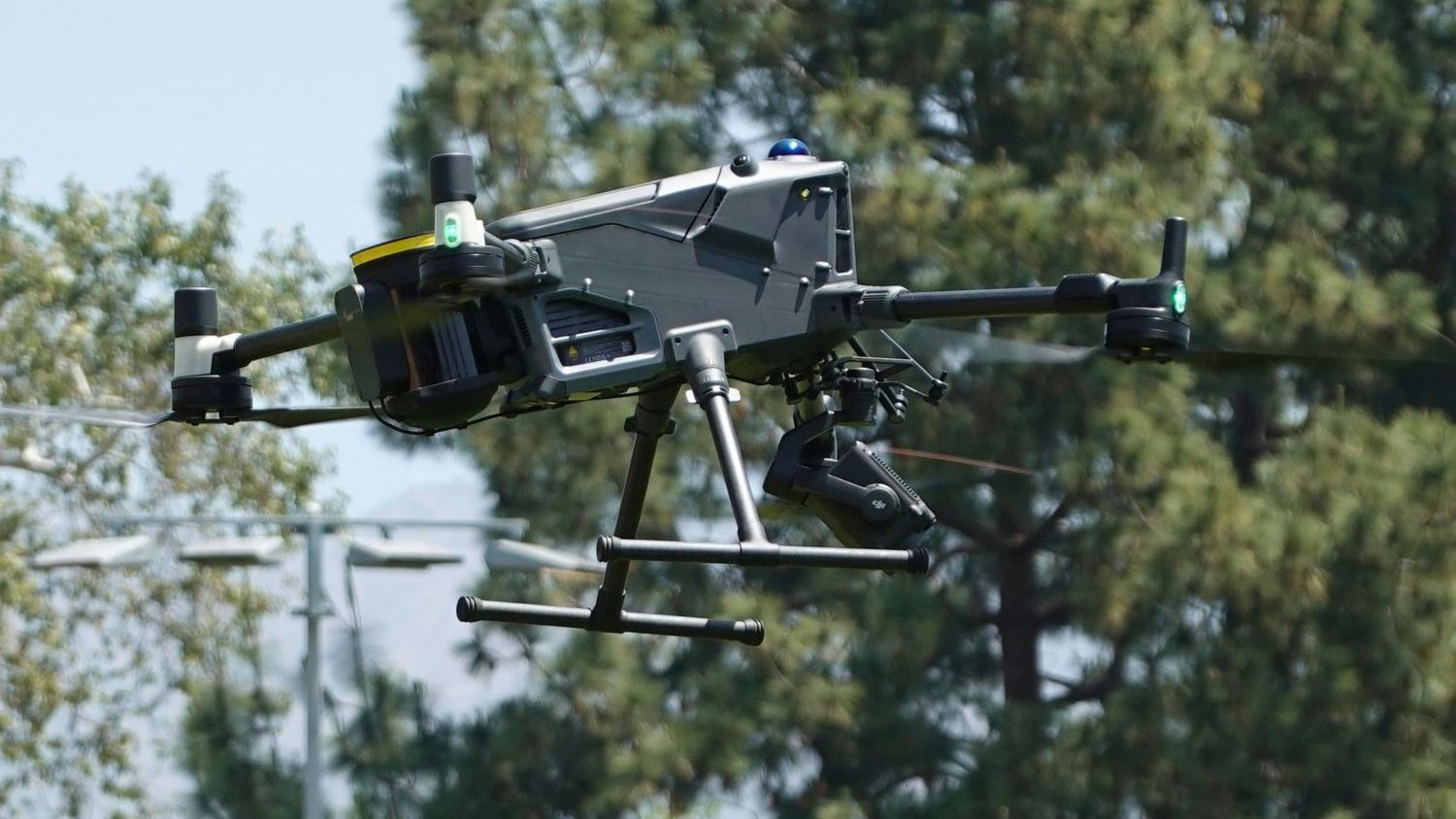
Las Vegas residents have noticed more camera-equipped drones passing over their yards in recent months. The Las Vegas Metropolitan Police Department has expanded its aerial response program dramatically, sending drones to thousands of 911 calls each year. A state law that normally requires warrants for flights over private property contains an emergency exception that the department now relies on for nearly all its missions.
Program Grows Rapidly in 2025 and 2026
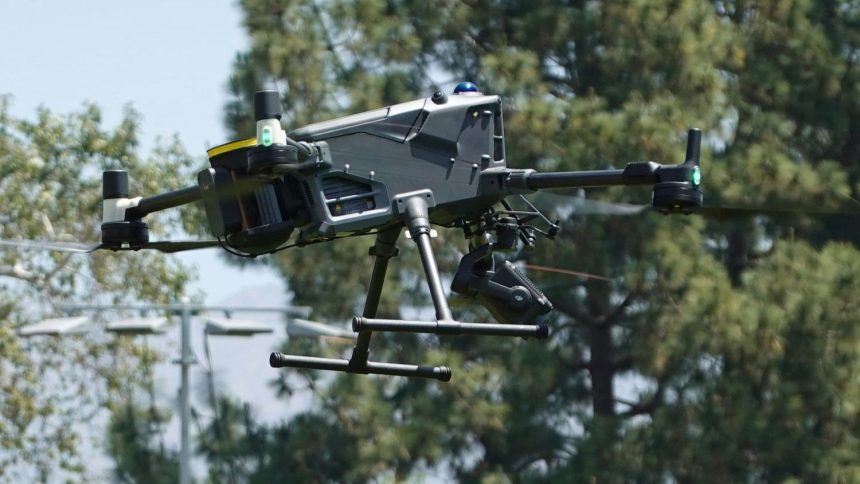
The department launched its Drone as First Responder Blue Sky Program in 2024. Drones now launch from rooftop docks across Clark County and reach scenes within seconds, often before officers arrive on the ground. Live video feeds stream back to a central command center, giving responders an early view of the situation. Deployment numbers show the scale of the change. The department recorded 345 flights in May 2025. By April 2026 the monthly total reached 2,270. Last year the agency completed more than 10,000 missions, the highest total reported by any U.S. police department. Officials project 20,000 flights in 2026 as the program moves into its final phase with 75 drones and 13 launch sites.
Partner offer
Emergency Rule Allows Flights Over Private Yards
Nevada law generally bars police drones from flying over homes or the surrounding curtilage without a warrant. Footage from routine inspections is also inadmissible in court. The first-responder program treats every 911 call as an exigent circumstance, removing the need for prior approval. Officers say the approach improves safety and saves money. In one March incident a drone helped locate a suspect who had allegedly stabbed his girlfriend and fled on foot after a crash. Thermal cameras have also located missing children. The department maintains that all operations stay within legal limits and that policies have been reviewed by the Department of Justice.
Residents and Experts Raise Constitutional Questions
Privacy advocates note that drones can capture high-definition images from up to 2,000 feet away. They argue the technology gives officers a vantage point they could not achieve from the street. Some residents worry the constant presence could discourage people from exercising First Amendment rights at protests or other gatherings. Cybersecurity worker Geoff Sanders said he has seen the increase firsthand and fears the data could be misused. “There’s always been a natural tension between stopping crime and preserving privacy,” he said. “The issue is that it’s capable of being misused, and we have history and examples of police and governments misusing the technology beyond what it’s intended to do.” Legal scholar Brent Skorup of the Cato Institute said the emergency justification fits most 911 calls but warned that future expansion into non-emergency enforcement could create new problems.
Donations Limit Public Input on Expansion
Much of the equipment and software came through private donations rather than taxpayer funds. The Horowitz Family Foundation provided more than $2.4 million for drones and a five-year subscription to Flock Safety tools that include license-plate data and keyword search of footage. An additional $32,000 supported the command center. Because the gifts flowed through the nonprofit Friends of Metro, residents had no formal opportunity to comment on the purchases or deployment plans. The department publishes daily flight logs that show times, numbers, and paths, though exact dock locations remain undisclosed. Scholars say the combination of rapid growth, private funding, and the emergency loophole makes it difficult for the public to track how surveillance is expanding. The program is now in its third phase and aims for full coverage of Clark County. Experts expect the number of drones overhead to keep rising in the months ahead.
Partner offer
Planning a trip to Vegas?
Compare hotel rates and show tickets on VEGAS.com.