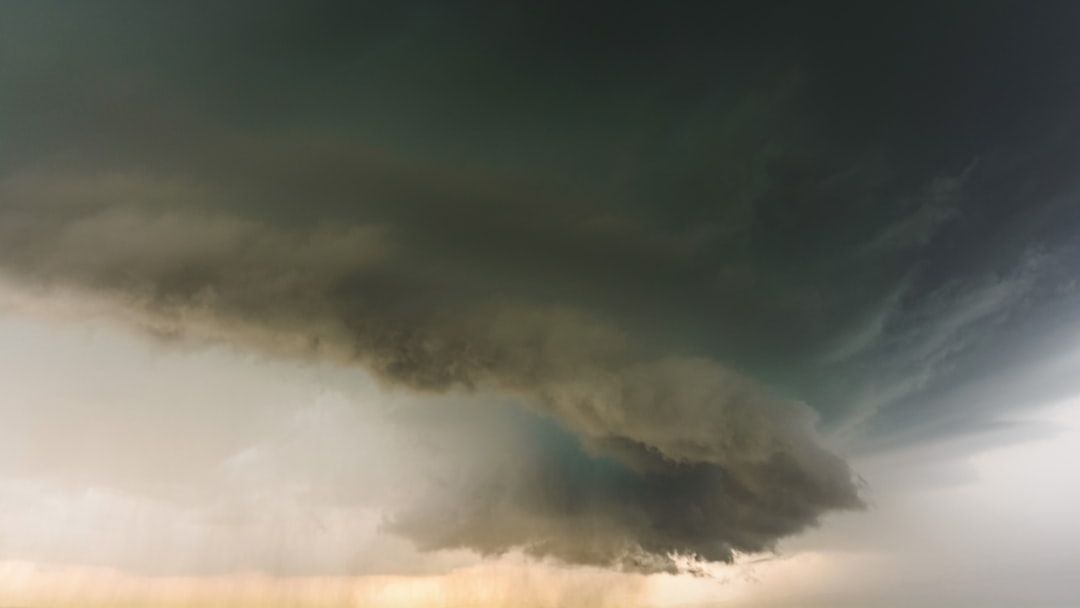

DAY 1 MARGINAL SEVERE WEATHER RISK OVER PARTS OF FLORIDA…AND FROM THE UPPER MISSISSIPPI VALLEY INTO KANSAS…FORECAST SYNOPSIS…ISSUED MAY 12, 2026…11:45 A.M. EDT – Image for illustrative purposes only (Image credits: Unsplash)
The Storm Prediction Center has outlined a marginal risk for severe thunderstorms across parts of the Florida Peninsula and a separate corridor stretching from southeast Kansas into portions of the Great Lakes region on May 12. Forecasters expect the primary threats to remain isolated, with the strongest activity developing during the afternoon and early evening hours. Residents in both areas should monitor updates closely as conditions evolve through the day.
Florida Peninsula Faces Afternoon Storms
A moist and moderately unstable air mass sits over the Florida Peninsula, supported by a shortwave trough moving eastward from southern Alabama. This setup provides enough large-scale lift for scattered thunderstorms to develop, particularly near the east-coast sea breeze where low-level winds favor the most intense cells. A few organized multicell or supercell storms could produce damaging wind gusts and hail, while the tornado threat stays low at around 2 percent.
Model guidance shows surface-based CAPE values between 1,000 and 3,000 J/kg across the outlined area, with dew points in the low to mid-70s. The combination supports the possibility of brief, weak tornadoes rated EF0 to EF1 if any rotation develops, though the overall environment favors straight-line winds and small hail as the main concerns.
Upper Midwest and Kansas See Sparse but Strong Cells
Farther north and west, a frontal boundary separates drier air from a narrow corridor of increasing moisture ahead of strong southwesterly low-level winds. Dew points start in the 30s and 40s but rise enough by late afternoon to yield modest instability, with most-unstable CAPE reaching around 500 J/kg in spots. Thunderstorm coverage is expected to stay limited and high-based, yet any storms that form could still produce hail and gusty winds into early evening.
Partner offer

The air mass remains relatively dry overall, which limits widespread severe activity. Still, the combination of shear and localized destabilization creates a window for isolated strong storms capable of 50-knot or greater winds before sunset.
Timing, Monitoring, and Safety Steps
Peak storm intensity across both regions is forecast between late morning and late afternoon, with some activity possibly already underway at the time of the outlook issuance. The next scheduled update from the Storm Prediction Center arrives at 12:30 p.m. EDT, and residents are encouraged to check official sources for any adjustments.
Key parameters analyzed this morning include effective shear of 30 to 40 knots and storm-relative helicity values that support the marginal risk level. Forecasters stress that even isolated storms can produce locally hazardous conditions, so anyone in the outlined areas should have a plan to seek sturdy shelter if warnings are issued.
Local National Weather Service offices will provide the most current watches, warnings, and radar information throughout the day. Staying informed through official channels remains the most effective way to respond to any developing threats.
Partner offer
Planning a trip to Vegas?
Compare hotel rates and show tickets on VEGAS.com.